
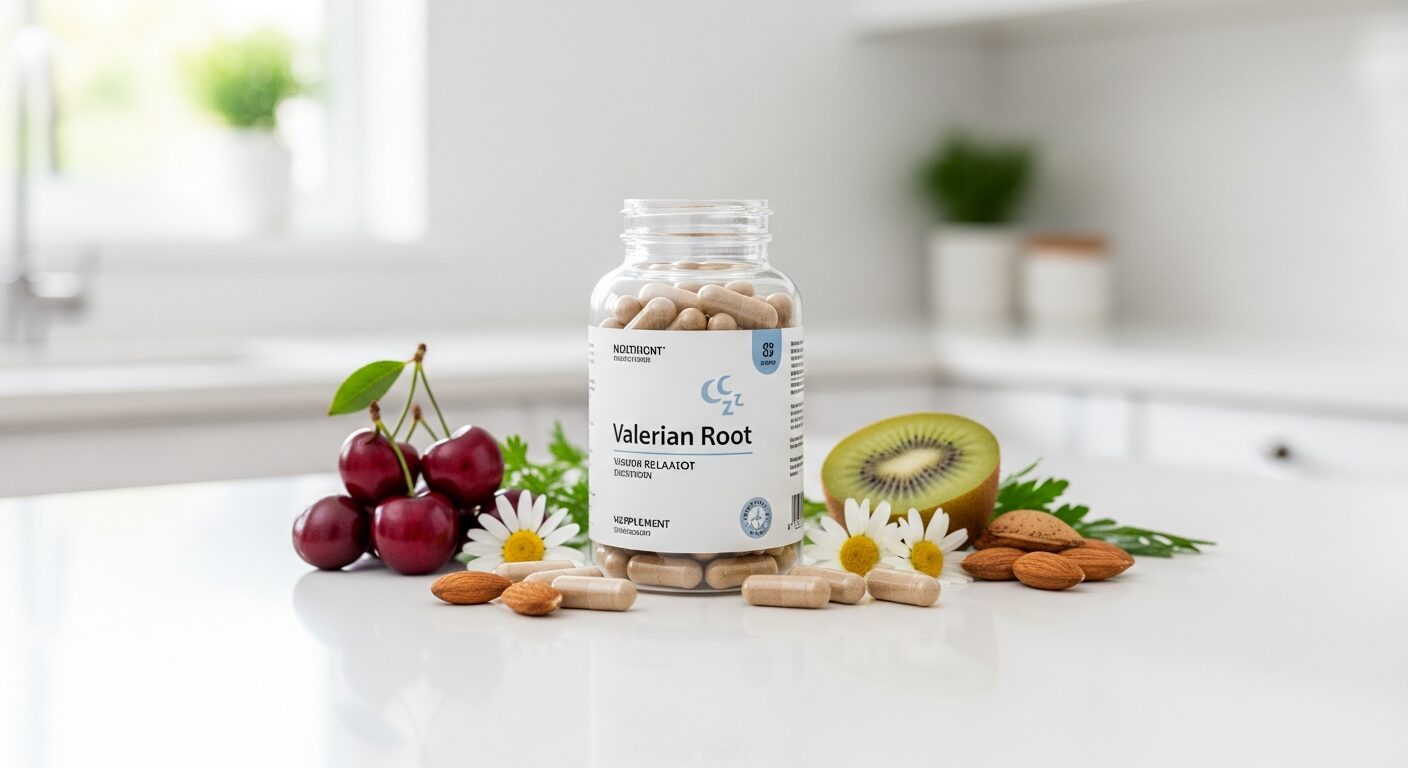
When sleep becomes elusive and anxiety creeps in, millions of people turn to natural remedies for relief. Two of the most popular options dominating the supplement aisle are valerian root and melatonin. Both promise better sleep and relaxation, but they work through completely different mechanisms in your body. While melatonin regulates your circadian rhythm, valerian root acts more like nature’s sedative, calming your nervous system through neurotransmitter pathways.
The choice between these two isn’t always straightforward. Your lifestyle, sleep challenges, and even your genetic makeup can influence which supplement works better for you. Understanding the science behind valerian root – its benefits, limitations, and how it transforms your body over time – is crucial for making an informed decision. This comprehensive guide will explore everything you need to know about valerian root, debunk common myths, and help you determine if it’s the right choice for your wellness journey.
🌿 Looking for Valerian Root supplements? Shop Amazon →
Contents
What is Valerian Root
Valerian root comes from Valeriana officinalis, a flowering plant native to Europe and Asia that has been used medicinally for over 2,000 years. The therapeutic compounds are found in the plant’s underground root system, which contains a complex mixture of volatile oils, alkaloids, and amino acids that work synergistically to produce calming effects.
The primary active compounds include valerenic acid, isovaleric acid, and a variety of flavonoids and sesquiterpenes. These compounds interact with gamma-aminobutyric acid (GABA) receptors in your brain – the same neurotransmitter system that many prescription sleep medications target, but through a gentler, more natural pathway.
Unlike synthetic sleep aids that can create dependency, valerian root works by enhancing your body’s natural relaxation processes. It increases GABA availability in your nervous system, which helps quiet mental chatter and physical tension that often prevent restful sleep. The herb also contains compounds that may influence serotonin and adenosine pathways, contributing to its multi-faceted approach to promoting relaxation and sleep quality.
Key Benefits of Valerian Root
Scientific research has identified several key benefits of valerian root supplementation, with sleep improvement being the most well-documented. Clinical studies have shown that valerian root can significantly improve sleep quality and reduce the time it takes to fall asleep, particularly in people with mild to moderate insomnia.
Beyond sleep, valerian root demonstrates notable anxiolytic properties. The herb’s ability to modulate GABA receptors helps reduce feelings of stress and anxiety without the cognitive impairment often associated with pharmaceutical alternatives. Many users report feeling more mentally balanced and emotionally stable when taking valerian root regularly.
Research also suggests valerian root may help with physical tension and muscle relaxation. The herb’s compounds can help reduce physical manifestations of stress, including muscle tightness and restlessness. Some studies indicate it may be beneficial for people experiencing tension headaches or general physical discomfort related to stress.
Additionally, valerian root may support healthy blood pressure levels in people whose hypertension is related to stress and anxiety. While not a replacement for blood pressure medications, the herb’s calming effects on the nervous system can contribute to overall cardiovascular wellness as part of a comprehensive health approach.
What Most People Get Wrong About Valerian Root
One of the most persistent myths about valerian root is that it works immediately like a sleeping pill. Many people expect to feel drowsy within 30 minutes of taking it, then conclude it doesn’t work when they don’t experience immediate sedation. The reality is that valerian root typically requires consistent use over several days to weeks to build therapeutic levels in your system and produce noticeable effects.
Another common misconception is that valerian root is completely harmless because it’s “natural.” While generally safe for most people, valerian can interact with certain medications and isn’t appropriate for everyone. The herb can potentiate the effects of other sedating medications, including prescription sleep aids, anti-anxiety medications, and even some antihistamines, potentially leading to excessive drowsiness or other complications.
Many people also believe that all valerian root supplements are created equal, leading to inconsistent results and frustration. The truth is that valerian preparations can vary dramatically in potency and quality. Standardization of active compounds, extraction methods, and even the part of the plant used can significantly impact effectiveness. Some products contain minimal amounts of the key therapeutic compounds, while others may be contaminated or poorly processed.
Perhaps the most dangerous myth is that you can’t take too much valerian root because it’s natural. While acute toxicity is rare, taking excessive amounts can lead to unwanted side effects including headaches, dizziness, stomach upset, and paradoxical stimulation rather than sedation. Some people also mistakenly believe that if a little works, more will work better, which isn’t true for valerian root and can actually backfire.
What Happens to Your Body After 30 Days of Taking Valerian Root
During the first week of valerian root supplementation, most people experience subtle changes rather than dramatic effects. Your GABA receptors begin responding to the increased availability of calming neurotransmitters, but the changes are gradual. You might notice slightly easier transitions to sleep or feeling marginally less tense during stressful situations. Some people report vivid dreams during this initial period as their sleep architecture begins to shift.
By the second week, more noticeable effects typically emerge. Studies indicate that consistent valerian root use begins showing measurable improvements in sleep quality and duration around this timeframe. You may find yourself falling asleep more easily and experiencing fewer middle-of-the-night awakenings. Daytime anxiety levels often begin decreasing as your nervous system adapts to the herb’s calming influence.
Weeks three and four represent the period when valerian root’s full therapeutic potential typically manifests. Your body has had time to adjust to the supplement, and the cumulative effects become more pronounced. Sleep quality improvements plateau at their maximum benefit, and you may notice enhanced stress resilience during daily challenges. Physical tension and muscle tightness often show significant improvement by this point.
After 30 days, many users report a general sense of improved emotional balance and stress management. The herb’s effects on your nervous system create a foundation for better overall wellness. However, it’s important to note that individual responses vary significantly, and some people may need longer to experience full benefits while others may notice improvements sooner.
Who Should NOT Take Valerian Root
Pregnant and breastfeeding women should avoid valerian root due to insufficient safety data. The herb’s effects on fetal development and infant health haven’t been adequately studied, making it a risk not worth taking during these critical periods. The compounds in valerian root can cross the placental barrier and may appear in breast milk.
People taking prescription medications for sleep, anxiety, or depression should consult their healthcare provider before using valerian root. The herb can potentiate the effects of benzodiazepines, barbiturates, and other central nervous system depressants, potentially leading to excessive sedation. It may also interact with certain antidepressants and could interfere with anesthesia if you’re scheduled for surgery.
Individuals with liver disease or compromised liver function should exercise extreme caution with valerian root. While rare, there have been reports of hepatotoxicity associated with valerian use, particularly in people with existing liver problems. Anyone with a history of liver disease should only use valerian root under medical supervision with regular monitoring.
Children under 12 years old shouldn’t use valerian root unless specifically recommended by a pediatrician. The herb’s effects on developing nervous systems aren’t well understood, and dosing guidelines for children haven’t been established through clinical research. Additionally, people with known allergies to plants in the Valerianaceae family should avoid this supplement.
Those with low blood pressure should be cautious, as valerian root may further lower blood pressure levels. If you experience dizziness, lightheadedness, or fainting, discontinue use immediately. People scheduled for surgery should stop taking valerian root at least two weeks beforehand, as it may interact with anesthetic agents and affect post-operative recovery.
Dosage and Best Forms
The most effective valerian root dosages typically range from 300 to 900 milligrams of standardized extract, taken 30 minutes to two hours before bedtime. For anxiety management, smaller doses of 120 to 200 milligrams taken two to three times daily may be more appropriate. Start with the lowest effective dose and gradually increase if needed, as individual sensitivity varies significantly.
Standardized extracts containing 0.5 to 1.0% valerenic acid are generally considered the most reliable form. These concentrations ensure you’re getting therapeutic levels of the primary active compounds. Avoid products that don’t specify standardization or active compound percentages, as these may be ineffective or inconsistent.
Capsules and tablets offer the most precise dosing and are least likely to cause stomach upset. Liquid extracts and tinctures may work faster but can be difficult to dose accurately and often have a strong, unpleasant taste. Tea forms are generally too weak to provide therapeutic benefits and aren’t recommended for serious sleep or anxiety issues.
Timing is crucial for valerian root effectiveness. For sleep support, take your dose 30 to 120 minutes before your intended bedtime. Taking it too early may cause you to feel groggy before you’re ready for sleep, while taking it too late may not allow enough time for the compounds to take effect. Consistency in timing helps optimize the herb’s benefits.
🌿 Looking for Valerian Root Supplements?
Browse top-rated Valerian Root supplements, independently tested and recommended by our editorial team.
Shop Valerian Root on Amazon →
Affiliate disclosure: We may earn a small commission at no extra cost to you.
Frequently Asked Questions
How long does it take for valerian root to start working?
Unlike prescription sleep medications, valerian root doesn’t work immediately. Most people begin noticing subtle effects after 3-7 days of consistent use, with more pronounced benefits appearing after 2-4 weeks. Research suggests that valerian root’s sleep-improving effects become more apparent with continued use rather than single-dose administration. For best results, commit to taking valerian root consistently for at least two weeks before evaluating its effectiveness.
Can I take valerian root with melatonin?
Many people successfully combine low doses of valerian root with melatonin, as they work through different mechanisms. Melatonin regulates circadian rhythm while valerian root calms the nervous system. However, start with reduced doses of each supplement when combining them, as the sedating effects may be additive. Consult with a healthcare provider before combining supplements, especially if you take other medications or have underlying health conditions.
Will valerian root make me feel groggy in the morning?
Morning grogginess from valerian root is less common than with prescription sleep aids, but it can occur, especially with higher doses or in sensitive individuals. Taking valerian root too late in the evening or taking excessive amounts increases the likelihood of morning drowsiness. If you experience persistent morning grogginess, try reducing your dose or taking it earlier in the evening.
Is valerian root habit-forming or addictive?
Valerian root is not considered habit-forming in the same way as prescription sleep medications or benzodiazepines. It doesn’t create physical dependence or tolerance requiring increased doses over time. However, some people may develop a psychological reliance on the supplement for sleep. Most users can discontinue valerian root without experiencing withdrawal symptoms, though it’s wise to taper off gradually rather than stopping abruptly.
What’s the difference between valerian root and passionflower?
While both are calming herbs, valerian root and passionflower work through slightly different mechanisms. Valerian root primarily enhances GABA activity and tends to be more sedating, making it better for sleep issues. Passionflower has more gentle anti-anxiety effects and is less likely to cause drowsiness, making it suitable for daytime anxiety management. Some people find passionflower less effective for severe sleep problems but prefer it for general stress relief.
Medical Disclaimer
This article is for informational purposes only and does not constitute medical advice. The information provided should not be used as a substitute for professional medical consultation, diagnosis, or treatment. Always consult with a qualified healthcare provider before starting any new supplement regimen, especially if you have underlying health conditions, take prescription medications, or are pregnant or breastfeeding.
Individual responses to supplements can vary significantly, and what works for one person may not work for another. The dosage recommendations and safety information provided are based on general research and may not be appropriate for your specific situation. If you experience any adverse effects while taking valerian root, discontinue use immediately and consult with your healthcare provider.
The statements in this article have not been evaluated by the Food and Drug Administration. Valerian root is not intended to diagnose, treat, cure, or prevent any disease. Always purchase supplements from reputable manufacturers and follow label instructions carefully.