
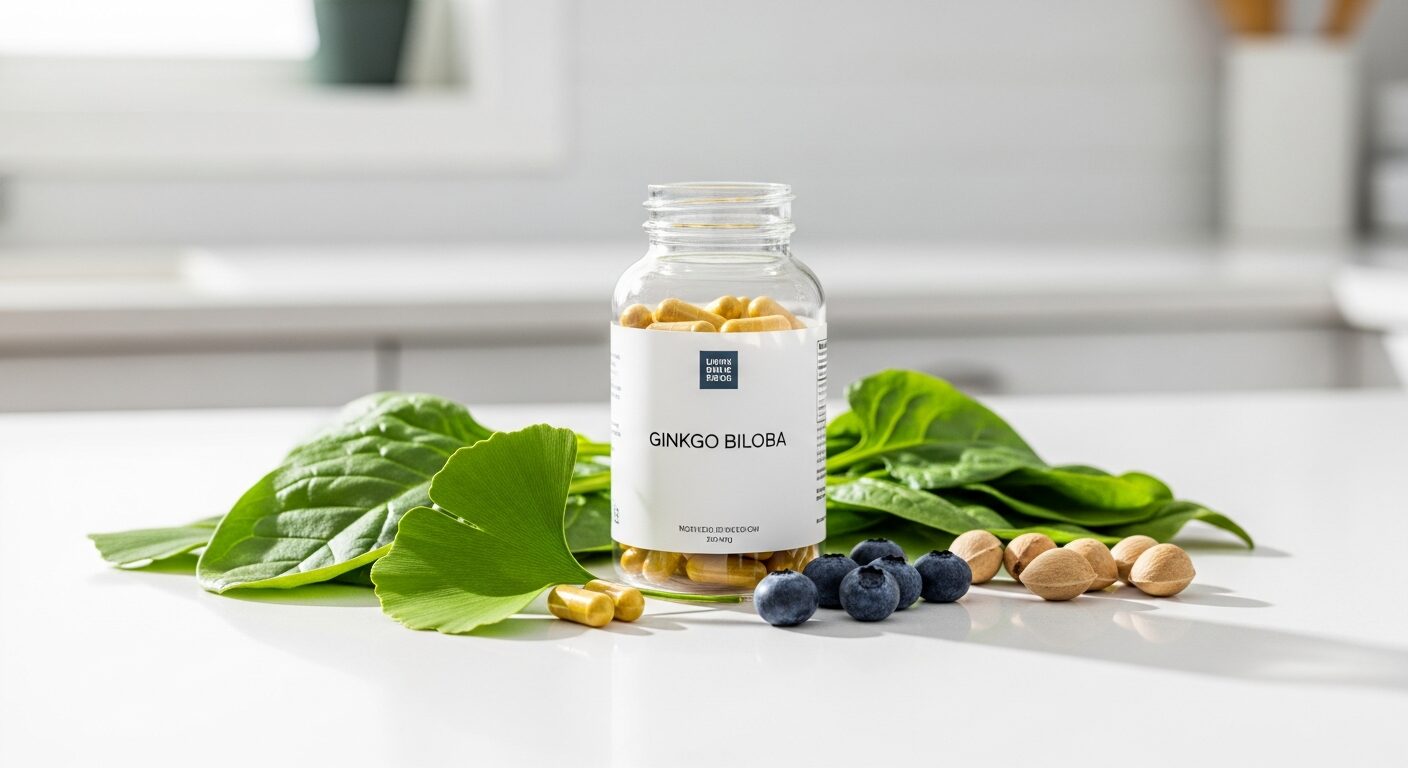
For over 4,000 years, the distinctive fan-shaped leaves of the Ginkgo biloba tree have been used in traditional Chinese medicine to treat various ailments. Today, this “living fossil” has become one of the most extensively researched herbal supplements in modern science, with hundreds of clinical trials examining its potential health benefits. From cognitive enhancement to circulatory support, ginkgo biloba extract has captured the attention of researchers and health enthusiasts alike.
However, despite its popularity and ancient heritage, ginkgo biloba remains shrouded in misconceptions and overblown claims. While some tout it as a miracle cure for memory loss and aging, others dismiss it entirely as ineffective. The truth, as revealed by rigorous scientific research, lies somewhere in between. Understanding what ginkgo biloba can and cannot do for your health requires separating fact from fiction and examining the evidence with a critical eye.
In this comprehensive guide, we’ll explore the science-backed benefits of ginkgo biloba, debunk common myths, and provide you with the information you need to make an informed decision about whether this ancient remedy has a place in your modern wellness routine.
Contents
What is Ginkgo Biloba
Ginkgo biloba, often simply called ginkgo, is derived from one of the world’s oldest living tree species, dating back over 270 million years. Native to China, these remarkable trees can live for over 1,000 years and are considered living fossils because they have remained virtually unchanged throughout evolutionary history.
The medicinal properties of ginkgo come primarily from its leaves, which contain two main groups of active compounds: flavonoids and terpenoids. Flavonoids are powerful antioxidants that help protect cells from damage caused by free radicals, while terpenoids (including ginkgolides and bilobalide) are believed to improve circulation by dilating blood vessels and reducing blood viscosity.
Modern ginkgo biloba supplements are typically made from standardized leaf extracts, concentrated to contain specific amounts of these active compounds. The most commonly used standardization is EGb 761, which contains 24% flavone glycosides and 6% terpene lactones. This standardization ensures consistency and potency across different products and studies.
Unlike many herbal supplements, ginkgo biloba has been subjected to extensive scientific scrutiny, with over 400 published studies examining its effects on various health conditions. This robust research foundation makes it one of the better-understood botanical supplements available today.
Key Benefits of Ginkgo Biloba
Scientific research has identified several areas where ginkgo biloba may provide meaningful health benefits, though the strength of evidence varies depending on the specific application.
Cognitive Function and Memory Support: Multiple studies have examined ginkgo’s effects on cognitive performance, particularly in older adults experiencing age-related cognitive decline. Research suggests that ginkgo biloba may help improve working memory, attention, and processing speed in some individuals. The mechanism appears to involve improved blood flow to the brain and neuroprotective effects from its antioxidant properties.
Circulation and Vascular Health: One of ginkgo’s most well-established benefits relates to its positive effects on circulation. The herb appears to improve blood flow by promoting vasodilation and reducing blood platelet aggregation. This improved circulation may benefit various conditions related to poor blood flow, including intermittent claudication (leg pain during walking due to reduced blood flow).
Antioxidant Protection: Ginkgo biloba contains potent antioxidants that help neutralize harmful free radicals in the body. This antioxidant activity may help protect cells from oxidative stress, which is implicated in aging and various chronic diseases. The flavonoids in ginkgo are particularly effective at scavenging free radicals and protecting cellular membranes.
Eye Health: Some research indicates that ginkgo may support eye health, particularly in conditions related to reduced blood flow to the retina. Studies have explored its potential benefits for glaucoma and age-related macular degeneration, though more research is needed to establish definitive benefits.
Anxiety and Mood: Preliminary research suggests that ginkgo biloba may have mild anxiolytic (anti-anxiety) effects. Some studies have found improvements in anxiety symptoms and overall mood in individuals taking ginkgo supplements, possibly due to its effects on neurotransmitter systems and stress response.
What Most People Get Wrong About Ginkgo Biloba
Despite decades of research, several persistent myths and misconceptions surround ginkgo biloba. Understanding these misconceptions is crucial for setting realistic expectations about what this supplement can and cannot do.
Myth 1: Ginkgo Prevents or Reverses Alzheimer’s Disease
One of the most widespread misconceptions is that ginkgo biloba can prevent or significantly improve Alzheimer’s disease and dementia. This belief gained traction from early, smaller studies that suggested cognitive benefits. However, large-scale, long-term clinical trials have consistently failed to demonstrate that ginkgo can prevent dementia or provide clinically meaningful improvements in Alzheimer’s patients. The Ginkgo Evaluation of Memory (GEM) study, 2008, one of the largest and most rigorous trials to date, followed over 3,000 participants for six years and found no significant reduction in dementia incidence among those taking ginkgo compared to placebo.
Myth 2: All Ginkgo Supplements Are the Same
Many consumers assume that all ginkgo biloba supplements are equivalent, but this is far from true. The quality, potency, and standardization of ginkgo products vary dramatically between manufacturers. Only standardized extracts like EGb 761 have been extensively studied, and many commercial products don’t meet the same quality standards used in research. Additionally, some products may contain adulterants or inconsistent amounts of active compounds, making their effects unpredictable.
Myth 3: Ginkgo Works Immediately
Unlike medications that may produce rapid effects, ginkgo biloba typically requires consistent use over several weeks or months to produce noticeable benefits. Some people expect immediate cognitive enhancement or circulation improvements, but research shows that ginkgo’s effects are generally subtle and develop gradually. Studies that have shown positive effects typically involve treatment periods of 12-24 weeks, not days or even single weeks.
Myth 4: More Ginkgo Equals Better Results
There’s a common misconception that taking higher doses of ginkgo will produce better or faster results. However, research suggests that there’s an optimal dose range (typically 120-240 mg daily of standardized extract), and exceeding this range doesn’t necessarily improve benefits while potentially increasing the risk of side effects. Some studies have actually shown that very high doses may be less effective than moderate doses, possibly due to complex biological interactions.
What Happens to Your Body After 30 Days of Taking Ginkgo Biloba
Understanding the timeline of ginkgo biloba’s effects can help set appropriate expectations and determine whether the supplement is working for you. Based on clinical research, here’s what typically occurs during the first month of consistent supplementation.
Week 1: Initial Adaptation
During the first week, most people won’t notice significant changes, as ginkgo’s effects are subtle and cumulative. However, your body is beginning to absorb and utilize the active compounds. Some individuals may experience mild side effects such as headaches or stomach upset as their system adapts to the supplement. Any improvements in energy or mental clarity during this period are likely placebo effects rather than true pharmacological responses.
Week 2: Early Circulatory Effects
By the second week, ginkgo’s effects on circulation may begin to manifest. Some people report feeling slightly warmer hands and feet, indicating improved peripheral blood flow. Those with mild circulation issues might notice small improvements in symptoms like cold extremities. However, cognitive effects are still minimal at this stage, as neurological changes require more time to develop.
Week 3-4: Emerging Benefits
The third and fourth weeks are when many people begin to notice ginkgo’s more significant effects, particularly regarding cognitive function and circulation. Research indicates that measurable improvements in attention, working memory, and processing speed typically emerge after 3-4 weeks of consistent use. Those taking ginkgo for circulation issues may experience more noticeable improvements in symptoms like leg discomfort during walking.
It’s important to note that not everyone will experience noticeable benefits, even after 30 days. Individual responses to ginkgo vary considerably based on factors such as age, health status, dosage, and the specific product used. Some people may need 8-12 weeks to experience full benefits, while others may not respond significantly to ginkgo supplementation at all.
Who Should NOT Take Ginkgo Biloba
While ginkgo biloba is generally well-tolerated by most healthy adults, certain individuals should avoid or use extreme caution when considering this supplement due to potential health risks and interactions.
Individuals Taking Blood-Thinning Medications: Ginkgo biloba can increase bleeding risk by affecting platelet aggregation and blood clotting. People taking anticoagulant medications like warfarin, aspirin, clopidogrel, or other blood thinners should not use ginkgo without medical supervision, as the combination can lead to dangerous bleeding complications.
People with Bleeding Disorders: Those with hemophilia, von Willebrand disease, or other bleeding disorders should avoid ginkgo biloba entirely. The herb’s antiplatelet effects can exacerbate bleeding tendencies and potentially lead to serious hemorrhagic events.
Pregnant and Breastfeeding Women: Safety data for ginkgo use during pregnancy and lactation is insufficient. Given the potential for increased bleeding risk and unknown effects on fetal development, pregnant and breastfeeding women should avoid ginkgo biloba supplementation.
Individuals with Epilepsy: Some case reports have suggested that ginkgo biloba may lower seizure threshold or interact with anti-seizure medications. People with epilepsy or other seizure disorders should consult with their neurologist before using ginkgo.
Pre-Surgical Patients: Due to increased bleeding risk, ginkgo biloba should be discontinued at least two weeks before any scheduled surgery. This includes dental procedures and minor surgeries, not just major operations.
Drug Interactions: Beyond blood thinners, ginkgo may interact with various medications including certain antidepressants (particularly MAOIs and SSRIs), anti-seizure drugs, and diabetes medications. Always consult with a healthcare provider before combining ginkgo with prescription medications.
Dosage and Best Forms
Selecting the right dosage and form of ginkgo biloba is crucial for both safety and effectiveness. Most clinical research has used standardized extracts rather than raw herb preparations.
Standard Dosage: The most commonly studied and recommended dosage is 120-240 mg daily of standardized ginkgo biloba extract (24% flavone glycosides, 6% terpene lactones). This is typically divided into two or three doses taken with meals to improve absorption and reduce stomach upset.
Preferred Forms: Look for supplements that specify standardization to EGb 761 or similar standardized extracts. Avoid products that only list “ginkgo biloba leaf” without standardization information, as these may contain inconsistent amounts of active compounds.
Quality Considerations: Choose products from reputable manufacturers that provide third-party testing results. Look for certifications from organizations like USP, NSF, or ConsumerLab to ensure quality and purity.
Timing: Ginkgo biloba is best taken with food to enhance absorption and minimize gastrointestinal side effects. Consistency in timing helps maintain steady blood levels of the active compounds.
🌿 Looking for Ginkgo Biloba Supplements?
Browse top-rated Ginkgo Biloba supplements, independently tested and recommended by our editorial team.
Shop Ginkgo Biloba on Amazon →
Affiliate disclosure: We may earn a small commission at no extra cost to you.
Frequently Asked Questions
How long does it take for ginkgo biloba to work?
Most research suggests that ginkgo biloba’s effects become noticeable after 4-6 weeks of consistent use, with optimal benefits typically achieved after 8-12 weeks. Some people may notice subtle improvements in circulation earlier, but cognitive effects generally require longer-term supplementation.
Can I take ginkgo biloba with other supplements?
Ginkgo biloba can generally be combined with most other supplements, 2012, but caution is advised when combining with other herbs that affect blood clotting, such as garlic, ginger, or fish oil. Always space different supplements apart and consult with a healthcare provider about potential interactions.
Are there any side effects of ginkgo biloba?
Most people tolerate ginkgo biloba well, but some may experience mild side effects including headaches, dizziness, stomach upset, or skin reactions. More serious but rare side effects can include increased bleeding risk and, in very rare cases, seizures. Discontinue use if you experience any concerning symptoms.
Is ginkgo biloba safe for long-term use?
Long-term studies spanning several years have generally shown ginkgo biloba to be safe for extended use in healthy adults, 2013. However, periodic breaks and regular health monitoring are advisable, especially for older adults or those with underlying health conditions.
Can young, healthy people benefit from ginkgo biloba?
Research on ginkgo biloba in young, healthy individuals has shown mixed results. While some studies suggest modest improvements in cognitive performance, the benefits appear to be more pronounced in older adults or those with existing cognitive or circulatory issues. Young, healthy individuals may not notice significant effects.
Medical Disclaimer
The information provided in this article is for educational purposes only and is not intended to replace professional medical advice, diagnosis, or treatment. Always consult with a qualified healthcare provider before starting any new supplement regimen, especially if you have pre-existing health conditions, are taking medications, or are pregnant or breastfeeding. Individual responses to supplements can vary significantly, and what works for one person may not work for another. The statements regarding ginkgo biloba have not been evaluated by the Food and Drug Administration, and this supplement is not intended to diagnose, treat, cure, or prevent any disease. If you experience any adverse effects while taking ginkgo biloba, discontinue use immediately and consult with your healthcare provider.