
Contents
Vitamin C Benefits: What Science Says
Vitamin C, also known as ascorbic acid, stands as one of the most well-researched and essential nutrients for human health. This water-soluble vitamin has captured the attention of scientists and health enthusiasts alike for its remarkable range of benefits, from supporting immune function to promoting healthy skin. Unlike many animals, humans cannot produce vitamin C naturally, making dietary intake and supplementation crucial for optimal health.
As we dive into the scientific evidence surrounding vitamin C, we’ll explore how this powerful antioxidant works in your body, its proven health benefits, and what current research reveals about its potential in preventing and treating various health conditions.
Understanding Vitamin C: The Basics
Vitamin C is a potent antioxidant that plays numerous vital roles in maintaining human health. Your body uses this nutrient for several critical functions, including collagen synthesis, immune system support, iron absorption, and protection against oxidative stress. Since vitamin C is water-soluble, it isn’t stored in significant amounts in your body, requiring regular replenishment through diet or supplements.
The recommended daily allowance (RDA) for vitamin C varies by age, sex, and life circumstances. For most adults, the RDA ranges from 65-90 milligrams per day, though many researchers suggest higher amounts may be beneficial for optimal health outcomes.
Proven Health Benefits of Vitamin C
Immune System Support
Perhaps the most well-known benefit of vitamin C is its role in supporting immune function. This vitamin enhances various immune system components, including white blood cell function, antibody production, and the body’s natural defense mechanisms against pathogens.
Research has consistently shown that adequate vitamin C levels help reduce the duration and severity of common cold symptoms. While it may not prevent colds in the general population, studies indicate that vitamin C supplementation can reduce cold duration by approximately 8% in adults and 14% in children. For individuals under extreme physical stress, such as marathon runners, vitamin C supplementation may reduce cold incidence by up to 50%.
Antioxidant Protection
Vitamin C serves as a powerful antioxidant, protecting your cells from damage caused by free radicals. These unstable molecules can contribute to chronic diseases, aging, and various health complications. By neutralizing free radicals, vitamin C helps maintain cellular integrity and may reduce the risk of chronic diseases.
The antioxidant properties of vitamin C extend beyond direct free radical scavenging. It also helps regenerate other antioxidants in your body, including vitamin E, creating a synergistic effect that enhances overall antioxidant protection.
Collagen Synthesis and Skin Health
Vitamin C plays an indispensable role in collagen production, the protein that provides structure to your skin, bones, blood vessels, and connective tissues. Without adequate vitamin C, your body cannot produce healthy collagen, leading to various health issues.
For skin health specifically, vitamin C contributes to wound healing, reduces signs of aging, and may help protect against UV damage. Studies have shown that vitamin C supplementation can improve skin hydration, elasticity, and overall appearance, making it a popular ingredient in both topical skincare products and oral supplements.
Cardiovascular Health
Emerging research suggests that vitamin C may offer significant cardiovascular benefits. The vitamin appears to support heart health through multiple mechanisms, including improving endothelial function, reducing inflammation, and supporting healthy blood pressure levels.
A comprehensive meta-analysis found that vitamin C supplementation was associated with reduced systolic and diastolic blood pressure, particularly in individuals with hypertension. The vitamin’s ability to improve endothelial function—the health of blood vessel linings—may contribute to better overall cardiovascular health.
Iron Absorption Enhancement
Vitamin C significantly enhances the absorption of non-heme iron, the type of iron found in plant-based foods and supplements. This property makes vitamin C particularly valuable for individuals following vegetarian or vegan diets, who may be at higher risk for iron deficiency.
By converting iron into a more easily absorbed form, vitamin C can help prevent iron deficiency anemia and support healthy oxygen transport throughout the body. This interaction highlights the importance of consuming vitamin C-rich foods alongside iron-rich meals.
Recommended by our team
Top-rated Vitamin C supplements on Amazon
Affiliate disclosure: small commission at no extra cost to you
Vitamin C and Disease Prevention
Cancer Prevention Potential
While research is ongoing, some studies suggest that adequate vitamin C intake may be associated with reduced risk of certain cancers. The antioxidant properties of vitamin C may help protect DNA from damage that could lead to cancerous changes.
Research indicates that higher vitamin C intake from food sources is associated with reduced risk of lung, breast, and colorectal cancers. However, it’s important to note that most of this evidence comes from observational studies, and more research is needed to establish definitive causal relationships.
Eye Health Protection
Vitamin C may play a role in maintaining eye health and potentially preventing age-related eye conditions. The eyes contain high concentrations of vitamin C, suggesting its importance for ocular function.
Some studies suggest that adequate vitamin C intake may help reduce the risk of cataracts and slow the progression of age-related macular degeneration. However, more research is needed to fully understand vitamin C’s role in eye health.
Optimal Vitamin C Intake and Sources
Food Sources
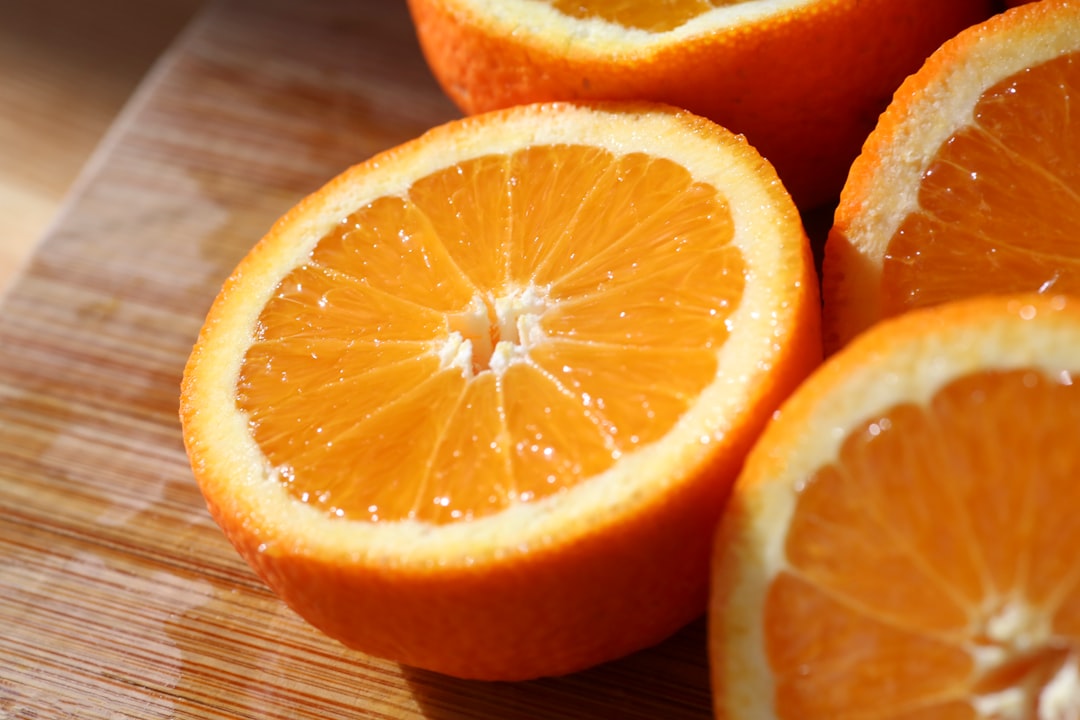
The best approach to obtaining vitamin C is through a varied diet rich in fruits and vegetables. Excellent food sources include citrus fruits, berries, kiwi, bell peppers, broccoli, Brussels sprouts, and leafy greens. These whole food sources provide vitamin C along with other beneficial compounds like flavonoids and fiber.
Supplementation Considerations
While food sources are preferred, supplementation may be beneficial for certain individuals, including those with limited access to fresh produce, smokers (who have higher vitamin C requirements), and people with certain medical conditions that affect nutrient absorption.
When choosing a vitamin C supplement, consider factors like bioavailability, tolerance, and additional compounds that may enhance absorption. Some people may experience digestive upset with large doses of vitamin C, making sustained-release or buffered forms preferable.
Safety and Potential Side Effects
Vitamin C is generally considered safe, with a low risk of toxicity due to its water-soluble nature. Excess amounts are typically excreted through urine. However, very high doses (above 2,000 mg daily) may cause digestive issues, including nausea, diarrhea, and stomach cramps.
Individuals with certain conditions, such as kidney stones or iron overload disorders, should consult healthcare providers before taking high-dose vitamin C supplements.
🌿 Looking for Vitamin C Supplements?
Browse top-rated Vitamin C supplements, independently tested and recommended by our editorial team.
Affiliate disclosure: We may earn a small commission at no extra cost to you.
Frequently Asked Questions
How much vitamin C should I take daily?
The RDA for vitamin C is 65-90 mg for most adults, but many experts suggest 200-1000 mg daily for optimal health benefits. Individual needs may vary based on lifestyle, health status, and environmental factors.
Can I take too much vitamin C?
While vitamin C toxicity is rare, doses above 2,000 mg daily may cause digestive upset. The upper tolerable limit is set at 2,000 mg daily for adults. Most people can safely consume moderate amounts without adverse effects.
Is natural vitamin C better than synthetic?
Chemically, natural and synthetic vitamin C (ascorbic acid) are identical. However, natural sources often contain additional beneficial compounds like bioflavonoids that may enhance absorption and effectiveness.
When is the best time to take vitamin C supplements?
Vitamin C can be taken any time of day, but taking it with meals may help reduce potential digestive upset and enhance absorption when consumed with iron-rich foods.
Do smokers need more vitamin C?
Yes, smokers have increased vitamin C requirements due to higher oxidative stress. The RDA for smokers is 35 mg higher than for non-smokers, and many may benefit from even higher amounts.
The Bottom Line
Scientific research consistently supports vitamin C as an essential nutrient with wide-ranging health benefits. From immune system support to cardiovascular health, this powerful antioxidant plays crucial roles in maintaining optimal wellness. While a balanced diet rich in fruits and vegetables should be your primary source, thoughtful supplementation may provide additional benefits for many individuals.
As research continues to unveil new potential benefits of vitamin C, one thing remains clear: ensuring adequate intake of this vital nutrient is a simple yet powerful step toward supporting your long-term health and well-being.
Medical Disclaimer: This article is for informational purposes only and is not intended as medical advice. Always consult with a qualified healthcare provider before making changes to your supplement regimen or if you have specific health concerns. Individual results may vary, and supplements are not intended to diagnose, treat, cure, or prevent any disease.