
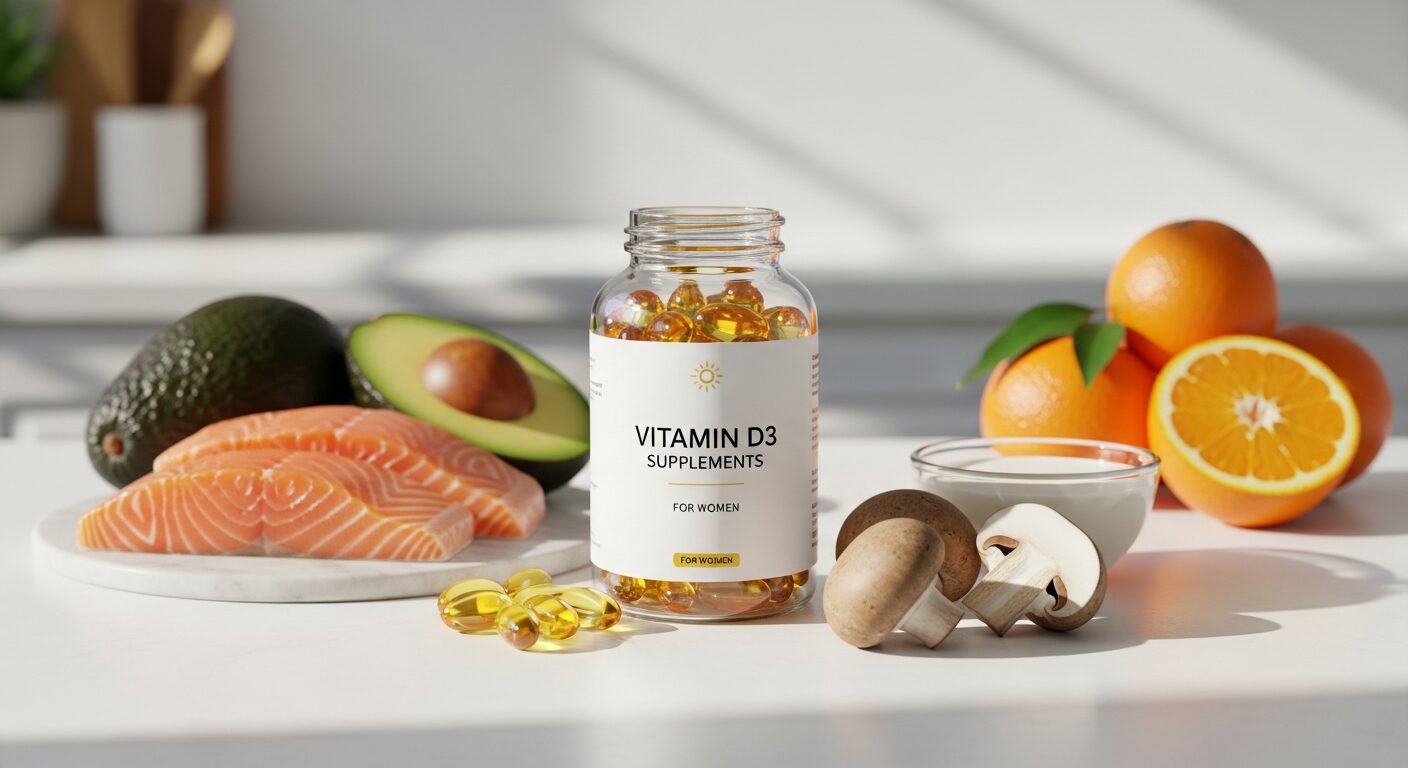
Vitamin D, often called the “sunshine vitamin,” plays a crucial role in women’s health throughout all life stages. While our bodies can produce vitamin D when skin is exposed to sunlight, many women don’t get adequate levels due to limited sun exposure, geographical location, or lifestyle factors. This comprehensive guide explores the specific benefits of vitamin D for women and provides evidence-based dosage recommendations to help optimize your health.
Contents
Understanding Vitamin D and Its Importance for Women
Vitamin D is actually a hormone that functions as a vitamin in the body. It exists in two main forms: vitamin D2 (ergocalciferol) and vitamin D3 (cholecalciferol). Vitamin D3 is considered more effective at raising blood levels of vitamin D and is the preferred supplemental form.
Women face unique challenges when it comes to maintaining adequate vitamin D levels. Factors such as pregnancy, breastfeeding, menopause, and hormonal fluctuations can all impact vitamin D metabolism and requirements. Additionally, women who wear covering clothing for cultural or religious reasons, work indoors, or live in northern climates are at higher risk of deficiency.
How Vitamin D Works in the Body
Once vitamin D enters the body through sun exposure, food, or supplements, it undergoes conversion in the liver and kidneys to become the active hormone calcitriol. This active form then binds to vitamin D receptors found throughout the body, influencing gene expression and cellular function in numerous tissues including bones, muscles, immune cells, and reproductive organs.
Key Benefits of Vitamin D for Women’s Health
Bone Health and Osteoporosis Prevention
Perhaps the most well-established benefit of vitamin D for women is its role in bone health. Vitamin D enhances calcium absorption in the intestines and helps maintain proper calcium and phosphate levels in the blood, which are essential for bone mineralization. This is particularly important for women, who have a higher risk of developing osteoporosis, especially after menopause when estrogen levels decline.
Research shows that adequate vitamin D levels can reduce the risk of fractures and bone loss in postmenopausal women. Women’s Health Initiative Calcium-Vitamin D Trial, 2006 demonstrated that combined calcium and vitamin D supplementation reduced hip fracture risk by 12% in postmenopausal women aged 50-79 years.
Immune System Support
Vitamin D plays a vital role in modulating immune function, helping to regulate both innate and adaptive immune responses. For women, who may experience immune system fluctuations due to hormonal changes during menstrual cycles, pregnancy, and menopause, maintaining adequate vitamin D levels can provide crucial immune support.
Studies suggest that sufficient vitamin D levels may help reduce the risk of respiratory infections, autoimmune diseases, and may even play a role in reducing inflammation throughout the body.
Reproductive Health and Fertility
Emerging research indicates that vitamin D may influence reproductive health in women. Vitamin D receptors are present in reproductive tissues including the ovaries, uterus, and placenta, suggesting important roles in fertility and pregnancy outcomes.
Some studies have found associations between adequate vitamin D levels and improved fertility, better pregnancy outcomes, and reduced risk of complications such as gestational diabetes and preeclampsia. However, more research is needed to fully understand these relationships.
Mood and Mental Health
Many women experience seasonal mood changes, particularly during winter months when sunlight exposure is limited. Vitamin D receptors are found in brain regions involved in mood regulation, and deficiency has been linked to increased risk of depression and seasonal affective disorder.
Systematic Review and Meta-analysis of Vitamin D and Depression, 2013 found significant associations between low vitamin D levels and depression, particularly in women and elderly populations.
Cardiovascular Health
Heart disease is a leading cause of death in women, and vitamin D may play a protective role in cardiovascular health. Research suggests that adequate vitamin D levels may help regulate blood pressure, support healthy endothelial function, and reduce inflammation in blood vessels.
While more research is needed to establish definitive causal relationships, maintaining optimal vitamin D levels appears to be beneficial for overall cardiovascular wellness in women.
Recommended Dosages for Women
General Population Guidelines
The recommended dietary allowance (RDA) for vitamin D varies by age and life stage. For most adult women ages 19-70, the RDA is 600 IU (15 mcg) per day, increasing to 800 IU (20 mcg) per day for women over 70. However, many experts believe these amounts may be insufficient for optimal health.
The Endocrine Society suggests higher intake levels, recommending 1,500-2,000 IU daily for most adults to maintain adequate blood levels. The safe upper limit is set at 4,000 IU daily for adults.
Special Considerations for Different Life Stages
Pregnancy and Breastfeeding: Pregnant and breastfeeding women have increased vitamin D needs. The RDA remains 600 IU daily, but some research suggests higher doses (1,000-2,000 IU daily) may be beneficial for maternal and infant health. Always consult with healthcare providers before adjusting dosage during pregnancy.
Menopause: Postmenopausal women may benefit from higher vitamin D doses (1,000-2,000 IU daily) to support bone health and offset increased fracture risk associated with declining estrogen levels.
Athletes and Active Women: Women engaged in regular intense exercise may have higher vitamin D requirements due to increased needs for bone health, muscle function, and immune support.
Factors Affecting Dosage Needs
Several factors can influence individual vitamin D requirements:
- Geographic location: Women living at higher latitudes need higher doses due to limited UVB exposure
- Skin pigmentation: Darker skin requires more sun exposure to produce adequate vitamin D
- Body weight: Larger body size may require higher doses for optimal blood levels
- Age: Older women often need higher doses due to reduced skin synthesis efficiency
- Medical conditions: Certain conditions like malabsorption disorders may require higher doses
Testing and Monitoring Vitamin D Levels
The most accurate way to determine vitamin D status is through a blood test measuring 25-hydroxyvitamin D [25(OH)D]. Optimal levels for health are generally considered to be 30-50 ng/mL (75-125 nmol/L), though some experts recommend slightly higher ranges.
Global Vitamin D Status and Determinants Study, 2011 revealed that vitamin D deficiency affects approximately 1 billion people worldwide, with women being disproportionately affected in many populations.
Testing is particularly recommended for women with risk factors for deficiency, including limited sun exposure, dark skin, pregnancy, menopause, or symptoms potentially related to deficiency such as bone pain, muscle weakness, or frequent infections.
Safety Considerations and Side Effects
Vitamin D is generally safe when taken within recommended dosages. However, excessive intake can lead to vitamin D toxicity, causing symptoms such as nausea, vomiting, weakness, and kidney problems. This typically occurs only with very high doses (>10,000 IU daily) taken over extended periods.
Women should be aware of potential interactions with medications such as thiazide diuretics, steroids, and weight-loss drugs. Always consult healthcare providers before starting supplementation, especially if taking medications or managing health conditions.
🌿 Looking for Vitamin D Supplements?
Browse top-rated Vitamin D supplements, independently tested and recommended by our editorial team.
Affiliate disclosure: We may earn a small commission at no extra cost to you.
Frequently Asked Questions
Can I get enough vitamin D from food alone?
Very few foods naturally contain vitamin D in significant amounts. Fatty fish, egg yolks, and fortified foods provide some vitamin D, but it’s difficult to meet daily needs through diet alone. Most women require a combination of sensible sun exposure and supplementation to maintain optimal levels.
What’s the best time to take vitamin D supplements?
Vitamin D is fat-soluble, so it’s best absorbed when taken with a meal containing some fat. Many people prefer taking it with breakfast or lunch rather than dinner, as some individuals report that evening doses may interfere with sleep quality.
How long does it take to see benefits from vitamin D supplementation?
Blood levels typically begin to rise within a few weeks of consistent supplementation, but it may take 2-3 months to reach optimal levels. Some benefits like improved mood may be noticed within weeks, while bone health benefits develop over months to years.
Is vitamin D2 or D3 better for women?
Vitamin D3 (cholecalciferol) is generally preferred over D2 (ergocalciferol) because it’s more effective at raising and maintaining blood levels of vitamin D. D3 is also the form naturally produced by human skin when exposed to sunlight.
Can vitamin D help with PMS or menstrual issues?
Some research suggests that adequate vitamin D levels may help reduce PMS symptoms and support menstrual health, though more studies are needed. The anti-inflammatory and mood-supporting effects of vitamin D may contribute to improved menstrual wellness in some women.
Medical Disclaimer
This article is for informational purposes only and does not constitute medical advice. The information provided should not be used to diagnose, treat, cure, or prevent any disease or medical condition. Individual vitamin D needs can vary significantly based on personal health factors, medications, and medical history. Always consult with qualified healthcare professionals before starting any supplementation regimen, especially if you are pregnant, breastfeeding, taking medications, or have existing health conditions. Regular monitoring through blood tests is recommended to ensure appropriate dosing and avoid potential toxicity.