
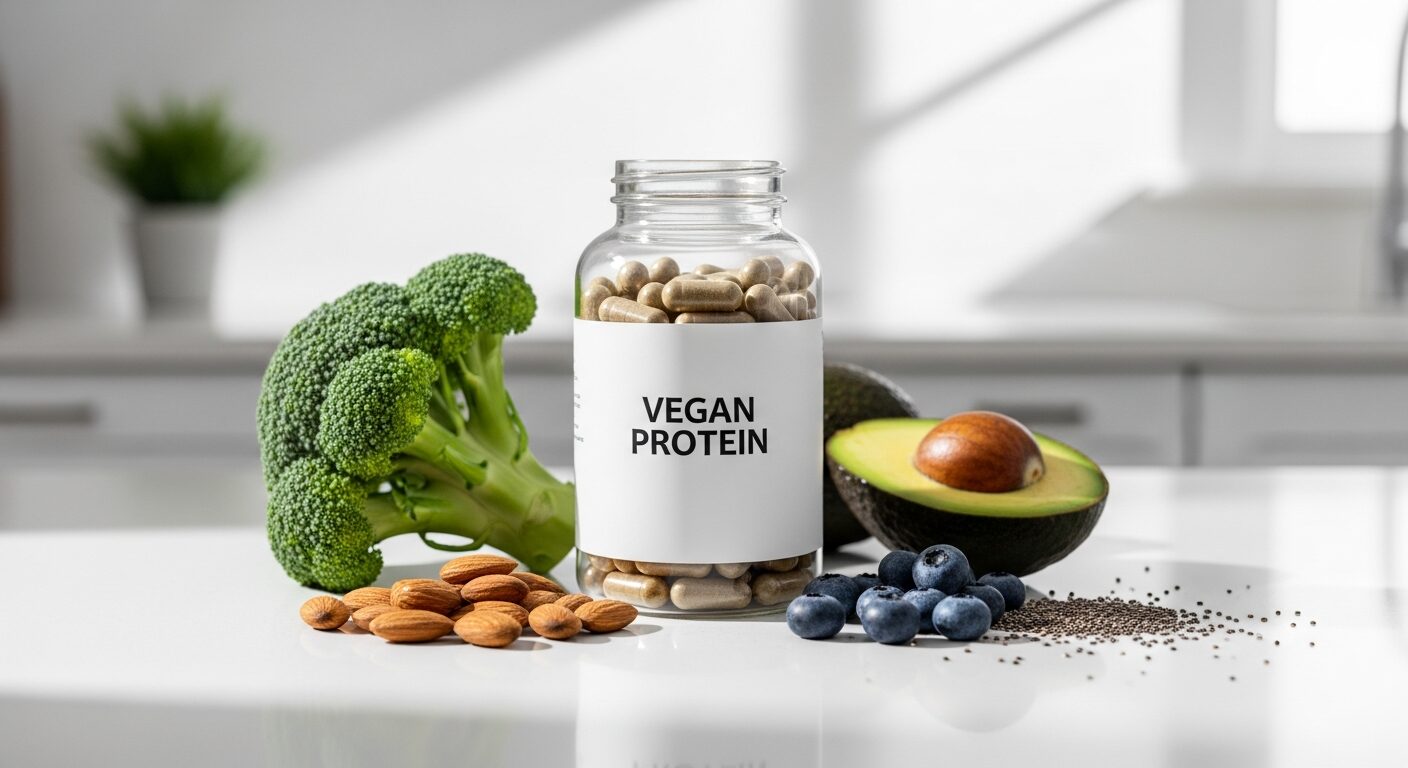
Plant-based nutrition has revolutionized the supplement industry, with vegan protein powders emerging as a powerhouse option for athletes, fitness enthusiasts, and health-conscious individuals alike. Unlike traditional whey or casein proteins derived from dairy, vegan protein powders harness the nutritional power of plants to deliver complete amino acid profiles without the environmental footprint or potential digestive issues associated with animal-based alternatives.
The science behind vegan protein powders has evolved dramatically over the past decade. Modern formulations combine multiple plant sources like pea, hemp, rice, and quinoa proteins to create complete amino acid profiles that rival their dairy counterparts. This strategic blending addresses the historical limitation of plant proteins having incomplete amino acid profiles, making today’s vegan protein powders suitable for serious muscle building, recovery, and overall health optimization.
Whether you’re a committed vegan, lactose intolerant, or simply seeking cleaner protein sources, understanding the nuances of vegan protein powders can transform your supplementation strategy and health outcomes.
🌿 Looking for Protein supplements? Shop Amazon →
Contents
What is Protein
Protein represents one of the three essential macronutrients alongside carbohydrates and fats, serving as the fundamental building blocks of life. Composed of amino acids linked together in complex chains, proteins perform countless vital functions throughout the human body, from constructing and repairing tissues to facilitating enzymatic reactions and supporting immune function.
The human body requires 20 different amino acids to function optimally, nine of which are considered “essential” because our bodies cannot produce them naturally. These essential amino acids must be obtained through dietary sources, making protein consumption a non-negotiable aspect of human nutrition. Complete proteins contain all nine essential amino acids in adequate proportions, while incomplete proteins lack one or more essential amino acids.
Vegan protein powders typically derive from sources like peas, hemp seeds, brown rice, quinoa, and various other plant materials. Through advanced processing techniques, manufacturers concentrate these plant proteins while preserving their nutritional integrity. Many modern vegan protein formulations strategically combine multiple plant sources to achieve complete amino acid profiles that support optimal protein synthesis and biological functions.
Key Benefits of Protein
Scientific research consistently demonstrates protein’s critical role in muscle protein synthesis, the biological process responsible for building and maintaining lean muscle mass. Plant Proteins and Exercise, 2017 shows that plant-based proteins can effectively stimulate muscle protein synthesis when consumed in adequate amounts, challenging previous assumptions about plant protein inferiority.
Beyond muscle building, protein supplementation supports metabolic health by increasing thermogenesis and promoting satiety. The thermic effect of protein requires approximately 20-30% more energy to digest compared to carbohydrates or fats, effectively boosting metabolic rate and supporting weight management goals. This metabolic advantage makes protein supplementation particularly valuable for individuals seeking body composition improvements.
Protein also plays crucial roles in immune system function, hormone production, and cellular repair mechanisms. Adequate protein intake supports the production of antibodies, enzymes, and various signaling molecules that coordinate physiological processes. For active individuals, protein becomes even more critical as exercise creates additional demands for tissue repair and adaptation.
Vegan protein powders offer additional benefits including improved digestibility for lactose-sensitive individuals, reduced inflammatory markers compared to some animal proteins, and enhanced fiber content that supports digestive health and microbiome diversity.
What Most People Get Wrong About Protein
One of the most persistent misconceptions surrounding protein involves the belief that plant proteins are inherently inferior to animal proteins. This outdated notion stems from early research that failed to account for protein combining strategies and modern processing techniques. Contemporary vegan protein powders utilize strategic amino acid profiling and multi-source blending to create complete protein profiles that match or exceed the biological value of traditional whey proteins.
Another widespread myth suggests that more protein always equals better results. Research indicates that protein synthesis reaches a saturation point, typically around 20-40 grams per serving depending on individual factors. Consuming excessive amounts doesn’t necessarily translate to enhanced muscle building or improved health outcomes. The body’s protein utilization follows a dose-response curve that plateaus, making timing and quality more important than sheer quantity.
Many people incorrectly assume that protein powder timing is critical for maximizing benefits, leading to the infamous “anabolic window” obsession. While post-workout protein consumption can support recovery, the supposed 30-minute window for optimal protein synthesis has been largely debunked. Total daily protein intake and consistency matter far more than precise timing protocols for most individuals.
The final major misconception involves protein’s role in kidney health. Healthy individuals with normal kidney function can safely consume higher protein intakes without adverse effects. The persistent belief that protein damages kidneys likely stems from observations in individuals with pre-existing kidney disease, where protein restriction may be therapeutically beneficial. For healthy populations, adequate hydration and balanced nutrition support safe protein supplementation.
What Happens to Your Body After 30 Days of Taking Protein
During the first week of consistent vegan protein supplementation, your body begins optimizing protein synthesis pathways and adjusting to improved amino acid availability. Many individuals notice enhanced post-workout recovery, reduced muscle soreness, and improved energy levels as their body accesses readily available amino acids for repair and regeneration processes. Digestive adaptation also occurs during this initial period, particularly for those transitioning from whey or other dairy-based proteins.
Week two typically brings more noticeable changes in body composition and performance metrics. Protein Supplementation and Muscle Mass, 2019 demonstrates measurable improvements in muscle protein synthesis markers within 10-14 days of consistent supplementation. Users often report improved workout performance, enhanced muscle pump during resistance training, and better maintenance of muscle mass during caloric restriction phases.
By weeks three and four, the cumulative effects of consistent protein supplementation become most apparent. Lean muscle mass improvements become visible and measurable, particularly when combined with appropriate resistance training protocols. Metabolic benefits manifest as improved satiety control, better blood sugar regulation, and enhanced thermic effect contributing to favorable body composition changes. Sleep quality often improves due to protein’s role in neurotransmitter production and muscle recovery processes.
The 30-day mark represents a turning point where protein supplementation transitions from acute benefits to established physiological adaptations. Enzyme production optimizes for enhanced protein utilization, muscle fiber adaptations support improved strength and endurance, and systemic benefits including immune function and hormonal balance reach steady-state improvements.
Who Should NOT Take Protein
Individuals with severe kidney disease or chronic kidney dysfunction should exercise extreme caution with protein supplementation and require medical supervision before increasing protein intake. Advanced kidney disease impairs the body’s ability to process protein waste products, potentially leading to dangerous accumulation of nitrogenous compounds. Anyone with diagnosed kidney conditions must consult their healthcare provider before beginning any protein supplementation regimen.
People with specific food allergies must carefully evaluate vegan protein ingredients to avoid allergenic sources. Common allergens in plant-based proteins include soy, tree nuts, and certain grains. Cross-contamination during manufacturing can introduce additional allergens, making thorough label reading and manufacturer communication essential for allergic individuals.
Pregnant and breastfeeding women should approach protein supplementation conservatively, focusing primarily on whole food sources unless specifically recommended by their healthcare provider. While protein needs increase during pregnancy and lactation, the safety profiles of various protein powder additives, sweeteners, and processing agents haven’t been thoroughly established for these populations.
Individuals taking certain medications may experience interactions with protein supplements, particularly those affecting blood sugar regulation or blood pressure. Protein-Drug Interactions, 2020 highlights potential interactions between high-protein diets and various pharmaceutical compounds. Anyone on prescription medications should consult their healthcare provider before adding protein supplements to their regimen.
Children under 18 should generally meet protein needs through whole food sources unless specifically recommended by a pediatrician or registered dietitian. Growing bodies have different nutritional requirements and sensitivities that may not align with adult-formulated protein supplements.
Dosage and Best Forms
Optimal vegan protein powder dosing depends on individual factors including body weight, activity level, training goals, and overall dietary protein intake. General recommendations suggest 0.8-1.2 grams of protein per kilogram of body weight for sedentary individuals, increasing to 1.6-2.2 grams per kilogram for active individuals engaged in regular resistance training or endurance activities.
For supplementation purposes, 20-30 grams per serving typically provides optimal muscle protein synthesis stimulation without overwhelming the body’s processing capacity. This translates to one standard scoop of most commercial vegan protein powders. Dividing total daily protein intake across multiple meals and snacks, including one protein powder serving, supports consistent amino acid availability throughout the day.
The most effective vegan protein powders combine multiple plant sources to create complete amino acid profiles. Pea protein provides excellent leucine content for muscle protein synthesis, while rice protein contributes complementary amino acids. Hemp protein adds beneficial omega fatty acids and fiber, while quinoa protein offers naturally complete amino acid profiles.
Powder forms generally provide superior convenience and bioavailability compared to whole plant proteins alone. The processing techniques used in quality vegan protein powders enhance digestibility and amino acid absorption while concentrating protein content. Ready-to-drink options offer convenience but often contain additional preservatives and may have altered nutritional profiles compared to powder forms mixed fresh.
🌿 Looking for Protein Supplements?
Browse top-rated Protein supplements, independently tested and recommended by our editorial team.
Affiliate disclosure: We may earn a small commission at no extra cost to you.
Frequently Asked Questions
Can vegan protein powder build muscle as effectively as whey protein?
Yes, research demonstrates that properly formulated vegan protein powders with complete amino acid profiles can support muscle building equally effectively as whey protein when consumed in adequate amounts. The key lies in choosing high-quality blends that provide all essential amino acids and consuming sufficient total daily protein.
How much vegan protein powder should I take daily?
Most individuals benefit from 20-30 grams of vegan protein powder per day, typically consumed as one serving. This should complement whole food protein sources rather than replace them entirely. Active individuals may require additional servings based on their training demands and total daily protein targets.
Are there any side effects from vegan protein powder?
Most people tolerate vegan protein powders well, though some may experience initial digestive adjustment including mild bloating or gas as the gut microbiome adapts. These effects typically resolve within 1-2 weeks of consistent use. Choosing high-quality products with minimal additives reduces the likelihood of adverse reactions.
When is the best time to take vegan protein powder?
While post-workout consumption can support recovery, total daily protein intake matters more than precise timing. Many people find success consuming protein powder as a meal replacement, snack, or within a few hours of training. Consistency in daily consumption proves more important than specific timing protocols.
Can I mix vegan protein powder with other supplements?
Vegan protein powder generally mixes well with other supplements including creatine, vitamins, and greens powders. However, avoid taking with calcium or iron supplements simultaneously as these minerals can interfere with protein absorption. Space these supplements by 1-2 hours for optimal absorption of all nutrients.
Medical Disclaimer
The information provided in this article is for educational and informational purposes only and is not intended as medical advice. Always consult with a qualified healthcare professional before starting any new supplement regimen, especially if you have pre-existing medical conditions, are taking medications, or are pregnant or breastfeeding. Individual results may vary, and this information should not be used to diagnose, treat, cure, or prevent any disease. The statements in this article have not been evaluated by the Food and Drug Administration.