
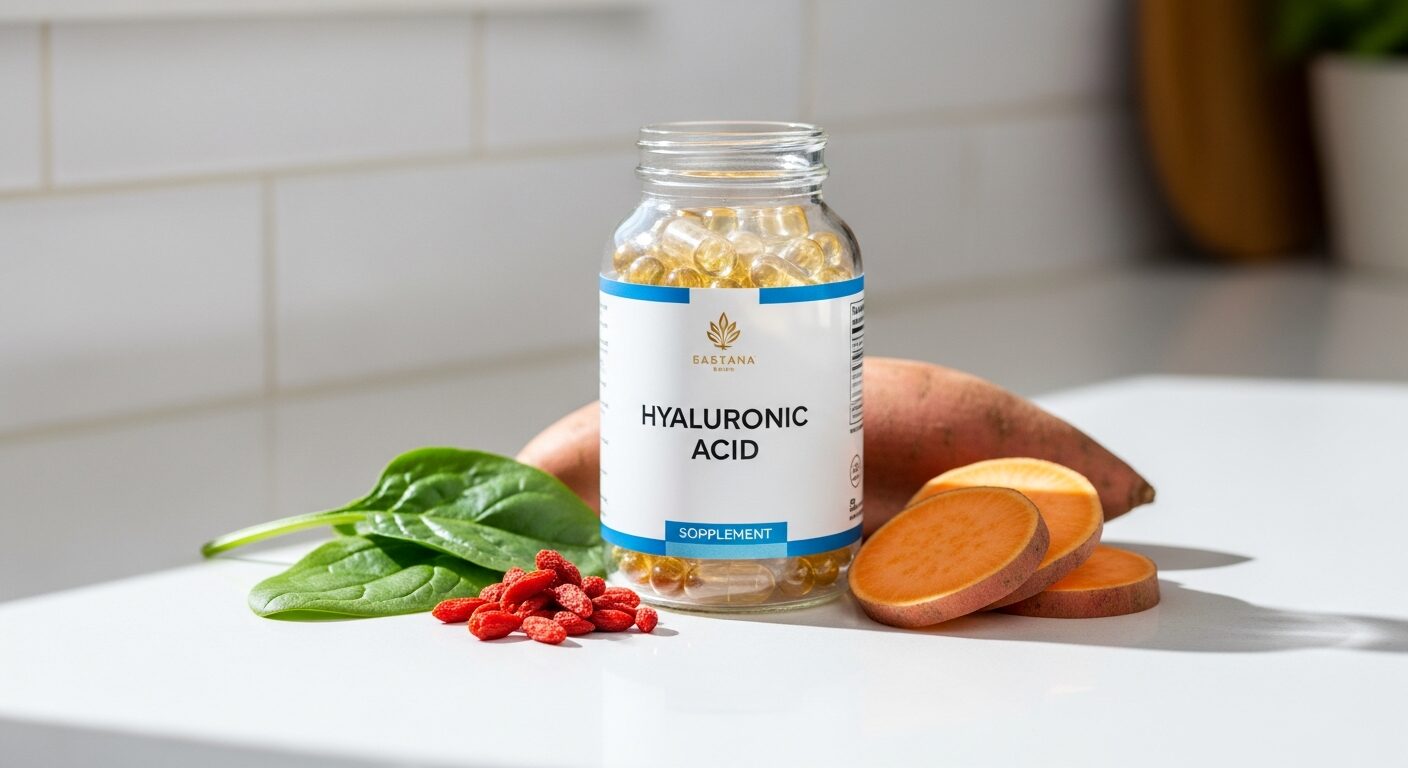
In the world of skincare and anti-aging supplements, few compounds have garnered as much attention as hyaluronic acid. This naturally occurring substance has become a cornerstone ingredient in premium skincare products and dietary supplements, promising plumper, more hydrated skin and reduced signs of aging. But beyond the marketing hype lies a fascinating molecule with genuine scientific backing for its role in skin health and overall wellness.
While hyaluronic acid has been used in medical applications for decades, its emergence as a mainstream supplement has led to both groundbreaking research and widespread misconceptions. Many people believe they understand how this molecule works, yet surprising scientific discoveries continue to reshape our understanding of its mechanisms and optimal usage. From its unique ability to hold up to 1,000 times its weight in water to its complex role in cellular regeneration, hyaluronic acid offers benefits that extend far beyond simple moisturization.
This evidence-based guide cuts through the noise to deliver the science-backed truth about hyaluronic acid supplementation. We’ll explore what happens in your body during the first 30 days of supplementation, debunk common myths that even skincare professionals often get wrong, and provide clear guidance on who should—and shouldn’t—consider adding this supplement to their routine.
🌿 Looking for Hyaluronic Acid supplements? Shop Amazon →
Contents
What is Hyaluronic Acid
Hyaluronic acid (HA) is a naturally occurring glycosaminoglycan—a type of molecule composed of repeating units of sugar—found throughout the human body. Despite its name, it’s not actually an acid in the traditional sense, but rather a large, complex carbohydrate molecule that plays crucial roles in maintaining tissue hydration, lubrication, and structural integrity.
The human body naturally produces hyaluronic acid, with the highest concentrations found in the skin, eyes, and joint fluid. In healthy skin, HA helps maintain the extracellular matrix, the network of proteins and molecules that provide structural support to cells. It’s particularly abundant in the dermis, the deep layer of skin responsible for elasticity and firmness.
What makes hyaluronic acid remarkable is its molecular structure. Each HA molecule can bind and hold up to 1,000 times its weight in water, making it one of nature’s most effective hydrating agents. This exceptional water-binding capacity occurs because of the molecule’s long chain structure and the presence of hydroxyl groups that attract and trap water molecules.
However, natural HA production begins to decline as early as our mid-20s, with levels dropping by approximately 50% by age 50. This decline contributes to many visible signs of aging, including decreased skin hydration, loss of volume, and the formation of fine lines and wrinkles. Environmental factors such as UV exposure, pollution, and smoking can accelerate this natural decline.
Key Benefits of Hyaluronic Acid
Scientific research has identified several evidence-based benefits of hyaluronic acid supplementation, particularly for skin health and joint function. The most well-documented benefit is improved skin hydration and elasticity. Clinical studies have shown that oral hyaluronic acid supplementation can significantly increase skin moisture content and reduce the appearance of wrinkles within 12 weeks of consistent use.
Joint health represents another major area where HA supplementation shows promise. The molecule serves as a key component of synovial fluid, the lubricant that allows joints to move smoothly. Research indicates that HA supplementation may help reduce joint stiffness and improve mobility, particularly in individuals with mild to moderate joint discomfort.
Wound healing acceleration is another scientifically supported benefit. Hyaluronic acid plays a crucial role in the inflammatory response and tissue repair processes. It helps regulate inflammation, promotes cell migration, and supports the formation of new blood vessels—all essential components of proper wound healing.
Eye health benefits have also been documented, as HA is naturally present in the vitreous humor of the eye. Supplementation may help maintain eye moisture and comfort, though more research is needed to fully understand these effects. Additionally, some studies suggest HA may support bone health by promoting osteoblast activity, the cells responsible for bone formation.
What Most People Get Wrong About Hyaluronic Acid
Despite its popularity, several persistent myths surround hyaluronic acid supplementation that can lead to unrealistic expectations and suboptimal results. Understanding these misconceptions is crucial for anyone considering HA supplementation.
Myth 1: All Hyaluronic Acid Supplements Are the Same
Many consumers assume that hyaluronic acid is hyaluronic acid, regardless of the source or molecular weight. This couldn’t be further from the truth. Research shows that molecular weight significantly impacts absorption and bioavailability. Low molecular weight HA (under 50 kDa) penetrates tissues more effectively than high molecular weight variants, but both serve different purposes in the body. High molecular weight HA provides better hydration and anti-inflammatory effects, while low molecular weight HA stimulates cellular activity and collagen production.
Myth 2: Topical Application Is More Effective Than Oral Supplementation
While topical HA products provide surface-level hydration, they cannot penetrate deeply enough to reach the dermis where the most significant benefits occur. Studies comparing oral versus topical HA application have consistently shown that oral supplementation produces more significant improvements in skin hydration, elasticity, and wrinkle reduction. The digestive system breaks down orally consumed HA into smaller fragments that can be absorbed and utilized throughout the body.
Myth 3: Higher Doses Always Mean Better Results
The relationship between HA dosage and benefits is not linear. Research indicates that there’s an optimal dosage range beyond which additional benefits plateau. Most clinical studies showing positive results use doses between 120-240mg daily. Megadoses don’t necessarily translate to enhanced benefits and may even interfere with the body’s natural HA production mechanisms.
Myth 4: Hyaluronic Acid Works Immediately
Perhaps the most damaging misconception is that HA supplementation provides instant results. The reality is that meaningful changes in skin hydration and appearance require consistent supplementation for several weeks. The body needs time to incorporate the supplemental HA into existing tissue structures and for cellular turnover to reflect the improvements.
What Happens to Your Body After 30 Days of Taking Hyaluronic Acid
Understanding the timeline of HA supplementation helps set realistic expectations and encourages consistent use during the initial period when benefits may not yet be visible.
Week 1: Foundational Changes
During the first week of supplementation, the body begins absorbing and distributing hyaluronic acid fragments throughout various tissues. While visible changes are minimal, important foundational processes begin. The digestive system adapts to processing the supplement, and circulating HA metabolites start reaching target tissues. Some individuals with very dry skin may notice slightly improved hydration, though this is often subtle.
Week 2: Early Indicators
By the second week, more noticeable changes typically emerge. Skin may feel more supple and appear slightly more plump, particularly in areas prone to dryness. Joint comfort may begin to improve for those taking HA primarily for mobility support. Sleep quality sometimes improves as skin becomes more comfortable and less prone to irritation from bedding.
Weeks 3-4: Significant Benefits Emerge
The third and fourth weeks represent the period when most users experience the full benefits of HA supplementation. Clinical research demonstrates that significant improvements in skin moisture content, elasticity, and wrinkle depth typically become apparent around the 4-week mark. Fine lines may appear less pronounced, skin texture often improves, and overall radiance increases. Joint mobility improvements, if applicable, usually reach their peak during this period.
It’s important to note that individual responses vary based on factors including age, baseline HA levels, overall health status, and lifestyle factors. Younger individuals may see results more quickly, while those over 50 may require 6-8 weeks to experience optimal benefits.
Who Should NOT Take Hyaluronic Acid
While hyaluronic acid is generally considered safe for most adults, certain populations should exercise caution or avoid supplementation entirely.
Individuals with active cancer or a history of cancer should consult their oncologist before starting HA supplementation. Some research suggests that hyaluronic acid may promote angiogenesis (blood vessel formation), which could theoretically support tumor growth, though this relationship remains unclear in human studies.
People with autoimmune conditions should approach HA supplementation cautiously, as it may modulate immune system activity. Those taking immunosuppressive medications should discuss potential interactions with their healthcare provider, as HA might theoretically interfere with intended immune suppression.
Pregnant and breastfeeding women should avoid HA supplementation due to insufficient safety data in these populations. While HA is naturally present in the body, the effects of supplemental doses during pregnancy and lactation haven’t been adequately studied.
Individuals scheduled for surgery should discontinue HA supplementation at least two weeks prior to the procedure, as it may affect wound healing and bleeding. Those with bleeding disorders or taking anticoagulant medications should consult their physician before starting supplementation.
People with severe kidney or liver disease should avoid HA supplementation, as these organs play crucial roles in processing and eliminating HA metabolites. Additionally, individuals with known allergies to bacterial fermentation products should use caution, as most commercial HA is produced through bacterial fermentation.
Dosage and Best Forms
Clinical research supports a daily dosage range of 120-240mg for skin health benefits, with 200mg representing the most commonly studied and effective dose. This amount should be divided into two doses taken with meals to optimize absorption and minimize potential gastrointestinal discomfort.
The source and molecular weight of HA significantly impact effectiveness. Look for supplements containing low molecular weight hyaluronic acid (under 50 kDa) for better absorption, or combination products that include both low and high molecular weight forms. Sodium hyaluronate, the salt form of hyaluronic acid, offers superior stability and bioavailability compared to pure hyaluronic acid.
Production method matters as well. Bacterial fermentation-derived HA is preferred over animal-sourced versions due to purity and reduced risk of contamination. Quality supplements should specify the molecular weight, provide third-party testing certificates, and be manufactured in GMP-certified facilities.
For optimal results, consistency is crucial. Take HA supplements at the same time daily, preferably with meals containing healthy fats to enhance absorption. Avoid taking HA with high-calcium foods or calcium supplements, as calcium can interfere with absorption.
🌿 Looking for Hyaluronic Acid Supplements?
Browse top-rated Hyaluronic Acid supplements, independently tested and recommended by our editorial team.
Shop Hyaluronic Acid on Amazon →
Affiliate disclosure: We may earn a small commission at no extra cost to you.
Frequently Asked Questions
Can I take hyaluronic acid with other supplements?
Yes, HA generally combines well with other supplements and may even enhance their effectiveness. Vitamin C supports HA synthesis in the body, while collagen peptides work synergistically with HA for skin health. However, avoid taking HA simultaneously with calcium supplements, as calcium can reduce absorption.
How long should I take hyaluronic acid supplements?
Long-term supplementation appears safe for most individuals, with studies showing sustained benefits with continuous use for up to one year. However, some experts recommend cycling supplementation—taking HA for 3-4 months followed by a 1-month break—to prevent the body from reducing natural HA production.
Will hyaluronic acid help with acne or oily skin?
HA can actually benefit acne-prone skin by providing lightweight hydration without clogging pores. Well-hydrated skin often produces less excess oil, and HA’s anti-inflammatory properties may help reduce acne-related inflammation. However, it’s not a primary acne treatment.
Can men benefit from hyaluronic acid supplementation?
Absolutely. Men experience the same age-related decline in natural HA production and can achieve similar benefits in skin hydration, joint health, and overall tissue function. The benefits are not gender-specific, though men may see results slightly more quickly due to typically higher metabolic rates.
What’s the difference between injectable and oral hyaluronic acid?
Injectable HA provides immediate, localized effects by directly placing the molecule where it’s needed, commonly used in dermal fillers and joint injections. Oral supplementation provides systemic benefits throughout the body but takes longer to show results. They serve different purposes and can be complementary rather than competing approaches.
Medical Disclaimer
This article is for informational purposes only and does not constitute medical advice. The information presented here should not replace professional medical consultation, diagnosis, or treatment. Always consult with a qualified healthcare provider before starting any new supplement regimen, especially if you have pre-existing medical conditions, take medications, or are pregnant or breastfeeding. Individual results may vary, and the statements made regarding hyaluronic acid supplementation have not been evaluated by the Food and Drug Administration. This product is not intended to diagnose, treat, cure, or prevent any disease.