
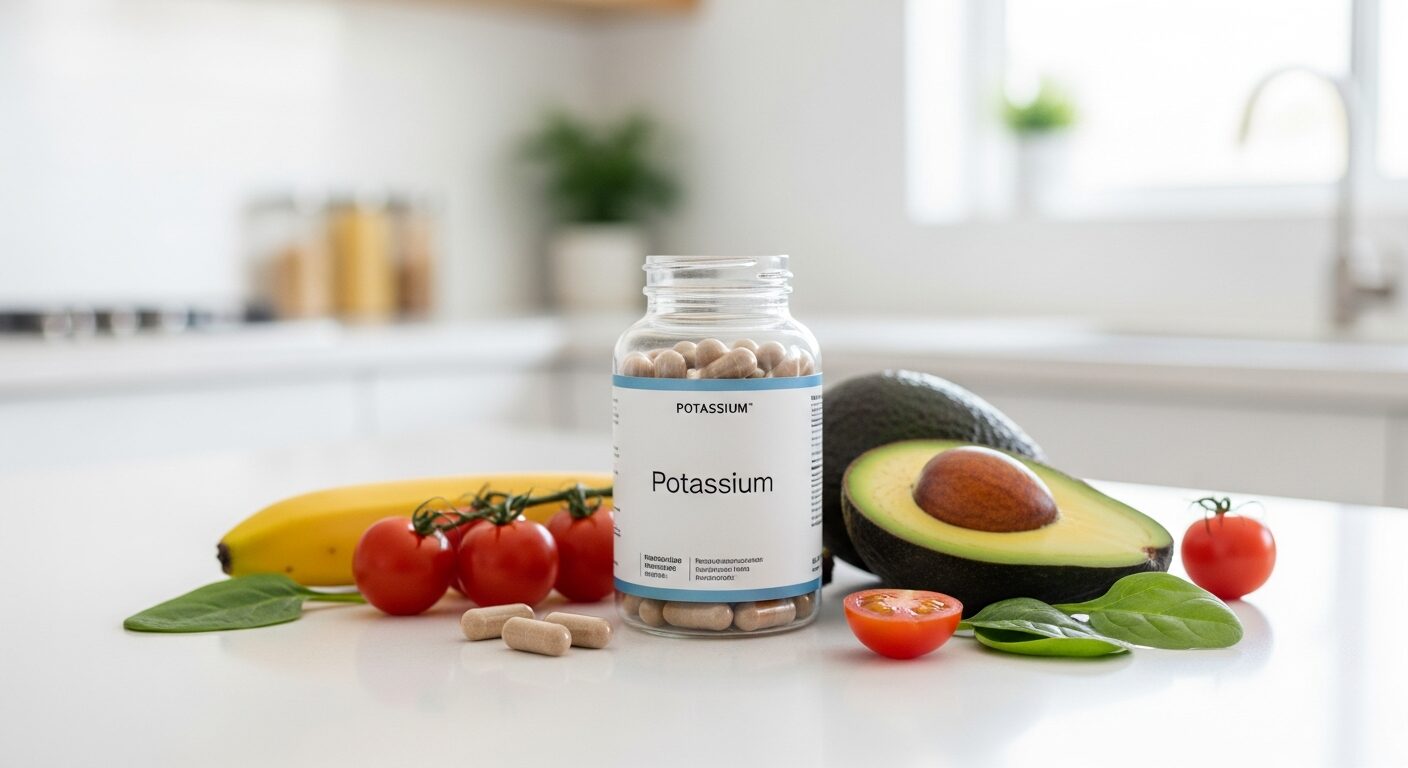
Your heart beats approximately 100,000 times per day, pumping life-sustaining blood through over 60,000 miles of blood vessels. This remarkable muscle depends on a delicate balance of minerals to maintain its rhythm, and none is more crucial than potassium. Despite being the third most abundant mineral in the human body, potassium deficiency affects nearly 98% of Americans, creating a silent epidemic that may be contributing to the rising rates of cardiovascular disease.
Recent scientific research has revealed that potassium plays a far more complex role in heart health than previously understood. Beyond its well-known function in blood pressure regulation, this essential mineral influences everything from heart rhythm stability to arterial flexibility. As we dive into the latest findings, you’ll discover why optimizing your potassium intake might be one of the most important steps you can take for long-term cardiovascular health.
The relationship between potassium and heart health extends beyond simple supplementation. Understanding how this mineral works at the cellular level, its intricate interactions with sodium, and the timeline of its effects on your cardiovascular system can help you make informed decisions about your heart health strategy.
Contents
- 1 What is Potassium
- 2 Key Benefits of Potassium
- 3 What Most People Get Wrong About Potassium
- 4 What Happens to Your Body After 30 Days of Taking Potassium
- 5 Who Should NOT Take Potassium
- 6 Dosage and Best Forms
- 7 Frequently Asked Questions
- 7.1 Can I take potassium supplements with my blood pressure medication?
- 7.2 How long does it take to see results from potassium supplementation?
- 7.3 Is it better to get potassium from food or supplements?
- 7.4 What are the symptoms of taking too much potassium?
- 7.5 Should I have my potassium levels tested before starting supplements?
- 8 Medical Disclaimer
What is Potassium
Potassium is an essential electrolyte and the third most abundant mineral in the human body, with approximately 98% stored inside cells. As a positively charged ion (K+), potassium works in constant partnership with sodium to maintain cellular function, fluid balance, and electrical activity throughout the body. This mineral is particularly concentrated in muscle tissue, including the heart, where it plays a critical role in maintaining proper electrical conductivity.
The body cannot produce potassium on its own, making dietary intake or supplementation absolutely essential. Unlike many other minerals, potassium is readily absorbed in the small intestine, with absorption rates typically exceeding 90%. However, the body maintains tight control over potassium levels through sophisticated regulatory mechanisms involving the kidneys, which can adjust excretion rates based on intake and physiological needs.
Potassium exists in various forms, including potassium chloride, potassium citrate, and potassium gluconate, each with different absorption characteristics and therapeutic applications. The mineral’s primary functions include maintaining cellular membrane potential, facilitating nerve signal transmission, enabling muscle contractions, and regulating blood pressure through its interaction with the renin-angiotensin-aldosterone system.
Key Benefits of Potassium
Scientific research has consistently demonstrated potassium’s profound impact on cardiovascular health through multiple mechanisms. The most well-established benefit is blood pressure reduction, with Aburto et al., 2013 meta-analysis showing that increased potassium intake significantly lowers both systolic and diastolic blood pressure in adults. This effect is particularly pronounced in individuals with hypertension, where adequate potassium intake can reduce systolic blood pressure by 3-11 mmHg.
Beyond blood pressure regulation, potassium plays a crucial role in maintaining normal heart rhythm. The mineral helps stabilize the electrical activity of cardiac cells by maintaining proper membrane potential and facilitating the orderly depolarization and repolarization cycles that create each heartbeat. This stabilizing effect reduces the risk of arrhythmias and sudden cardiac events, particularly in individuals with existing heart conditions.
Potassium also supports vascular health by promoting endothelial function and arterial flexibility. Research indicates that adequate potassium intake helps reduce arterial stiffness, a key marker of cardiovascular aging and disease risk. The mineral achieves this by supporting nitric oxide production, reducing oxidative stress in blood vessel walls, and maintaining proper calcium balance in vascular smooth muscle cells.
Additional cardiovascular benefits include reduced risk of stroke, improved kidney function, and protection against the formation of kidney stones. Potassium helps counteract the negative effects of excessive sodium intake, supports healthy cholesterol levels, and may reduce inflammatory markers associated with cardiovascular disease. These combined effects create a comprehensive protective profile that addresses multiple pathways leading to heart disease.
What Most People Get Wrong About Potassium
One of the most persistent myths about potassium is that bananas are the ultimate source of this essential mineral. While bananas do contain potassium (about 422mg per medium banana), they’re far from the richest source available. A single medium potato with skin contains nearly twice as much potassium (926mg), and foods like white beans, spinach, and avocados significantly outperform bananas in potassium density. This misconception leads many people to believe they’re getting adequate potassium when they’re actually falling far short of optimal intake levels.
Another dangerous misconception is that potassium supplements are inherently unsafe for everyone. This belief stems from legitimate concerns about hyperkalemia in certain populations, but it has created unnecessary fear in healthy individuals who could benefit from supplementation. The truth is that potassium supplements are generally safe for people with normal kidney function, and the FDA’s 99mg limit per capsule actually makes it nearly impossible to reach dangerous levels through over-the-counter supplements. The real risk comes from prescription potassium or underlying medical conditions, not standard dietary supplements.
Many people also wrongly assume that if they don’t add salt to their food, they’re maintaining a proper sodium-potassium balance. However, the modern diet is so heavily skewed toward processed foods high in sodium and low in potassium that avoiding table salt barely makes a dent in the imbalance. The ideal sodium-to-potassium ratio should be approximately 1:2, but the average American consumes a ratio closer to 2:1 in the opposite direction. This fundamental misunderstanding prevents people from addressing the root cause of electrolyte imbalance.
Perhaps the most harmful myth is that you can feel potassium deficiency when it occurs. Unlike acute vitamin deficiencies that produce obvious symptoms, mild to moderate potassium deficiency operates silently for years, gradually contributing to hypertension, arterial stiffness, and increased cardiovascular risk. By the time symptoms like muscle weakness or heart palpitations appear, the deficiency has already progressed to a more serious stage. This silent nature of potassium deficiency means that millions of people are walking around with suboptimal levels without knowing it, missing the opportunity for early intervention through dietary changes or appropriate supplementation.
What Happens to Your Body After 30 Days of Taking Potassium
During the first week of increasing potassium intake, your body begins the complex process of rebalancing electrolyte concentrations at the cellular level. Initial changes occur in kidney function, as these organs start adjusting their sodium and potassium handling mechanisms. Some individuals may notice subtle improvements in energy levels and reduced muscle cramping, particularly if they were significantly deficient. The renin-angiotensin-aldosterone system begins responding to improved potassium status, though blood pressure changes are typically minimal during this early phase.
By the second week, more noticeable physiological changes emerge as cellular potassium levels stabilize. Blood pressure measurements often begin showing modest improvements, particularly in individuals with existing hypertension. The heart’s electrical conduction system starts benefiting from improved potassium availability, potentially leading to more stable heart rhythms and reduced palpitations in susceptible individuals. Kidney function may show early signs of improvement, with better fluid balance and reduced strain on these vital organs.
Weeks three and four represent the period when potassium’s full cardiovascular benefits typically become apparent. Filippini et al., 2017 research demonstrates that consistent potassium supplementation over this timeframe can produce meaningful reductions in both systolic and diastolic blood pressure. Arterial flexibility may improve, reflected in better pulse wave velocity measurements and reduced arterial stiffness. Many individuals report improved exercise tolerance and recovery, likely due to better cellular energy production and reduced oxidative stress.
The most significant long-term adaptations occur in the cardiovascular system’s overall efficiency. Heart rate variability often improves, indicating better autonomic nervous system balance and stress resilience. Endothelial function enhancement becomes measurable through improved flow-mediated dilation, suggesting better blood vessel responsiveness and reduced cardiovascular disease risk. These changes represent fundamental improvements in cardiovascular health that extend far beyond simple blood pressure reduction, creating a foundation for long-term heart health and disease prevention.
Who Should NOT Take Potassium
Individuals with chronic kidney disease represent the highest-risk group for potassium supplementation, as damaged kidneys cannot effectively regulate potassium excretion. When kidney function drops below 60% of normal, the risk of hyperkalemia increases dramatically, potentially leading to dangerous heart rhythm abnormalities. Anyone with a estimated glomerular filtration rate (eGFR) below 60 mL/min/1.73m² should only consider potassium supplementation under strict medical supervision with regular blood monitoring.
Several medications create dangerous interactions with potassium supplements, requiring careful medical oversight. ACE inhibitors, ARBs (angiotensin receptor blockers), and potassium-sparing diuretics all increase the body’s potassium retention, making supplementation potentially hazardous. NSAIDs can reduce kidney function and impair potassium excretion, while certain blood pressure medications and heart failure drugs affect the body’s electrolyte balance. Individuals taking any prescription medications should consult their healthcare provider before starting potassium supplementation.
Specific medical conditions create elevated risks for potassium supplementation beyond kidney disease. Addison’s disease, severe dehydration, extensive tissue damage from burns or trauma, and certain genetic conditions affecting potassium handling all represent contraindications. Individuals with a history of hyperkalemia, regardless of cause, should avoid potassium supplements unless specifically prescribed and monitored by a physician. Severe heart block or other cardiac conduction disorders may be worsened by potassium supplementation in some cases.
Pregnant and breastfeeding women should exercise particular caution with potassium supplementation, as electrolyte imbalances can affect both maternal and fetal health. While potassium needs increase during pregnancy, supplementation should only occur under medical guidance with appropriate monitoring. Elderly individuals face increased risks due to age-related declines in kidney function, multiple medications, and higher likelihood of underlying health conditions. Anyone experiencing symptoms like muscle weakness, tingling, nausea, or irregular heartbeat should discontinue potassium supplementation and seek immediate medical evaluation, as these may indicate dangerous potassium levels.
Dosage and Best Forms
The recommended daily intake of potassium for adults ranges from 2,600-3,400mg per day, with higher requirements for pregnant and breastfeeding women. However, due to FDA regulations limiting over-the-counter potassium supplements to 99mg per dose, achieving therapeutic levels through supplementation alone requires multiple doses throughout the day. Most effective protocols involve taking 99mg supplements 2-4 times daily, combined with potassium-rich foods to reach optimal intake levels.
Potassium citrate represents the most bioavailable and well-tolerated form for most individuals, offering excellent absorption with minimal gastrointestinal side effects. This form also provides alkalizing benefits that support bone health and may enhance cardiovascular protection. Potassium chloride, while highly bioavailable, can cause stomach irritation in some individuals but remains the most studied form in clinical research. Potassium gluconate offers good tolerability but requires larger capsules due to lower potassium content per gram.
Timing and administration significantly impact potassium supplement effectiveness and tolerability. Taking supplements with meals reduces gastrointestinal irritation and improves absorption, while spreading doses throughout the day maintains more stable blood levels. Starting with lower doses (99mg once or twice daily) allows the body to adapt and helps identify any adverse reactions before increasing intake. Individuals should monitor their response carefully and consider periodic blood testing to ensure optimal levels without exceeding safe ranges.
Food sources remain the safest and most effective way to increase potassium intake, with supplements serving as an adjunct rather than primary source. Combining a potassium-rich diet featuring vegetables, fruits, legumes, and lean proteins with modest supplementation typically provides the best balance of safety and effectiveness. This approach also ensures adequate intake of complementary nutrients that support potassium function and cardiovascular health.
🌿 Looking for Potassium Supplements?
Browse top-rated Potassium supplements, independently tested and recommended by our editorial team.
Affiliate disclosure: We may earn a small commission at no extra cost to you.
Frequently Asked Questions
Can I take potassium supplements with my blood pressure medication?
This depends entirely on the specific medication you’re taking. ACE inhibitors, ARBs, and potassium-sparing diuretics can cause dangerous potassium buildup when combined with supplements. However, thiazide diuretics often deplete potassium, making supplementation potentially beneficial. Never start potassium supplements while taking blood pressure medications without consulting your physician and having your potassium levels monitored through blood tests.
How long does it take to see results from potassium supplementation?
Blood pressure improvements typically become noticeable within 2-4 weeks of consistent supplementation, though some individuals may see changes sooner. Binia et al., 2015 research indicates that maximum cardiovascular benefits usually develop after 4-6 weeks of consistent intake. Energy levels and muscle function may improve within the first week, while long-term cardiovascular protection develops over months of sustained optimal intake.
Is it better to get potassium from food or supplements?
Food sources are generally preferable due to better absorption, additional beneficial compounds, and lower risk of overconsumption. However, achieving optimal potassium intake through food alone can be challenging in modern diets. The most effective approach typically combines potassium-rich foods with modest supplementation to reach therapeutic levels safely. Foods also provide complementary nutrients like magnesium and fiber that enhance potassium’s cardiovascular benefits.
What are the symptoms of taking too much potassium?
Early symptoms of excess potassium include muscle weakness, tingling sensations, nausea, and fatigue. More serious symptoms include irregular heartbeat, chest pain, difficulty breathing, and severe weakness or paralysis. These symptoms require immediate medical attention, as severe hyperkalemia can be life-threatening. However, reaching dangerous levels through standard over-the-counter supplements is extremely difficult for individuals with normal kidney function.
Should I have my potassium levels tested before starting supplements?
Testing baseline potassium levels is advisable for anyone with kidney disease, heart conditions, or taking medications that affect electrolyte balance. Healthy individuals with normal kidney function may start modest supplementation without initial testing, but should consider testing after 4-6 weeks of consistent use. Regular monitoring becomes essential for anyone taking higher doses or experiencing symptoms that might indicate electrolyte imbalance.
Medical Disclaimer
This article is for informational purposes only and does not constitute medical advice. The information provided should not be used to diagnose, treat, cure, or prevent any disease or medical condition. Individual responses to potassium supplementation vary significantly based on health status, medications, kidney function, and other factors.
Always consult with a qualified healthcare professional before starting any supplementation regimen, especially if you have existing health conditions, take medications, or are pregnant or breastfeeding. Regular monitoring of potassium levels through blood tests may be necessary for safe supplementation, particularly in individuals with kidney disease or those taking medications that affect electrolyte balance.
If you experience any adverse symptoms while taking potassium supplements, discontinue use immediately and seek medical attention. This is particularly important for symptoms like irregular heartbeat, muscle weakness, tingling, or difficulty breathing, which may indicate dangerous potassium levels requiring emergency medical intervention.