
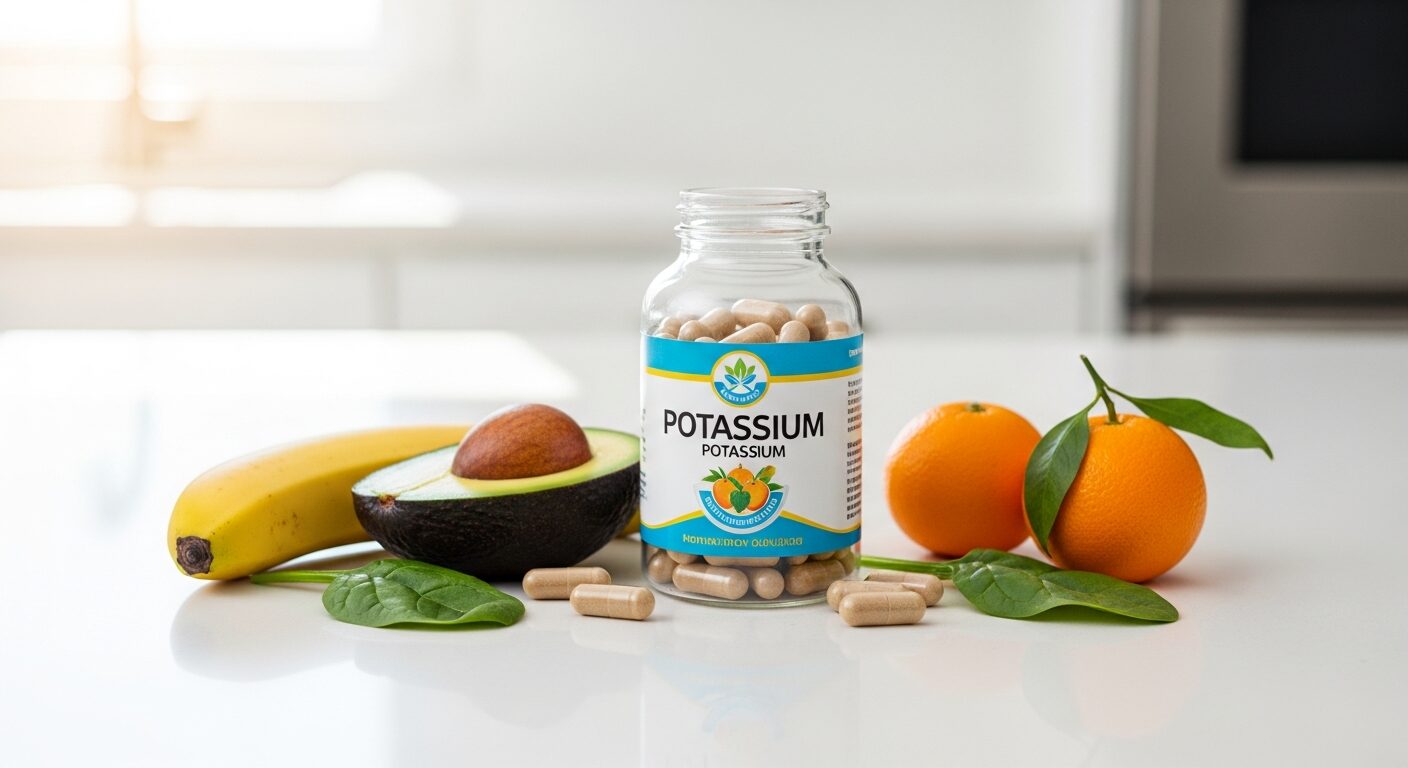
Potassium deficiency affects millions of people worldwide, yet it remains one of the most underdiagnosed nutritional imbalances in modern society. This essential mineral plays a critical role in virtually every cellular process in your body, from maintaining proper heart rhythm to supporting muscle function and regulating blood pressure. Despite its fundamental importance, studies suggest that over 98% of Americans don’t consume adequate potassium through their diet alone.
The consequences of potassium deficiency extend far beyond simple fatigue or muscle cramps. When your body lacks sufficient potassium, it triggers a cascade of physiological changes that can impact cardiovascular health, kidney function, bone density, and even cognitive performance. Understanding the signs and symptoms of potassium deficiency is crucial for maintaining optimal health, especially as our modern diets increasingly favor processed foods that are naturally low in this vital nutrient.
What makes potassium deficiency particularly concerning is its subtle onset. Unlike other nutritional deficiencies that present with obvious symptoms, potassium insufficiency often develops gradually, masquerading as common complaints like tiredness, weakness, or occasional muscle discomfort. By the time severe symptoms appear, the deficiency may have already impacted multiple organ systems, making recognition and early intervention essential for long-term health outcomes.
Contents
What is Potassium
Potassium is an essential mineral and electrolyte that belongs to the alkali metal group on the periodic table. In the human body, potassium exists primarily as positively charged ions (K+) dissolved in cellular fluid, making it the most abundant intracellular cation. Approximately 98% of the body’s potassium is stored inside cells, with only 2% circulating in blood plasma and extracellular spaces.
This mineral functions as a crucial component of the sodium-potassium pump, an energy-dependent mechanism that maintains proper cellular voltage and enables nerve signal transmission. Every cell in your body relies on adequate potassium levels to maintain its electrical gradient, which is essential for muscle contractions, nerve impulses, and maintaining proper fluid balance both within and outside cells.
The kidneys serve as the primary regulatory organ for potassium homeostasis, carefully balancing excretion and retention based on dietary intake and physiological needs. Under normal circumstances, the kidneys excrete approximately 90% of consumed potassium through urine, while the remaining 10% is eliminated through sweat and feces. This delicate balance can be disrupted by various factors including medications, chronic diseases, excessive sodium intake, and inadequate dietary potassium consumption.
Key Benefits of Potassium
Cardiovascular health represents one of potassium’s most well-documented benefits. Aburto et al., 2013 demonstrated that increased potassium intake significantly reduces blood pressure in both hypertensive and normotensive individuals. The mineral works by counteracting sodium’s blood pressure-raising effects, promoting vasodilation, and reducing vascular resistance. Adequate potassium intake has been associated with a 24% reduction in stroke risk and significant decreases in cardiovascular mortality.
Muscle function and physical performance depend heavily on optimal potassium levels. The mineral is essential for proper muscle contraction and relaxation, including the heart muscle. Potassium deficiency can lead to muscle weakness, cramping, and in severe cases, paralysis. Athletes and physically active individuals have particularly high potassium requirements due to losses through sweat and increased muscle metabolic demands.
Bone health benefits from adequate potassium intake through its role in acid-base balance. Potassium-rich diets help neutralize acid-producing foods, reducing the need for the body to buffer excess acid by leaching calcium from bones. Research indicates that higher potassium intake is associated with greater bone mineral density and reduced risk of osteoporosis, particularly in postmenopausal women.
Kidney function is both regulated by and dependent on proper potassium balance. Adequate potassium intake may help prevent kidney stone formation by reducing calcium excretion in urine and increasing citrate levels, which inhibit stone formation. Additionally, potassium supports overall kidney health by helping maintain proper blood pressure and reducing the workload on these vital organs.
What Most People Get Wrong About Potassium
Myth 1: Bananas are the best source of potassium. While bananas contain potassium, they’re far from the richest source available. A medium banana provides approximately 422mg of potassium, while foods like avocados (975mg), white beans (1,189mg per cup), and baked potatoes with skin (926mg) contain significantly more. This misconception leads many people to rely solely on bananas for their potassium needs, falling short of optimal intake levels.
Myth 2: You can’t get too much potassium from food. While potassium toxicity from dietary sources is rare in healthy individuals, it’s not impossible, especially for those with compromised kidney function. The kidneys of healthy adults can typically handle high potassium loads, but individuals with chronic kidney disease, diabetes, or those taking certain medications may accumulate dangerous levels. This myth can lead to dangerous overconsumption in vulnerable populations.
Myth 3: Salt substitutes are always safe for increasing potassium intake. Many salt substitutes contain potassium chloride instead of sodium chloride, leading people to believe they’re universally safe and beneficial. However, these products can provide concentrated doses of potassium that may be dangerous for individuals with kidney problems, heart conditions, or those taking ACE inhibitors or potassium-sparing diuretics. The concentrated nature of these substitutes can cause rapid spikes in blood potassium levels.
Myth 4: Cooking doesn’t affect potassium content in foods. Potassium is highly water-soluble, meaning that boiling, blanching, or other water-based cooking methods can significantly reduce the potassium content of foods. Up to 50% of potassium can be lost when vegetables are boiled and the cooking water is discarded. Steaming, roasting, or consuming cooking liquids helps preserve this valuable mineral, making cooking method selection crucial for maintaining adequate intake.
What Happens to Your Body After 30 Days of Taking Potassium
Week 1: Initial Cellular Adjustments
During the first week of potassium supplementation, your body begins reestablishing proper electrolyte balance at the cellular level. The sodium-potassium pump function improves, leading to better cellular hydration and initial improvements in energy levels. Some individuals may notice reduced muscle cramping, particularly if they engage in regular physical activity. Blood pressure may begin to show modest improvements as vascular tone starts to normalize.
Week 2: Noticeable Physiological Changes
By the second week, cardiovascular improvements become more apparent. Filippini et al., 2017 found that blood pressure reductions typically become measurable within 2-4 weeks of increased potassium intake. Heart rhythm may become more stable, and individuals with previously irregular heartbeats might notice improvements. Muscle function continues to enhance, with reduced fatigue during physical activities and improved recovery times.
Week 3-4: Full Benefits Manifestation
The final weeks of the first month typically bring the most significant improvements. Kidney function optimizes as proper electrolyte balance reduces strain on these organs. Bone metabolism begins showing positive changes, with reduced calcium excretion and improved acid-base balance. Cognitive function may improve due to better nerve signal transmission and improved cerebral blood flow. Sleep quality often improves as proper potassium levels support neurotransmitter balance and muscle relaxation.
Long-term benefits continue to develop beyond the first month, with cardiovascular protection, bone density improvements, and kidney health benefits requiring several months to fully manifest. The timeline can vary significantly based on individual factors including initial deficiency severity, overall health status, dietary habits, and concurrent medications.
Who Should NOT Take Potassium
Individuals with chronic kidney disease represent the highest risk group for potassium supplementation complications. When kidney function is compromised, the body’s ability to excrete excess potassium becomes impaired, potentially leading to dangerous hyperkalemia. Anyone with a glomerular filtration rate below 60 mL/min/1.73m² should only use potassium supplements under strict medical supervision with regular blood monitoring.
Certain medications create contraindications for potassium supplementation. ACE inhibitors, angiotensin receptor blockers (ARBs), potassium-sparing diuretics like spironolactone, and NSAIDs can all increase blood potassium levels. Patients taking these medications should consult healthcare providers before adding potassium supplements, as the combination can result in life-threatening hyperkalemia.
Individuals with specific heart conditions, particularly those with severe heart block, digitalis toxicity, or certain arrhythmias, may be at increased risk from potassium supplementation. While potassium is generally beneficial for heart health, rapid changes in potassium levels can trigger dangerous rhythm disturbances in vulnerable individuals.
Pregnant and breastfeeding women should approach potassium supplementation cautiously, though dietary potassium remains important. The changing physiology during pregnancy can affect mineral metabolism, and supplementation should only occur under medical guidance. Similarly, elderly individuals may have reduced kidney function and multiple medications that affect potassium handling, requiring careful evaluation before supplementation.
Anyone experiencing symptoms of hyperkalemia, including irregular heartbeat, muscle weakness, or tingling sensations, should discontinue potassium supplements immediately and seek medical attention. Regular blood tests are essential for individuals at risk, and supplementation should never begin without baseline potassium levels being established.
Dosage and Best Forms
The recommended daily intake of potassium varies by age, sex, and life stage. Adult men require approximately 3,400mg daily, while adult women need about 2,600mg. Pregnant and lactating women have increased needs of 2,900mg and 2,800mg respectively. However, most supplements contain only 200-400mg per dose due to FDA regulations limiting over-the-counter potassium content.
Potassium citrate represents one of the most bioavailable and well-tolerated forms of supplemental potassium. This form provides excellent absorption and offers additional benefits for bone health and kidney stone prevention. Potassium gluconate offers similar bioavailability with potentially fewer gastrointestinal side effects, making it suitable for sensitive individuals.
Potassium chloride, while effective, can cause stomach irritation in some people and should be taken with food. This form is often found in prescription medications and should only be used under medical supervision. Potassium bicarbonate provides additional alkalizing benefits, making it particularly useful for individuals with high acid loads from their diet.
Timing and administration method significantly impact absorption and tolerance. Dividing doses throughout the day minimizes gastrointestinal upset and improves absorption. Taking potassium supplements with meals reduces stomach irritation and slows absorption, preventing rapid spikes in blood levels. Extended-release formulations provide more consistent blood levels but should only be used when specifically recommended by healthcare providers.
🌿 Looking for Potassium Supplements?
Browse top-rated Potassium supplements, independently tested and recommended by our editorial team.
Affiliate disclosure: We may earn a small commission at no extra cost to you.
Frequently Asked Questions
How quickly can potassium deficiency develop?
Potassium deficiency can develop within days to weeks, depending on the underlying cause. Acute causes like severe diarrhea, vomiting, or diuretic use can lead to deficiency within 24-48 hours. Chronic dietary insufficiency typically develops over weeks to months. The body has limited potassium stores, making regular intake essential for maintaining adequate levels.
Can you test for potassium deficiency at home?
Reliable potassium testing requires laboratory blood analysis, as home test kits are not accurate for measuring serum potassium levels. Palmer and Clegg, 2016 emphasize that serum potassium levels can fluctuate rapidly and may not reflect total body potassium stores. Healthcare providers may order additional tests like 24-hour urine collection or ECG monitoring to assess potassium status comprehensively.
What foods naturally contain the most potassium?
The richest potassium sources include white beans (1,189mg per cup), lima beans (969mg per cup), baked potatoes with skin (926mg), and avocados (975mg each). Other excellent sources include spinach, salmon, yogurt, and dried fruits like apricots and raisins. Focusing on whole, unprocessed foods typically provides more potassium than processed alternatives.
Is it better to get potassium from food or supplements?
Food sources are generally preferred for potassium intake because they provide the mineral alongside other beneficial nutrients and fiber. Foods offer a more gradual release of potassium, reducing the risk of rapid blood level changes. However, supplements may be necessary for individuals with specific medical conditions, limited dietary options, or documented deficiency that cannot be corrected through diet alone.
How do I know if I’m taking too much potassium?
Symptoms of excess potassium include irregular heartbeat, muscle weakness, nausea, and tingling in hands and feet. Severe hyperkalemia can cause dangerous heart rhythm changes and requires immediate medical attention. Regular blood monitoring is essential for anyone taking potassium supplements, particularly those with kidney disease or taking medications that affect potassium levels.
Medical Disclaimer
The information provided in this article is for educational purposes only and should not be considered as medical advice, diagnosis, or treatment recommendations. Individual responses to potassium supplementation can vary significantly based on health status, medications, and underlying medical conditions. Always consult with qualified healthcare professionals before starting any new supplement regimen, especially if you have existing health conditions, take medications, or experience symptoms that may indicate electrolyte imbalances.
Potassium supplementation can interact with numerous medications and may be dangerous for individuals with kidney disease, heart conditions, or other medical complications. Regular monitoring of blood potassium levels may be necessary during supplementation, and dosing should be individualized based on laboratory results and clinical assessment. Never attempt to self-diagnose or treat potassium deficiency without proper medical evaluation and ongoing supervision.