
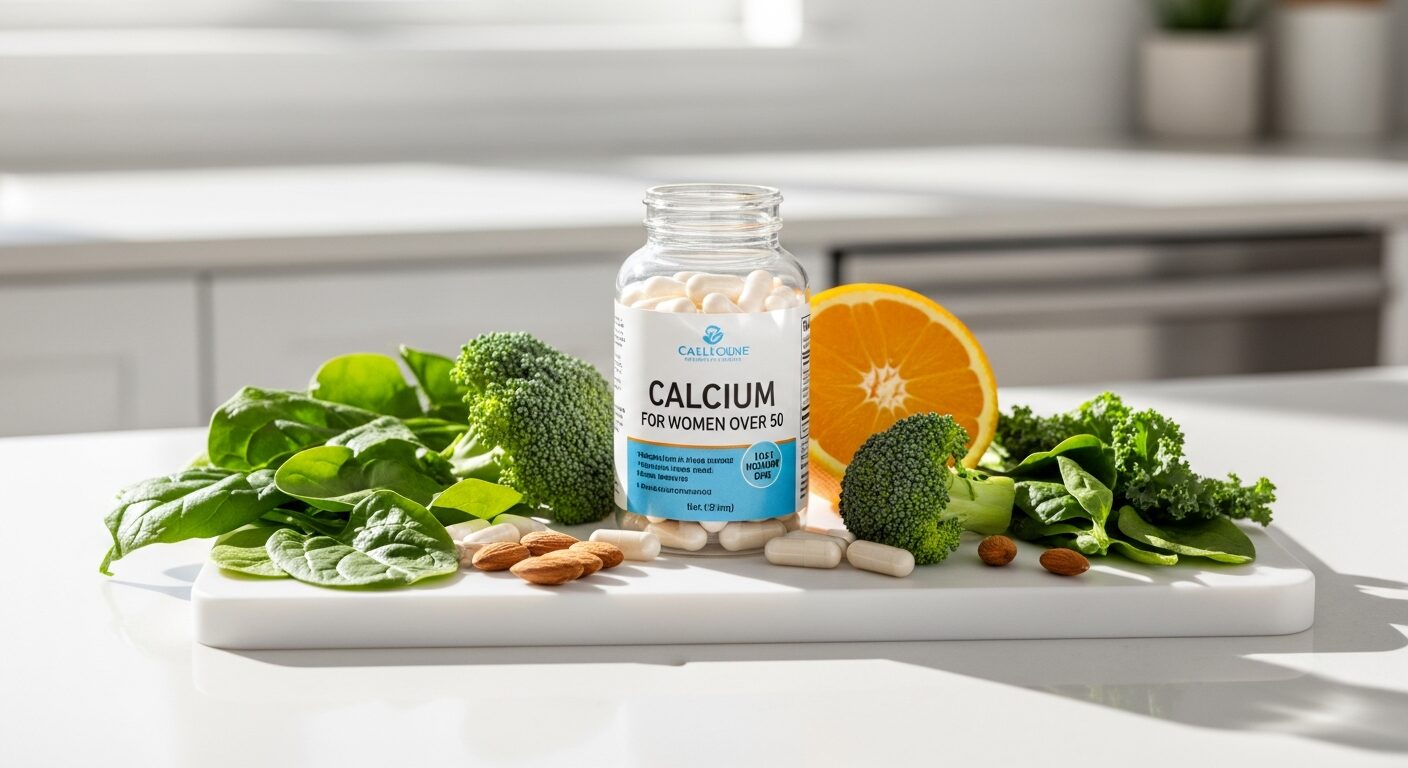
As women cross the milestone of 50, their bodies undergo significant hormonal changes that dramatically impact bone health and calcium metabolism. The decline in estrogen production during menopause accelerates bone loss at an alarming rate of 2-3% per year, making adequate calcium intake more critical than ever before. Yet despite calcium being one of the most discussed nutrients for women over 50, widespread confusion persists about how much to take, which form is best, and whether supplementation is truly necessary.
The statistics paint a sobering picture: one in two women over 50 will experience an osteoporosis-related fracture in her lifetime, with hip fractures alone resulting in significant morbidity and mortality. However, the relationship between calcium intake and bone health is far more nuanced than simply “take more calcium.” Understanding the complete picture of calcium metabolism, absorption, and utilization can help women make informed decisions about their bone health strategy during this crucial life stage.
Contents
What is Calcium
Calcium is the most abundant mineral in the human body, with 99% stored in bones and teeth, while the remaining 1% circulates in blood and soft tissues. This seemingly small percentage plays outsized roles in muscle contraction, nerve transmission, blood clotting, and cellular signaling. The body maintains blood calcium levels within a narrow range through a sophisticated regulatory system involving parathyroid hormone, vitamin D, and calcitonin.
When dietary calcium intake is insufficient, the body prioritizes maintaining blood calcium levels by extracting calcium from bone tissue through a process called bone resorption. This evolutionary mechanism ensured survival during periods of calcium scarcity but becomes problematic in modern times when chronic inadequate intake leads to progressive bone weakening.
Calcium absorption occurs primarily in the small intestine through two mechanisms: active transport (which requires vitamin D) and passive diffusion. Absorption efficiency varies significantly based on factors including age, vitamin D status, stomach acid levels, and the presence of other nutrients. Women over 50 typically absorb only 20-25% of ingested calcium, compared to 40% absorption rates in younger adults.
Key Benefits of Calcium
The primary benefit of adequate calcium intake for women over 50 centers on bone health maintenance and fracture prevention. A comprehensive meta-analysis published in the British Medical Journal, 2007 demonstrated that calcium supplementation reduced the risk of fractures by 12% overall, with the greatest benefits observed in women with the lowest baseline calcium intake.
Beyond bone health, calcium supports cardiovascular function through its role in smooth muscle contraction within blood vessel walls. Adequate calcium intake helps maintain healthy blood pressure levels, particularly important for postmenopausal women who face increased cardiovascular risk. The mineral also facilitates proper muscle function throughout the body, potentially reducing the risk of muscle cramps and supporting overall mobility.
Emerging research suggests calcium may play a role in weight management for women over 50. Some studies indicate that adequate calcium intake, particularly from dairy sources, may help regulate fat metabolism and support healthy body composition during the metabolic changes associated with menopause. Additionally, calcium’s involvement in neurotransmitter release may contribute to mood regulation and sleep quality, both of which commonly become concerns during the menopausal transition.
What Most People Get Wrong About Calcium
One of the most persistent myths about calcium is that “more is always better.” Many women assume that taking megadoses of calcium will provide superior bone protection, but research reveals the opposite. The body can only absorb approximately 500mg of calcium at one time, making single large doses largely ineffective. Excessive calcium intake, particularly above 2,000mg daily, may actually interfere with the absorption of other essential nutrients like iron, zinc, and magnesium, potentially creating new deficiencies.
Another widespread misconception is that calcium alone can prevent osteoporosis. This oversimplified view ignores the complex interplay of nutrients required for bone health. Vitamin D, magnesium, vitamin K2, and phosphorus all play crucial roles in calcium utilization and bone formation. Without adequate levels of these cofactors, even optimal calcium intake may not translate to improved bone density. This explains why some studies show minimal benefits from calcium-only supplementation.
Many women also believe that dairy products are the only reliable source of calcium, leading to either over-reliance on dairy or concern about inadequate intake among those who avoid dairy products. In reality, numerous non-dairy foods provide excellent calcium bioavailability, including leafy greens like collard greens and bok choy, canned fish with bones, tahini, and fortified plant-based beverages. Some of these sources actually offer superior calcium absorption rates compared to dairy products.
Perhaps the most dangerous myth is that calcium supplementation is universally safe and appropriate for all women over 50. This assumption ignores important contraindications and individual health factors that may make calcium supplementation inadvisable or require careful medical monitoring. Some women may actually be at risk from calcium supplementation due to kidney stones, certain medications, or underlying health conditions.
What Happens to Your Body After 30 Days of Taking Calcium
During the first week of calcium supplementation, the body begins adjusting to the increased calcium availability. Blood calcium levels may stabilize if they were previously fluctuating due to inadequate dietary intake. Some women notice a reduction in muscle cramps, particularly nighttime leg cramps, as calcium supports proper muscle contraction and relaxation. However, the body’s calcium regulatory mechanisms mean that dramatic changes are unlikely during this initial period.
By the second week, women who were previously calcium-deficient may begin experiencing improvements in sleep quality and muscle function. The nervous system becomes more stable with consistent calcium availability, potentially reducing feelings of irritability or anxiety. Digestive adjustments may also occur during this period, as the body adapts to processing supplemental calcium. Some women may experience initial constipation, which typically resolves as the digestive system adjusts.
Weeks three and four mark the beginning of more substantial physiological changes. Bone remodeling processes, while still in early stages, begin to shift toward a more favorable balance between bone formation and resorption. Research published in the Journal of Clinical Endocrinology & Metabolism, 2010 indicates that biochemical markers of bone turnover can begin showing positive changes within 4-6 weeks of adequate calcium intake, particularly when combined with vitamin D.
It’s important to note that significant improvements in bone density require months to years of consistent adequate calcium intake, combined with other bone-supporting nutrients and lifestyle factors. The 30-day timeframe represents the beginning of positive changes rather than complete therapeutic effects. Women may also notice improved dental health and potentially reduced PMS symptoms if they continue to menstruate during perimenopause.
Who Should NOT Take Calcium
Women with a history of kidney stones, particularly calcium oxalate stones, should exercise extreme caution with calcium supplementation and must consult with healthcare providers before beginning any regimen. While adequate calcium intake may actually reduce kidney stone risk in some individuals by binding oxalates in the digestive tract, supplementation timing and dosage require careful management to avoid increasing stone formation risk.
Calcium supplementation can significantly interfere with numerous medications, requiring careful timing and dosage adjustments. Women taking thyroid medications, bisphosphonates for osteoporosis, certain antibiotics, or iron supplements need medical supervision to prevent reduced medication effectiveness. Calcium can decrease the absorption of these medications by 20-50% if taken simultaneously.
Women with hyperparathyroidism, sarcoidosis, or certain cancers should avoid calcium supplementation, as these conditions can lead to elevated blood calcium levels. Similarly, those with severe kidney disease may be unable to properly regulate calcium levels and could develop dangerous calcium accumulation. Women taking thiazide diuretics require monitoring, as these medications increase calcium retention and could lead to excessive levels when combined with supplements.
Pregnancy and breastfeeding create special considerations for calcium supplementation. While calcium needs increase during these periods, the dosage and timing require medical guidance to ensure both maternal and fetal safety. Elderly women over 80 may also need modified approaches, as they face increased risks of both deficiency and excess, along with greater likelihood of drug interactions and absorption issues.
Dosage and Best Forms
The recommended dietary allowance for calcium in women over 50 is 1,200mg daily, but this represents total intake from all sources, not supplemental intake alone. Most women should aim for 600-800mg daily from supplements while obtaining the remainder from food sources. Dividing supplemental calcium into doses of 500mg or less throughout the day maximizes absorption and minimizes potential side effects.
Calcium carbonate, the most common and economical form, requires stomach acid for optimal absorption and should be taken with meals. This form provides 40% elemental calcium by weight, making it concentrated and convenient. However, women with low stomach acid production, common after age 50, may better absorb calcium citrate, which doesn’t require acid for absorption and can be taken on an empty stomach.
Calcium citrate, while more expensive, provides 21% elemental calcium and offers superior bioavailability, particularly for older adults. This form is less likely to cause constipation and may be better tolerated by women with sensitive digestive systems. Some evidence suggests calcium citrate may also be less likely to interfere with iron absorption compared to calcium carbonate.
Emerging forms like calcium malate, calcium glycinate, and microcrystalline hydroxyapatite concentrate (MCHC) offer potential advantages in absorption and tolerability, though they typically cost more and require larger pills due to lower elemental calcium content. Regardless of the form chosen, calcium supplementation should always be combined with adequate vitamin D (800-1000 IU daily) and preferably with magnesium to support optimal utilization.
🌿 Looking for Calcium Supplements?
Browse top-rated Calcium supplements, independently tested and recommended by our editorial team.
Affiliate disclosure: We may earn a small commission at no extra cost to you.
Frequently Asked Questions
Can I take calcium with my morning coffee?
Caffeine can slightly reduce calcium absorption, but the effect is minimal if calcium intake is adequate overall. However, calcium can interfere with iron absorption from coffee or tea. For optimal results, separate calcium supplements from caffeinated beverages by at least one hour, or take calcium carbonate with a meal instead of relying on coffee for stomach acid stimulation.
How long does it take to see improvements in bone density?
Measurable improvements in bone density typically require 12-24 months of consistent adequate calcium intake combined with vitamin D, regular weight-bearing exercise, and other bone-supporting lifestyle factors. A landmark study in the New England Journal of Medicine, 2006 showed that combined calcium and vitamin D supplementation produced measurable bone density improvements after 18 months in postmenopausal women.
Should I stop taking calcium if I develop constipation?
Constipation is a common initial side effect that often resolves within 2-3 weeks as the body adjusts. Try switching to calcium citrate, increasing fluid intake, adding fiber-rich foods, and dividing doses throughout the day. If constipation persists, consider reducing the dose or exploring alternative forms rather than discontinuing entirely without medical guidance.
Is it safe to take calcium long-term?
Long-term calcium supplementation is generally safe for most women when kept within recommended dosages (total daily intake under 2,000mg). However, regular monitoring through periodic blood tests and bone density scans helps ensure optimal dosing and effectiveness. Women should reassess their calcium needs annually with healthcare providers, particularly if dietary habits or health status changes.
Can calcium supplements cause heart problems?
Some studies have raised concerns about calcium supplementation and cardiovascular risk, but the evidence remains mixed and controversial. Most research suggests that calcium from food sources doesn’t increase heart disease risk, while some studies indicate potential concerns with high-dose supplementation. Women with existing heart disease should discuss calcium supplementation with their cardiologists to weigh individual risks and benefits.
Medical Disclaimer
The information provided in this article is for educational purposes only and should not be considered as medical advice, diagnosis, or treatment recommendations. Individual calcium needs vary significantly based on health status, medications, dietary intake, and other factors that require professional medical evaluation. Women over 50 should consult with qualified healthcare providers before beginning any calcium supplementation regimen, particularly those with existing health conditions, taking medications, or having a history of kidney stones. Regular monitoring through blood tests and bone density scans may be necessary to ensure safe and effective supplementation. This information is not intended to replace professional medical advice, and readers should always seek guidance from their healthcare providers for personalized recommendations.