
Anxiety affects millions of people worldwide, prompting many to seek natural alternatives to traditional medications. Among the various supplements being studied, magnesium has emerged as a promising option for managing anxiety symptoms. This essential mineral plays crucial roles in numerous bodily functions, including nervous system regulation and stress response. As research continues to unveil the connection between magnesium deficiency and anxiety disorders, understanding what the science actually shows becomes increasingly important for those considering this supplement.
Contents
Understanding Magnesium’s Role in the Body
Magnesium is the fourth most abundant mineral in the human body and participates in over 300 enzymatic reactions. It’s essential for protein synthesis, muscle and nerve function, blood glucose control, and blood pressure regulation. In the context of mental health, magnesium plays several critical roles that directly impact anxiety and stress levels.
The mineral acts as a natural calcium channel blocker, helping regulate neurotransmitter release and neuronal excitability. It also influences the hypothalamic-pituitary-adrenal (HPA) axis, which governs our stress response system. When magnesium levels are adequate, the nervous system maintains better balance between excitatory and inhibitory signals, potentially reducing anxiety symptoms.
Magnesium and Neurotransmitter Function
One of magnesium’s most significant roles in anxiety management relates to its effect on neurotransmitters. The mineral helps regulate GABA (gamma-aminobutyric acid), the brain’s primary inhibitory neurotransmitter. GABA promotes relaxation and reduces neuronal excitability, creating a calming effect throughout the nervous system.
Additionally, magnesium influences serotonin production and receptor sensitivity. Serotonin, often called the “happiness hormone,” plays a crucial role in mood regulation and anxiety management. When magnesium levels are insufficient, both GABA and serotonin systems may function suboptimally, potentially contributing to increased anxiety symptoms.
The Research on Magnesium and Anxiety
Scientific investigation into magnesium’s anti-anxiety effects has produced encouraging results, though more research is still needed to fully establish optimal dosing and long-term effects. Several studies have examined both magnesium deficiency’s relationship with anxiety and supplementation’s potential benefits.
Population studies have revealed that magnesium deficiency is relatively common, particularly in Western diets high in processed foods and low in magnesium-rich whole foods. This deficiency often coincides with higher rates of anxiety and stress-related disorders, suggesting a potential connection that researchers have begun to explore more deeply.
Clinical Trial Evidence
A significant study published in PLOS ONE examined magnesium supplementation in adults with mild-to-moderate anxiety. Boyle et al., 2017 found that participants taking 300mg of magnesium daily for eight weeks experienced significant improvements in anxiety scores compared to the control group. The study also noted that the supplement was well-tolerated with minimal side effects.
Research has also investigated magnesium’s effects on specific anxiety-related conditions. Studies examining premenstrual syndrome (PMS) and premenstrual dysphoric disorder (PMDD) have shown that magnesium supplementation can reduce anxiety symptoms associated with these conditions. The mineral appears to help stabilize mood fluctuations and reduce the intensity of anxiety episodes during hormonal changes.
Mechanistic Studies
Laboratory research has provided insights into how magnesium exerts its anti-anxiety effects at the cellular level. Animal studies have demonstrated that magnesium deficiency leads to increased stress hormone production and heightened anxiety-like behaviors. Conversely, adequate magnesium levels help maintain normal stress response patterns and promote more resilient coping mechanisms.
Sartori et al., 2012 conducted research showing that magnesium supplementation could reverse anxiety-like behaviors in magnesium-deficient mice, suggesting that the mineral’s effects are directly related to correcting deficiency states rather than providing pharmacological benefits beyond normal physiological needs.
Magnesium Deficiency and Anxiety Connection
The relationship between magnesium deficiency and anxiety appears to be bidirectional. Low magnesium levels can contribute to increased anxiety, while chronic stress and anxiety can deplete magnesium stores, creating a potentially problematic cycle.
Modern lifestyle factors contribute significantly to magnesium depletion. Chronic stress increases magnesium excretion through urine, while simultaneously increasing the body’s magnesium requirements for proper stress response function. Additionally, certain medications, excessive alcohol consumption, and high-sodium diets can further reduce magnesium levels.
Signs of Magnesium Deficiency
Recognizing magnesium deficiency can be challenging because symptoms often overlap with other conditions. Common signs include muscle cramps, fatigue, irregular heartbeat, mood changes, and sleep disturbances. In the context of anxiety, magnesium-deficient individuals may experience heightened stress responses, difficulty relaxing, and increased susceptibility to panic attacks.
It’s worth noting that serum magnesium tests may not accurately reflect total body magnesium status, as most of the mineral is stored in bones and tissues rather than circulating in blood. This makes clinical assessment of deficiency somewhat complex and often relies on symptom evaluation alongside laboratory testing.
Types of Magnesium Supplements
Not all magnesium supplements are created equal. Different forms have varying absorption rates and bioavailability, which can significantly impact their effectiveness for anxiety management.
Magnesium glycinate is often considered one of the best forms for anxiety due to its high bioavailability and the calming properties of glycine, the amino acid it’s bound to. This form is less likely to cause digestive upset compared to other varieties.
Magnesium citrate offers good absorption but may have a mild laxative effect, making it less suitable for some individuals. Magnesium oxide, while commonly available and inexpensive, has poor bioavailability and is more likely to cause digestive issues.
Dosage Considerations
Research on magnesium for anxiety has used various dosages, typically ranging from 200-400mg daily. Tarleton et al., 2017 found that 248mg of elemental magnesium daily was effective for reducing anxiety symptoms in adults with mild-to-moderate anxiety.
The recommended dietary allowance (RDA) for magnesium varies by age and gender, with adult men needing 400-420mg daily and adult women requiring 310-320mg daily. However, therapeutic doses for anxiety management may be higher and should ideally be determined in consultation with a healthcare provider.
Safety and Side Effects
Magnesium supplementation is generally considered safe for most people when taken within recommended dosages. The most common side effects are gastrointestinal, including diarrhea, nausea, and stomach upset. These effects are typically dose-dependent and can often be minimized by starting with lower doses and gradually increasing.
Individuals with kidney disease should exercise caution with magnesium supplementation, as impaired kidney function can lead to magnesium accumulation. Similarly, those taking certain medications, particularly antibiotics, diuretics, and proton pump inhibitors, should consult healthcare providers before beginning supplementation.
Integrating Magnesium into an Anxiety Management Plan
While magnesium supplementation shows promise for anxiety management, it works best as part of a comprehensive approach. Combining magnesium with other evidence-based strategies like regular exercise, adequate sleep, stress management techniques, and proper nutrition can enhance overall effectiveness.
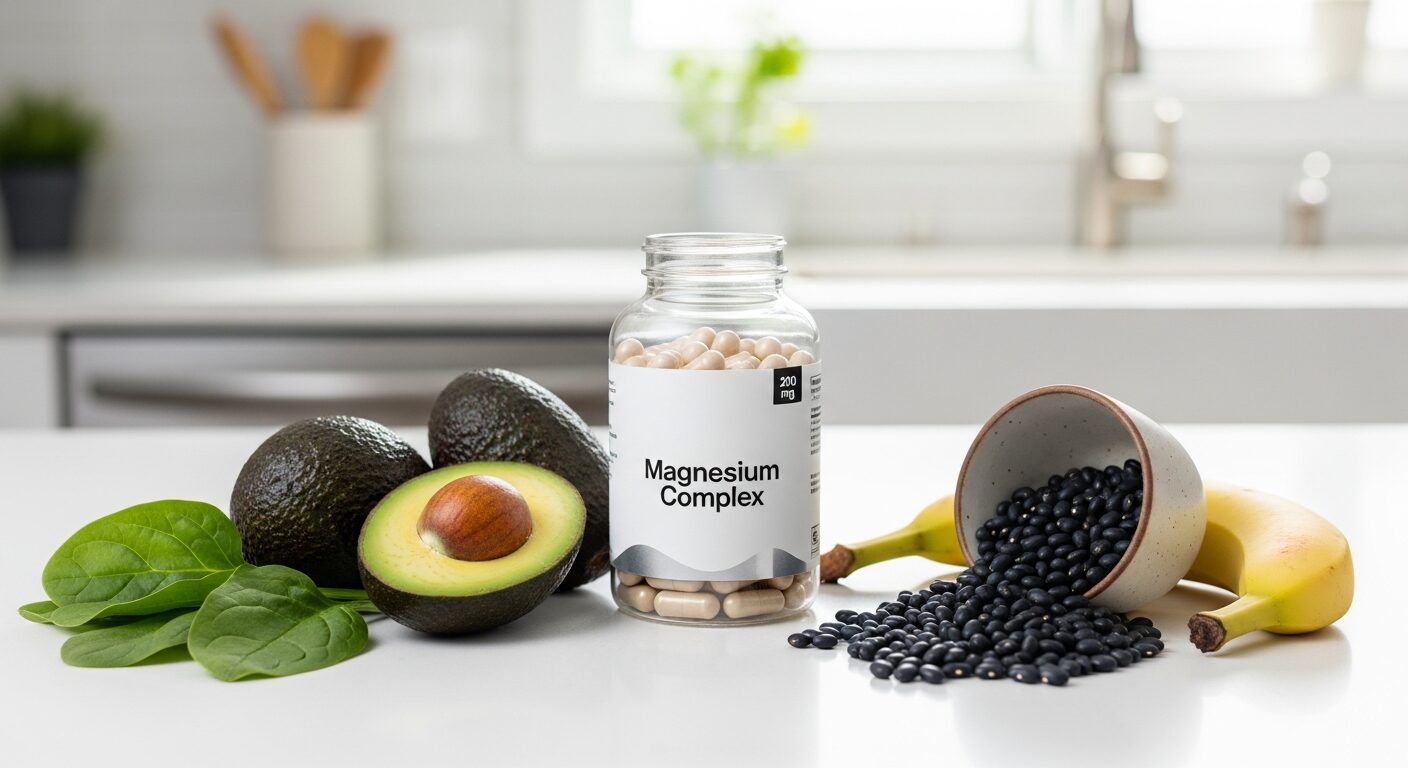
Dietary sources of magnesium should also be considered alongside supplementation. Dark leafy greens, nuts, seeds, whole grains, and legumes are excellent natural sources that provide additional nutrients supporting mental health.
🌿 Looking for Magnesium Supplements?
Browse top-rated Magnesium supplements, independently tested and recommended by our editorial team.
Affiliate disclosure: We may earn a small commission at no extra cost to you.
Frequently Asked Questions
How long does it take for magnesium to help with anxiety?
Most research suggests that magnesium’s anti-anxiety effects may become noticeable within 2-8 weeks of consistent supplementation. However, some individuals may experience benefits sooner, while others may require longer periods to see significant improvements.
Can I take magnesium with other anxiety medications?
Magnesium can generally be taken alongside most anxiety medications, but it’s essential to consult with a healthcare provider first. Magnesium may enhance the effects of certain medications or require timing adjustments to prevent interactions.
What’s the best time of day to take magnesium for anxiety?
Many people find taking magnesium in the evening helpful, as it can promote relaxation and better sleep quality. However, the timing can be adjusted based on individual needs and tolerance. Some prefer splitting the dose between morning and evening.
Is magnesium safe for long-term use?
For most healthy individuals, long-term magnesium supplementation within recommended dosages is considered safe. However, periodic evaluation with a healthcare provider is advisable to ensure continued appropriateness and monitor for any potential issues.
Can magnesium deficiency cause panic attacks?
While magnesium deficiency alone may not directly cause panic attacks, it can contribute to increased anxiety sensitivity and heightened stress responses that may make panic attacks more likely or severe in susceptible individuals.
Medical Disclaimer
This article is for informational purposes only and is not intended to replace professional medical advice, diagnosis, or treatment. Always consult with a qualified healthcare provider before starting any new supplement regimen, especially if you have existing health conditions or are taking medications. Individual responses to supplements can vary, and what works for one person may not be appropriate for another. If you experience severe anxiety or mental health symptoms, seek immediate professional help.