
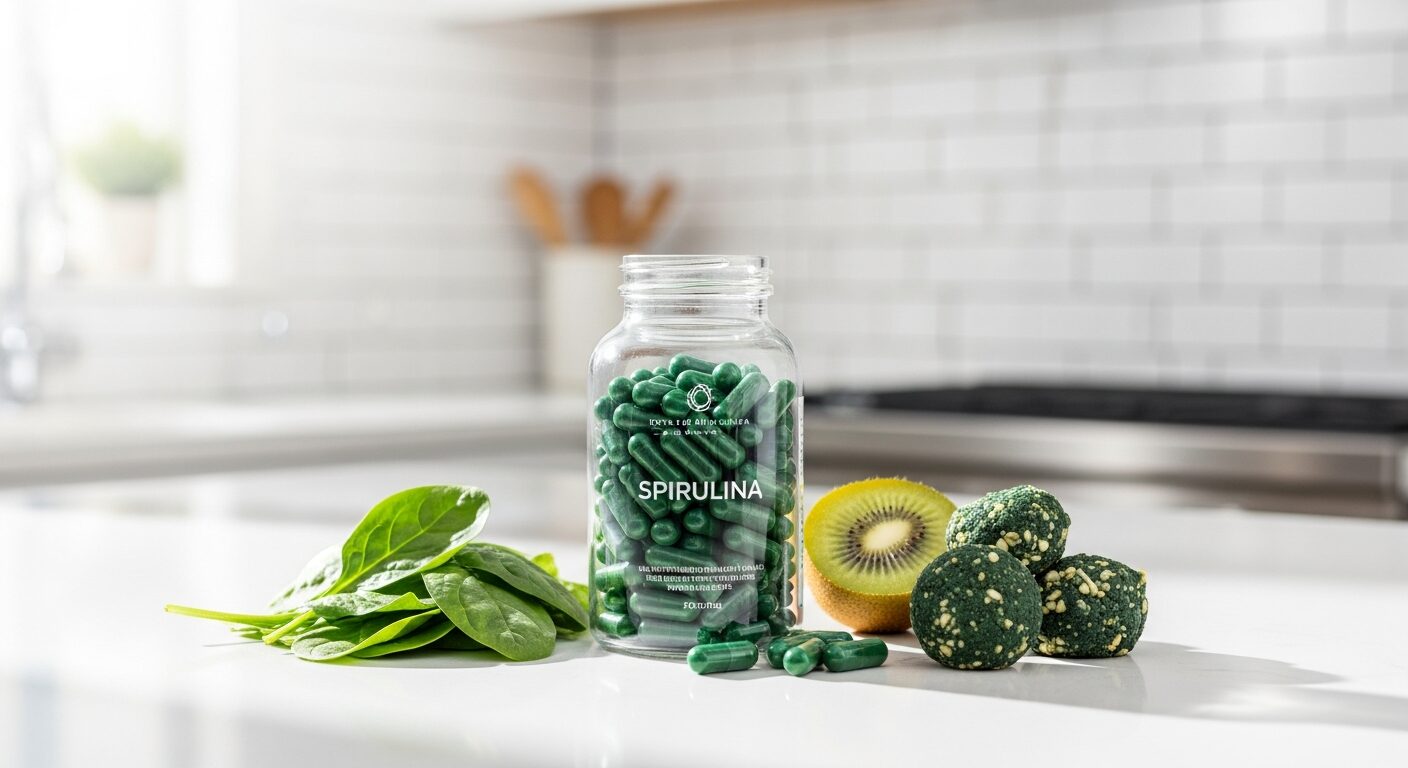
In the bustling world of superfoods and green supplements, few nutrients have sparked as much scientific interest as spirulina. This blue-green algae, harvested from alkaline lakes and cultivated in specialized facilities worldwide, has transitioned from ancient Aztec dietary staple to modern nutritional powerhouse. Yet despite its growing popularity, most people remain unaware of spirulina’s true potential—and more importantly, the critical factors that determine whether it will actually benefit their health.
What makes spirulina particularly fascinating isn’t just its impressive nutrient density, but the mounting body of research revealing how this microscopic organism can influence everything from immune function to cardiovascular health. However, as with many supplements that gain mainstream attention, spirulina has become surrounded by both legitimate scientific findings and persistent misconceptions that can mislead consumers into unrealistic expectations or improper usage.
Understanding spirulina’s real benefits, limitations, and proper application requires cutting through marketing hype to examine what peer-reviewed research actually demonstrates. This comprehensive analysis will explore not only what spirulina can do for your health, but also what it cannot do, who should avoid it entirely, and how to maximize its potential benefits through proper dosing and timing.
🌿 Looking for Spirulina supplements? Shop Amazon →
Contents
What is Spirulina
Spirulina refers to several species of blue-green microalgae, primarily Arthrospira platensis and Arthrospira maxima, that naturally occur in alkaline lakes with high salt concentrations. Despite being classified as algae, spirulina is actually a type of cyanobacteria—photosynthetic microorganisms that have existed for approximately 3.5 billion years and played a crucial role in creating Earth’s oxygen-rich atmosphere.
The distinctive blue-green color comes from phycocyanin, a protein-pigment complex that gives spirulina much of its antioxidant activity. Unlike many plant-based proteins, spirulina contains all essential amino acids in proportions that closely match human nutritional needs. This complete protein profile, combined with high bioavailability, makes spirulina unique among plant-based supplements.
Commercial spirulina production occurs in controlled environments using specialized bioreactors or open pond systems. The algae grows rapidly under optimal conditions, doubling its biomass every 2-5 days. After harvesting, spirulina undergoes careful drying processes to preserve its nutritional integrity, resulting in the dark green powder or tablets commonly available as supplements.
What sets spirulina apart from other green supplements is its exceptional nutrient density. By dry weight, spirulina contains 50-70% protein, making it one of the most protein-rich foods available. It also provides significant amounts of B-vitamins, particularly B12, iron, copper, and manganese, along with gamma-linolenic acid (GLA), a rare omega-6 fatty acid with anti-inflammatory properties.
Key Benefits of Spirulina
Scientific research has identified several well-documented benefits of spirulina supplementation, though the quality and magnitude of evidence varies across different health claims. The most robust evidence supports spirulina’s role in immune system modulation and antioxidant activity.
Immune system support represents one of spirulina’s most studied benefits. The phycocyanin and other bioactive compounds in spirulina appear to enhance both innate and adaptive immune responses. Research indicates that regular spirulina consumption can increase natural killer cell activity, improve antibody production, and reduce inflammation markers. These effects may contribute to better resistance against infections and faster recovery from illness.
Antioxidant protection is another well-established benefit. Spirulina contains multiple antioxidant compounds, including phycocyanin, beta-carotene, and zeaxanthin, which work synergistically to neutralize free radicals and reduce oxidative stress. This antioxidant activity may help protect against cellular damage associated with aging and chronic diseases.
Cardiovascular health improvements have been documented in several clinical trials. Spirulina supplementation and cardiovascular risk factors, 2008 demonstrated that spirulina can help reduce total cholesterol and LDL cholesterol levels while potentially improving HDL cholesterol ratios. These lipid-modifying effects, combined with spirulina’s anti-inflammatory properties, may contribute to reduced cardiovascular disease risk.
Blood sugar regulation represents another area of scientific interest. Some studies suggest that spirulina supplementation may help improve insulin sensitivity and glucose metabolism, though more research is needed to establish definitive therapeutic applications for diabetes management.
Athletic performance and recovery benefits have also been investigated, with some evidence suggesting that spirulina’s antioxidant properties may help reduce exercise-induced oxidative stress and potentially improve endurance. However, the performance benefits appear modest and may not be significant for all individuals.
What Most People Get Wrong About Spirulina
Despite spirulina’s legitimate health benefits, several persistent misconceptions continue to circulate, leading to unrealistic expectations and improper usage patterns that can diminish its effectiveness or even cause harm.
Myth 1: Spirulina is a reliable source of vitamin B12 for vegans. This widespread belief has potentially serious health implications. While spirulina does contain compounds that register as B12 in standard assays, most of these are actually B12 analogues that cannot be utilized by the human body. In fact, these pseudovitamin B12 compounds may actually interfere with true B12 absorption and mask B12 deficiency symptoms. Vegans should not rely on spirulina as their primary B12 source and must obtain this critical vitamin from fortified foods or dedicated B12 supplements.
Myth 2: All spirulina products are equally safe and effective. The reality is that spirulina quality varies dramatically between manufacturers and sources. Spirulina grown in contaminated waters or processed under poor conditions can contain heavy metals, microcystins, and other toxins that pose serious health risks. Additionally, the concentration of active compounds like phycocyanin can vary significantly between products, affecting therapeutic potential. Third-party testing and reputable sourcing are essential for both safety and efficacy.
Myth 3: More spirulina always means better results. Many consumers assume that doubling or tripling recommended dosages will accelerate benefits, but research suggests a more complex relationship between dose and response. Higher doses don’t necessarily produce proportionally greater benefits and may increase the risk of adverse effects. The optimal dosage appears to fall within specific ranges, and exceeding these ranges may actually reduce bioavailability due to absorption limitations.
Myth 4: Spirulina works immediately and universally. Marketing claims often suggest rapid, dramatic improvements that don’t align with scientific evidence. The benefits of spirulina supplementation typically develop gradually over weeks or months, and individual responses vary significantly based on genetics, baseline health status, diet, and other factors. Some people may experience minimal benefits regardless of dosage or duration, while others may respond more dramatically to smaller amounts.
What Happens to Your Body After 30 Days of Taking Spirulina
Understanding the timeline of spirulina’s effects can help set realistic expectations and optimize supplementation strategies. Research suggests that spirulina’s benefits unfold in distinct phases, with different physiological changes occurring at various stages of supplementation.
Week 1: Initial Adaptations During the first week, most people experience subtle changes that may not be immediately noticeable. At the cellular level, spirulina begins accumulating in tissues and contributing to the body’s antioxidant defense systems. Some individuals may notice slight improvements in energy levels or digestion, though these effects are often mild and may be attributed to placebo responses. The immune system begins responding to spirulina’s bioactive compounds, with early changes in immune cell activity detectable in laboratory tests but not yet translating to noticeable health improvements.
Week 2: Emerging Benefits By the second week, more consistent effects typically become apparent. Energy levels may show genuine improvement as spirulina’s nutrients support cellular metabolism and reduce oxidative stress. Some people report better exercise recovery and reduced fatigue, particularly during physically demanding periods. Digestive improvements may become more pronounced, as spirulina’s prebiotic effects begin supporting beneficial gut bacteria growth. Sleep quality sometimes improves during this phase, possibly due to reduced inflammation and better nutrient status.
Week 3-4: Full Therapeutic Effects The most significant benefits typically manifest during weeks three and four of consistent supplementation. Effects of spirulina on immune function, 2010 demonstrated that immune system improvements become measurable after 2-3 weeks of regular intake, with enhanced natural killer cell activity and improved antibody responses. Cholesterol improvements, when they occur, usually become detectable during this timeframe. Antioxidant status shows measurable improvement, which may translate to better recovery from exercise, reduced inflammation markers, and improved overall vitality.
Individual variation in response timing is considerable, with factors like age, baseline health status, diet quality, and genetic polymorphisms affecting both the speed and magnitude of benefits. People with nutrient deficiencies or high oxidative stress may experience more rapid and dramatic improvements, while those with optimal baseline health may notice subtler changes.
Who Should NOT Take Spirulina
While spirulina is generally safe for most healthy adults, several groups should exercise caution or avoid spirulina supplementation entirely due to increased risk of adverse effects or interactions with existing health conditions.
Autoimmune Conditions: Individuals with autoimmune disorders including multiple sclerosis, rheumatoid arthritis, lupus, and other conditions where immune system overactivity causes tissue damage should avoid spirulina. The immune-stimulating properties that provide benefits for healthy individuals can potentially exacerbate autoimmune responses and worsen symptoms. Even small amounts of spirulina may trigger flares in sensitive individuals.
Blood Clotting Disorders: Spirulina may affect blood clotting mechanisms and should be avoided by people taking anticoagulant medications like warfarin, or those with bleeding disorders. The interaction potential exists due to spirulina’s vitamin K content and other compounds that may influence coagulation pathways. Individuals scheduled for surgery should discontinue spirulina at least two weeks before procedures.
Phenylketonuria (PKU): People with PKU must avoid spirulina due to its high phenylalanine content. Since individuals with PKU cannot properly metabolize phenylalanine, spirulina consumption could lead to dangerous accumulation of this amino acid and serious health complications.
Pregnancy and Breastfeeding: While spirulina is likely safe during pregnancy and breastfeeding, the lack of comprehensive safety data in these populations warrants caution. Pregnant and nursing women should consult healthcare providers before beginning supplementation, particularly given concerns about potential contamination in some spirulina products.
Children: Limited safety data exists for spirulina use in children under 18. While small amounts are likely safe, parents should consult pediatricians before giving spirulina supplements to children, especially those with allergies or chronic health conditions.
Drug Interactions: Beyond anticoagulants, spirulina may interact with immunosuppressive drugs, diabetes medications, and certain psychiatric medications. The immune-stimulating effects could potentially counteract immunosuppressive therapy, while effects on blood sugar could interact with diabetes treatments.
Dosage and Best Forms
Optimal spirulina dosage varies depending on individual health goals, body weight, and tolerance, but research provides guidance for effective and safe dosing ranges. Most clinical studies demonstrating health benefits have used doses between 1-8 grams daily, with 3-4 grams representing the most commonly effective range for general health support.
For immune system support and general wellness, 3-4 grams daily appears optimal for most adults. This dosage provides significant amounts of bioactive compounds without exceeding absorption capacity or increasing adverse effect risk. Individuals seeking cardiovascular benefits may benefit from slightly higher doses of 4-6 grams daily, based on studies showing lipid improvements at these levels.
Timing considerations can influence spirulina’s effectiveness. Taking spirulina with meals, particularly those containing healthy fats, may improve absorption of fat-soluble compounds like beta-carotene. However, some people find that spirulina taken on an empty stomach provides better energy benefits, possibly due to faster absorption of amino acids and B-vitamins.
Form selection impacts both convenience and bioavailability. Powder forms typically offer the highest concentration of active compounds and fastest absorption, but tablets provide convenience and precise dosing. Liquid extracts may offer enhanced bioavailability but are less common and more expensive. Regardless of form, choosing products with third-party testing for purity and potency is essential.
Quality indicators to look for include organic certification, testing for heavy metals and microcystins, and standardization of phycocyanin content. Products should be stored in cool, dry conditions away from light to preserve nutritional integrity.
🌿 Looking for Spirulina Supplements?
Browse top-rated Spirulina supplements, independently tested and recommended by our editorial team.
Affiliate disclosure: We may earn a small commission at no extra cost to you.
Frequently Asked Questions
Can spirulina help with weight loss?
While spirulina won’t directly cause significant weight loss, it may support weight management efforts through several mechanisms. Its high protein content can help maintain satiety and preserve muscle mass during calorie restriction. Spirulina supplementation and metabolic syndrome, 2016 suggests that spirulina may help improve metabolic parameters that support healthy weight maintenance, but it should be viewed as a supportive supplement rather than a primary weight loss intervention.
Is spirulina safe for people with allergies?
Spirulina can trigger allergic reactions in sensitive individuals, particularly those with existing algae or seafood allergies. Symptoms may include rash, itching, difficulty breathing, or digestive upset. People with multiple food allergies should start with very small amounts and monitor for reactions. Anyone experiencing allergic symptoms should discontinue use immediately and seek medical attention if symptoms are severe.
How does spirulina compare to chlorella?
While both are microalgae supplements, spirulina and chlorella have distinct nutritional profiles and benefits. Spirulina typically contains higher protein levels and more phycocyanin, while chlorella provides more chlorophyll and may have stronger detoxification properties. Spirulina is generally easier to digest, while chlorella’s tough cell wall requires special processing for optimal absorption. The choice between them depends on individual health goals and tolerances.
Can I take spirulina with other supplements?
Spirulina generally combines well with most other supplements, but timing and interactions should be considered. Iron absorption may be enhanced when spirulina is taken with vitamin C, while calcium or magnesium supplements might be better taken separately to avoid potential mineral interactions. Individuals taking multiple supplements should space them throughout the day and consult healthcare providers about potential interactions with medications.
How long should I take spirulina to see benefits?
Most people begin noticing subtle benefits within 1-2 weeks, with more significant improvements typically developing over 3-4 weeks of consistent use. However, some benefits like immune system improvements may take 6-8 weeks to fully manifest. Long-term use appears safe for most people, and many benefits are maintained only with continued supplementation. Taking periodic breaks every few months may help prevent tolerance development.
Medical Disclaimer
The information provided in this article is for educational purposes only and is not intended as a substitute for professional medical advice, diagnosis, or treatment. Always seek the advice of your physician or other qualified health provider with any questions you may have regarding a medical condition or supplement regimen. Never disregard professional medical advice or delay in seeking it because of something you have read in this article.
Individual responses to spirulina supplementation may vary significantly, and the information presented here may not apply to all individuals. Before beginning any new supplement program, especially if you have pre-existing health conditions, take medications, or are pregnant or breastfeeding, consult with a qualified healthcare professional.
The statements regarding spirulina have not been evaluated by the Food and Drug Administration. Spirulina is not intended to diagnose, treat, cure, or prevent any disease. Results from supplementation may vary among individuals and are not guaranteed.