
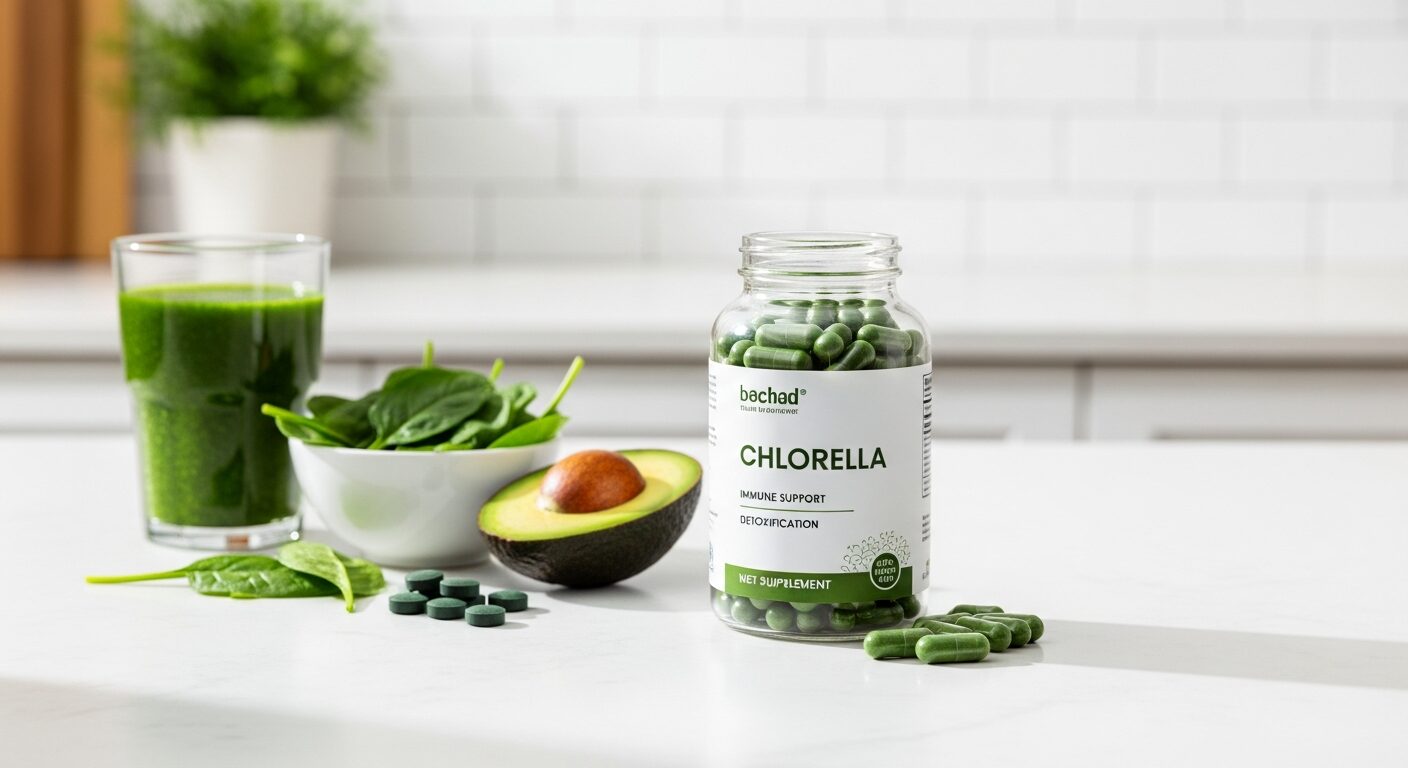
In the world of superfoods and green supplements, few organisms pack as much nutritional punch as chlorella. This microscopic freshwater algae has been quietly revolutionizing the supplement industry, earning recognition from nutritionists and researchers worldwide for its remarkable concentration of vitamins, minerals, and unique compounds that simply can’t be found in other foods.
Despite being around for over two billion years, chlorella has only recently gained mainstream attention as a powerful dietary supplement. What makes this single-celled green algae so special isn’t just its impressive nutrient profile—it’s the unique way these nutrients work synergistically in your body to support everything from immune function to cellular detoxification. Unlike many supplements that provide isolated compounds, chlorella delivers a complex matrix of bioactive substances that nature has perfectly balanced over millennia of evolution.
🌿 Looking for Chlorella supplements? Shop Amazon →
Contents
What is Chlorella
Chlorella is a genus of single-celled, freshwater green algae belonging to the division Chlorophyta. These microscopic organisms are among the oldest life forms on Earth, having survived and thrived for billions of years through their remarkable ability to photosynthesize and reproduce rapidly under optimal conditions.
What sets chlorella apart from other microalgae is its incredibly dense nutritional composition packed into each tiny cell, which measures only 2-10 micrometers in diameter. Each cell is surrounded by a tough cellulose wall that protects its valuable contents but also requires special processing to make the nutrients bioavailable to humans.
The most commonly used species for supplementation are Chlorella vulgaris and Chlorella pyrenoidosa, both cultivated in controlled freshwater environments to ensure purity and optimal nutrient content. Commercial chlorella production involves carefully monitored cultivation systems that provide ideal growing conditions while preventing contamination from heavy metals or other environmental toxins.
Chlorella’s deep green color comes from its exceptionally high chlorophyll content—in fact, it contains more chlorophyll per gram than almost any other plant on Earth. This chlorophyll, along with complete proteins, essential fatty acids, vitamins, minerals, and unique growth factors, makes chlorella one of the most nutritionally dense foods available.
Key Benefits of Chlorella
Scientific research has revealed numerous health benefits associated with regular chlorella consumption, supported by clinical studies and laboratory investigations.
Immune System Support: Chlorella contains beta-glucans and other polysaccharides that help modulate immune function. A randomized controlled trial published in 2012 demonstrated that chlorella supplementation significantly increased the activity of natural killer cells and enhanced overall immune response in healthy adults.
Detoxification Properties: One of chlorella’s most studied benefits is its ability to bind to heavy metals and support the body’s natural detoxification processes. The algae’s unique cell wall structure contains compounds that can chelate toxic metals like mercury, lead, and cadmium, helping facilitate their elimination from the body.
Cardiovascular Health: Regular chlorella supplementation has been shown to support healthy cholesterol levels and blood pressure. The high concentration of antioxidants, including chlorophyll, carotenoids, and vitamins C and E, helps protect against oxidative stress that can contribute to cardiovascular disease.
Digestive Health: Chlorella acts as a prebiotic, supporting the growth of beneficial gut bacteria. Its fiber content and enzyme-supporting compounds help promote healthy digestion and regular bowel movements.
Energy and Vitality: The complete protein profile, B-vitamins, and iron in chlorella can help combat fatigue and support sustained energy levels throughout the day. Many users report improved stamina and mental clarity with consistent use.
What Most People Get Wrong About Chlorella
Despite chlorella’s growing popularity, several persistent myths and misconceptions continue to circulate, often leading to unrealistic expectations or improper use.
Myth 1: All Chlorella Products Are the Same
Many consumers assume that chlorella supplements are interchangeable, but this couldn’t be further from the truth. The processing method used to break down chlorella’s tough cell wall dramatically affects nutrient bioavailability. Some manufacturers use harsh chemical treatments or excessive heat that can damage delicate nutrients, while others employ gentle mechanical or sound-wave processing that preserves the algae’s nutritional integrity. Additionally, growing conditions, harvesting methods, and quality control measures vary significantly between producers, resulting in products with vastly different potency and purity levels.
Myth 2: Chlorella is Just an Expensive Source of Vitamins You Can Get Elsewhere
While chlorella does contain many common vitamins and minerals, this perspective misses the bigger picture. Chlorella provides unique compounds like Chlorella Growth Factor (CGF), a complex of nucleic acids, amino acids, and other bioactive substances that cannot be found in typical foods or synthetic vitamins. CGF is believed to support cellular repair and regeneration processes in ways that isolated nutrients cannot replicate. The synergistic effect of chlorella’s complete nutritional matrix often produces benefits that exceed what you’d expect from its individual components alone.
Myth 3: More Chlorella is Always Better
Some enthusiasts believe that dramatically increasing their chlorella intake will accelerate benefits, but this approach often backfires. Taking excessive amounts of chlorella, especially when starting out, can overwhelm the digestive system and cause uncomfortable side effects like nausea, diarrhea, or stomach cramping. More importantly, chlorella’s detoxification effects can release stored toxins faster than the body can eliminate them if dosing is too aggressive, potentially causing temporary symptoms like headaches or fatigue. The optimal approach involves starting with small doses and gradually increasing to allow the body to adapt.
Myth 4: Chlorella Works Immediately Like a Medicine
Unlike pharmaceutical drugs that provide rapid symptom relief, chlorella works by supporting the body’s natural processes over time. Many people expect to feel dramatically different within days of starting supplementation and discontinue use when immediate effects aren’t apparent. However, research shows that chlorella’s most significant benefits typically emerge after consistent use for several weeks to months as the body’s systems gradually optimize and cellular health improves.
What Happens to Your Body After 30 Days of Taking Chlorella
Understanding the timeline of chlorella’s effects can help set realistic expectations and maintain consistent supplementation during the adjustment period.
Week 1: Initial Adaptation
During the first week, your body begins adapting to chlorella’s unique nutrient profile and bioactive compounds. Some people experience mild digestive adjustments as their gut microbiome responds to chlorella’s prebiotic effects. You might notice slight changes in bowel movements as fiber content increases and digestive processes optimize. Energy levels may fluctuate as your body starts utilizing chlorella’s B-vitamins and iron more efficiently. It’s common to experience mild detoxification symptoms like slight headaches or fatigue as cellular cleanup processes begin to activate.
Week 2: Noticeable Improvements
By the second week, most digestive adjustments have resolved, and more positive effects become apparent. Research published in 2014 showed that immune markers began improving within 2-3 weeks of consistent chlorella supplementation. Many users report more stable energy levels throughout the day, reduced afternoon fatigue, and improved mental clarity. Sleep quality often improves as the body’s natural rhythms stabilize with better nutrition. Some people notice improvements in skin appearance as antioxidant activity increases and cellular repair processes enhance.
Week 3-4: Full Benefits Emerge
The final weeks of the first month typically showcase chlorella’s most significant effects. Immune function improvements become more pronounced, with many users reporting fewer minor illnesses or faster recovery times. A 2013 study demonstrated that cardiovascular markers like cholesterol levels and blood pressure showed meaningful improvements after 3-4 weeks of consistent use. Energy levels stabilize at higher baselines, and many people report improved exercise performance and recovery. The cumulative antioxidant effects become apparent through better stress resilience and overall vitality. Digestive health typically reaches optimal levels, with improved regularity and reduced bloating or discomfort.
Who Should NOT Take Chlorella
While chlorella is generally safe for most healthy adults, certain individuals should exercise caution or avoid supplementation entirely.
Blood Clotting Disorders: Chlorella’s high vitamin K content can interfere with blood-thinning medications like warfarin. People taking anticoagulants should consult their healthcare provider before using chlorella, as it may reduce medication effectiveness and increase clotting risk.
Autoimmune Conditions: Because chlorella can stimulate immune system activity, individuals with autoimmune diseases like rheumatoid arthritis, lupus, or multiple sclerosis should use caution. Enhanced immune activity could potentially exacerbate autoimmune symptoms in sensitive individuals.
Iodine Sensitivity: Some chlorella products contain trace amounts of iodine, which can trigger reactions in people with iodine allergies or hyperthyroidism. Those with thyroid disorders should choose iodine-free chlorella products and monitor their response carefully.
Pregnancy and Breastfeeding: While chlorella is likely safe during pregnancy and lactation, the limited research in these populations warrants caution. Pregnant and nursing women should consult their healthcare providers before starting any new supplement regimen.
Kidney Disease: Chlorella’s high protein content may not be appropriate for individuals with severe kidney disease who need to restrict protein intake. The supplement’s potassium content could also be problematic for those with compromised kidney function.
Medication Interactions: Beyond blood thinners, chlorella may interact with immunosuppressive drugs, diabetes medications, and certain chemotherapy treatments. Always inform your healthcare provider about chlorella use if you’re taking prescription medications.
Dosage and Best Forms
Optimal chlorella dosing depends on individual health goals, body weight, and tolerance levels. Most research studies have used doses ranging from 3-10 grams daily, typically divided into multiple smaller doses taken with meals to optimize absorption and minimize digestive upset.
Beginner Protocol: Start with 1-2 grams daily for the first week, gradually increasing by 1 gram weekly until reaching your target dose. This approach allows your digestive system to adapt and minimizes potential side effects.
Maintenance Dosing: Most adults benefit from 3-6 grams daily for general health maintenance. Those using chlorella for specific therapeutic purposes may require higher doses under professional guidance.
Tablet Form: Compressed chlorella tablets offer convenience and precise dosing. Look for products that specify the cell wall breaking method and avoid tablets with unnecessary fillers or artificial additives.
Powder Form: Chlorella powder provides maximum flexibility for dosing adjustments and can be easily mixed into smoothies, juices, or water. The powder form is often more cost-effective for higher daily doses.
Quality Considerations: Choose organic, non-GMO chlorella that’s been tested for heavy metals, microbial contamination, and other impurities. Products should specify the processing method used to break the cell wall and provide third-party testing certificates.
🌿 Looking for Chlorella Supplements?
Browse top-rated Chlorella supplements, independently tested and recommended by our editorial team.
Affiliate disclosure: We may earn a small commission at no extra cost to you.
Frequently Asked Questions
Can I take chlorella on an empty stomach?
While chlorella can be taken without food, most people experience better tolerance and absorption when taken with meals. The nutrients in chlorella, particularly fat-soluble vitamins, are better absorbed in the presence of dietary fats. If you experience nausea or stomach upset, try taking chlorella with food or reducing your dose.
How long does it take to see results from chlorella?
Individual responses vary, but most people begin noticing subtle improvements in energy and digestion within 1-2 weeks. More significant benefits like improved immune function and detoxification effects typically become apparent after 3-4 weeks of consistent use. Long-term benefits may continue developing for several months.
Can children take chlorella?
Chlorella can be safe for children in appropriate doses, typically calculated based on body weight. However, children may be more sensitive to the taste and potential digestive effects. Consult with a pediatrician before giving chlorella to children, and start with very small amounts to assess tolerance.
Does chlorella interact with birth control pills?
There are no known direct interactions between chlorella and hormonal contraceptives. However, chlorella’s detoxification effects could theoretically impact hormone metabolism. While this interaction is unlikely to be clinically significant, women using hormonal contraceptives should monitor for any changes and consult their healthcare provider if concerns arise.
Should I cycle chlorella or take it continuously?
Most research supports continuous daily use rather than cycling. Chlorella’s benefits appear to be cumulative, building over time with consistent supplementation. However, some practitioners recommend occasional breaks to prevent tolerance or allow the body to reset. A common approach is taking chlorella for 5-6 days per week with 1-2 rest days.
Medical Disclaimer
This article is for informational and educational purposes only and does not constitute medical advice. The information provided has not been evaluated by the FDA and is not intended to diagnose, treat, cure, or prevent any disease. Individual results may vary, and you should consult with a qualified healthcare professional before starting any new supplement regimen, especially if you have pre-existing medical conditions, are pregnant or nursing, or are taking prescription medications. Always speak with your doctor before making changes to your healthcare routine.