
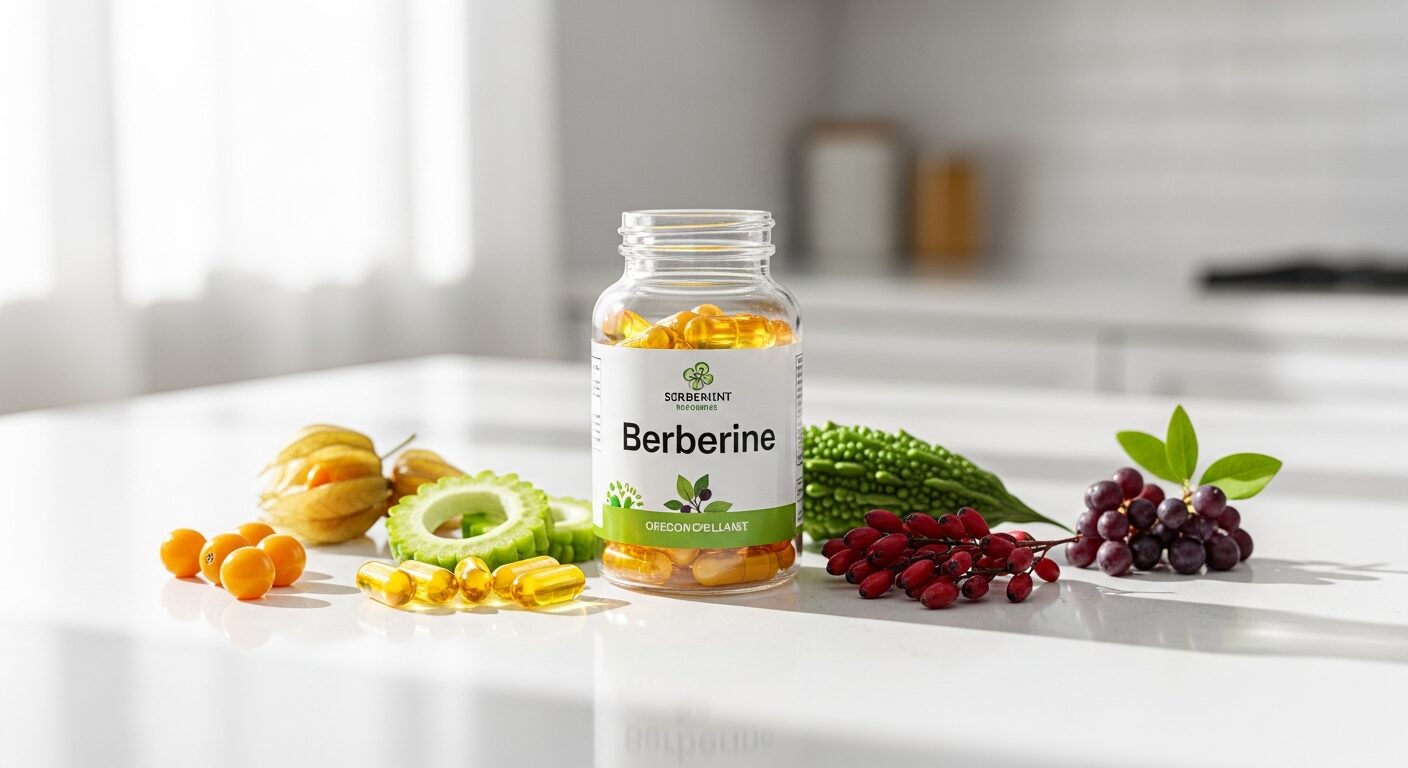
In the quest for natural weight management solutions, berberine has emerged as one of the most promising compounds backed by legitimate scientific research. This golden-yellow alkaloid, extracted from various plants including goldenseal and barberry, has been quietly revolutionizing how we approach metabolic health and weight loss.
While social media influencers tout countless “miracle” supplements with little scientific backing, berberine stands apart with over 2,800 published studies examining its effects on human health. What researchers have discovered about this ancient compound’s ability to influence weight loss, blood sugar control, and metabolic function is nothing short of remarkable.
But before you rush to add berberine to your supplement regimen, it’s crucial to understand what the science actually says about its benefits, limitations, and potential risks. This comprehensive guide cuts through the hype to deliver evidence-based insights about berberine’s role in weight management and overall health.
🌿 Looking for Berberine supplements? Shop Amazon →
Contents
What is Berberine
Berberine is a bioactive compound classified as an isoquinoline alkaloid, naturally found in several plant species including Berberis vulgaris (barberry), Hydrastis canadensis (goldenseal), and Coptis chinensis (Chinese goldthread). For over 3,000 years, traditional Chinese and Ayurvedic medicine have utilized berberine-containing plants to treat various ailments, from digestive issues to infections.
From a biochemical perspective, berberine’s power lies in its ability to activate AMP-activated protein kinase (AMPK), often called the body’s “metabolic master switch.” This enzyme plays a crucial role in cellular energy regulation, influencing how your body processes glucose, burns fat, and manages inflammation. When AMPK is activated, it signals cells to increase energy production and improve insulin sensitivity.
Unlike many synthetic compounds, berberine works at the cellular level to address multiple aspects of metabolic dysfunction simultaneously. This multi-target approach explains why research has shown benefits not just for weight loss, but also for blood sugar control, cholesterol management, and cardiovascular health.
Key Benefits of Berberine
Scientific research has identified several compelling benefits of berberine supplementation, particularly for metabolic health and weight management. The most significant advantage is its ability to improve insulin sensitivity and glucose metabolism. Studies consistently show that berberine can reduce fasting blood glucose levels by 15-25% and improve HbA1c levels comparably to prescription diabetes medications.
For weight loss specifically, berberine demonstrates modest but consistent effects. Clinical trials typically show weight reductions of 4-6 pounds over 12-week periods, along with improvements in body composition. More importantly, berberine appears to target visceral fat—the dangerous abdominal fat linked to cardiovascular disease and metabolic disorders.
Cardiovascular benefits represent another major area where berberine excels. Research indicates it can reduce total cholesterol by 12-15%, lower LDL cholesterol by 9-15%, and decrease triglycerides by 23-35%. These lipid improvements, combined with modest blood pressure reductions, contribute to overall cardiovascular risk reduction.
The compound also exhibits anti-inflammatory properties that may support long-term health. By reducing chronic low-grade inflammation, berberine may help prevent the development of metabolic syndrome and related complications.
What Most People Get Wrong About Berberine
Despite its legitimate benefits, several misconceptions about berberine persist in popular health discussions. Understanding these myths is crucial for setting realistic expectations and using berberine safely and effectively.
Myth 1: Berberine is a “Natural Ozempic”
Recent social media trends have labeled berberine as “nature’s Ozempic,” suggesting it provides similar dramatic weight loss results as GLP-1 receptor agonists. This comparison is misleading and potentially dangerous. While both compounds can support weight management, they work through entirely different mechanisms and produce vastly different results.
Ozempic (semaglutide) can produce 15-20% body weight reduction in clinical trials, while berberine typically results in 3-5% weight loss. Berberine activates AMPK and improves insulin sensitivity, whereas Ozempic mimics incretin hormones to slow gastric emptying and reduce appetite. The comparison creates unrealistic expectations that may lead to disappointment or improper dosing.
Myth 2: Higher Doses Provide Better Results
Many people assume that if 500mg of berberine is beneficial, taking 1500mg or 2000mg will be even better. Research doesn’t support this “more is better” approach. Most clinical studies showing positive results use doses between 900-1500mg daily, divided into multiple doses.
Higher doses actually increase the risk of gastrointestinal side effects without proportional benefits. Berberine has poor bioavailability, meaning only a small percentage of what you consume actually reaches your bloodstream. Taking excessive amounts doesn’t overcome this limitation and may cause unnecessary digestive distress.
Myth 3: Berberine Works Immediately for Weight Loss
Unlike stimulant-based weight loss supplements that may produce immediate but temporary effects, berberine works gradually by improving underlying metabolic function. Many people expect to see dramatic results within days or weeks, leading to premature discontinuation when quick results don’t materialize.
Clinical research shows that berberine’s most significant benefits typically emerge after 8-12 weeks of consistent use. The compound needs time to improve insulin sensitivity, reduce inflammation, and optimize cellular energy metabolism. Expecting immediate results sets users up for disappointment and may prevent them from experiencing berberine’s genuine long-term benefits.
Myth 4: Berberine is Safe for Everyone Because It’s Natural
The assumption that natural automatically means safe is particularly problematic with berberine. This compound has significant pharmacological activity and can interact with numerous medications, particularly those metabolized by the liver. It’s not appropriate for pregnant women, people with certain medical conditions, or those taking specific medications.
Berberine can also cause meaningful changes in blood sugar levels, which may be problematic for people with diabetes who are already taking glucose-lowering medications. The “natural” label doesn’t eliminate the need for proper medical supervision, especially for individuals with underlying health conditions.
What Happens to Your Body After 30 Days of Taking Berberine
Understanding berberine’s timeline helps set appropriate expectations and maximize its benefits. Research provides insights into how the compound affects your body during the first critical month of supplementation.
Week 1: Initial Cellular Changes
During the first week, berberine begins activating AMPK pathways at the cellular level, though you may not notice obvious external changes. Some people experience mild gastrointestinal effects including loose stools, stomach upset, or cramping as their digestive system adjusts to the compound. These effects typically diminish as your body adapts.
Blood glucose levels may begin to stabilize slightly, particularly after meals, though dramatic changes are unlikely this early. People with insulin resistance might notice subtle improvements in post-meal energy levels as glucose uptake becomes more efficient.
Week 2: Metabolic Improvements Emerge
By the second week, berberine’s effects on glucose metabolism become more apparent. Research published in Metabolism Clinical and Experimental, 2008 demonstrates that berberine can reduce fasting glucose levels within 1-2 weeks of initiation.
Energy levels may improve as cellular metabolism becomes more efficient. Some users report better sleep quality and reduced afternoon energy crashes as blood sugar fluctuations moderate. Weight changes remain minimal at this stage, though some people notice reduced bloating or water retention.
Week 3-4: Comprehensive Benefits Develop
The final weeks of the first month typically bring the most noticeable changes. Weight loss becomes measurable, usually 1-3 pounds, though this varies significantly between individuals. More importantly, body composition may improve as berberine promotes fat oxidation while preserving lean muscle mass.
Cardiovascular markers begin showing improvement, with some people experiencing lower blood pressure readings and better lipid profiles. The anti-inflammatory effects become more pronounced, potentially reducing joint discomfort and improving overall well-being. A comprehensive review in Evidence-Based Complementary and Alternative Medicine, 2012 confirms these multi-system benefits develop progressively over the first month of treatment.
Who Should NOT Take Berberine
While berberine offers significant benefits for many people, certain individuals should avoid this supplement or use it only under medical supervision. Understanding these contraindications is essential for safe supplementation.
Pregnant and breastfeeding women should not take berberine. The compound can cross the placental barrier and may interfere with fetal development. Limited research exists on berberine’s effects during pregnancy, but animal studies suggest potential risks that make supplementation inadvisable during this critical period.
People taking diabetes medications require special caution with berberine. Since the compound can significantly lower blood glucose levels, combining it with metformin, insulin, or other glucose-lowering drugs may cause dangerous hypoglycemia. Anyone with diabetes should consult their healthcare provider before adding berberine to their regimen and monitor blood glucose levels closely.
Individuals with liver or kidney disease should avoid berberine or use it only under medical supervision. The compound undergoes extensive liver metabolism and could potentially worsen existing liver conditions. Similarly, people with severe kidney disease may not properly eliminate berberine metabolites.
Berberine interacts with numerous medications through its effects on liver enzymes, particularly CYP2D6 and CYP3A4. It can increase blood levels of certain medications including cyclosporine, some antibiotics, and various heart medications. People taking prescription medications should consult their pharmacist or physician about potential interactions before starting berberine.
Children and adolescents should not take berberine supplements unless specifically recommended by a pediatric healthcare provider. Limited safety data exists for younger populations, and the compound’s effects on growth and development remain unknown.
Dosage and Best Forms
Optimal berberine dosing requires careful consideration of bioavailability, timing, and individual tolerance. Most clinical research supports doses between 900-1500mg daily, divided into 2-3 separate doses taken with meals. This divided dosing approach helps minimize gastrointestinal side effects while maintaining steady blood levels throughout the day.
Standard berberine HCl represents the most common and well-researched form. However, newer formulations attempt to address berberine’s poor bioavailability through various enhancement strategies. Berberine phytosome combines the compound with phospholipids to improve absorption, while sustained-release formulations provide more consistent blood levels.
Some manufacturers offer berberine combined with other compounds like milk thistle or alpha-lipoic acid. While these combinations may provide additional benefits, they also increase complexity and potential for interactions. Single-ingredient berberine supplements allow for more precise dosing and easier monitoring of effects.
Quality varies significantly between berberine supplements. Look for products that specify berberine HCl content, provide third-party testing results, and are manufactured in GMP-certified facilities. Avoid products making exaggerated claims or combining berberine with numerous other ingredients.
Starting with lower doses (300-500mg daily) and gradually increasing helps minimize digestive side effects while allowing your body to adapt. Take berberine with meals to reduce stomach irritation and optimize absorption.
🌿 Looking for Berberine Supplements?
Browse top-rated Berberine supplements, independently tested and recommended by our editorial team.
Affiliate disclosure: We may earn a small commission at no extra cost to you.
Frequently Asked Questions
How long does it take to see weight loss results with berberine?
Most people begin noticing modest weight loss after 4-6 weeks of consistent berberine use, with more significant results typically appearing after 8-12 weeks. Research in Phytomedicine, 2012 demonstrates that meaningful weight and metabolic improvements generally require at least 12 weeks of supplementation. Individual results vary based on diet, exercise, starting weight, and metabolic health status.
Can I take berberine with other supplements?
Berberine generally combines well with most vitamins and minerals, though some interactions warrant caution. Avoid taking berberine with other glucose-lowering supplements like chromium or alpha-lipoic acid without medical supervision. Probiotics may actually enhance berberine’s benefits by supporting gut health. Always space berberine doses at least 2 hours apart from fiber supplements or medications to prevent absorption interference.
What are the most common side effects of berberine?
Gastrointestinal effects represent the most frequent berberine side effects, including loose stools, stomach cramping, nausea, and gas. These effects typically occur during the first 1-2 weeks and diminish as your body adapts. Taking berberine with meals and starting with lower doses can minimize these issues. Rarely, some people experience headaches, dizziness, or skin rash.
Is berberine safe for long-term use?
Current research suggests berberine is generally safe for long-term use in healthy adults when taken at appropriate doses. Studies lasting up to one year show continued benefits without serious adverse effects. However, long-term safety data remains limited, and periodic medical monitoring is advisable for extended use, particularly for people with underlying health conditions or those taking medications.
Should I cycle berberine or take it continuously?
Unlike some supplements that require cycling to prevent tolerance, berberine appears to maintain its effectiveness with continuous use. Most clinical studies use continuous dosing protocols without cycling periods. However, some practitioners recommend occasional breaks to assess ongoing need and prevent potential nutrient interactions. Discuss the optimal schedule with your healthcare provider based on your individual health goals and response to treatment.
Medical Disclaimer
The information provided in this article is for educational purposes only and is not intended as a substitute for professional medical advice, diagnosis, or treatment. Always seek the advice of your physician or other qualified health provider with any questions you may have regarding a medical condition or supplement use.
Never disregard professional medical advice or delay in seeking it because of something you have read in this article. If you think you may have a medical emergency, call your doctor or emergency services immediately.
Individual results with berberine supplementation may vary significantly. The studies and benefits mentioned in this article represent general findings from clinical research and may not apply to every individual. Before starting any new supplement regimen, especially if you have existing health conditions or take medications, consult with your healthcare provider to determine if berberine is appropriate for your specific situation.