
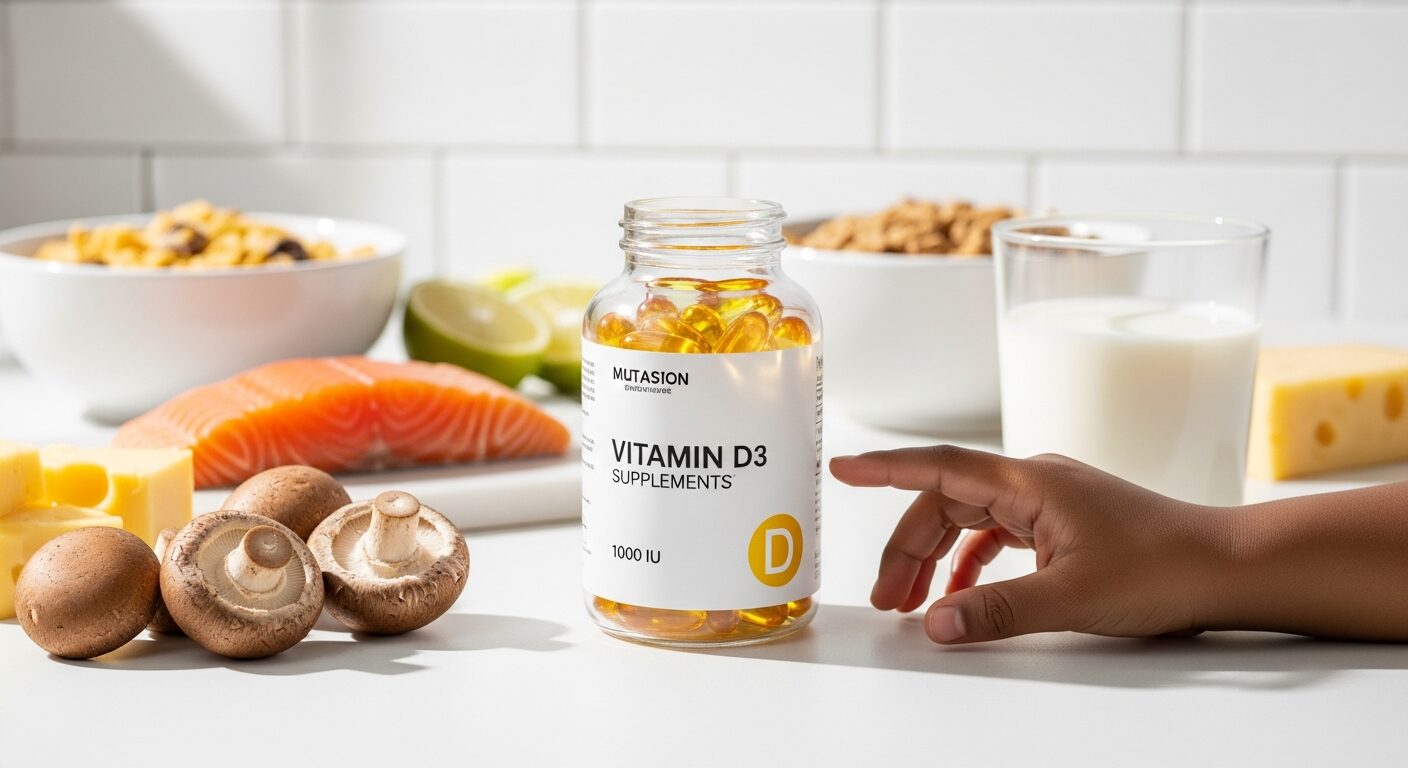
If you have darker skin, you might be walking around with a hidden health disadvantage that affects millions of people worldwide. Despite living in sunny climates or taking what seems like adequate vitamin D, people with darker skin tones are significantly more likely to be vitamin D deficient than their lighter-skinned counterparts. This isn’t just a minor nutritional gap—it’s a serious health concern that can impact everything from your immune system to your mental wellbeing.
The relationship between skin pigmentation and vitamin D synthesis is more complex than most people realize. Melanin, the pigment that gives skin its darker color and provides natural protection against UV radiation, also acts as a natural sunscreen that can reduce vitamin D production by up to 99%. This means that even if you spend considerable time outdoors, your body might still struggle to produce adequate levels of this crucial nutrient.
Understanding why dark-skinned individuals need more vitamin D—and how to address this deficiency effectively—could be the key to unlocking better health outcomes and preventing a range of chronic diseases that disproportionately affect these populations.
🌿 Looking for Vitamin D supplements? Shop Amazon →
Contents
What is Vitamin D
Vitamin D is often called the “sunshine vitamin” because your skin produces it when exposed to ultraviolet B (UVB) rays from sunlight. However, calling it a vitamin is somewhat misleading—vitamin D actually functions more like a hormone in your body, influencing the expression of over 1,000 genes and affecting virtually every tissue and cell.
There are two main forms of vitamin D: vitamin D2 (ergocalciferol) found in some foods and supplements, and vitamin D3 (cholecalciferol) produced by your skin and found in animal-based foods. When you’re exposed to UVB radiation, a cholesterol derivative in your skin called 7-dehydrocholesterol converts to previtamin D3, which then becomes vitamin D3.
Once vitamin D enters your bloodstream, it travels to your liver where it’s converted to 25-hydroxyvitamin D [25(OH)D], the storage form that doctors test for when checking your vitamin D status. From there, it goes to your kidneys and other tissues where it’s converted to the active hormone form, calcitriol, which can then bind to vitamin D receptors throughout your body.
For people with darker skin, this entire process is significantly less efficient. Melanin absorbs UV radiation before it can trigger vitamin D synthesis, meaning that individuals with higher melanin content need 3-5 times more sun exposure than lighter-skinned people to produce the same amount of vitamin D.
Key Benefits of Vitamin D
Vitamin D’s influence extends far beyond the commonly known bone health benefits. While it’s true that vitamin D is essential for calcium absorption and bone mineralization, research has revealed its critical role in immune function, cardiovascular health, mental wellbeing, and disease prevention.
Your immune system relies heavily on adequate vitamin D levels to function optimally. Vitamin D helps regulate both innate and adaptive immune responses, supporting your body’s ability to fight off infections while preventing excessive inflammatory reactions. This is particularly important for respiratory health, as vitamin D deficiency has been linked to increased susceptibility to respiratory infections and more severe outcomes from respiratory illnesses.
Cardiovascular health is another area where vitamin D plays a crucial role. The nutrient helps regulate blood pressure by influencing the renin-angiotensin system, supports healthy endothelial function, and may help reduce inflammation in blood vessels. Studies have shown that people with adequate vitamin D levels tend to have lower blood pressure and reduced risk of cardiovascular events.
Mental health benefits of vitamin D are increasingly recognized by researchers. The nutrient influences the production of serotonin, the neurotransmitter associated with mood regulation. Vitamin D receptors are present throughout the brain, and deficiency has been linked to increased rates of depression, seasonal affective disorder, and cognitive decline.
For darker-skinned populations, these benefits are particularly significant because vitamin D deficiency rates are higher in these groups, potentially contributing to health disparities seen in cardiovascular disease, immune dysfunction, and mental health conditions.
What Most People Get Wrong About Vitamin D
One of the most persistent myths about vitamin D is that you can get enough from food sources alone. While foods like fatty fish, egg yolks, and fortified products contain vitamin D, the amounts are relatively small compared to what your body needs. A serving of salmon contains about 400-600 IU of vitamin D, but many people with darker skin need 2,000-4,000 IU daily to maintain optimal levels. Relying solely on dietary sources would require eating large amounts of vitamin D-rich foods daily, which isn’t practical or affordable for most people.
Another common misconception is that brief sun exposure is sufficient for everyone. While 10-15 minutes of midday sun might be adequate for someone with very light skin, people with darker skin tones may need 30 minutes to 2 hours of sun exposure to produce equivalent amounts of vitamin D. This extended exposure requirement becomes problematic in northern latitudes, during winter months, or for people who work indoors or live in urban areas with limited sun access.
Many people also believe that living in a sunny climate automatically protects against vitamin D deficiency. However, research consistently shows that even in sunny regions like the southern United States, Middle East, and parts of Africa, vitamin D deficiency remains common among darker-skinned populations. Factors like air pollution, clothing coverage, indoor lifestyles, and the angle of the sun throughout the year all affect vitamin D synthesis regardless of overall climate.
Perhaps the most dangerous misconception is that vitamin D deficiency only affects bone health and that other symptoms are unrelated to vitamin D status. In reality, vitamin D deficiency can manifest as fatigue, muscle weakness, frequent infections, mood changes, and slow wound healing long before any bone problems become apparent. Many people suffer from these symptoms for years without connecting them to their vitamin D status, particularly in communities where vitamin D testing isn’t routine.
What Happens to Your Body After 30 Days of Taking Vitamin D
The timeline for vitamin D’s effects in your body follows a predictable pattern, though individual responses can vary based on starting levels, dosage, and absorption factors. Understanding this timeline can help set realistic expectations and encourage consistency with supplementation.
Week 1: Initial Absorption and Storage
During the first week of supplementation, vitamin D is being absorbed and converted to its storage form in your liver. You likely won’t notice dramatic changes yet, but your blood levels of 25(OH)D are beginning to rise. Some people report subtle improvements in energy levels or sleep quality, though these effects might be more noticeable in those who were severely deficient. Your immune system is already beginning to benefit from improved vitamin D status, even if you don’t feel different yet.
Week 2: Early Functional Improvements
By the second week, many people begin experiencing more noticeable changes. Energy levels often improve as vitamin D supports mitochondrial function and muscle metabolism. If you were experiencing frequent minor infections or slow healing, you might notice improvements in your body’s ability to fight off illness. Mood improvements may become apparent, particularly if you were dealing with seasonal depression or vitamin D-related mood symptoms. Some individuals report better sleep quality and reduced muscle aches or joint discomfort.
Weeks 3-4: Reaching Therapeutic Levels
The most significant changes typically occur during weeks three and four as your vitamin D levels approach therapeutic ranges. Research on vitamin D supplementation timing shows that blood levels typically plateau around 4-8 weeks, depending on dosage and individual factors. During this period, immune function improvements become more pronounced, with many people reporting fewer colds or respiratory infections. Muscle strength and physical performance may improve, which is particularly noticeable in older adults or those who were severely deficient.
Mental health benefits often become more apparent during this phase, with improvements in mood, cognitive function, and overall sense of wellbeing. Cardiovascular benefits, while not immediately noticeable, are occurring at the cellular level as vitamin D supports healthy blood pressure regulation and vascular function.
Who Should NOT Take Vitamin D
While vitamin D supplementation is generally safe for most people, certain individuals should exercise caution or avoid supplementation without medical supervision. Understanding these contraindications is crucial for safe and effective use.
People with hypercalcemia (elevated blood calcium levels) should not take vitamin D supplements without careful medical monitoring. Vitamin D increases calcium absorption, and additional supplementation could worsen elevated calcium levels, potentially leading to kidney stones, kidney damage, or cardiac arrhythmias. Similarly, individuals with a history of kidney stones, particularly calcium-based stones, should consult with healthcare providers before starting vitamin D supplementation.
Certain medications can interact with vitamin D, requiring dosage adjustments or avoiding supplementation altogether. Thiazide diuretics can increase calcium retention, potentially leading to hypercalcemia when combined with vitamin D. Digoxin users need careful monitoring because elevated calcium levels can increase the risk of dangerous heart rhythm abnormalities. People taking high doses of calcium supplements should also be cautious, as the combination with vitamin D could lead to excessive calcium absorption.
Individuals with granulomatous diseases like sarcoidosis, tuberculosis, or histoplasmosis may have altered vitamin D metabolism that can lead to hypercalcemia even with normal doses. These conditions can cause increased conversion of vitamin D to its active form, making standard supplementation potentially dangerous without medical supervision.
Pregnant and breastfeeding women, while often needing vitamin D supplementation, should work with healthcare providers to determine appropriate doses. Excessive vitamin D during pregnancy can potentially cause developmental problems in the fetus, while deficiency can lead to complications for both mother and baby. Elderly individuals, particularly those with kidney disease, may need adjusted dosing due to changes in vitamin D metabolism with age.
Dosage and Best Forms
For dark-skinned individuals, vitamin D dosing requirements are significantly higher than standard recommendations. While general guidelines suggest 600-800 IU daily, research specifically examining vitamin D needs in darker-skinned populations indicates that doses of 1,000-4,000 IU daily are often necessary to achieve optimal blood levels.
Vitamin D3 (cholecalciferol) is generally preferred over vitamin D2 (ergocalciferol) because it’s more effective at raising and maintaining blood levels. D3 is identical to what your skin produces naturally and has a longer half-life in the body, making it more efficient for maintaining consistent levels.
The optimal blood level of 25(OH)D is considered to be 30-50 ng/mL (75-125 nmol/L) by most experts, though some research suggests that levels of 40-60 ng/mL may provide additional benefits. For darker-skinned individuals starting from deficient levels, it may take 2,000-4,000 IU daily for several months to reach these targets.
Vitamin D is fat-soluble, so taking it with a meal containing healthy fats can significantly improve absorption. Some people prefer taking their daily dose with their largest meal, while others find that dividing the dose throughout the day works better for their digestive system.
Regular monitoring through blood testing is essential, especially when starting supplementation or adjusting doses. Testing should typically occur 2-3 months after starting supplementation or changing doses to allow blood levels to stabilize.
🌿 Looking for Vitamin D Supplements?
Browse top-rated Vitamin D supplements, independently tested and recommended by our editorial team.
Affiliate disclosure: We may earn a small commission at no extra cost to you.
Frequently Asked Questions
Can I get vitamin D from tanning beds or sun lamps?
While some tanning beds and sun lamps do emit UVB radiation that can trigger vitamin D synthesis, they’re not recommended due to increased skin cancer risk. The amount of UVB in tanning beds is often inconsistent, and the high levels of UVA radiation significantly increase melanoma risk. Supplementation is a much safer and more reliable way to maintain adequate vitamin D levels.
How long does it take to correct vitamin D deficiency?
Correcting vitamin D deficiency typically takes 2-4 months with appropriate supplementation, though this varies based on starting levels, dose, absorption, and individual factors. Studies show that people with darker skin often require longer treatment periods and higher doses to achieve optimal levels compared to lighter-skinned individuals. Severe deficiency may require initial high-dose therapy followed by maintenance dosing.
Are there any signs that I’m taking too much vitamin D?
Vitamin D toxicity is rare but can occur with very high doses over extended periods. Early signs include nausea, vomiting, weakness, and frequent urination. More serious symptoms include kidney damage and heart rhythm abnormalities. Blood levels above 100 ng/mL are considered potentially toxic. This is why regular monitoring is important, especially when taking higher doses.
Should I take vitamin D with other nutrients?
Vitamin D works synergistically with several other nutrients, particularly magnesium, vitamin K2, and calcium. Magnesium is required for vitamin D metabolism, so deficiency in magnesium can impair vitamin D function. Vitamin K2 helps direct calcium to bones rather than soft tissues. However, these nutrients can usually be obtained through a balanced diet, and additional supplementation should be based on individual needs and testing.
Can children with dark skin take vitamin D supplements?
Yes, children with darker skin are at high risk for vitamin D deficiency and often benefit from supplementation. Pediatric doses are typically lower than adult doses and should be determined by body weight and age. The American Academy of Pediatrics recommends at least 400 IU daily for children, but children with darker skin may need higher doses. Always consult with a pediatrician before starting supplementation in children.
Medical Disclaimer
This article is for informational purposes only and is not intended as medical advice. The information provided should not be used for diagnosing or treating any health condition. Vitamin D supplementation needs vary significantly between individuals based on skin tone, geographic location, lifestyle factors, health status, and other variables. Before starting any supplement regimen, especially at higher doses, consult with a qualified healthcare provider who can assess your individual needs and monitor your progress appropriately.
If you have existing health conditions, take medications, or have concerns about vitamin D deficiency symptoms, seek professional medical evaluation. Blood testing is the only reliable way to determine your vitamin D status and appropriate supplementation needs. Pregnant women, children, elderly individuals, and people with chronic health conditions should work closely with healthcare providers to ensure safe and effective vitamin D supplementation.