
Swimming is one of the most demanding sports on the human body, requiring exceptional cardiovascular endurance, muscular strength, and mental focus. Professional and recreational swimmers alike push their bodies through grueling training sessions that can last hours, often multiple times per day. This intense physical demand creates unique nutritional needs that standard diets may struggle to meet.
While proper nutrition forms the foundation of athletic performance, strategic supplementation can provide swimmers with the edge they need to excel in the pool. From supporting muscle recovery and reducing inflammation to enhancing energy production and maintaining immune function, the right supplements can help swimmers train harder, recover faster, and perform at their peak.
Understanding which supplements offer genuine benefits backed by scientific research is crucial for swimmers who want to optimize their performance safely and effectively. This comprehensive guide explores the most effective supplements for swimmers, based on current scientific evidence and real-world application in aquatic sports.
🌿 Looking for supplements supplements? Shop Amazon →
Contents
- 1 What is Supplements
- 2 Key Benefits of Supplements
- 3 What Most People Get Wrong About Supplements
- 4 What Happens to Your Body After 30 Days of Taking Supplements
- 5 Who Should NOT Take Supplements
- 6 Dosage and Best Forms
- 7 Frequently Asked Questions
- 7.1 Can I take multiple supplements together safely?
- 7.2 How long before competition should I stop taking new supplements?
- 7.3 Are expensive supplements always better than cheaper alternatives?
- 7.4 Should I cycle supplements or take breaks from them?
- 7.5 Can supplements help with chlorine exposure effects?
- 8 Medical Disclaimer
What is Supplements
Supplements are concentrated forms of nutrients, herbs, or other compounds designed to complement a regular diet and support specific health or performance goals. In the context of swimming, supplements serve as targeted nutritional tools that address the unique physiological demands placed on swimmers’ bodies during training and competition.
Unlike medications, supplements are not intended to treat or cure diseases but rather to support normal physiological functions that may be stressed by intense training. For swimmers, this typically means supporting energy metabolism, muscle protein synthesis, recovery processes, and immune function. The supplement industry offers a vast array of products, from single-ingredient formulations like creatine monohydrate to complex multi-ingredient pre-workout blends.
Quality supplements undergo rigorous testing for purity, potency, and safety, with many brands specifically catering to athletes by ensuring their products are free from banned substances. Third-party testing organizations like NSF International and Informed Sport provide certification programs that give swimmers confidence in their supplement choices. Understanding the difference between evidence-based supplements and marketing hype is essential for making informed decisions that truly benefit performance.
Key Benefits of Supplements
The primary benefit of supplements for swimmers lies in their ability to support the body’s adaptation to intense training loads. Swimming places unique demands on the body, combining cardiovascular stress with muscular endurance requirements in an environment that can lead to increased energy expenditure and nutrient losses through prolonged water exposure.
Enhanced energy production represents one of the most significant benefits supplements can offer swimmers. The phosphocreatine system, which provides immediate energy for high-intensity efforts like sprint starts and turns, can be supported through creatine supplementation. Research has consistently shown that creatine supplementation can improve repeated high-intensity performance, making it particularly valuable for swimmers who need to maintain power output across multiple races or training sets.
Recovery acceleration is another crucial benefit area where supplements excel. The combination of mechanical stress from stroke repetition and metabolic stress from sustained effort creates an environment where targeted supplementation can significantly impact recovery speed. Supplements that support protein synthesis, reduce inflammation, and replenish depleted nutrients can help swimmers return to peak performance more quickly between training sessions.
Immune system support becomes particularly important for swimmers who train in pool environments where chlorine exposure and shared facilities can increase infection risk. Certain supplements have been shown to maintain immune function during periods of intense training, when exercise-induced immunosuppression might otherwise increase illness susceptibility. This benefit extends beyond just avoiding sickness to maintaining consistent training availability throughout competitive seasons.
What Most People Get Wrong About Supplements
One of the most persistent misconceptions about supplements for swimmers is that more is always better. Many athletes fall into the trap of believing that if a recommended dose provides benefits, doubling or tripling that dose will yield proportionally greater results. This approach not only wastes money but can actually be counterproductive or even dangerous. The body has specific absorption capacities and metabolic pathways that become saturated at certain intake levels, meaning excess amounts are simply eliminated or, worse, may interfere with the absorption of other nutrients.
Another common myth is that supplements can compensate for poor dietary habits or inadequate sleep. Some swimmers believe they can maintain a diet of processed foods and irregular eating patterns as long as they take the right supplements. Scientific evidence clearly demonstrates that supplements work synergistically with proper nutrition and recovery practices, not as replacements for them. The most effective supplementation protocols are built upon foundations of adequate caloric intake, balanced macronutrients, and sufficient rest.
Many swimmers also incorrectly assume that all supplements work immediately and dramatically. This expectation is fueled by marketing claims and anecdotal reports that don’t reflect the reality of how most supplements function. Many evidence-based supplements, such as creatine and beta-alanine, require weeks of consistent use to build up tissue levels and demonstrate measurable performance benefits. The absence of immediate effects doesn’t indicate ineffectiveness but rather reflects the normal timeline of physiological adaptation.
Perhaps the most dangerous misconception is that “natural” automatically means “safe” and “legal” for competitive swimmers. Some athletes assume that plant-based or naturally-derived supplements carry no risk of positive drug tests or adverse effects. However, many natural compounds can be potent and potentially harmful, while some natural supplements have been contaminated with banned substances during manufacturing. The source and processing of supplements matter significantly more than whether they’re classified as natural or synthetic.
What Happens to Your Body After 30 Days of Taking Supplements
During the first week of strategic supplementation, swimmers typically experience the most immediate changes in supplements that don’t require tissue saturation. Performance-enhancing supplements like caffeine and nitrates can show effects within hours of consumption, while others begin the process of building tissue stores. Creatine supplementation begins increasing muscle phosphocreatine levels, though peak saturation won’t occur for several weeks. Digestive adaptation also occurs during this period, as the body adjusts to processing new compounds.
Week two marks the beginning of more substantial physiological changes as tissue levels of key supplements reach therapeutically relevant concentrations. Creatine supplementation studies show muscle saturation occurs progressively over 2-4 weeks, with performance benefits emerging as stores increase. Swimmers may notice improved ability to maintain power output during high-intensity training sets and potentially faster recovery between intervals. Any initial digestive sensitivity typically resolves as the body fully adapts to the supplementation routine.
By weeks three and four, the full spectrum of supplement benefits typically becomes apparent. Muscle creatine stores reach saturation, providing maximum support for the phosphocreatine energy system. Beta-alanine supplementation reaches peak muscle carnosine levels after 3-4 weeks, improving buffering capacity during high-intensity exercise. Swimmers often report enhanced training quality, reduced fatigue during practice, and improved recovery between sessions. Immune support supplements may contribute to more consistent training availability by reducing the frequency of minor illnesses that could disrupt training schedules.
The cumulative effect after 30 days represents the true potential of a well-designed supplement protocol. Training adaptations supported by appropriate supplementation become more pronounced, and swimmers may notice improvements in metrics like power output, endurance capacity, and recovery speed. However, it’s important to note that these changes work in conjunction with consistent training and proper nutrition rather than as isolated effects of supplementation alone.
Who Should NOT Take Supplements
Certain populations should exercise extreme caution or avoid supplements entirely without medical supervision. Pregnant and breastfeeding swimmers represent the most critical group requiring careful consideration, as many supplements lack safety data for fetal development and can pass through breast milk. Even seemingly benign supplements like high-dose vitamins can pose risks during pregnancy, making medical consultation essential before beginning any supplementation protocol.
Swimmers under 18 years of age require special consideration, as their developing bodies may respond differently to supplements than adults. While basic nutritional support may be appropriate under guidance, performance-enhancing supplements are generally unnecessary and potentially harmful for young athletes who are still developing natural training adaptations. The focus for youth swimmers should remain on proper nutrition, adequate sleep, and progressive training rather than supplementation.
Individuals taking prescription medications must be particularly cautious about supplement interactions. Blood thinners, blood pressure medications, and diabetes medications can all interact with common supplements in potentially dangerous ways. For example, fish oil supplements can enhance the effects of blood-thinning medications, while certain pre-workout supplements can interfere with blood pressure medications. A comprehensive medication review with a healthcare provider is essential before beginning supplementation.
Swimmers with kidney or liver conditions should avoid most supplements, as these organs are responsible for processing and eliminating supplement compounds. Compromised kidney or liver function can lead to accumulation of supplement components to potentially toxic levels. Additionally, individuals with a history of eating disorders may use supplements as a way to further restrict food intake or manipulate body composition in unhealthy ways, making psychological evaluation important in these cases.
Dosage and Best Forms
Proper dosing represents one of the most critical aspects of effective supplementation for swimmers. Creatine monohydrate, one of the most researched supplements, requires a loading phase of 20 grams daily for 5-7 days, followed by a maintenance dose of 3-5 grams daily. This protocol ensures rapid saturation of muscle creatine stores while maintaining optimal levels long-term. The timing of creatine intake is less important than consistency, though many swimmers prefer post-workout consumption with carbohydrates to enhance uptake.
Beta-alanine dosing requires careful attention to minimize the characteristic tingling sensation that can be uncomfortable for some athletes. The effective dose ranges from 3-6 grams daily, but this should be divided into smaller doses of 800-1000mg taken throughout the day with meals. This approach reduces side effects while maintaining the steady intake necessary for muscle carnosine accumulation. Sustained-release formulations have shown improved tolerance and similar efficacy to immediate-release versions.
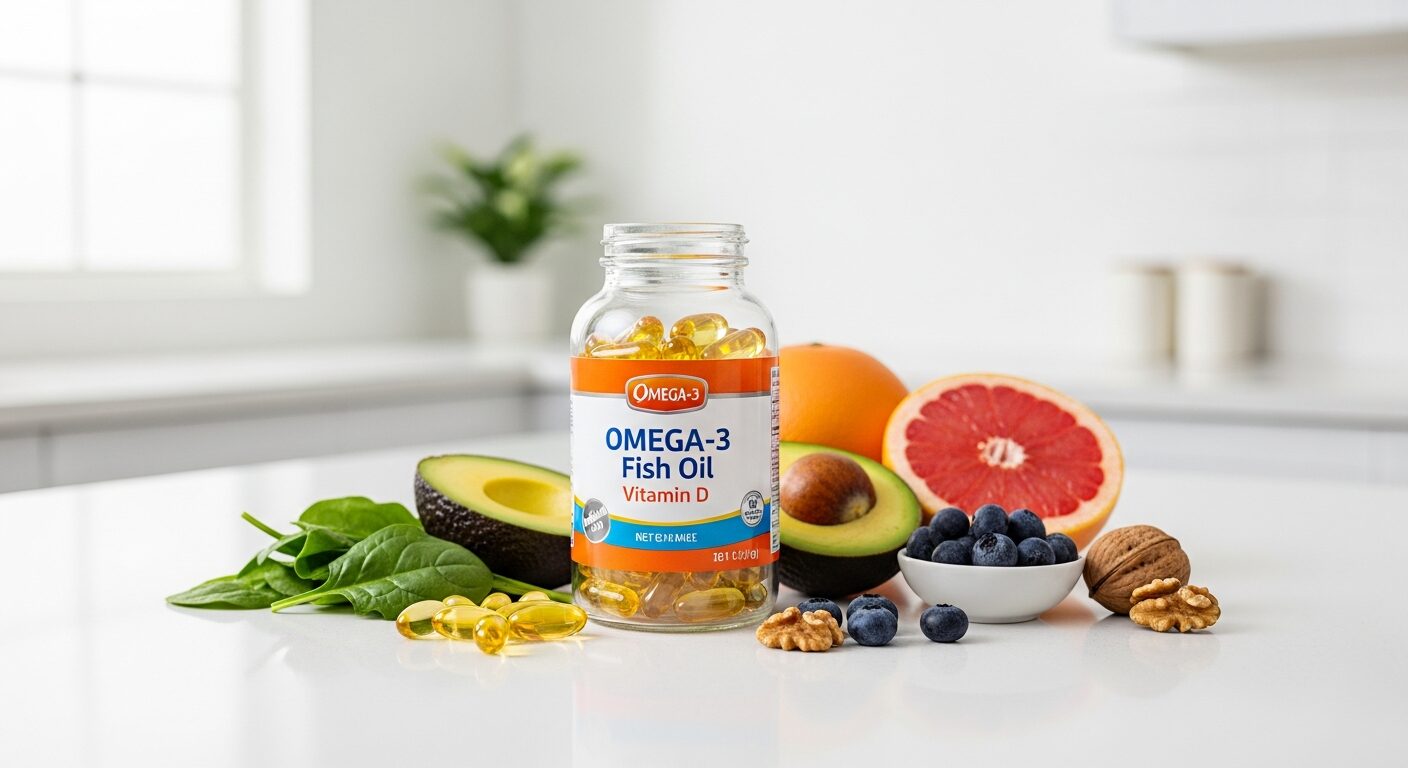
Omega-3 fatty acids require attention to both EPA and DHA content, with effective doses typically ranging from 2-4 grams of combined EPA/DHA daily. The form matters significantly, with triglyceride forms showing superior absorption compared to ethyl ester forms. For swimmers, the anti-inflammatory benefits are dose-dependent, making higher intakes within the safe range more beneficial than minimal doses. Timing with meals that contain fat improves absorption and reduces any potential digestive discomfort.
Vitamin D supplementation requires individual assessment through blood testing to determine appropriate doses. Swimmers training indoors or in northern climates often require 2000-4000 IU daily to maintain optimal blood levels, but doses should be adjusted based on 25(OH)D testing. Vitamin D3 (cholecalciferol) is preferred over D2 (ergocalciferol) due to superior bioavailability and longer duration of action.
🌿 Looking for supplements Supplements?
Browse top-rated supplements supplements, independently tested and recommended by our editorial team.
Affiliate disclosure: We may earn a small commission at no extra cost to you.
Frequently Asked Questions
Can I take multiple supplements together safely?
Most evidence-based supplements for swimmers can be combined safely when used at recommended doses. However, timing and interactions should be considered. For example, calcium can interfere with iron absorption, so these should be taken at different times. Starting with one supplement at a time allows you to assess individual tolerance and effects before building a comprehensive protocol. Always consult with a healthcare provider when combining multiple supplements, especially if you take medications.
How long before competition should I stop taking new supplements?
New supplements should never be introduced within 4-6 weeks of important competitions. This timeline allows for proper assessment of tolerance and effects while avoiding any unexpected reactions during crucial training phases. Established supplements that have been used consistently can typically be continued through competition, but any changes to timing or dosage should be tested well in advance. Some swimmers prefer to maintain their exact supplementation routine to avoid disrupting established physiological adaptations.
Are expensive supplements always better than cheaper alternatives?
Price does not necessarily correlate with supplement quality or effectiveness. Many expensive supplements contain proprietary blends or exotic ingredients that lack scientific support, while basic forms of proven supplements like creatine monohydrate can be very affordable. Focus on third-party testing, ingredient transparency, and research support rather than price when evaluating supplements. Generic versions of well-researched supplements often provide identical benefits at significantly lower costs.
Should I cycle supplements or take breaks from them?
Most supplements beneficial for swimmers do not require cycling and can be used continuously. Creatine, omega-3 fatty acids, and vitamin D are examples of supplements that work best with consistent, long-term use. However, some pre-workout supplements containing stimulants may benefit from occasional breaks to prevent tolerance development. The decision to cycle should be based on the specific supplement and individual response rather than a blanket approach.
Can supplements help with chlorine exposure effects?
Certain supplements may help mitigate some effects of chronic chlorine exposure. Antioxidant supplements like vitamin C and E may help address oxidative stress from chlorine, while omega-3 fatty acids can support skin barrier function. However, proper pool hygiene, immediate post-swim showering, and moisturizing remain more important than supplementation for managing chlorine exposure effects. Supplements should complement, not replace, good pool hygiene practices.
Medical Disclaimer
The information provided in this article is for educational purposes only and should not be considered medical advice. Individual responses to supplements can vary significantly based on genetics, health status, training level, and other factors. Before beginning any supplementation program, swimmers should consult with qualified healthcare providers, particularly sports medicine physicians or registered dietitians with expertise in athletic nutrition.
Competitive swimmers must also verify that any supplements they consider are approved for use in their sport and have been tested for banned substances. Organizations like the World Anti-Doping Agency (WADA) maintain lists of prohibited substances that are regularly updated. Third-party testing certifications can help ensure supplement safety for drug-tested athletes, but the ultimate responsibility lies with the individual athlete.
This article does not constitute an endorsement of any specific supplement brands or products. The goal is to provide science-based information to help swimmers make informed decisions in consultation with their healthcare providers and sports nutrition professionals.