
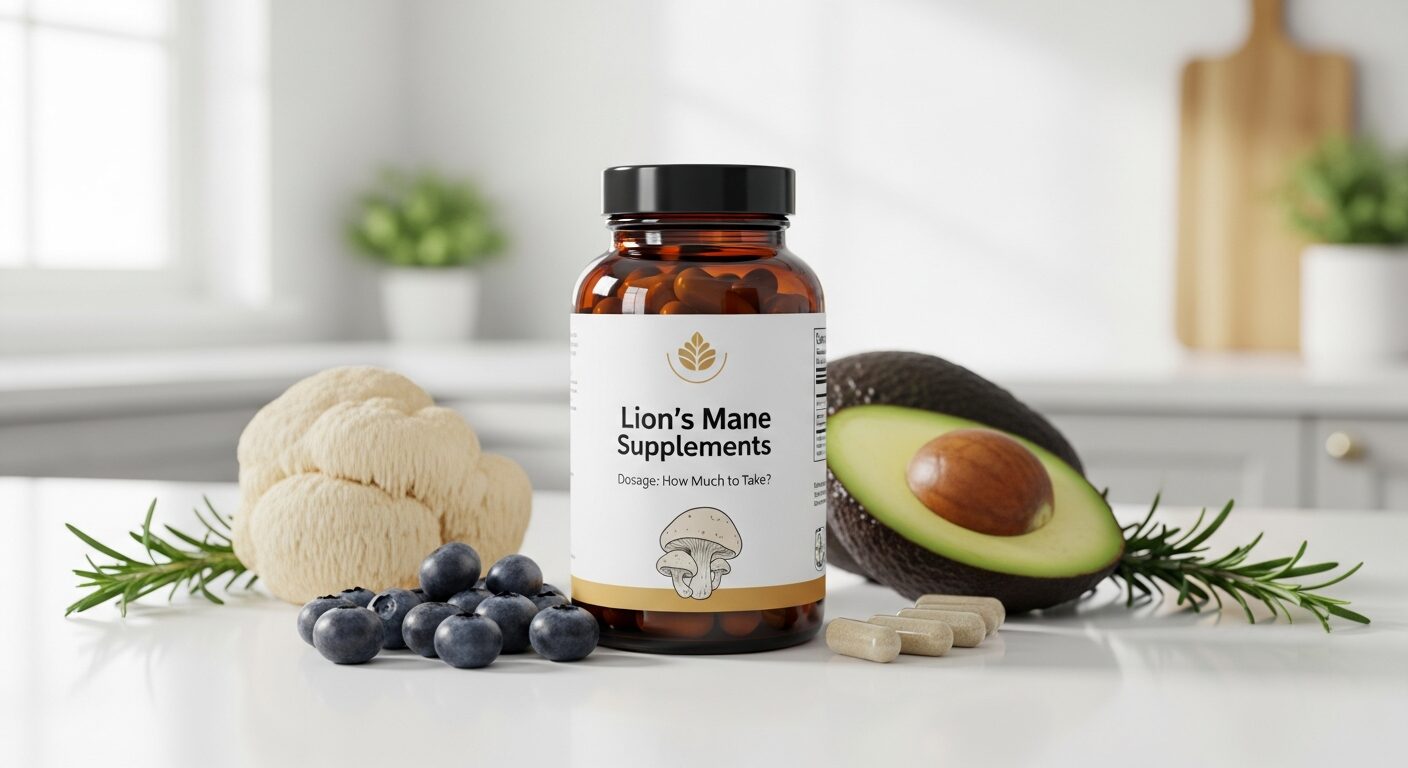
Lion’s Mane mushroom has emerged as one of the most promising natural nootropics, capturing the attention of biohackers, health enthusiasts, and researchers alike. This distinctive, shaggy white mushroom—scientifically known as Hericium erinaceus—isn’t just another wellness trend. It’s backed by compelling scientific evidence suggesting remarkable benefits for brain health, nerve regeneration, and cognitive function.
But here’s where most people stumble: dosage. Walk into any supplement store or browse online retailers, and you’ll find Lion’s Mane products ranging from 250mg to 3,000mg per serving, with wildly different extraction ratios and preparation methods. The confusion is understandable, but getting the dosage wrong could mean missing out on Lion’s Mane’s transformative benefits entirely.
This comprehensive guide cuts through the marketing noise to deliver science-based recommendations on Lion’s Mane dosage, timing, and what you can realistically expect from supplementation. Whether you’re seeking cognitive enhancement, neuroprotection, or general wellness support, understanding proper dosing is crucial for maximizing this remarkable mushroom’s potential.
🌿 Looking for Lions Mane supplements? Shop Amazon →
Contents
- 1 What is Lions Mane
- 2 Key Benefits of Lions Mane
- 3 What Most People Get Wrong About Lions Mane
- 4 What Happens to Your Body After 30 Days of Taking Lions Mane
- 5 Who Should NOT Take Lions Mane
- 6 Dosage and Best Forms
- 7 Frequently Asked Questions
- 7.1 How long does it take for Lion’s Mane to start working?
- 7.2 Can I take Lion’s Mane with other nootropics or supplements?
- 7.3 Should I take Lion’s Mane on an empty stomach or with food?
- 7.4 What’s the difference between Lion’s Mane extract and powder?
- 7.5 Is it safe to take Lion’s Mane every day long-term?
- 8 Medical Disclaimer
What is Lions Mane
Lion’s Mane (Hericium erinaceus) is a unique medicinal mushroom that looks nothing like the typical cap-and-stem fungi most people recognize. Instead, it resembles a white, cascading waterfall of icicle-like spines, earning it nicknames like “bearded tooth mushroom” and “yamabushitake” in Japanese culture.
This distinctive fungus has been treasured in traditional Chinese medicine for centuries, where it’s known as “yamabushitake” and revered for its ability to support mental clarity and spiritual focus. Buddhist monks historically consumed Lion’s Mane tea to enhance their meditation practices, believing it helped achieve mental tranquility and focus.
What sets Lion’s Mane apart from other medicinal mushrooms is its unique collection of bioactive compounds. The mushroom contains hericenones and erinacines—rare compounds that can cross the blood-brain barrier and stimulate the production of nerve growth factor (NGF). This protein is crucial for the growth, maintenance, and survival of neurons, making Lion’s Mane particularly valuable for neurological health.
Unlike synthetic nootropics that often work by manipulating neurotransmitter systems, Lion’s Mane supports brain health at a fundamental level by promoting actual nerve regeneration and protection. This mechanism of action explains why Lion’s Mane effects tend to build gradually over time rather than providing immediate stimulation like caffeine or other quick-acting compounds.
Key Benefits of Lions Mane
Scientific research has revealed several remarkable benefits of Lion’s Mane supplementation, backed by both animal studies and human clinical trials. Understanding these benefits helps contextualize appropriate dosing strategies for different health goals.
Cognitive Enhancement and Memory Support: Mori et al., 2008 conducted a groundbreaking double-blind, placebo-controlled study with 50 elderly participants experiencing mild cognitive impairment. Those receiving Lion’s Mane extract showed significant improvements in cognitive function scores compared to placebo, with benefits appearing after 8 weeks of supplementation and disappearing 4 weeks after discontinuation.
Neuroprotection and Nerve Regeneration: Lion’s Mane’s ability to stimulate nerve growth factor production has profound implications for neurological health. Research suggests it may help protect against neurodegenerative diseases and support recovery from nervous system injuries. The hericenones and erinacines in Lion’s Mane can promote the regeneration of damaged neurons and protect existing neural networks from oxidative stress.
Mood and Anxiety Support: Emerging research indicates Lion’s Mane may offer mental health benefits beyond cognitive enhancement. Studies suggest it may help reduce symptoms of anxiety and depression, possibly through its effects on nerve growth factor and neuroplasticity. Some users report improved emotional balance and stress resilience with consistent supplementation.
Digestive Health: Traditional use of Lion’s Mane included digestive support, and modern research is beginning to validate these applications. The mushroom contains compounds that may help protect the stomach lining and support healthy gut function, though more research is needed to fully understand these mechanisms.
Immune System Modulation: Like many medicinal mushrooms, Lion’s Mane contains beta-glucans and other polysaccharides that can support immune system function. These compounds may help balance immune responses and support overall wellness, though Lion’s Mane is generally considered less potent for immune support compared to mushrooms like Reishi or Turkey Tail.
What Most People Get Wrong About Lions Mane
Despite growing popularity, several persistent misconceptions about Lion’s Mane continue to mislead consumers and result in suboptimal supplementation strategies. Understanding these myths is crucial for realistic expectations and proper usage.
Myth 1: “Lion’s Mane works immediately like caffeine or other stimulants”
This is perhaps the most damaging misconception about Lion’s Mane. Many people expect to feel dramatic cognitive effects within hours or days of first use, similar to synthetic nootropics or stimulants. The reality is that Lion’s Mane works by promoting actual structural changes in the brain through nerve growth factor stimulation—a process that takes weeks to manifest noticeable effects. Clinical studies typically show benefits emerging after 4-8 weeks of consistent supplementation. Expecting immediate results often leads people to abandon Lion’s Mane prematurely or unnecessarily increase dosages.
Myth 2: “Higher doses always mean better results”
The supplement industry’s “more is better” marketing has created a dangerous dosing arms race with Lion’s Mane products. Some manufacturers offer extremely high-dose formulations (3,000mg+) suggesting superior efficacy, but research doesn’t support this approach. Lai et al., 2013 demonstrated that moderate doses of Lion’s Mane extract were effective for neuroprotection, and higher doses didn’t necessarily produce proportionally greater benefits. Excessive dosing may actually reduce bioavailability and increase the risk of side effects.
Myth 3: “All Lion’s Mane supplements are equivalent”
This misconception stems from a lack of understanding about mushroom supplement preparation methods. The market contains whole mushroom powders, mycelium products, and various extract concentrations, each with vastly different potencies and bioactive compound profiles. Many commercial products use mycelium grown on grain substrates, which can contain more grain than actual mushroom compounds. Quality Lion’s Mane supplements should specify the extraction ratio, standardization of active compounds (hericenones and erinacines), and use fruiting body material rather than mycelium-on-grain products.
Myth 4: “Natural means completely safe for everyone”
While Lion’s Mane has an excellent safety profile, the assumption that natural supplements are universally safe without consideration of individual factors is problematic. Some people may experience allergic reactions, digestive upset, or interactions with medications. Additionally, the lack of regulation in the supplement industry means product quality and purity can vary dramatically between manufacturers, making source selection crucial for safety and efficacy.
What Happens to Your Body After 30 Days of Taking Lions Mane
Understanding the timeline of Lion’s Mane effects helps set realistic expectations and prevents premature discontinuation. Based on clinical research and user reports, here’s what typically occurs during the first month of consistent supplementation:
Week 1: Foundation Phase
During the first week, most users notice little to no cognitive changes, which is completely normal and expected. At the cellular level, Lion’s Mane compounds are beginning to cross the blood-brain barrier and interact with neural tissues. Some sensitive individuals might notice subtle improvements in sleep quality or mild digestive changes as the body adjusts to the supplement. The key during this phase is consistency—daily supplementation allows bioactive compounds to accumulate and begin their work on nerve growth factor production.
Week 2: Early Adaptation
By the second week, the most observant users might begin noticing subtle shifts in mental clarity, particularly during cognitively demanding tasks. Some report improved focus during work or study sessions, though these effects are often mild and inconsistent. Sleep quality improvements become more apparent for those who experience them, and any initial digestive adjustment typically resolves. It’s important to note that roughly 30% of users still notice no significant changes at this point, which doesn’t indicate the supplement isn’t working.
Week 3-4: Benefit Emergence
The third and fourth weeks represent the period when Lion’s Mane’s benefits typically become more apparent and consistent. Mori et al., 2009 found that cognitive improvements in their study became statistically significant around this timeframe. Users commonly report enhanced working memory, improved ability to concentrate for extended periods, and better mental endurance during challenging tasks. Some individuals notice improvements in mood stability and stress resilience, possibly related to Lion’s Mane’s effects on neuroplasticity and nerve growth factor.
Long-term Trajectory Beyond 30 Days
Research suggests that Lion’s Mane benefits continue to develop beyond the first month, with some studies showing peak effects at 8-16 weeks of consistent supplementation. The compound’s neuroprotective effects may provide long-term benefits that aren’t immediately apparent but contribute to cognitive resilience over time. However, discontinuing Lion’s Mane typically results in a gradual return to baseline cognitive function over several weeks, indicating the need for ongoing supplementation to maintain benefits.
Who Should NOT Take Lions Mane
While Lion’s Mane is generally considered safe for most healthy adults, certain populations should exercise caution or avoid supplementation entirely. Understanding contraindications is crucial for safe and responsible use.
Individuals with Mushroom Allergies: Anyone with known allergies to mushrooms or fungi should avoid Lion’s Mane entirely. Allergic reactions can range from mild digestive upset to severe respiratory or skin reactions. Even those with mild mushroom sensitivities should consult healthcare providers before beginning supplementation.
Pregnant and Breastfeeding Women: The safety of Lion’s Mane during pregnancy and lactation hasn’t been established through clinical research. While no specific risks have been identified, the lack of safety data means pregnant and breastfeeding women should avoid Lion’s Mane supplementation unless specifically recommended by their healthcare provider.
Individuals with Bleeding Disorders: Some preliminary research suggests Lion’s Mane might affect blood clotting, though this hasn’t been definitively established. People with bleeding disorders or those taking anticoagulant medications should consult their healthcare provider before using Lion’s Mane supplements.
Pre-surgical Patients: Due to potential effects on blood clotting, individuals scheduled for surgery should discontinue Lion’s Mane supplementation at least two weeks before their procedure, unless advised otherwise by their surgical team.
Children and Adolescents: The safety and appropriate dosing of Lion’s Mane in developing individuals hasn’t been established. Parents should consult pediatric healthcare providers before giving Lion’s Mane supplements to children or teenagers.
When to Consult a Doctor: Anyone taking prescription medications, managing chronic health conditions, or experiencing unusual symptoms after beginning Lion’s Mane supplementation should consult their healthcare provider. This is particularly important for individuals with neurological conditions, diabetes, autoimmune disorders, or liver disease.
Dosage and Best Forms
Proper Lion’s Mane dosing depends on the specific form of supplement, extraction method, and individual goals. Research-based recommendations provide the foundation for safe and effective supplementation.
Standard Extract Dosing: For standardized Lion’s Mane extracts (typically 8:1 or 10:1 concentration), the effective dose range is 500-1000mg daily, taken with food to enhance absorption. This dosage aligns with successful clinical studies and provides adequate concentrations of bioactive compounds without unnecessary excess.
Whole Mushroom Powder: If using whole mushroom powder rather than extracts, higher doses are necessary due to lower concentration of active compounds. Effective doses typically range from 1000-3000mg daily, though bioavailability may be lower compared to proper extracts.
Timing and Administration: Lion’s Mane is best taken with meals to enhance absorption and reduce the risk of digestive upset. Many users prefer morning administration to support daytime cognitive function, though timing appears less critical than consistency. Dividing daily doses into two smaller servings (morning and afternoon) may improve absorption and maintain more stable blood levels.
Quality Considerations: Choose supplements that specify fruiting body material rather than mycelium, provide extraction ratios, and ideally standardize for hericenones and erinacines content. Third-party testing for purity and potency provides additional quality assurance.
Cycling Recommendations: While Lion’s Mane can be used continuously, some practitioners recommend occasional breaks (1-2 weeks every 3 months) to prevent tolerance development, though this hasn’t been scientifically validated.
🌿 Looking for Lions Mane Supplements?
Browse top-rated Lions Mane supplements, independently tested and recommended by our editorial team.
Affiliate disclosure: We may earn a small commission at no extra cost to you.
Frequently Asked Questions
How long does it take for Lion’s Mane to start working?
Most users begin noticing subtle effects after 2-3 weeks of consistent daily supplementation, with more pronounced benefits typically appearing after 4-8 weeks. This timeline reflects Lion’s Mane’s mechanism of action—promoting actual structural changes in neural tissue rather than providing immediate stimulation. Patience and consistency are crucial for experiencing Lion’s Mane’s full benefits.
Can I take Lion’s Mane with other nootropics or supplements?
Lion’s Mane generally combines well with other nootropics and supplements, and many users report synergistic effects when combined with compounds like Bacopa Monnieri, Rhodiola Rosea, or other adaptogenic herbs. However, anyone taking prescription medications should consult their healthcare provider before combining supplements, as interactions are possible.
Should I take Lion’s Mane on an empty stomach or with food?
Lion’s Mane should be taken with food to optimize absorption and minimize the risk of digestive upset. The fats in meals can help with the absorption of fat-soluble compounds in the mushroom extract. Taking Lion’s Mane on an empty stomach may cause mild nausea in sensitive individuals.
What’s the difference between Lion’s Mane extract and powder?
Lion’s Mane extracts are concentrated preparations that remove water and concentrate the bioactive compounds, typically resulting in 8:1 or 10:1 concentrations. This means 8-10 pounds of mushroom material is concentrated into 1 pound of extract. Whole mushroom powders contain the entire dried mushroom with no concentration, requiring higher doses to achieve equivalent effects.
Is it safe to take Lion’s Mane every day long-term?
Based on current research and traditional use patterns, daily Lion’s Mane supplementation appears safe for most healthy adults when used at recommended dosages. Long-term studies are limited, but no significant safety concerns have emerged from available data. However, individuals should monitor their response and consult healthcare providers if any concerning symptoms develop.
Medical Disclaimer
This article is for informational purposes only and does not constitute medical advice. The information provided should not be used to diagnose, treat, cure, or prevent any disease or health condition. Lion’s Mane supplements have not been evaluated by the Food and Drug Administration for safety or efficacy.
Individual responses to Lion’s Mane supplementation may vary significantly, and what works for one person may not be appropriate for another. Factors such as age, health status, medications, and individual biochemistry can all influence supplement effects and safety.
Before beginning any supplement regimen, including Lion’s Mane, consult with a qualified healthcare provider, especially if you have existing health conditions, take prescription medications, are pregnant or breastfeeding, or are under 18 years of age. If you experience any adverse reactions while taking Lion’s Mane, discontinue use immediately and seek medical attention if symptoms are severe or persistent.