
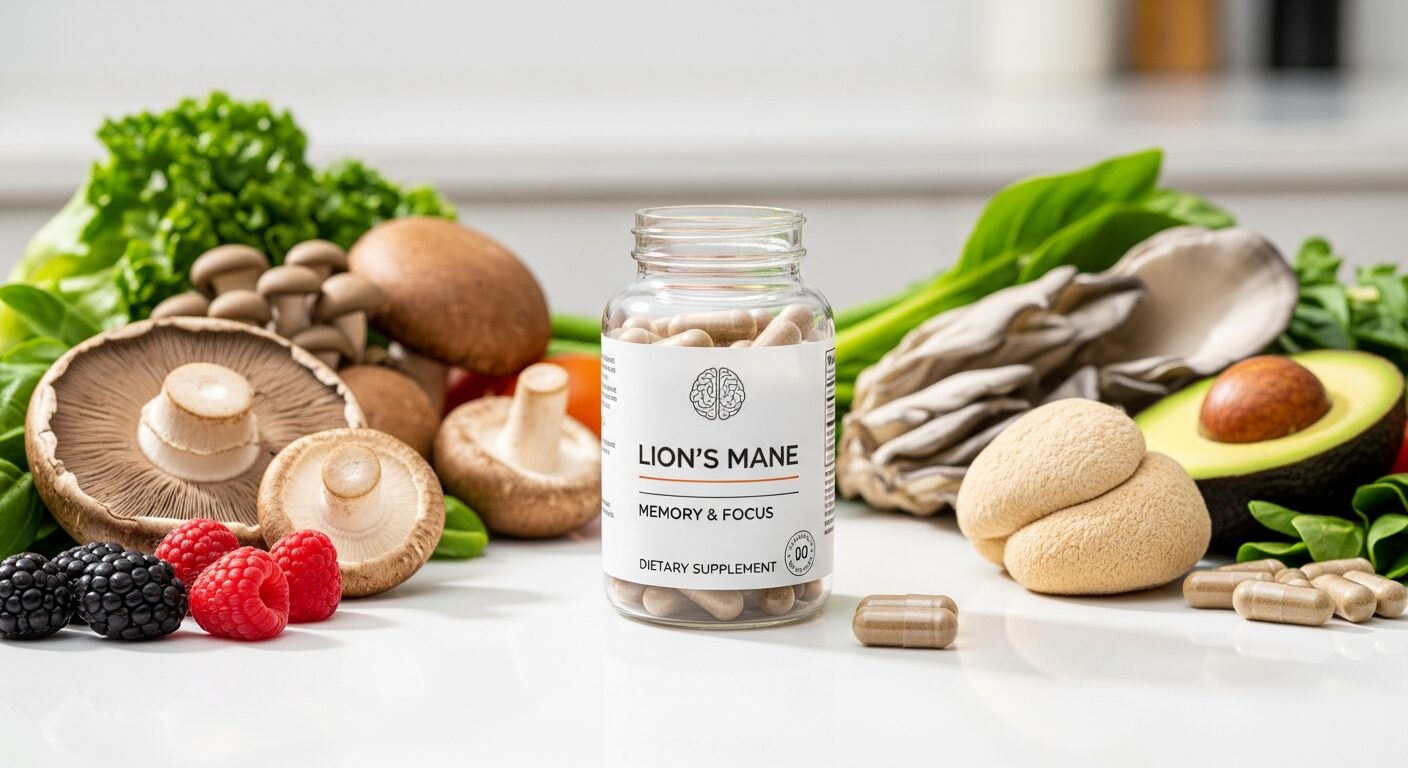
In the quest for cognitive enhancement and neuroprotection, few natural compounds have captured the attention of researchers and health enthusiasts quite like Lion’s Mane mushroom. This distinctive, white, shaggy fungus has emerged from traditional Chinese medicine into the spotlight of modern neuroscience, promising benefits that extend far beyond basic nutrition. As our understanding of neuroplasticity and brain health evolves, Lion’s Mane stands out as one of the most scientifically promising natural nootropics available today.
What makes Lion’s Mane particularly compelling isn’t just its long history of traditional use, but the growing body of peer-reviewed research supporting its neurological benefits. Unlike many supplements that rely solely on anecdotal evidence, Lion’s Mane has been subjected to rigorous scientific scrutiny, with studies demonstrating measurable improvements in cognitive function, memory, and overall brain health. This evidence-based approach to understanding Lion’s Mane is crucial for anyone considering adding this remarkable fungus to their wellness routine.
However, with popularity comes misinformation. The supplement industry is rife with exaggerated claims and misunderstandings about how Lion’s Mane works, who should take it, and what realistic expectations users should have. This comprehensive guide cuts through the marketing hype to provide you with the scientific facts about Lion’s Mane, helping you make an informed decision about whether this powerful mushroom belongs in your health regimen.
🌿 Looking for Lions Mane supplements? Shop Amazon →
Contents
- 1 What is Lions Mane
- 2 Key Benefits of Lions Mane
- 3 What Most People Get Wrong About Lions Mane
- 4 What Happens to Your Body After 30 Days of Taking Lions Mane
- 5 Who Should NOT Take Lions Mane
- 6 Dosage and Best Forms
- 7 Frequently Asked Questions
- 7.1 How long does it take for Lion’s Mane to start working?
- 7.2 Can I take Lion’s Mane with other nootropics or medications?
- 7.3 Does Lion’s Mane need to be cycled, or can I take it continuously?
- 7.4 What’s the difference between Lion’s Mane extract and powder?
- 7.5 Can Lion’s Mane cause side effects or interactions?
- 8 Medical Disclaimer
What is Lions Mane
Lion’s Mane (Hericium erinaceus) is a distinctive white, globe-shaped mushroom characterized by long, flowing, tooth-like spines that give it its lion-like appearance. Also known as bearded tooth mushroom, pom pom mushroom, or yamabushitake in Japanese, this edible fungus grows naturally on hardwood trees throughout North America, Europe, and Asia. Unlike typical mushrooms with caps and stems, Lion’s Mane resembles a white waterfall or cascading icicles, making it one of the most easily identifiable fungi in the wild.
What sets Lion’s Mane apart from other medicinal mushrooms isn’t just its unique appearance, but its exceptional nutritional and bioactive compound profile. The mushroom contains a rich array of beta-glucans, polysaccharides, and proteins, but its most notable components are two classes of compounds rarely found elsewhere in nature: hericenones and erinacines. These bioactive compounds are capable of crossing the blood-brain barrier, a critical feature that allows them to directly influence neural tissue and brain function.
Traditionally, Lion’s Mane has been prized both as a gourmet food and medicinal remedy. In Chinese medicine, it’s been used for centuries to support digestive health and overall vitality. Buddhist monks reportedly consumed Lion’s Mane tea to enhance their focus during meditation, recognizing its cognitive benefits long before modern science could explain the mechanisms behind them. Today, Lion’s Mane is cultivated commercially worldwide and available in various forms, from fresh mushrooms for culinary use to concentrated extracts designed for therapeutic purposes.
Key Benefits of Lions Mane
The most significant and well-researched benefit of Lion’s Mane is its ability to stimulate the production of nerve growth factor (NGF), a protein essential for the growth, maintenance, and survival of neurons. This unique property makes Lion’s Mane a powerful neuroprotective agent that may help prevent age-related cognitive decline and support overall brain health. Research indicates that the hericenones and erinacines in Lion’s Mane can increase NGF synthesis by up to 5-fold, promoting neurogenesis and potentially helping repair damaged neural pathways.
Memory enhancement represents another major benefit supported by clinical research. A landmark study published in 2008 demonstrated that adults with mild cognitive impairment who consumed Lion’s Mane extract showed significant improvements in cognitive function scores compared to placebo groups. Participants experienced enhanced learning ability, better recall, and improved overall mental clarity, with benefits becoming apparent after just 8 weeks of supplementation.
Lion’s Mane also shows promise for mood regulation and mental health support. The mushroom’s compounds appear to influence the hippocampus, a brain region crucial for emotional processing and memory formation. Some studies suggest that Lion’s Mane may help reduce symptoms of anxiety and depression, though more research is needed to fully understand these effects. Additionally, preliminary research indicates potential benefits for neurodegenerative conditions, with some studies showing that Lion’s Mane extract may help protect against cognitive decline associated with Alzheimer’s disease and other forms of dementia.
Beyond brain health, Lion’s Mane offers additional systemic benefits. It contains powerful antioxidants that help combat oxidative stress throughout the body, and some research suggests it may support immune function and digestive health. The mushroom’s beta-glucans can help modulate immune responses, while its prebiotic properties may promote beneficial gut bacteria growth, supporting the increasingly recognized gut-brain connection.
What Most People Get Wrong About Lions Mane
One of the most pervasive misconceptions about Lion’s Mane is that it provides immediate, noticeable cognitive enhancement similar to caffeine or other stimulants. Many users expect to feel dramatically sharper or more focused within hours of taking their first dose, leading to disappointment when these instant effects don’t materialize. The reality is that Lion’s Mane works through neuroplasticity mechanisms that require time to develop. The growth of new neural connections and the repair of existing pathways is a gradual process that typically takes weeks to months to produce noticeable benefits.
Another common myth is that all Lion’s Mane supplements are created equal. In reality, the extraction method, mushroom part used, and concentration of active compounds can vary dramatically between products. Some supplements use only the mycelium (root-like structures) grown on grain substrates, while others use the fruiting body of the mushroom. Research suggests that the fruiting body contains higher concentrations of the beneficial hericenones, while the mycelium is richer in erinacines. Additionally, many products on the market are not properly extracted to concentrate the active compounds, making them significantly less effective than research-grade extracts used in clinical studies.
A particularly dangerous misconception is that Lion’s Mane is universally safe for everyone because it’s “natural.” While Lion’s Mane is generally well-tolerated, it can cause allergic reactions in some individuals, particularly those with mushroom allergies. Some users report experiencing skin rashes, difficulty breathing, or digestive upset. More concerning, there are isolated reports of individuals experiencing mood changes or increased anxiety when starting Lion’s Mane supplementation, though these effects appear to be rare and may be related to dosage or individual sensitivity.
Finally, many people believe that taking massive doses of Lion’s Mane will accelerate or enhance its benefits. This “more is better” approach is not supported by research and may actually be counterproductive. Studies showing cognitive benefits typically use moderate doses ranging from 750mg to 3000mg daily of standardized extract. Taking excessive amounts doesn’t appear to provide additional benefits and may increase the risk of side effects. The key to Lion’s Mane’s effectiveness lies in consistent, moderate dosing over extended periods rather than high-dose supplementation.
What Happens to Your Body After 30 Days of Taking Lions Mane
During the first week of Lion’s Mane supplementation, most users won’t notice dramatic changes, though some sensitive individuals may experience subtle shifts in mental clarity or sleep quality. At the cellular level, however, important processes are beginning. The hericenones and erinacines are starting to stimulate nerve growth factor production, initiating the early stages of neuroplasticity enhancement. Some users report feeling slightly more alert or experiencing minor improvements in mood, though these effects can be attributed to placebo response in many cases.
Week two typically brings the first genuinely noticeable benefits for many users. Research published in 2013 suggests that neurogenesis processes become more active around this timeframe. Users often report improved focus during demanding mental tasks, better working memory, and enhanced ability to concentrate for extended periods. Sleep quality may also improve, with some individuals experiencing more restful sleep and better dream recall. These changes reflect the beginning of meaningful neural adaptations as new synaptic connections start forming.
By weeks three and four, the full spectrum of Lion’s Mane benefits typically becomes apparent. This is when users most commonly report significant improvements in memory consolidation, faster information processing, and enhanced learning ability. The compound’s neuroprotective effects are also reaching their peak, with optimal nerve growth factor levels supporting both the creation of new neural pathways and the maintenance of existing ones. Long-term memory recall often shows marked improvement, and many users notice enhanced creativity and problem-solving abilities.
It’s important to note that individual responses can vary significantly based on factors including age, baseline cognitive function, dosage, and overall health status. Older adults or those with existing cognitive concerns may notice more dramatic improvements, while younger individuals with already optimal brain function might experience subtler enhancements. Consistency is crucial during this 30-day period, as irregular supplementation can disrupt the gradual neuroplasticity processes that underlie Lion’s Mane’s benefits.
Who Should NOT Take Lions Mane
Individuals with known mushroom allergies should exercise extreme caution with Lion’s Mane supplementation, as allergic reactions can range from mild skin irritation to severe respiratory distress. Even those who can typically consume culinary mushrooms may react differently to concentrated Lion’s Mane extracts, which contain much higher levels of bioactive compounds. Anyone with a history of mushroom allergies should consult with an allergist before beginning supplementation and consider starting with very small doses under medical supervision.
Pregnant and breastfeeding women should avoid Lion’s Mane supplements due to insufficient safety data for these populations. While Lion’s Mane appears safe for general adult use, no comprehensive studies have evaluated its effects on fetal development or its presence in breast milk. The mushroom’s ability to cross the blood-brain barrier and influence neural development, while beneficial for adults, raises theoretical concerns about its impact on developing nervous systems.
People taking anticoagulant medications or those with bleeding disorders should be cautious with Lion’s Mane supplementation. Some research suggests that Lion’s Mane may have mild anticoagulant properties, potentially increasing bleeding risk when combined with blood-thinning medications like warfarin or aspirin. A 2014 study indicated that certain mushroom extracts can affect platelet aggregation, though more research is needed to fully understand this interaction.
Individuals with autoimmune conditions should consult healthcare providers before using Lion’s Mane, as its immune-modulating properties could theoretically exacerbate certain autoimmune responses. People with diabetes should monitor blood glucose levels closely when starting Lion’s Mane, as some preliminary research suggests it may affect blood sugar regulation. Additionally, those scheduled for surgery should discontinue Lion’s Mane at least two weeks beforehand due to potential bleeding risk and unknown interactions with anesthesia.
Dosage and Best Forms
The optimal dosage of Lion’s Mane varies significantly depending on the extract concentration and intended use. Most clinical research showing cognitive benefits has used doses ranging from 750mg to 3000mg daily of standardized extract containing at least 0.5% hericenones and erinacines. For general cognitive support, a typical starting dose is 500-1000mg daily, taken with food to enhance absorption and reduce potential digestive upset. Users can gradually increase the dose over several weeks if needed, though exceeding 3000mg daily is not recommended without medical supervision.
When selecting a Lion’s Mane supplement, prioritize products that use the fruiting body rather than just mycelium, as research indicates higher concentrations of beneficial compounds in the actual mushroom. Look for extracts that specify the concentration of active compounds, particularly hericenones and erinacines. Dual-extraction methods that use both water and alcohol typically provide the most comprehensive range of bioactive compounds, as some are water-soluble while others require alcohol for proper extraction.
Powder forms offer versatility and can be easily mixed into smoothies, coffee, or other beverages, though the taste can be earthy and somewhat bitter. Capsules provide convenience and precise dosing, while liquid extracts may offer faster absorption but often have a shorter shelf life. Whole dried mushrooms can be used for culinary purposes but typically provide lower concentrations of active compounds compared to concentrated extracts. For therapeutic purposes, standardized extracts in capsule or powder form are generally preferred.
Timing of supplementation can influence effectiveness. Many users find that taking Lion’s Mane with breakfast provides steady cognitive support throughout the day, while others prefer splitting the dose between morning and afternoon. Taking Lion’s Mane with food can help reduce potential stomach upset and may enhance the absorption of fat-soluble compounds. Consistency is more important than precise timing, so choose a schedule you can maintain long-term.
🌿 Looking for Lions Mane Supplements?
Browse top-rated Lions Mane supplements, independently tested and recommended by our editorial team.
Affiliate disclosure: We may earn a small commission at no extra cost to you.
Frequently Asked Questions
How long does it take for Lion’s Mane to start working?
Most users begin noticing subtle cognitive improvements within 2-4 weeks of consistent supplementation, though some sensitive individuals may experience effects sooner. Significant memory and focus enhancements typically become apparent after 6-8 weeks of regular use. The gradual onset reflects Lion’s Mane’s mechanism of action, which involves stimulating new neural growth rather than providing immediate stimulation like caffeine.
Can I take Lion’s Mane with other nootropics or medications?
Lion’s Mane can generally be combined safely with most other nootropics and supplements, though it’s wise to introduce one new supplement at a time to monitor individual responses. However, those taking anticoagulant medications, diabetes medications, or immunosuppressants should consult healthcare providers before combining Lion’s Mane with their existing treatments. The mushroom may interact with these medication classes, potentially altering their effectiveness.
Does Lion’s Mane need to be cycled, or can I take it continuously?
Unlike some nootropics that require cycling to prevent tolerance, Lion’s Mane can be taken continuously without losing effectiveness. In fact, consistent daily use is recommended for optimal benefits, as the neuroplasticity effects are cumulative. Some users choose to take periodic breaks every few months, though research doesn’t indicate this is necessary for maintaining Lion’s Mane’s cognitive benefits.
What’s the difference between Lion’s Mane extract and powder?
Lion’s Mane extracts are concentrated preparations that contain higher levels of active compounds per serving compared to simple powdered mushrooms. Extracts are typically standardized to contain specific percentages of hericenones and erinacines, making dosing more precise and effects more predictable. Raw mushroom powder contains the full spectrum of compounds but requires larger doses to achieve therapeutic effects and may have lower bioavailability.
Can Lion’s Mane cause side effects or interactions?
Lion’s Mane is generally well-tolerated, but some users may experience digestive upset, skin rashes, or respiratory symptoms, particularly those with mushroom allergies. Rarely, some individuals report mood changes or increased anxiety when beginning supplementation. These effects are typically mild and resolve with dosage adjustment or discontinuation. As with any supplement, start with lower doses to assess individual tolerance before increasing to therapeutic levels.
Medical Disclaimer
The information provided in this article is for educational purposes only and is not intended as medical advice, diagnosis, or treatment. Lion’s Mane supplements have not been evaluated by the FDA for the treatment, cure, or prevention of any disease or medical condition. Individual responses to supplementation can vary significantly, and what works for one person may not be appropriate for another.
Before beginning any new supplement regimen, including Lion’s Mane, consult with a qualified healthcare provider, especially if you have pre-existing medical conditions, take prescription medications, are pregnant or breastfeeding, or have a history of allergic reactions. Healthcare professionals can provide personalized guidance based on your individual health status and potential drug interactions.
This article presents information based on currently available scientific research, but our understanding of Lion’s Mane’s effects and mechanisms continues to evolve. Always purchase supplements from reputable manufacturers who provide third-party testing results and follow Good Manufacturing Practices. If you experience any adverse effects while taking Lion’s Mane, discontinue use immediately and consult with a healthcare provider.