
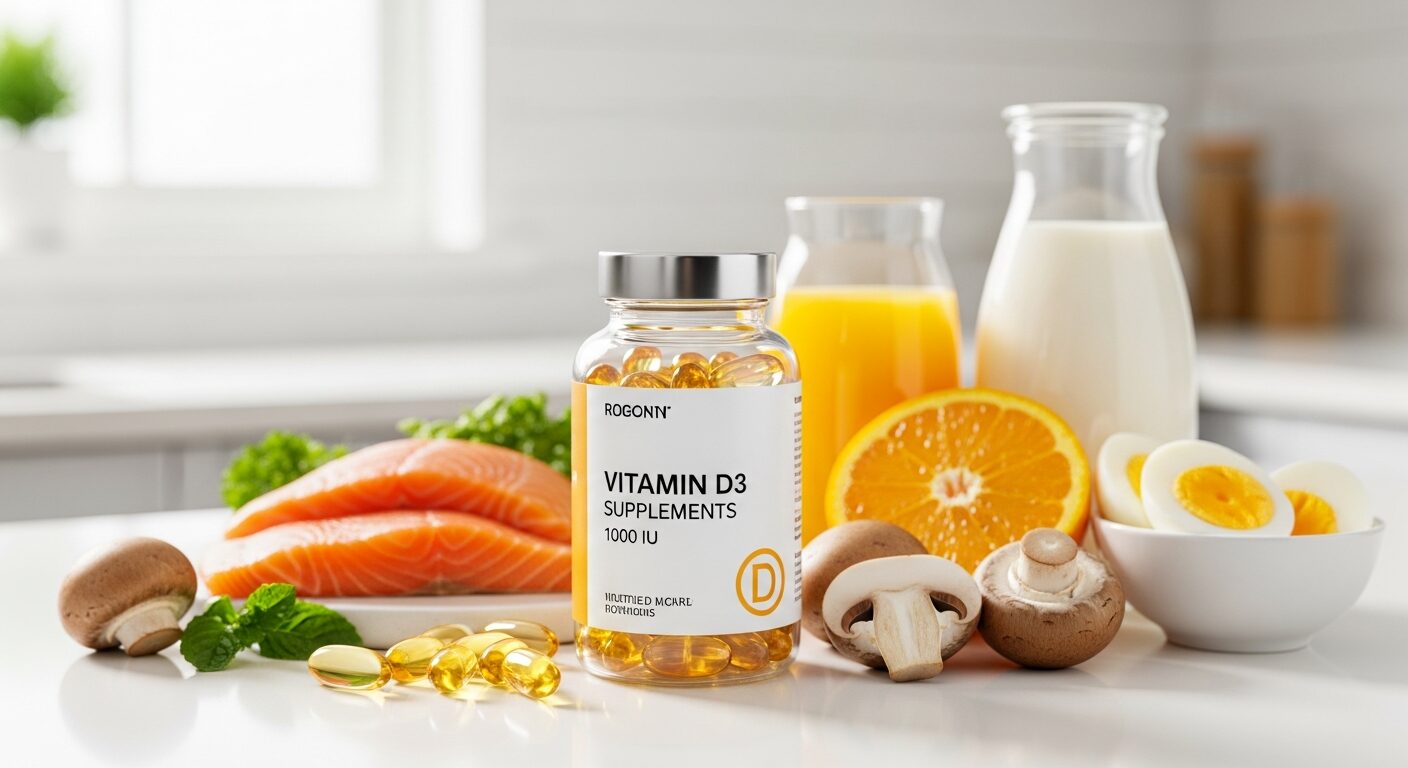
As we age, maintaining optimal vitamin D levels becomes increasingly challenging yet more crucial than ever. Despite being dubbed the “sunshine vitamin,” vitamin D deficiency affects over 40% of adults, with seniors being particularly vulnerable due to reduced skin synthesis, limited sun exposure, and decreased dietary absorption. This comprehensive guide examines the science behind vitamin D supplementation for older adults, helping you navigate the complex world of dosages, forms, and potential benefits.
The stakes couldn’t be higher. Research consistently shows that adequate vitamin D levels support bone health, immune function, and overall vitality in ways that become more pronounced with age. Yet misconceptions about this vital nutrient abound, leading many to either avoid supplementation entirely or take inappropriate forms and dosages. Understanding the nuances of vitamin D supplementation can be the difference between thriving in your golden years and facing preventable health challenges.
🌿 Looking for Vitamin D supplements? Shop Amazon →
Contents
What is Vitamin D
Vitamin D is actually a hormone precursor rather than a traditional vitamin, functioning as a critical regulator of calcium absorption and bone metabolism. When your skin is exposed to UVB radiation from sunlight, it converts 7-dehydrocholesterol into vitamin D3 (cholecalciferol). This compound then travels to the liver, where it becomes 25-hydroxyvitamin D [25(OH)D], the storage form measured in blood tests. Finally, the kidneys convert this into the active hormone calcitriol, which exerts powerful effects throughout the body.
There are two primary forms available in supplements: vitamin D2 (ergocalciferol) and vitamin D3 (cholecalciferol). While both can raise blood levels of 25(OH)D, vitamin D3 is significantly more effective at maintaining these levels over time. The difference lies in their molecular structure and how efficiently they bind to vitamin D-binding proteins in the bloodstream.
For seniors, this biochemical pathway becomes less efficient. Aging skin produces up to 75% less vitamin D3 compared to younger skin when exposed to the same amount of sunlight. Additionally, kidney function naturally declines with age, reducing the conversion of stored vitamin D into its active form. This double challenge makes supplementation particularly important for older adults.
Key Benefits of Vitamin D
The most well-established benefit of vitamin D is its role in bone health. It enhances calcium absorption in the intestines by up to 40%, while also promoting phosphorus uptake necessary for bone mineralization. Without adequate vitamin D, your body can only absorb 10-15% of dietary calcium, leading to secondary hyperparathyroidism and accelerated bone loss.
Immune system support represents another crucial benefit, particularly relevant in today’s health landscape. Vitamin D receptors are found in most immune cells, including T-cells, B-cells, and macrophages. Adequate levels help regulate both innate and adaptive immune responses, potentially reducing the risk of respiratory infections and autoimmune conditions. Vitamin D and immune function, 2012 demonstrates how deficiency impairs immune cell function and increases infection susceptibility.
Muscle strength and fall prevention show compelling benefits for seniors specifically. Vitamin D receptors in skeletal muscle tissue influence protein synthesis and muscle fiber composition. Studies consistently show that seniors with higher vitamin D levels experience better balance, reduced fall risk, and maintained muscle mass compared to those with deficiency.
Cardiovascular health benefits are emerging from recent research, with adequate vitamin D levels associated with better blood pressure regulation and reduced arterial stiffness. The vitamin appears to influence the renin-angiotensin system, which controls blood pressure, while also supporting healthy endothelial function in blood vessels.
What Most People Get Wrong About Vitamin D
The first major misconception is that brief sun exposure or a standard multivitamin provides sufficient vitamin D for seniors. Many people believe that 10-15 minutes of daily sunshine meets their needs, but this calculation assumes optimal conditions: midday sun, extensive skin exposure, and young, efficient skin. For seniors living in northern climates or those with limited mobility, achieving adequate synthesis through sun exposure alone is nearly impossible. Standard multivitamins typically contain only 400-800 IU of vitamin D, far below what most seniors require to achieve optimal blood levels.
Another persistent myth suggests that vitamin D toxicity occurs easily with supplementation, causing people to avoid higher doses entirely. In reality, vitamin D toxicity is extremely rare and typically requires prolonged intake of doses exceeding 10,000 IU daily, combined with high calcium intake. The tolerable upper limit is set at 4,000 IU daily, but many researchers argue this is overly conservative. Acute toxicity symptoms don’t appear until blood levels of 25(OH)D exceed 150 ng/mL, which is difficult to achieve even with aggressive supplementation.
Many people incorrectly assume all vitamin D supplements are equivalent, leading them to choose the cheapest option available. The reality is that vitamin D2 and D3 have significantly different potencies and duration of action. Vitamin D2 versus vitamin D3: comparison of efficacy, 2012 clearly demonstrates that D3 is approximately 87% more potent than D2 at raising and maintaining blood levels. Additionally, the delivery method matters significantly, with fat-soluble preparations showing superior absorption compared to dry tablets.
Perhaps the most dangerous misconception is that vitamin D supplementation can replace other bone health measures. While vitamin D is crucial for calcium absorption, it doesn’t automatically guarantee bone health without adequate calcium intake, weight-bearing exercise, and other bone-supporting nutrients like vitamin K2 and magnesium. Some people take high-dose vitamin D while ignoring these complementary factors, leading to suboptimal results and frustration with supplementation.
What Happens to Your Body After 30 Days of Taking Vitamin D
During the first week of consistent vitamin D supplementation, your body begins replenishing depleted stores in fat and muscle tissue. Most people won’t notice obvious changes during this initial period, as the vitamin is primarily being stored rather than immediately utilized. However, sensitive individuals might experience subtle improvements in sleep quality, as vitamin D influences melatonin production and circadian rhythm regulation.
Week two often brings the first noticeable changes, particularly in energy levels and mood. As vitamin D levels rise, many people report feeling less fatigued and more mentally clear. This occurs because vitamin D receptors in the brain influence neurotransmitter production, including serotonin and dopamine. Muscle aches and joint stiffness that were previously attributed to “getting older” may begin to diminish as inflammatory markers start to normalize.
By weeks three and four, the more substantial benefits typically become apparent. Immune function improvements may manifest as fewer minor illnesses or faster recovery from infections. Balance and stability often improve noticeably, as vitamin D supports neuromuscular coordination. Many seniors report feeling steadier on their feet and more confident during daily activities. Sleep quality frequently shows marked improvement, with deeper, more restorative sleep cycles.
The timeline for achieving optimal blood levels depends heavily on starting levels and dosage. Time to reach steady state for vitamin D supplementation, 2014 indicates that it typically takes 2-3 months of consistent supplementation to reach steady-state blood levels. However, functional improvements in bone metabolism markers can be detected within 6-8 weeks of starting appropriate doses.
Who Should NOT Take Vitamin D
Individuals with hypercalcemia or a history of kidney stones should approach vitamin D supplementation with extreme caution. Vitamin D increases calcium absorption, which can worsen existing hypercalcemia and potentially promote stone formation in susceptible individuals. Anyone with a history of calcium-containing kidney stones should have their 24-hour urine calcium levels monitored before starting supplementation.
People taking thiazide diuretics face increased risk of hypercalcemia when combined with vitamin D supplements. Thiazides reduce calcium excretion by the kidneys, and when combined with increased calcium absorption from vitamin D, blood calcium levels can rise dangerously high. Regular monitoring of serum calcium and 25(OH)D levels becomes essential for these individuals.
Patients with sarcoidosis or other granulomatous diseases should avoid vitamin D supplementation without medical supervision. These conditions can cause increased conversion of vitamin D to its active form, leading to hypercalcemia even with normal supplement doses. The extra-renal production of calcitriol in granulomas bypasses normal regulatory mechanisms.
Certain medications interact significantly with vitamin D supplementation. Digitalis (digoxin) users face increased risk of cardiac arrhythmias if hypercalcemia develops. Antacids containing magnesium can increase magnesium absorption when vitamin D levels are adequate, potentially causing hypermagnesemia in people with kidney problems. Anyone taking prescription medications should consult their healthcare provider before starting vitamin D supplementation.
Pregnant and nursing women should not exceed recommended doses without medical supervision, despite vitamin D’s importance during these periods. While deficiency poses risks to both mother and child, excessive intake can cause hypercalcemia in the infant. Similarly, individuals over 70 may require adjusted dosing due to changes in kidney function and drug metabolism.
Dosage and Best Forms
For seniors, the optimal daily dose typically ranges from 1,000 to 4,000 IU of vitamin D3, depending on baseline blood levels, body weight, geographic location, and individual absorption capacity. The goal is achieving a blood level of 25(OH)D between 30-50 ng/mL (75-125 nmol/L), which often requires higher doses than the outdated RDA of 600-800 IU for older adults.
Vitamin D3 (cholecalciferol) is universally preferred over D2 (ergocalciferol) due to its superior bioavailability and longer duration of action. Liquid formulations in oil bases show the best absorption, followed by soft gel capsules containing oil. Dry tablets and capsules are less effective because vitamin D requires fat for optimal absorption. Taking supplements with a meal containing some fat enhances uptake significantly.
Weekly or monthly dosing can be effective for people who have difficulty remembering daily supplements. A weekly dose of 7,000 IU or monthly dose of 30,000 IU provides equivalent benefits to daily dosing for maintaining blood levels. However, daily dosing may provide more consistent hormone-like effects throughout each day.
Combination supplements containing vitamin K2, magnesium, and calcium can be beneficial, as these nutrients work synergistically with vitamin D. Vitamin K2 helps direct calcium to bones rather than soft tissues, while magnesium is required for vitamin D metabolism. However, ensure the vitamin D dose in combination products meets your individual needs, as many contain insufficient amounts.
🌿 Looking for Vitamin D Supplements?
Browse top-rated Vitamin D supplements, independently tested and recommended by our editorial team.
Affiliate disclosure: We may earn a small commission at no extra cost to you.
Frequently Asked Questions
How long does it take to correct vitamin D deficiency?
Correcting severe deficiency typically requires 2-3 months of consistent supplementation with appropriate doses. Mild deficiencies may improve within 6-8 weeks. However, functional benefits like improved energy and immune function often begin within 2-4 weeks. Regular blood testing every 8-12 weeks helps monitor progress and adjust dosing as needed.
Can I take too much vitamin D?
While vitamin D toxicity is possible, it’s extremely rare with reasonable supplementation. Toxicity typically requires prolonged intake exceeding 10,000 IU daily combined with high calcium intake. Symptoms include nausea, vomiting, weakness, and kidney problems. Staying below 4,000 IU daily and monitoring blood levels annually minimizes any risk.
Should I take vitamin D with food?
Yes, taking vitamin D with a meal containing some fat significantly improves absorption. Fat-soluble vitamins like D require bile acids for proper uptake, which are released when you eat fatty foods. Aim for meals containing at least 10-15 grams of fat for optimal absorption.
Do I need vitamin D if I live in a sunny climate?
Even in sunny climates, many seniors remain deficient due to reduced skin synthesis, sunscreen use, and limited outdoor time. Age-related changes in skin efficiency mean that seniors require more sun exposure than younger people to produce the same amount of vitamin D. Blood testing remains the best way to determine individual needs regardless of location.
Can vitamin D interact with my medications?
Vitamin D can interact with several medications, including thiazide diuretics, digitalis, and certain antacids. It may also affect the absorption of some antibiotics and bisphosphonates. Always inform your healthcare provider about vitamin D supplementation, especially if you take prescription medications or have kidney, heart, or bone conditions.
Medical Disclaimer
This article is for educational and informational purposes only and should not be considered medical advice. The information provided is not intended to diagnose, treat, cure, or prevent any disease or health condition. Individual responses to vitamin D supplementation can vary significantly based on factors including current health status, medications, and baseline vitamin D levels.
Before starting any vitamin D supplementation regimen, consult with a qualified healthcare professional, especially if you have existing medical conditions, take medications, or are pregnant or nursing. Blood testing to determine baseline 25(OH)D levels is recommended before beginning supplementation and for monitoring progress. Always follow dosing recommendations from your healthcare provider rather than self-medicating based on general information.