
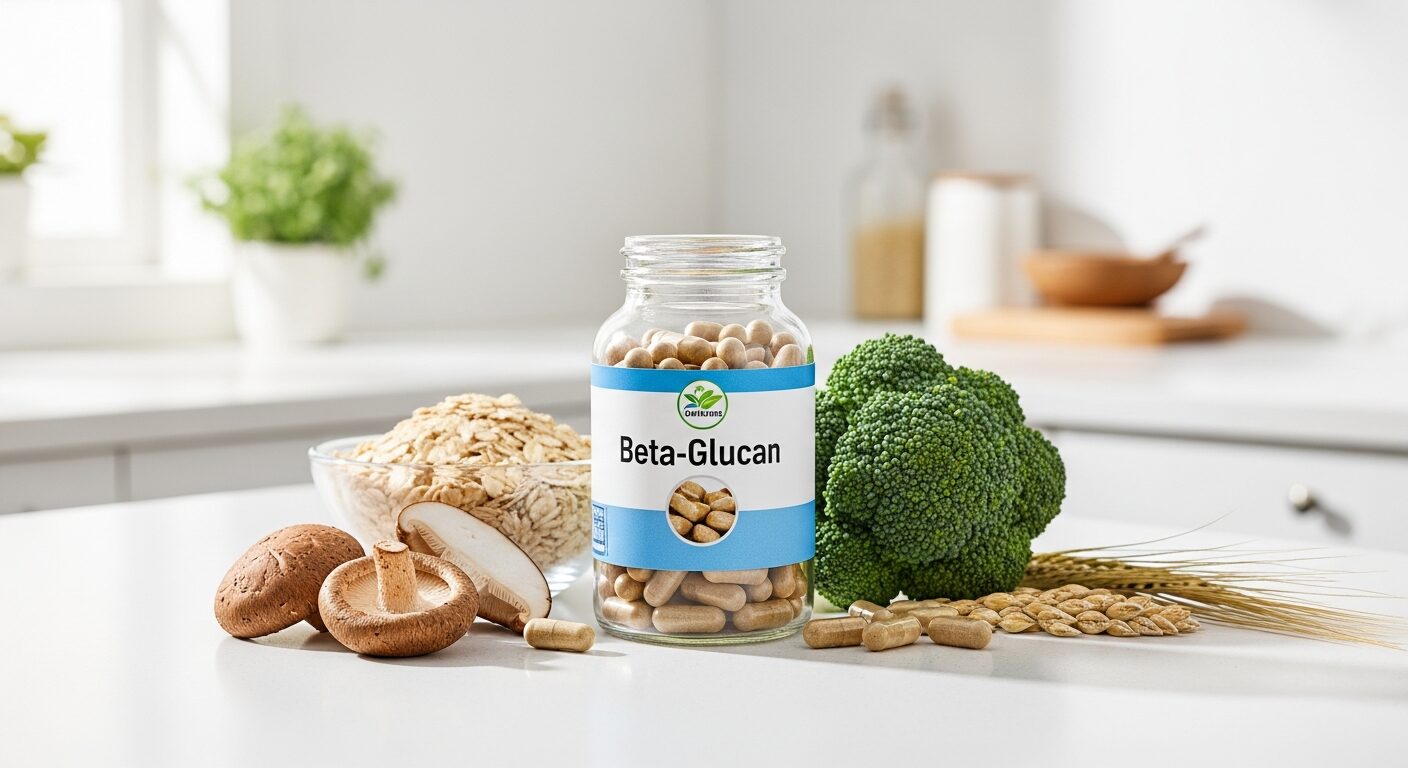
If you’ve been researching immune support supplements, you’ve likely encountered beta-glucan – a naturally occurring compound that’s been gaining significant attention in the scientific community. Despite being studied extensively for decades, beta-glucan remains one of the most misunderstood supplements on the market, with many people unaware of its remarkable potential to support immune function, heart health, and overall wellness.
Beta-glucan isn’t just another trendy supplement; it’s a scientifically-backed compound with over 1,000 published studies demonstrating its biological effects. From ancient traditional medicine practices using mushrooms and oats to modern pharmaceutical research, beta-glucan has consistently shown promise as a powerful natural health ally.
This comprehensive guide will cut through the marketing hype and misconceptions to give you evidence-based insights into what beta-glucan actually is, how it works in your body, and whether it might be the missing piece in your health optimization puzzle.
🌿 Looking for Beta-Glucan supplements? Shop Amazon →
Contents
What is Beta-Glucan
Beta-glucan is a type of soluble fiber and polysaccharide (complex sugar molecule) found naturally in the cell walls of bacteria, fungi, yeasts, algae, lichens, and plants like oats and barley. Structurally, beta-glucans are composed of glucose molecules linked together in a specific beta-1,3 and beta-1,6 configuration that gives them their unique biological properties.
What makes beta-glucan particularly interesting from a health perspective is how our immune system recognizes and responds to it. The human immune system has evolved pattern recognition receptors that identify beta-glucan as a “pathogen-associated molecular pattern” – essentially, our immune cells recognize it as a signal that something foreign (potentially harmful) is present, which triggers an immune response.
However, unlike actual pathogens, beta-glucan doesn’t cause harm. Instead, it acts as an immune system “trainer,” helping to prime and modulate immune responses without causing inflammation or damage. This unique property has made beta-glucan a subject of intense scientific research for immune support, cardiovascular health, and metabolic benefits.
There are several different types of beta-glucan, each with slightly different structures and sources. The most studied forms come from baker’s yeast (Saccharomyces cerevisiae), medicinal mushrooms like reishi and shiitake, and cereal grains like oats and barley. Each source provides beta-glucan with unique properties and potential health benefits.
Key Benefits of Beta-Glucan
Scientific research has identified several well-documented benefits of beta-glucan supplementation, with immune system support being the most extensively studied.
Immune System Modulation: Beta-glucan acts as an immunomodulator, meaning it helps balance immune function rather than simply “boosting” it. Research published in 2007 demonstrated that beta-glucan supplementation enhanced immune cell activity, including macrophages, neutrophils, and natural killer cells, while also improving the body’s ability to respond to various immune challenges.
Cardiovascular Health: Oat-derived beta-glucan has been extensively studied for its cholesterol-lowering effects. The FDA has even approved a health claim stating that 3 grams of oat beta-glucan daily can help reduce cholesterol levels as part of a heart-healthy diet. The mechanism involves binding to cholesterol and bile acids in the digestive system, preventing their absorption and promoting their elimination.
Blood Sugar Regulation: Beta-glucan’s soluble fiber properties help slow the absorption of glucose from meals, leading to more stable blood sugar levels and improved insulin sensitivity. This makes it particularly beneficial for people with diabetes or those at risk of developing metabolic syndrome.
Digestive Health: As a prebiotic fiber, beta-glucan feeds beneficial gut bacteria, promoting a healthy microbiome. This can lead to improved digestion, enhanced nutrient absorption, and better overall gut health, which is increasingly recognized as fundamental to overall wellness.
Weight Management: The fiber content and blood sugar stabilizing effects of beta-glucan can help promote satiety and reduce overall caloric intake, supporting healthy weight management efforts.
What Most People Get Wrong About Beta-Glucan
Despite its scientific backing, several persistent myths and misconceptions surround beta-glucan that can lead to unrealistic expectations or improper use.
Myth 1: All Beta-Glucans Are the Same
One of the biggest misconceptions is that beta-glucan from any source will provide identical benefits. In reality, the molecular structure, molecular weight, and degree of branching vary significantly between sources. Yeast-derived beta-glucan (beta-1,3/1,6-glucan) has different immune-modulating properties compared to oat beta-glucan (beta-1,3/1,4-glucan). While oat beta-glucan excels at cholesterol reduction, yeast-derived forms are more potent for immune support. Understanding these differences is crucial for selecting the right form for your specific health goals.
Myth 2: Beta-Glucan is an “Immune Booster”
The term “immune booster” is misleading and scientifically inaccurate when applied to beta-glucan. Rather than indiscriminately boosting immune function, beta-glucan acts as an immunomodulator – it helps train and balance the immune system. This means it can enhance immune responses when needed while preventing overreaction that could lead to autoimmune issues or chronic inflammation. This nuanced action is actually more beneficial than simple “boosting” because an overactive immune system can be just as problematic as an underactive one.
Myth 3: Higher Doses Always Mean Better Results
Many people assume that taking massive doses of beta-glucan will accelerate or amplify benefits, but research suggests otherwise. Studies show that beta-glucan follows a bell curve response – there’s an optimal dosage range (typically 100-500mg for yeast-derived forms, 3-10g for oat forms) where benefits are maximized. Taking significantly more doesn’t necessarily provide additional benefits and may even reduce effectiveness as the immune system’s receptors become saturated or desensitized.
Myth 4: Beta-Glucan Works Immediately
Unlike stimulant-based supplements that might provide immediate effects, beta-glucan works by gradually training and modulating immune function and metabolic processes. Many users expect to feel dramatic changes within days, but the reality is that beta-glucan’s benefits typically develop over weeks to months of consistent use. This delayed onset often leads people to discontinue supplementation prematurely, missing out on the long-term benefits that research has documented.
What Happens to Your Body After 30 Days of Taking Beta-Glucan
Understanding the timeline of beta-glucan’s effects can help set realistic expectations and ensure consistent supplementation for optimal benefits.
Week 1: Initial Immune System Priming
During the first week of beta-glucan supplementation, your immune system begins recognizing and responding to the compound. At the cellular level, macrophages and other immune cells start increasing their activity and responsiveness. Most people won’t notice dramatic changes during this period, though some individuals report slight improvements in energy levels or digestive comfort, particularly if using fiber-rich forms like oat beta-glucan.
Week 2: Enhanced Immune Surveillance
By the second week, immune cell populations begin showing measurable changes in laboratory studies. Natural killer cell activity typically increases, and the immune system becomes more efficient at identifying and responding to potential threats. Some users may notice they’re recovering more quickly from minor stress, exercise, or environmental challenges during this period.
Week 3-4: Full Immune Training Benefits
Research indicates that the full immunomodulatory effects of beta-glucan typically manifest after 2-4 weeks of consistent supplementation. During this period, users often report improved resistance to seasonal health challenges, better energy levels, and enhanced recovery from physical and mental stress. For cardiovascular benefits from oat beta-glucan, cholesterol improvements typically become measurable around this timeframe as well.
It’s important to note that individual responses can vary significantly based on factors like baseline health status, diet, lifestyle, dosage, and the specific form of beta-glucan used. Some people may notice benefits sooner, while others may require longer consistent use to experience the full effects.
Who Should NOT Take Beta-Glucan
While beta-glucan is generally considered safe for most people, there are several important contraindications and precautions to consider.
Immunosuppressed Individuals: People taking immunosuppressive medications (such as after organ transplants or for autoimmune conditions) should avoid beta-glucan supplements without medical supervision, as the immune-modulating effects could potentially interfere with prescribed treatments.
Severe Autoimmune Conditions: While beta-glucan is an immunomodulator rather than an immune stimulant, individuals with severe autoimmune conditions should consult healthcare providers before use, as any immune system modification could potentially affect disease management.
Pre-Surgery Patients: Beta-glucan supplementation should be discontinued at least two weeks before scheduled surgery, as it may affect immune function and potentially interfere with healing or interact with anesthesia.
Drug Interactions: Beta-glucan may enhance the effects of certain medications, particularly those affecting immune function or blood sugar. People taking diabetes medications should monitor blood glucose levels closely, as beta-glucan can improve insulin sensitivity and glucose control.
Pregnancy and Breastfeeding: While no adverse effects have been reported, there’s insufficient research on beta-glucan supplementation during pregnancy and breastfeeding. Pregnant and nursing women should consult healthcare providers before use.
Allergies: Individuals with known allergies to yeast, mushrooms, or cereal grains should choose beta-glucan sources carefully and may need to avoid certain forms entirely.
Always consult with a healthcare provider before starting beta-glucan supplementation, especially if you have existing health conditions or take medications.
Dosage and Best Forms
Optimal beta-glucan dosage varies significantly depending on the source, intended benefits, and individual factors.
Yeast-Derived Beta-Glucan: For immune support, research supports doses of 100-500mg daily of high-quality yeast beta-glucan (typically from Saccharomyces cerevisiae). Look for products specifying beta-1,3/1,6-glucan content and molecular weight, as these factors affect bioactivity.
Oat Beta-Glucan: For cardiovascular benefits, the FDA recommends 3 grams daily as part of a low-fat diet. For general health benefits, 1-5 grams daily is typically used. Oat beta-glucan is often consumed through oatmeal, but concentrated supplements are available for higher doses.
Mushroom-Derived Beta-Glucan: Dosages vary widely depending on the specific mushroom source and extraction method. Typical doses range from 500mg to 3 grams daily, though following manufacturer recommendations is advisable.
Timing and Administration: Beta-glucan is best taken on an empty stomach for optimal absorption, typically 30-60 minutes before meals. For digestive comfort, some people prefer taking it with small amounts of food.
Quality Considerations: Look for supplements that specify the beta-glucan content percentage, molecular weight, and extraction method. Third-party testing for purity and potency is also valuable for ensuring product quality.
🌿 Looking for Beta-Glucan Supplements?
Browse top-rated Beta-Glucan supplements, independently tested and recommended by our editorial team.
Affiliate disclosure: We may earn a small commission at no extra cost to you.
Frequently Asked Questions
Can I get enough beta-glucan from food sources alone?
While foods like oats, barley, and mushrooms contain beta-glucan, achieving therapeutic doses through diet alone can be challenging. For example, to get 3 grams of beta-glucan (the amount shown to benefit cholesterol levels), you’d need to consume about 1.5 cups of oatmeal daily. For immune support doses of yeast beta-glucan, supplementation is typically necessary since these forms aren’t readily available in common foods.
How long should I take beta-glucan supplements?
Beta-glucan appears to be safe for long-term use, and many of its benefits require consistent supplementation to maintain. Studies have used beta-glucan supplementation for periods ranging from several weeks to over a year without significant adverse effects. However, it’s wise to periodically reassess your supplementation routine with a healthcare provider.
Can beta-glucan help with seasonal allergies?
Some research suggests that beta-glucan’s immunomodulatory properties may help balance immune responses involved in allergic reactions. However, the evidence is still preliminary, and beta-glucan shouldn’t be considered a primary treatment for allergies. People with severe allergies should work with healthcare providers for appropriate management.
Does beta-glucan interact with probiotics?
Beta-glucan may actually complement probiotic supplementation, as it acts as a prebiotic, feeding beneficial bacteria in the gut. Research indicates that combining prebiotics like beta-glucan with probiotics may enhance the benefits of both, creating a synergistic effect for digestive and immune health.
Are there any side effects to taking beta-glucan?
Beta-glucan is generally well-tolerated, but some people may experience mild digestive effects when first starting supplementation, particularly with higher-fiber forms like oat beta-glucan. These effects typically resolve as the body adjusts. Rarely, some individuals may experience changes in bowel habits or mild bloating. Starting with lower doses and gradually increasing can help minimize these effects.
Medical Disclaimer
The information provided in this article is for educational purposes only and is not intended to diagnose, treat, cure, or prevent any disease. Beta-glucan supplements have not been evaluated by the FDA for the treatment of any medical condition. Individual results may vary, and the information presented should not replace professional medical advice, diagnosis, or treatment. Always consult with a qualified healthcare provider before starting any new supplement regimen, especially if you have existing health conditions, are taking medications, are pregnant, nursing, or planning to become pregnant. If you experience any adverse reactions while taking beta-glucan supplements, discontinue use and consult your healthcare provider immediately.