
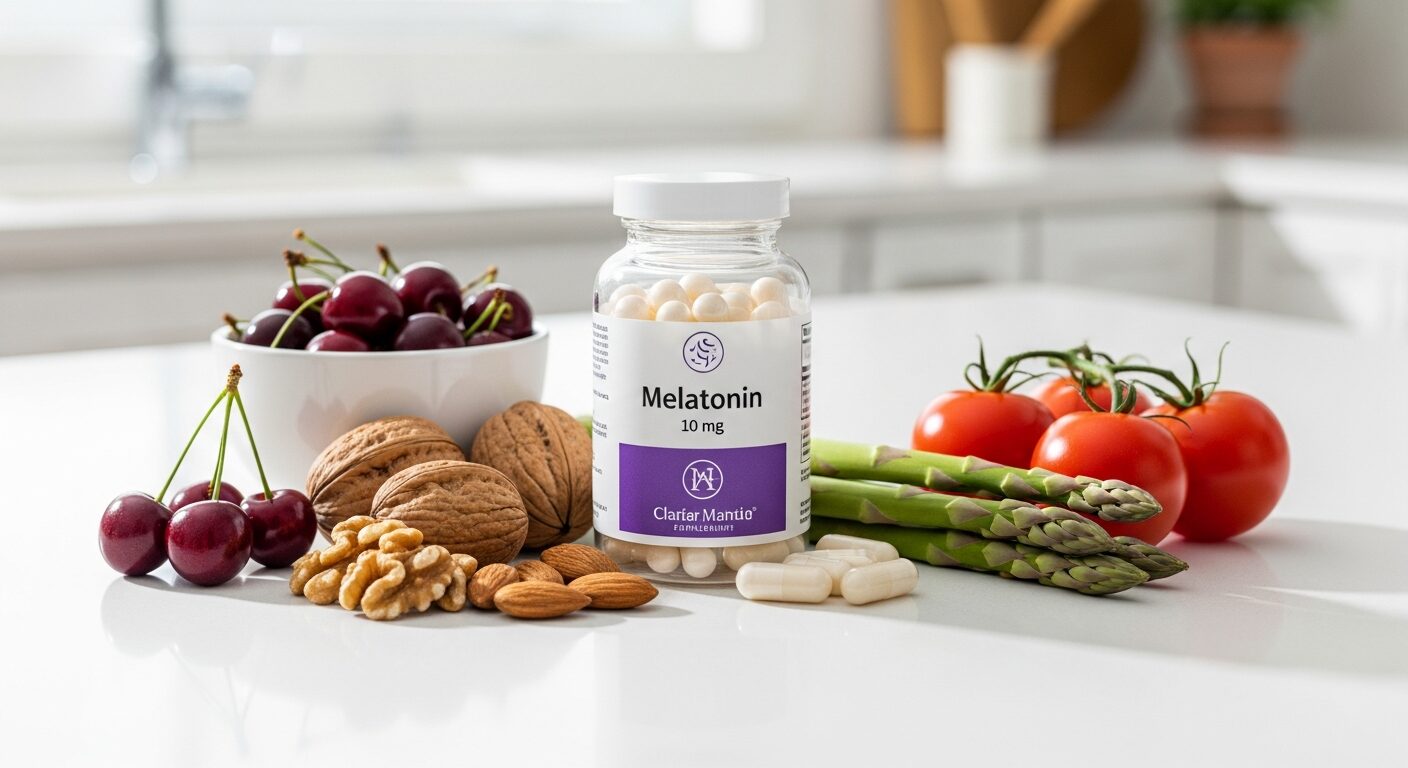
Sleep struggles affect millions of people worldwide, leading many to seek natural solutions for better rest. Among the most popular options are melatonin and magnesium supplements, each promising to help you fall asleep faster and sleep more soundly. But with so much conflicting information online, how do you know which one is right for your specific needs?
While both supplements have garnered attention for their sleep-promoting properties, they work through entirely different mechanisms in your body. Melatonin directly regulates your circadian rhythm—your body’s internal clock—while magnesium supports muscle relaxation and nervous system function. Understanding these differences is crucial for making an informed decision about which supplement might be more effective for your particular sleep challenges.
In this comprehensive guide, we’ll dive deep into the science behind melatonin, exploring not just its benefits but also the common misconceptions that could be preventing you from using it effectively. We’ll examine what really happens in your body during the first 30 days of supplementation, who should avoid it entirely, and how to optimize your dosage for maximum results.
🌿 Looking for Melatonin supplements? Shop Amazon →
Contents
What is Melatonin
Melatonin is a hormone naturally produced by the pineal gland, a small endocrine gland located deep within your brain. Often called the “sleep hormone,” melatonin plays a crucial role in regulating your circadian rhythm—the internal biological clock that tells your body when it’s time to be awake and when it’s time to sleep.
Your body typically begins producing melatonin in the evening when darkness falls, with levels peaking between 2-4 AM before gradually declining toward morning. This natural rise and fall of melatonin helps synchronize your sleep-wake cycle with the day-night cycle of your environment. However, modern lifestyle factors such as artificial light exposure, shift work, travel across time zones, and aging can disrupt this natural production.
As a supplement, melatonin is available in various forms including immediate-release tablets, extended-release formulations, sublingual drops, and gummies. The synthetic version used in supplements is chemically identical to the melatonin your body produces naturally, making it generally well-tolerated by most people. Unlike many sleep medications, melatonin works with your body’s existing systems rather than forcing drowsiness through sedation.
Key Benefits of Melatonin
Research has consistently demonstrated several key benefits of melatonin supplementation, particularly for specific sleep-related issues. The most well-established benefit is its ability to reduce sleep onset latency—the time it takes to fall asleep after getting into bed. A comprehensive meta-analysis published in 2013 found that melatonin supplementation reduced the time to fall asleep by an average of 7 minutes compared to placebo, which may seem modest but represents a significant improvement for people with chronic sleep onset difficulties.
Melatonin excels particularly in situations where your natural circadian rhythm has been disrupted. Jet lag, shift work, and delayed sleep phase syndrome all respond well to appropriately timed melatonin supplementation. For travelers crossing multiple time zones, taking melatonin at the destination’s bedtime can help reset the internal clock more quickly than relying on natural adaptation alone.
Beyond sleep initiation, melatonin may also improve overall sleep quality and duration. Some studies suggest it can increase total sleep time and reduce the number of nighttime awakenings, leading to more restorative rest. Additionally, melatonin possesses potent antioxidant properties, potentially offering protective benefits against cellular damage caused by oxidative stress during sleep.
Emerging research also suggests melatonin may support immune function, cardiovascular health, and even cognitive performance. While these benefits require further investigation, they highlight melatonin’s role as more than just a simple sleep aid.
Recommended by our team
Top-rated Melatonin supplements on Amazon
Affiliate disclosure: small commission at no extra cost to you
What Most People Get Wrong About Melatonin
Despite its popularity, several persistent myths about melatonin continue to circulate, leading to ineffective use and unnecessary disappointment. Understanding these misconceptions is crucial for anyone considering melatonin supplementation.
Myth 1: More Melatonin Equals Better Sleep
Perhaps the most common misconception is that higher doses of melatonin will produce better results. Many people assume that if 3mg doesn’t work, then 6mg or even 10mg must be better. However, research consistently shows that melatonin follows a “less is more” principle. Doses as low as 0.3-1mg are often more effective than the 3-10mg doses commonly found in stores. Higher doses can actually disrupt your natural melatonin production and lead to grogginess the next day. The key is finding the minimum effective dose, which varies among individuals but is typically much lower than most people expect.
Myth 2: Melatonin Works Like a Sleeping Pill
Many people expect melatonin to knock them out within 30 minutes, similar to prescription sleep medications. This misunderstanding leads to frustration when melatonin doesn’t produce immediate sedation. Unlike sleeping pills that force drowsiness through central nervous system depression, melatonin works by signaling to your body that it’s time to prepare for sleep. This process can take 1-3 hours and works best when combined with good sleep hygiene practices like dimming lights and avoiding screens.
Myth 3: Melatonin Becomes Less Effective Over Time
Contrary to popular belief, your body doesn’t build up a tolerance to melatonin the way it might with other sleep aids. The confusion arises because some people experience reduced effectiveness after prolonged use, but this is usually due to other factors such as changing sleep schedules, increased stress, or underlying health issues rather than true tolerance. Research suggests that melatonin can be used long-term without losing its effectiveness when used appropriately.
Myth 4: All Melatonin Supplements Are the Same
The supplement industry’s lack of strict regulation means that melatonin products can vary dramatically in quality and potency. Studies have found that actual melatonin content in supplements can range from 83% less to 478% more than what’s listed on the label. Additionally, some products contain impurities or unlisted ingredients. This variability explains why some people have vastly different experiences with different brands, even at the same stated dosage.
What Happens to Your Body After 30 Days of Taking Melatonin
Understanding the timeline of melatonin’s effects can help set realistic expectations and optimize your supplementation strategy. The changes your body experiences during the first month of consistent melatonin use follow a predictable pattern based on clinical research and physiological adaptation.
Week 1: Initial Sleep Pattern Adjustment
During the first week, your body begins responding to the external melatonin signal. Most people notice they start feeling drowsy earlier in the evening, typically 1-2 hours after taking the supplement. Sleep onset time may improve by 15-30 minutes compared to baseline. However, some individuals experience temporary side effects such as vivid dreams, mild morning grogginess, or slight daytime fatigue as their circadian system adjusts to the new rhythm. These effects are generally mild and temporary.
Week 2: Circadian Rhythm Stabilization
By the second week, your circadian rhythm begins to stabilize around the new schedule. The timing of your natural melatonin production starts to shift, working in harmony with the supplemental hormone. Sleep quality often improves during this phase, with fewer middle-of-the-night awakenings and deeper sleep phases. Many users report feeling more refreshed upon waking, though individual responses vary based on factors such as dosage, timing, and overall sleep hygiene.
Weeks 3-4: Optimal Benefits and Adaptation
The third and fourth weeks typically represent the period when melatonin’s full benefits become apparent. Your body has adapted to the supplementation schedule, and the coordination between external and internal melatonin reaches its optimal state. Total sleep time may increase by 30-45 minutes on average, and sleep efficiency—the percentage of time in bed actually spent sleeping—often improves significantly. Research indicates that consistent use for 3-4 weeks is necessary to evaluate melatonin’s true effectiveness for any individual.
It’s important to note that these timelines can vary based on individual factors such as age, baseline sleep quality, dosage, and concurrent lifestyle factors. Some people may experience benefits sooner, while others may require longer periods to see significant improvements.
Who Should NOT Take Melatonin
While melatonin is generally considered safe for most adults when used appropriately, certain individuals should exercise caution or avoid supplementation entirely. Understanding these contraindications is essential for safe use.
Pregnancy and Breastfeeding
Pregnant and breastfeeding women should avoid melatonin supplements due to insufficient safety data. Melatonin crosses the placental barrier and can be found in breast milk, potentially affecting fetal development or infant sleep patterns. The hormonal changes during pregnancy already significantly impact sleep, and adding external melatonin could interfere with these natural adaptations.
Children and Adolescents
While melatonin is sometimes prescribed for children with specific sleep disorders, it should never be given to minors without medical supervision. Children’s natural melatonin production is typically robust, and supplementation could potentially interfere with normal developmental processes. The long-term effects of melatonin supplementation on developing endocrine systems remain unclear.
Autoimmune Conditions
People with autoimmune disorders such as rheumatoid arthritis, lupus, or multiple sclerosis should consult healthcare providers before using melatonin. The hormone can potentially stimulate immune system activity, which might exacerbate autoimmune conditions or interfere with immunosuppressive treatments.
Depression and Psychiatric Medications
Individuals taking antidepressants, particularly SSRIs, should be cautious with melatonin supplementation. The interaction can potentially affect serotonin levels and may interfere with psychiatric medication effectiveness. Additionally, people with depression may experience worsened symptoms, as melatonin can sometimes contribute to mood changes in susceptible individuals.
Blood Thinning Medications
Melatonin may enhance the effects of anticoagulant medications such as warfarin, potentially increasing bleeding risk. Anyone taking blood thinners should consult their healthcare provider before starting melatonin supplementation and may require more frequent monitoring of their clotting parameters.
Dosage and Best Forms
Optimal melatonin dosing is highly individual and depends on factors such as age, body weight, sleep issues, and sensitivity to the hormone. Research suggests that effective doses range from 0.3mg to 3mg, with most people finding success at the lower end of this spectrum.
For general sleep support, starting with 0.5-1mg taken 1-2 hours before desired bedtime is recommended. If this proves insufficient after one week of consistent use, the dose can be gradually increased by 0.5mg increments until the desired effect is achieved. Rarely do people need more than 3mg, and higher doses often produce diminishing returns or unwanted side effects.
Timing is crucial for melatonin effectiveness. Taking it too close to bedtime may not allow sufficient time for the hormone to signal sleep preparation, while taking it too early might cause premature drowsiness. The optimal timing window is typically 1-3 hours before your intended sleep time.
Regarding formulations, immediate-release tablets or sublingual forms are generally preferred for sleep onset issues, as they provide rapid absorption and peak levels within 30-60 minutes. Extended-release formulations may benefit individuals who fall asleep easily but struggle with staying asleep throughout the night. Liquid forms offer precise dosing flexibility, which is particularly valuable when trying to find your optimal dose.
🌿 Looking for Melatonin Supplements?
Browse top-rated Melatonin supplements, independently tested and recommended by our editorial team.
Affiliate disclosure: We may earn a small commission at no extra cost to you.
Frequently Asked Questions
Can I take melatonin every night?
Yes, research indicates that nightly melatonin use is generally safe for most adults when used at appropriate doses. Unlike prescription sleep medications, melatonin doesn’t typically lead to dependence or tolerance. However, it’s advisable to periodically evaluate whether you still need supplementation, as improving sleep hygiene or addressing underlying issues might reduce or eliminate the need for ongoing supplementation.
Why do I feel groggy after taking melatonin?
Morning grogginess after melatonin use usually indicates that the dose is too high, the timing is incorrect, or you’re using an extended-release formulation when an immediate-release would be more appropriate. Try reducing your dose by half or taking it earlier in the evening. If grogginess persists, consider switching to a different formulation or consulting with a healthcare provider.
Can melatonin interact with my other medications?
Research published in 2015 identified several potential drug interactions with melatonin, including blood thinners, immunosuppressants, diabetes medications, and some blood pressure medications. Always consult your healthcare provider or pharmacist before combining melatonin with prescription medications, as dosage adjustments or monitoring may be necessary.
Is natural melatonin better than synthetic?
Synthetic melatonin is actually preferable to “natural” melatonin derived from animal pineal glands. Synthetic melatonin is chemically identical to human melatonin, free from potential contaminants, and doesn’t carry the risk of transmitting animal-derived pathogens. Most reputable supplement manufacturers use synthetic melatonin, which is both safer and more consistent in quality.
How long does melatonin stay in your system?
Melatonin has a relatively short half-life of approximately 20-45 minutes, meaning most of it is cleared from your bloodstream within 4-6 hours. However, its effects on sleep architecture and circadian rhythm timing can persist longer. This is why timing is so important—taking melatonin too late in the evening can result in elevated levels during your natural wake time, leading to morning grogginess.
Medical Disclaimer
This article is for educational and informational purposes only and does not constitute medical advice. The information provided should not be used as a substitute for professional medical consultation, diagnosis, or treatment. Individual responses to supplements can vary significantly, and what works for one person may not be appropriate for another.
Before starting any new supplement regimen, including melatonin, consult with a qualified healthcare professional, especially if you have existing medical conditions, take prescription medications, or are pregnant or breastfeeding. A 2017 systematic review emphasized the importance of professional guidance when using melatonin, particularly for individuals with complex medical histories or those taking multiple medications.
If you experience persistent sleep problems, unusual side effects, or if your sleep issues worsen while taking melatonin, discontinue use and seek medical attention. Chronic sleep disturbances may indicate underlying medical conditions that require professional evaluation and treatment beyond supplementation.