
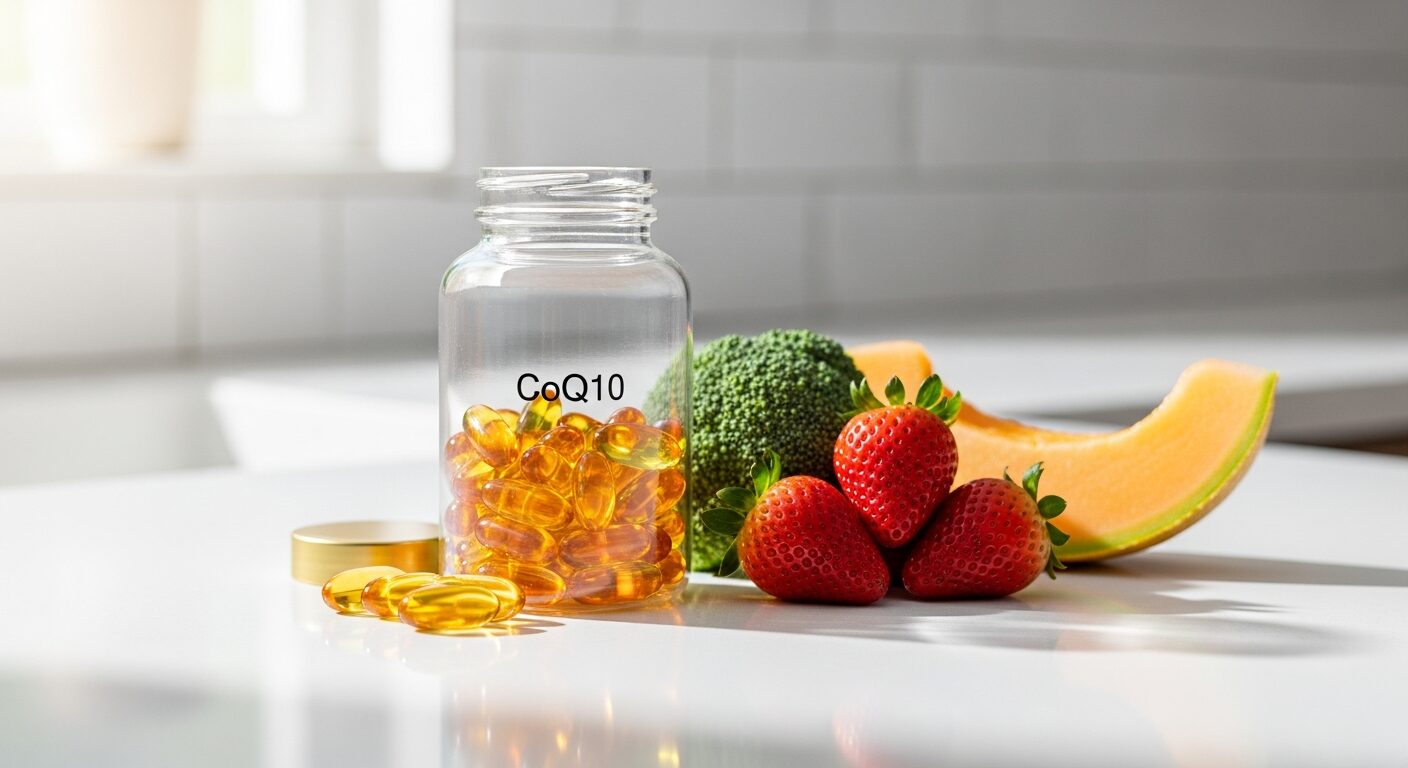
Coenzyme Q10, commonly known as CoQ10, has emerged as one of the most promising heart health supplements backed by decades of scientific research. This naturally occurring compound plays a crucial role in cellular energy production and acts as a powerful antioxidant, making it particularly valuable for cardiovascular health. Yet despite its growing popularity, many people remain confused about how CoQ10 works, who should take it, and what realistic expectations they should have.
The heart is one of the most energy-demanding organs in your body, beating approximately 100,000 times per day and requiring constant fuel to maintain optimal function. As we age, our natural CoQ10 production declines significantly, potentially compromising heart health and overall vitality. Understanding the science behind CoQ10 supplementation can help you make informed decisions about whether this supplement deserves a place in your wellness routine.
This evidence-based guide will cut through the marketing hype and misconceptions to provide you with accurate, research-backed information about CoQ10’s effects on heart health, proper dosing protocols, potential side effects, and realistic timelines for experiencing benefits.
Contents
What is CoQ10
Coenzyme Q10 is a fat-soluble compound that exists in every cell of your body, with the highest concentrations found in organs with high energy demands like the heart, liver, kidneys, and brain. Also known as ubiquinone due to its ubiquitous presence in living organisms, CoQ10 serves two primary functions: facilitating cellular energy production in the mitochondria and providing antioxidant protection against free radical damage.
In the mitochondria—often called the powerhouse of the cell—CoQ10 plays an essential role in the electron transport chain, helping convert nutrients into adenosine triphosphate (ATP), the primary energy currency of cells. Without adequate CoQ10, cellular energy production becomes inefficient, particularly affecting high-energy organs like the heart.
Your body naturally produces CoQ10 through a complex biosynthetic pathway involving multiple vitamins and minerals. However, this production peaks around age 20 and declines steadily thereafter, dropping by approximately 50% by age 40. Additionally, certain medications, particularly statin drugs used to lower cholesterol, can significantly reduce CoQ10 levels by inhibiting the same enzymatic pathway used for CoQ10 synthesis.
CoQ10 exists in two primary forms: ubiquinone (the oxidized form) and ubiquinol (the reduced, active antioxidant form). While your body can convert between these forms, the conversion process becomes less efficient with age, leading many researchers to investigate whether ubiquinol supplementation might be more beneficial for older adults.
Key Benefits of CoQ10
The cardiovascular benefits of CoQ10 supplementation are supported by extensive research spanning over three decades. Mortensen et al., 2014 demonstrated in a landmark randomized controlled trial that CoQ10 supplementation significantly reduced major adverse cardiovascular events in patients with heart failure, showing a 43% reduction in cardiovascular mortality.
One of CoQ10’s primary benefits is improving heart muscle function and energy production. The heart muscle requires enormous amounts of energy to pump blood continuously, and CoQ10 deficiency can lead to decreased cardiac output and symptoms of heart failure. Studies consistently show that CoQ10 supplementation can improve ejection fraction—a measure of how well the heart pumps blood—and reduce symptoms like shortness of breath and fatigue in people with heart conditions.
CoQ10 also provides significant antioxidant protection for the cardiovascular system. It helps prevent the oxidation of LDL cholesterol, a key step in atherosclerosis development. Additionally, CoQ10 helps regenerate other important antioxidants like vitamin E and vitamin C, creating a synergistic protective effect against cardiovascular damage.
Research indicates CoQ10 may help maintain healthy blood pressure levels, particularly in individuals with mild to moderate hypertension. The supplement appears to improve endothelial function—the health of blood vessel linings—which plays a crucial role in blood pressure regulation and overall cardiovascular health.
Beyond direct cardiovascular benefits, CoQ10 supplementation has been shown to reduce muscle pain and weakness associated with statin use, improve exercise capacity, and support overall energy levels. These effects stem from CoQ10’s fundamental role in cellular energy production throughout the body.
What Most People Get Wrong About CoQ10
Despite CoQ10’s well-established benefits, several persistent myths and misconceptions continue to circulate, often leading to unrealistic expectations or improper use of this supplement.
Myth: All CoQ10 Supplements Are the Same
Many consumers assume that CoQ10 supplements are interchangeable, but this couldn’t be further from the truth. The bioavailability of CoQ10 varies dramatically between different formulations. Standard CoQ10 powder in capsules has notoriously poor absorption, with studies showing that only 1-3% of the dose actually reaches your bloodstream. Oil-based formulations, nano-emulsions, and ubiquinol forms can increase absorption by 300-800%. This means a cheaper, poorly absorbed supplement might provide virtually no benefit despite containing adequate amounts on the label.
Myth: You’ll Feel Effects Immediately
Unlike stimulants or some other supplements, CoQ10 doesn’t produce immediate, noticeable effects. Many people discontinue use after a few days or weeks because they don’t “feel anything.” However, CoQ10 works at the cellular level to gradually restore mitochondrial function and tissue levels. Clinical studies typically measure outcomes after 8-12 weeks of consistent use, and tissue saturation can take even longer. This gradual mechanism of action is actually a sign of CoQ10’s fundamental, systemic effects rather than a limitation.
Myth: Higher Doses Are Always Better
There’s a widespread belief that if some CoQ10 is good, more must be better. However, research shows that CoQ10 absorption follows a dose-dependent curve that plateaus at higher doses. Taking 300mg provides only marginally higher blood levels than 150mg, but at significantly greater cost. Furthermore, doses above 300mg daily may cause gastrointestinal upset without additional benefits. The optimal dose range for most people appears to be 100-200mg daily, taken with fat-containing meals to maximize absorption.
Myth: CoQ10 Only Benefits People with Heart Disease
While CoQ10’s cardiovascular benefits are best documented in people with existing heart conditions, this has led to the misconception that healthy individuals don’t need CoQ10. In reality, anyone taking statin medications experiences significant CoQ10 depletion and may benefit from supplementation. Additionally, athletes and physically active individuals may benefit from CoQ10’s role in energy production and exercise recovery. Age-related decline in natural CoQ10 production also suggests potential benefits for healthy aging, even in the absence of diagnosed cardiovascular disease.
What Happens to Your Body After 30 Days of Taking CoQ10
Understanding the realistic timeline for CoQ10 benefits helps set appropriate expectations and encourages consistent use during the initial weeks when changes may be subtle.
Week 1: Initial Cellular Changes
During the first week of CoQ10 supplementation, blood levels begin to rise, though they remain well below optimal ranges. At the cellular level, mitochondria start incorporating the additional CoQ10 into their electron transport chains. Most people don’t notice any subjective changes during this period, which is completely normal. Some individuals taking statin medications might begin to experience slight improvements in muscle comfort, though this varies considerably between people.
Week 2: Building Tissue Levels
By the second week, blood CoQ10 levels continue to climb, and tissue accumulation begins in earnest. The heart muscle, being highly metabolically active, starts to show increased CoQ10 concentrations. Some people report subtle improvements in energy levels or exercise tolerance, though these effects are often attributed to other factors. Individuals with severe CoQ10 deficiency, particularly those on statin therapy, may notice more pronounced improvements in muscle-related symptoms.
Weeks 3-4: Approaching Therapeutic Levels
Research indicates that blood CoQ10 levels typically peak after 2-4 weeks of consistent supplementation, depending on the formulation and individual factors. By this point, tissue levels in the heart and other organs begin approaching therapeutic ranges. People may start noticing improvements in exercise endurance, reduced fatigue, and better recovery from physical activity. Those with existing cardiovascular conditions might experience subtle improvements in symptoms like shortness of breath or chest discomfort, though significant clinical improvements typically require longer supplementation periods.
It’s important to note that the most significant cardiovascular benefits documented in clinical trials—such as improved heart function and reduced cardiovascular events—typically emerge after 12-24 weeks of consistent use. The 30-day mark represents the beginning of therapeutic benefits rather than their peak.
Who Should NOT Take CoQ10
While CoQ10 is generally considered safe for most adults, several important contraindications and precautions warrant careful consideration before starting supplementation.
Individuals taking warfarin (Coumadin) or other blood-thinning medications should exercise extreme caution with CoQ10 supplementation. CoQ10’s chemical structure resembles vitamin K, and high doses may potentially interfere with anticoagulant effectiveness, though the clinical significance remains debated. Anyone on blood-thinning therapy should consult their healthcare provider and may require more frequent INR monitoring if they choose to use CoQ10.
People with diabetes should monitor blood glucose levels more closely when starting CoQ10, as some studies suggest it may improve insulin sensitivity and potentially lower blood sugar levels. While this effect is generally beneficial, it could necessitate adjustments to diabetes medications to prevent hypoglycemia.
Pregnant and breastfeeding women should avoid CoQ10 supplementation due to insufficient safety data in these populations. Although no adverse effects have been reported, the lack of controlled studies makes it prudent to avoid supplementation during these critical periods.
Individuals scheduled for surgery should discontinue CoQ10 at least two weeks prior to the procedure. CoQ10’s potential effects on blood clotting, combined with the anticoagulants often used during surgery, could theoretically increase bleeding risk.
People with severe kidney or liver disease should consult their healthcare provider before using CoQ10, as these organs play crucial roles in CoQ10 metabolism and clearance. Additionally, individuals taking certain chemotherapy drugs should discuss CoQ10 use with their oncologist, as some research suggests it might interfere with certain cancer treatments.
Dosage and Best Forms
Determining the optimal CoQ10 dose depends on individual factors including age, health status, medication use, and specific health goals. For general cardiovascular health and anti-aging benefits, most research supports doses between 100-200mg daily. Individuals with documented heart failure or other cardiovascular conditions may benefit from higher doses of 200-300mg daily, though this should be done under medical supervision.
People taking statin medications typically require higher doses due to the significant CoQ10 depletion these drugs cause. Studies in statin users often employ doses of 200-400mg daily to restore normal CoQ10 levels and alleviate muscle-related side effects.
The form of CoQ10 significantly impacts bioavailability and effectiveness. Ubiquinol, the reduced active form of CoQ10, generally provides superior absorption compared to ubiquinone, particularly in older adults whose conversion capacity may be diminished. Oil-based softgel capsules typically absorb better than dry powder capsules due to CoQ10’s fat-soluble nature.
Timing and administration method also influence absorption. CoQ10 should be taken with fat-containing meals to maximize absorption, as dietary fat stimulates bile acid release, which enhances fat-soluble vitamin and supplement absorption. Splitting larger doses throughout the day may improve utilization compared to taking the entire dose at once.
Zhang et al., 2018 conducted a comprehensive meta-analysis showing that CoQ10 supplementation significantly improves cardiovascular outcomes across various dosing regimens, with optimal benefits typically seen at doses between 100-300mg daily.
🌿 Looking for CoQ10 Supplements?
Browse top-rated CoQ10 supplements, independently tested and recommended by our editorial team.
Affiliate disclosure: We may earn a small commission at no extra cost to you.
Frequently Asked Questions
How long does it take to see results from CoQ10?
Most people begin experiencing subtle benefits after 2-4 weeks of consistent use, with blood levels peaking during this timeframe. However, significant cardiovascular improvements typically require 12-24 weeks of supplementation. Individuals taking statins may notice improvements in muscle symptoms sooner, often within 4-8 weeks. The timeline varies based on individual CoQ10 status, dosage, supplement quality, and specific health conditions.
Can I take CoQ10 with other supplements?
CoQ10 generally combines well with most other supplements and may even work synergistically with certain nutrients. Vitamin E can help regenerate CoQ10’s antioxidant capacity, while B-vitamins support the natural CoQ10 synthesis pathway. However, avoid taking CoQ10 with iron supplements, as iron can potentially promote CoQ10 oxidation. Always space supplements throughout the day for optimal absorption and consult healthcare providers about potential interactions with medications.
Should I choose ubiquinone or ubiquinol?
Ubiquinol generally offers superior bioavailability, particularly for adults over 40 whose natural conversion capacity declines with age. However, high-quality ubiquinone formulations in oil-based capsules can also be effective and are typically more affordable. The choice often depends on age, budget, and individual absorption capacity. Younger adults may do fine with ubiquinone, while older individuals often benefit more from ubiquinol.
Is it safe to take CoQ10 long-term?
Long-term CoQ10 supplementation appears safe for most people, with studies documenting safe use for several years without significant adverse effects. Since CoQ10 is a naturally occurring compound that your body produces, supplementation essentially replaces declining natural production. However, periodic evaluation with healthcare providers is advisable, particularly for individuals with underlying health conditions or those taking multiple medications.
Why is CoQ10 so expensive?
CoQ10’s high cost reflects its complex manufacturing process and the expensive fermentation methods required to produce pharmaceutical-grade material. Additionally, developing bioavailable formulations requires sophisticated delivery systems, further increasing costs. While cheaper options exist, they often have poor absorption, making them less cost-effective despite lower prices. Gutierrez-Mariscal et al., 2020 demonstrated that investment in quality CoQ10 formulations provides significantly better clinical outcomes than cheaper alternatives.
Medical Disclaimer
This article is for informational purposes only and does not constitute medical advice. The information provided should not be used to diagnose, treat, cure, or prevent any disease or health condition. Individual responses to supplements vary significantly, and what works for one person may not be appropriate for another.
Always consult with a qualified healthcare professional before starting any new supplement regimen, especially if you have existing health conditions, take medications, or are pregnant or breastfeeding. Healthcare providers can help determine whether CoQ10 supplementation is appropriate for your individual circumstances and can monitor for potential interactions or adverse effects.
The statements made in this article have not been evaluated by the Food and Drug Administration. CoQ10 supplements are not intended to diagnose, treat, cure, or prevent any disease. If you experience any adverse reactions while taking CoQ10, discontinue use immediately and consult your healthcare provider.