
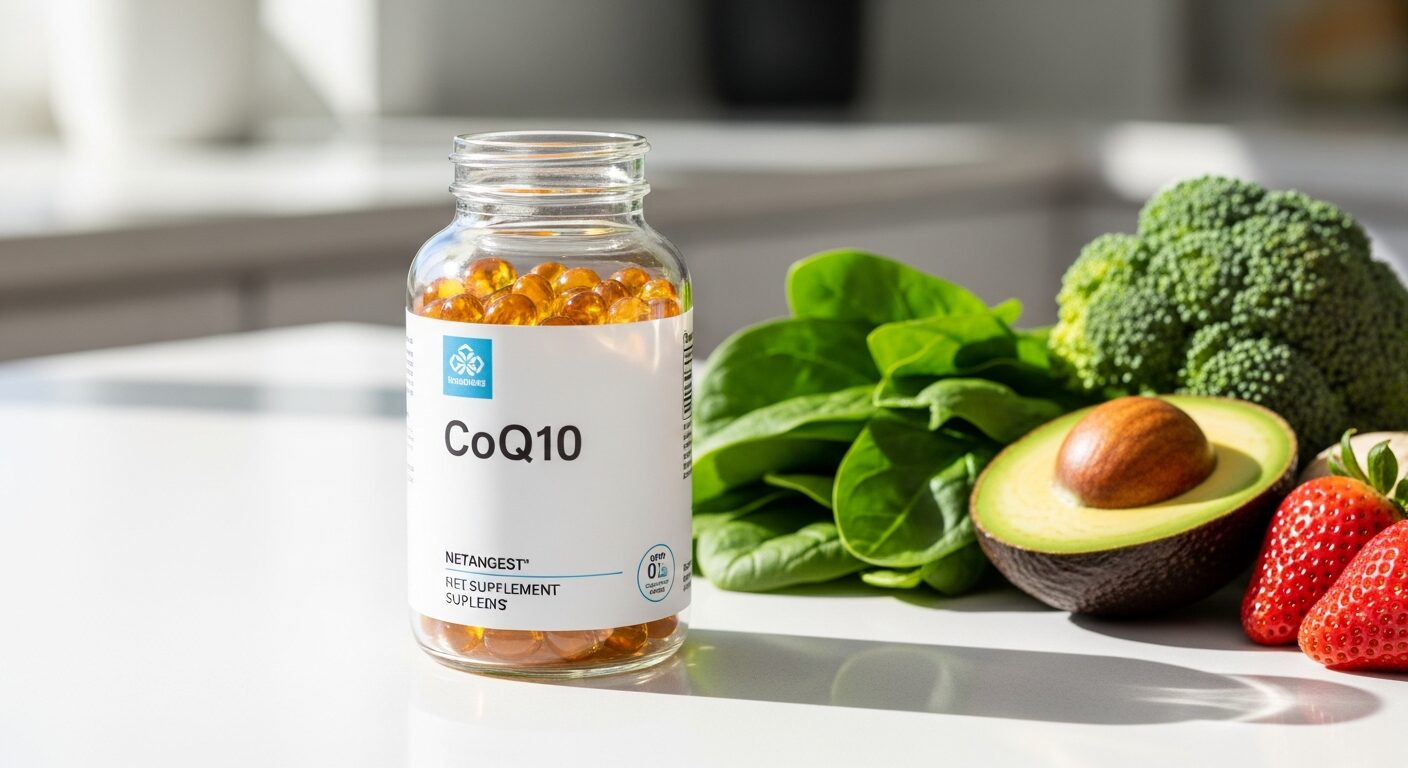
Coenzyme Q10, commonly known as CoQ10, has emerged as one of the most researched and promising supplements in the health and wellness industry. This naturally occurring compound plays a crucial role in cellular energy production, yet many people remain unaware of its profound impact on overall health and vitality. From supporting heart health to potentially slowing the aging process, CoQ10 has captured the attention of both researchers and health-conscious individuals worldwide.
What makes CoQ10 particularly fascinating is that our bodies naturally produce this vital compound, but production declines significantly as we age. By the time we reach 40, our CoQ10 levels can drop by up to 30%, and this decline continues throughout our lives. This age-related decrease coincides with many of the health challenges we face as we get older, leading scientists to investigate whether CoQ10 supplementation could help bridge this gap.
Despite its growing popularity, CoQ10 remains one of the most misunderstood supplements on the market. Many people have misconceptions about how it works, who should take it, and what realistic expectations they should have. This comprehensive guide will explore what the current scientific evidence reveals about CoQ10, separating fact from fiction to help you make informed decisions about this powerful compound.
Contents
What is CoQ10
Coenzyme Q10 is a fat-soluble, vitamin-like compound that exists in every cell of the human body. Also known as ubiquinone, its name derives from the word “ubiquitous,” reflecting its presence throughout our biological systems. CoQ10 serves two primary functions: it acts as a crucial component in the mitochondrial electron transport chain, where it helps produce ATP (the body’s primary energy currency), and it functions as a powerful antioxidant, protecting cells from oxidative damage.
The compound exists in two main forms within the body: ubiquinone (the oxidized form) and ubiquinol (the reduced, active form). While our bodies can convert between these forms, the ability to make this conversion decreases with age, making the choice of supplement form increasingly important for older adults.
CoQ10 is found naturally in small amounts in foods like organ meats, fatty fish, whole grains, and vegetables. However, obtaining therapeutic levels through diet alone is virtually impossible, as food sources contain relatively low concentrations. For example, you would need to consume about 2 pounds of beef or 60 avocados daily to get just 30mg of CoQ10, which is considered a modest supplemental dose.
Key Benefits of CoQ10
Scientific research has identified several significant health benefits associated with CoQ10 supplementation, with cardiovascular health being the most extensively studied area. A comprehensive meta-analysis published in 2014 examined multiple clinical trials and found that CoQ10 supplementation significantly improved symptoms in patients with heart failure, reducing hospitalizations and improving quality of life measures.
Heart health benefits extend beyond heart failure treatment. CoQ10 has shown promise in supporting healthy blood pressure levels, with studies indicating that supplementation may help reduce both systolic and diastolic blood pressure in individuals with hypertension. The compound’s role in cellular energy production is particularly important for the heart, which requires enormous amounts of energy to pump blood continuously throughout our lives.
Energy production and fatigue reduction represent another well-documented benefit of CoQ10. Since the compound is essential for ATP synthesis in mitochondria, supplementation can help combat the age-related decline in cellular energy production. Many users report increased energy levels and reduced fatigue, particularly during the first month of consistent supplementation.
The antioxidant properties of CoQ10 contribute to its anti-aging potential. By neutralizing harmful free radicals and protecting cell membranes from oxidative damage, CoQ10 may help slow certain aspects of the aging process. This protective effect is particularly important for organs with high energy demands, such as the heart, brain, liver, and kidneys.
Emerging research also suggests potential benefits for cognitive function, exercise performance, and skin health. While these areas require more extensive study, preliminary evidence indicates that CoQ10’s dual role as an energy enhancer and antioxidant may have far-reaching effects on overall health and longevity.
What Most People Get Wrong About CoQ10
One of the most persistent myths about CoQ10 is that all forms are equally effective. Many consumers assume that the cheaper ubiquinone supplements will provide the same benefits as ubiquinol, but this isn’t necessarily true. While younger individuals can efficiently convert ubiquinone to the active ubiquinol form, this conversion becomes less efficient with age. Adults over 40 may benefit more from taking ubiquinol directly, despite its higher cost, as it’s more readily available for cellular use.
Another common misconception is that CoQ10 works immediately like a stimulant or energy drink. Unlike caffeine, which provides a quick but temporary energy boost, CoQ10 works at the cellular level to improve mitochondrial function. This process takes time, typically requiring 4-12 weeks of consistent supplementation before users notice significant improvements in energy levels. The expectation of immediate results leads many people to discontinue supplementation prematurely, missing out on its long-term benefits.
Many people also believe that taking CoQ10 with any meal will ensure proper absorption. However, CoQ10 is a fat-soluble compound that requires dietary fat for optimal absorption. Taking CoQ10 supplements with a low-fat meal or on an empty stomach can reduce absorption by up to 60%. For maximum benefit, CoQ10 should be taken with meals containing at least 5-10 grams of fat, such as those including nuts, avocado, olive oil, or fatty fish.
Perhaps the most dangerous misconception is that CoQ10 is completely safe for everyone and has no interactions with medications. While CoQ10 is generally well-tolerated, it can interact significantly with certain medications, particularly blood thinners like warfarin. CoQ10 can reduce the effectiveness of these medications, potentially leading to serious health consequences. Additionally, some people assume that “natural” automatically means “safe for everyone,” overlooking the fact that even natural compounds can have contraindications for certain health conditions.
What Happens to Your Body After 30 Days of Taking CoQ10
During the first week of CoQ10 supplementation, most people won’t notice dramatic changes, as the compound begins accumulating in tissues and cellular uptake gradually increases. Research published in the Journal of Clinical Pharmacology shows that it takes approximately one week for CoQ10 levels to begin rising significantly in the bloodstream, with peak levels typically reached after 2-3 weeks of consistent supplementation.
Week two often brings the first noticeable effects for many users. Energy levels may begin to stabilize, with less pronounced afternoon fatigue and improved exercise tolerance. Some individuals report better sleep quality and faster recovery from physical exertion. These improvements reflect the gradual enhancement of mitochondrial function as CoQ10 levels increase in energy-demanding tissues like the heart and skeletal muscles.
By weeks three and four, the full benefits of CoQ10 supplementation typically become apparent. Users often experience sustained energy throughout the day, improved cardiovascular endurance, and enhanced overall vitality. For individuals with heart conditions, this timeframe may coincide with improvements in symptoms like shortness of breath and exercise capacity. The antioxidant benefits also become more pronounced, potentially contributing to better skin appearance and reduced oxidative stress markers.
It’s important to note that individual responses can vary significantly based on factors such as age, baseline CoQ10 levels, overall health status, and the form and dosage of supplement used. Some people may notice benefits sooner, while others may require 6-8 weeks to experience the full effects. Consistency is key, as CoQ10 levels drop relatively quickly when supplementation is discontinued.
Who Should NOT Take CoQ10
While CoQ10 is generally considered safe for most adults, certain individuals should exercise caution or avoid supplementation entirely. Pregnant and breastfeeding women should avoid CoQ10 supplements due to insufficient safety data in these populations. Although CoQ10 is naturally present in the body during pregnancy, the effects of supplemental doses on fetal development and breast milk composition have not been adequately studied.
Individuals taking blood-thinning medications, particularly warfarin (Coumadin), require careful medical supervision if considering CoQ10 supplementation. CoQ10 can reduce the effectiveness of these medications by supporting vitamin K-dependent clotting factors, potentially increasing the risk of blood clots. Any changes to CoQ10 intake in patients on anticoagulants necessitate more frequent monitoring of blood clotting parameters and possible medication dose adjustments.
People with certain medical conditions should consult healthcare providers before starting CoQ10. Those with diabetes should monitor blood sugar levels closely, as CoQ10 may improve insulin sensitivity and glucose metabolism, potentially requiring adjustments to diabetes medications. Individuals with low blood pressure should also use caution, as CoQ10’s blood pressure-lowering effects could cause hypotension in some cases.
Children and adolescents should generally avoid CoQ10 supplementation unless specifically recommended by a pediatric healthcare provider for a diagnosed condition. Young, healthy individuals typically have adequate natural CoQ10 production, making supplementation unnecessary and potentially disruptive to normal physiological processes.
Dosage and Best Forms
The optimal CoQ10 dosage varies depending on individual needs, health status, and specific health goals. For general wellness and prevention, doses of 100-200mg daily are commonly recommended for adults. Individuals with specific health conditions may require higher doses: heart failure patients often benefit from 100-300mg daily, while those seeking cardiovascular protection typically use 100-200mg daily.
The form of CoQ10 significantly impacts its effectiveness. Ubiquinol, the reduced form, is generally better absorbed and more bioavailable than ubiquinone, particularly in adults over 40. However, ubiquinol supplements are typically more expensive and may be less stable than ubiquinone formulations. For younger adults with good overall health, high-quality ubiquinone supplements may provide adequate benefits at a lower cost.
Timing and administration method also affect CoQ10’s effectiveness. Since it’s fat-soluble, taking CoQ10 with meals containing healthy fats improves absorption significantly. Dividing larger doses throughout the day (such as taking 100mg twice daily instead of 200mg once) may enhance utilization and reduce the likelihood of mild gastrointestinal side effects.
Quality varies significantly among CoQ10 supplements, making it important to choose products from reputable manufacturers that provide third-party testing for purity and potency. Look for supplements that specify the form of CoQ10 used and provide information about bioavailability enhancement techniques, such as soft gel capsules or specialized delivery systems.
🌿 Looking for CoQ10 Supplements?
Browse top-rated CoQ10 supplements, independently tested and recommended by our editorial team.
Affiliate disclosure: We may earn a small commission at no extra cost to you.
Frequently Asked Questions
Can I take CoQ10 with other supplements?
CoQ10 generally combines well with other supplements and may even enhance the effectiveness of certain nutrients. It works synergistically with vitamin E and other antioxidants, and some studies suggest it may help reduce muscle-related side effects of statin medications. However, always consult with a healthcare provider before combining multiple supplements, especially if you take prescription medications.
How long does it take to see results from CoQ10?
Most people begin noticing subtle improvements in energy levels and overall well-being within 2-4 weeks of consistent supplementation. However, maximum benefits typically require 6-12 weeks of regular use. Clinical studies indicate that CoQ10 levels in blood and tissues continue to increase for several weeks after starting supplementation, with peak levels reached around the 4-week mark.
Are there any side effects of CoQ10?
CoQ10 is generally well-tolerated with minimal side effects. Some people may experience mild gastrointestinal symptoms, such as nausea, diarrhea, or stomach upset, particularly when starting supplementation or taking large doses. These effects are usually temporary and can be minimized by taking CoQ10 with food and starting with lower doses.
Should I take CoQ10 if I’m on statin medications?
Statin medications can deplete natural CoQ10 levels by up to 40%, making supplementation potentially beneficial for people taking these cholesterol-lowering drugs. Many healthcare providers recommend CoQ10 supplementation for statin users, particularly those experiencing muscle pain or fatigue. However, always consult with your prescribing physician before adding any supplements to your regimen.
What’s the difference between ubiquinone and ubiquinol?
Ubiquinone is the oxidized form of CoQ10 and the form most commonly found in less expensive supplements. Ubiquinol is the reduced, active form that’s more readily used by cells. While the body can convert ubiquinone to ubiquinol, this conversion becomes less efficient with age. Adults over 40 or those with certain health conditions may benefit more from ubiquinol supplementation, despite its higher cost.
Medical Disclaimer
This article is for informational purposes only and does not constitute medical advice. The information provided should not be used as a substitute for professional medical consultation, diagnosis, or treatment. Always consult with a qualified healthcare provider before starting any new supplement regimen, especially if you have pre-existing medical conditions, take prescription medications, or are pregnant or breastfeeding. Individual responses to supplements may vary, and what works for one person may not be appropriate for another. The statements in this article have not been evaluated by the Food and Drug Administration, and CoQ10 supplements are not intended to diagnose, treat, cure, or prevent any disease.