
The quest for longevity has captivated humanity for centuries, but only recently have we begun to understand the molecular mechanisms behind aging at a cellular level. Among the most promising discoveries in anti-aging research are NAD+ precursors, particularly Nicotinamide Mononucleotide (NMN) and Nicotinamide Riboside (NR). These compounds have emerged as potential game-changers in the fight against cellular aging, promising to restore youthful energy levels, enhance cognitive function, and potentially extend healthspan.
NAD+ (Nicotinamide Adenine Dinucleotide) is a crucial coenzyme found in every cell of your body, playing a vital role in energy metabolism, DNA repair, and cellular communication. However, NAD+ levels decline significantly as we age – dropping by approximately 50% every 20 years after age 40. This decline is associated with many hallmarks of aging, including decreased mitochondrial function, reduced cellular repair mechanisms, and increased susceptibility to age-related diseases. The good news is that research suggests we can potentially reverse this decline through targeted supplementation.
While both NMN and NR serve as precursors to NAD+, they differ significantly in their molecular structure, bioavailability, and potential effectiveness. Understanding these differences is crucial for making an informed decision about which supplement might be more beneficial for your anti-aging goals. This comprehensive analysis will examine the science behind both compounds, helping you navigate the complex landscape of NAD+ supplementation.
Contents
What is NMN
Nicotinamide Mononucleotide (NMN) is a nucleotide derived from ribose and nicotinamide, serving as a direct precursor to NAD+ in the cellular energy production pathway. Unlike many other supplements that require multiple conversion steps to become biologically active, NMN is converted to NAD+ through a relatively straightforward enzymatic process involving nicotinamide mononucleotide adenylyltransferases (NMNATs).
From a molecular perspective, NMN is larger and more complex than NR, containing an additional phosphate group. This structural difference has significant implications for how the compound is absorbed, transported, and utilized by cells. Recent research has identified specific transporters, particularly the Slc12a8 transporter, that can directly uptake NMN into cells, challenging earlier assumptions that NMN needed to be broken down before cellular entry.
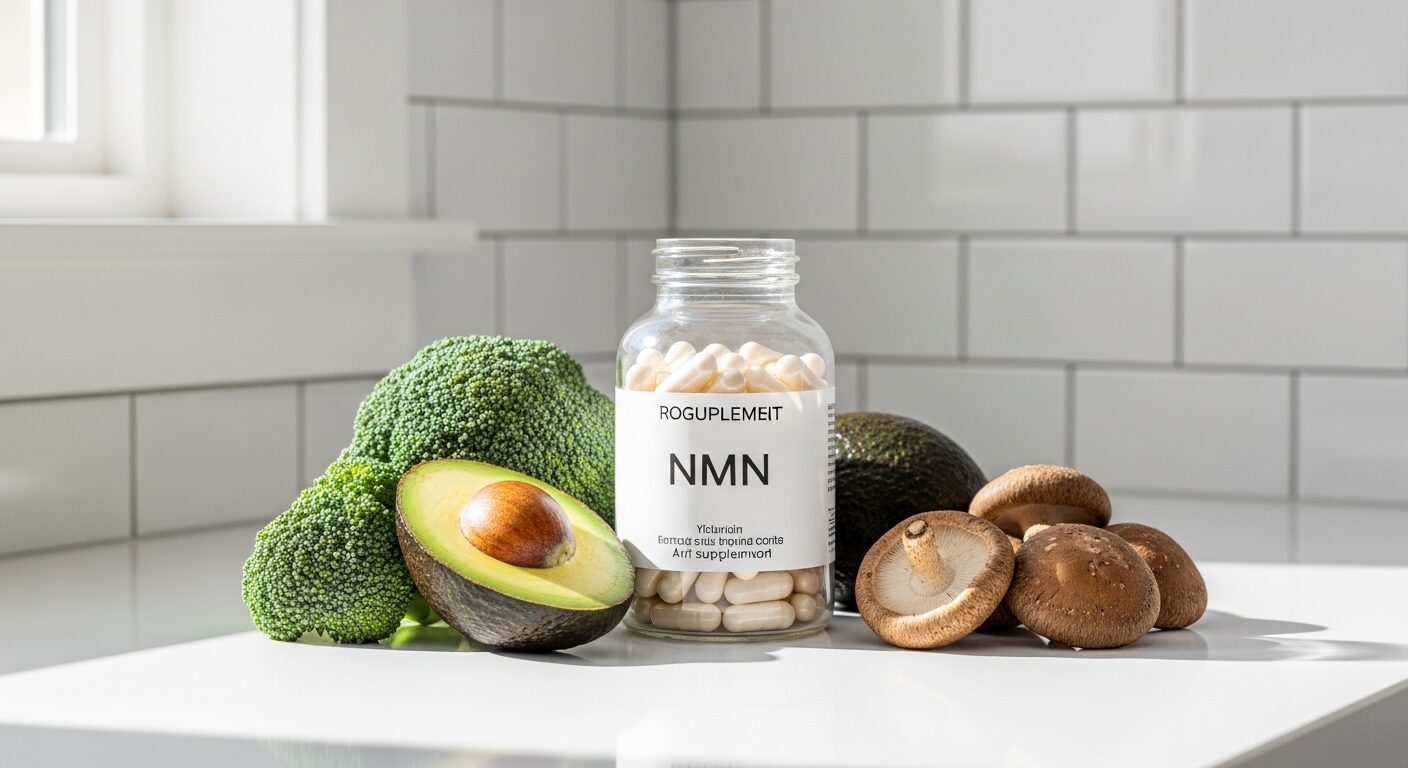
NMN occurs naturally in various foods, including broccoli, cabbage, cucumber, edamame, and avocados, though in relatively small quantities. For instance, you would need to consume approximately 100 kilograms of broccoli to obtain the equivalent of a typical 250mg NMN supplement dose. This makes supplementation the most practical approach for achieving therapeutically relevant levels of NMN intake.
The compound has gained significant attention following research by Harvard’s Dr. David Sinclair and other leading longevity researchers, who have demonstrated its potential to reverse certain aspects of aging in animal models. These studies have shown improvements in mitochondrial function, enhanced DNA repair capacity, and increased resistance to age-related metabolic dysfunction.
Key Benefits of NMN
The potential benefits of NMN supplementation are primarily attributed to its ability to boost cellular NAD+ levels, which subsequently activates various longevity-promoting pathways. Research has identified several key areas where NMN may provide significant anti-aging benefits.
Enhanced mitochondrial function represents one of the most well-documented benefits of NMN supplementation. Mitochondria, often called the powerhouses of cells, become less efficient with age, leading to decreased energy production and increased oxidative stress. Studies have shown that NMN can improve mitochondrial biogenesis, enhance ATP production, and restore youthful mitochondrial dynamics. This translates to improved physical endurance, reduced fatigue, and better overall energy levels.
Cardiovascular health improvements have been observed in multiple studies, with NMN supplementation showing potential to enhance blood vessel function, improve circulation, and support healthy blood pressure levels. The research indicates that NMN may help restore endothelial function and improve vascular elasticity, crucial factors in maintaining cardiovascular health as we age.
Cognitive function and neuroprotection represent another promising area for NMN benefits. The brain is particularly vulnerable to NAD+ decline due to its high energy demands and limited regenerative capacity. Studies suggest that NMN supplementation may support neuroplasticity, enhance memory formation, and provide protection against age-related cognitive decline. Some research has even shown potential benefits for neurodegenerative conditions, though more human studies are needed to confirm these effects.
Metabolic health improvements have been consistently observed across various studies, with NMN showing potential to enhance insulin sensitivity, support healthy glucose metabolism, and promote optimal body composition. These effects are particularly relevant given the increasing prevalence of metabolic dysfunction with aging.
What Most People Get Wrong About NMN
Despite growing interest in NMN supplementation, several persistent myths and misconceptions continue to circulate, often leading to unrealistic expectations or suboptimal supplementation strategies.
One of the most common misconceptions is that NMN cannot be absorbed intact and must be broken down to NR before entering cells. This outdated belief stems from early research that failed to identify the specific transport mechanisms for NMN. However, recent studies have definitively shown that cells possess dedicated NMN transporters, particularly the Slc12a8 transporter, which allows direct cellular uptake of intact NMN molecules. This discovery fundamentally changed our understanding of NMN bioavailability and supports its potential superiority over NR in certain tissues.
Another widespread myth is that higher doses of NMN always produce better results. In reality, NAD+ synthesis follows complex regulatory mechanisms that can become saturated at high doses. Research suggests that there may be an optimal dosing range where benefits plateau, and excessive doses might not provide additional advantages while potentially increasing costs. Some studies indicate that doses between 250-500mg daily may be sufficient for most individuals, challenging the “more is better” mentality.
Many people also believe that NMN effects are immediately noticeable, similar to stimulants or acute interventions. This misconception leads to disappointment when dramatic changes aren’t observed within days of starting supplementation. The reality is that NMN works by supporting fundamental cellular processes that improve gradually over weeks to months. The most significant benefits often emerge after consistent supplementation for 4-8 weeks, as cellular NAD+ levels stabilize and downstream pathways become optimally activated.
Perhaps the most dangerous misconception is that NMN is a miracle cure that can completely halt or reverse aging. While research is incredibly promising, NMN is best understood as one component of a comprehensive longevity strategy. It works synergistically with proper nutrition, regular exercise, adequate sleep, and stress management. Expecting NMN alone to counteract decades of cellular damage or poor lifestyle choices sets unrealistic expectations and may lead to neglect of other crucial health factors.
What Happens to Your Body After 30 Days of Taking NMN
Understanding the timeline of NMN effects can help set realistic expectations and optimize supplementation strategies. Based on clinical research and user reports, NMN benefits typically unfold in distinct phases over the first month of consistent supplementation.
Week 1: Initial Cellular Adaptation
During the first week, your body begins adapting to increased NAD+ availability, though noticeable effects are typically minimal. At the cellular level, NAD+ synthesis pathways are upregulating, and mitochondrial enzyme systems are beginning to respond to improved coenzyme availability. Some individuals report subtle improvements in sleep quality or slight increases in morning energy, though these effects can be variable and may be influenced by placebo effects. The most important process during this phase is the establishment of consistent blood levels of NMN and its metabolites.
Week 2: Emerging Benefits
By the second week, many users begin experiencing more noticeable improvements in energy levels and physical endurance. Research suggests that mitochondrial function begins improving around this timeframe, leading to enhanced ATP production and reduced cellular fatigue. Some individuals report improved exercise capacity, faster recovery from physical exertion, and more stable energy throughout the day. Sleep quality improvements often become more consistent during this period, with deeper sleep phases and improved sleep architecture.
Week 3-4: Full Benefit Realization
The third and fourth weeks typically represent the period when NMN’s full benefits become apparent. Cardiovascular improvements may become noticeable, including better circulation, improved exercise tolerance, and enhanced recovery. Cognitive benefits often emerge during this timeframe, with improvements in mental clarity, focus, and memory formation becoming apparent. Some users report enhanced mood stability and stress resilience, likely related to improved cellular energy status and optimized neurotransmitter synthesis.
Metabolic improvements typically become measurable by the end of the first month, with some studies showing improvements in insulin sensitivity and glucose metabolism. Physical appearance changes, while subtle, may include improved skin texture and reduced signs of fatigue. It’s important to note that individual responses can vary significantly based on factors such as age, baseline NAD+ levels, overall health status, and lifestyle factors.
Who Should NOT Take NMN
While NMN appears to have an excellent safety profile for most healthy adults, certain individuals should exercise caution or avoid supplementation entirely. Understanding these contraindications is crucial for safe and effective use.
Pregnant and breastfeeding women should avoid NMN supplementation due to insufficient safety data in these populations. The developing fetus and nursing infant have unique metabolic requirements, and the effects of elevated NAD+ levels on development are not well understood. Until comprehensive safety studies are completed in these populations, it’s advisable to avoid NMN during pregnancy and lactation.
Individuals with active cancer should consult with their oncologist before considering NMN supplementation. While some research suggests NAD+ enhancement might support the body’s natural DNA repair mechanisms, there’s also theoretical concern that rapidly dividing cancer cells might benefit from increased NAD+ availability. The relationship between NAD+ levels and cancer progression is complex and not fully understood, making medical supervision essential for cancer patients.
People taking certain medications should be particularly cautious with NMN supplementation. Blood thinning medications like warfarin may interact with NMN, potentially altering medication effectiveness. Diabetes medications, particularly those affecting blood glucose levels, may require adjustment when starting NMN due to its potential effects on insulin sensitivity. Always consult with healthcare providers before combining NMN with prescription medications.
Individuals with severe kidney or liver disease should avoid NMN supplementation unless specifically approved by their healthcare provider. These organs play crucial roles in metabolizing and eliminating NMN metabolites, and impaired function could lead to unexpected accumulation or adverse effects.
Children and adolescents should not take NMN supplements unless specifically prescribed by a pediatric specialist. Young individuals typically have optimal NAD+ levels, and the long-term effects of supplementation during developmental years are unknown.
Dosage and Best Forms
Determining the optimal NMN dosage requires consideration of individual factors, research findings, and practical considerations. Current human studies have used dosages ranging from 100mg to 500mg daily, with most showing benefits in the 250-300mg range.
For beginners, starting with 125-250mg daily is recommended, preferably taken in the morning on an empty stomach for optimal absorption. This allows assessment of individual tolerance and response before potentially increasing dosage. Advanced users may benefit from 300-500mg daily, though higher doses should be approached cautiously and ideally under healthcare supervision.
Sublingual NMN powder or tablets offer potentially superior bioavailability by bypassing first-pass liver metabolism. This delivery method allows direct absorption through oral mucosa, potentially increasing the amount of intact NMN reaching systemic circulation. However, sublingual administration requires holding the powder under the tongue for several minutes, which some users find inconvenient.
Enteric-coated capsules represent another promising delivery method, protecting NMN from stomach acid degradation while ensuring release in the small intestine where absorption is optimal. This form offers convenience and potentially improved stability compared to standard capsules.
Quality considerations are crucial when selecting NMN supplements. Look for products with third-party testing for purity and potency, proper storage conditions to prevent degradation, and transparent labeling of ingredients and manufacturing processes.
🌿 Looking for NMN Supplements?
Browse top-rated NMN supplements, independently tested and recommended by our editorial team.
Affiliate disclosure: We may earn a small commission at no extra cost to you.
Frequently Asked Questions
How long does it take for NMN to start working?
Most people begin noticing subtle improvements in energy and sleep quality within 1-2 weeks of consistent NMN supplementation. More significant benefits, including enhanced physical performance and cognitive improvements, typically become apparent after 3-4 weeks of regular use. However, individual responses can vary based on age, health status, and baseline NAD+ levels.
Can I take NMN with other supplements?
NMN generally combines well with other longevity-focused supplements, including resveratrol, pterostilbene, and quercetin. Some research suggests synergistic effects between NMN and sirtuin-activating compounds like resveratrol. However, avoid taking NMN with other NAD+ precursors like NR simultaneously, as this may lead to unnecessary competition for cellular uptake mechanisms.
What’s the difference between NMN powder and capsules?
NMN powder offers flexibility in dosing and potentially faster absorption, especially when taken sublingually. Capsules provide convenience and precise dosing but may have slightly reduced bioavailability due to the encapsulation process. Both forms can be effective when sourced from reputable manufacturers with proper storage and handling protocols.
Should I cycle NMN or take it continuously?
Current research doesn’t indicate a need for cycling NMN supplementation. Unlike some supplements that may lose effectiveness with continuous use, NAD+ levels naturally decline with age, making consistent supplementation potentially beneficial for maintaining optimal cellular function. However, some practitioners recommend occasional breaks to assess baseline function and prevent potential habituation.
Can NMN help with weight loss?
While NMN isn’t primarily a weight loss supplement, it may support healthy weight management through improved metabolic function, enhanced insulin sensitivity, and increased cellular energy production. These effects may lead to better exercise performance and more efficient fat oxidation, but NMN should be viewed as a metabolic optimizer rather than a direct weight loss intervention.
Medical Disclaimer
The information provided in this article is for educational purposes only and should not be considered as medical advice. NMN supplementation may not be appropriate for everyone, and individual responses can vary significantly. Before starting any new supplement regimen, especially if you have existing health conditions, take medications, or are pregnant or nursing, consult with a qualified healthcare professional.
The statements regarding NMN have not been evaluated by the Food and Drug Administration. This product is not intended to diagnose, treat, cure, or prevent any disease. Results from studies mentioned may not be typical, and individual results may vary. Always speak with your healthcare provider before making significant changes to your supplement routine or health regimen.