
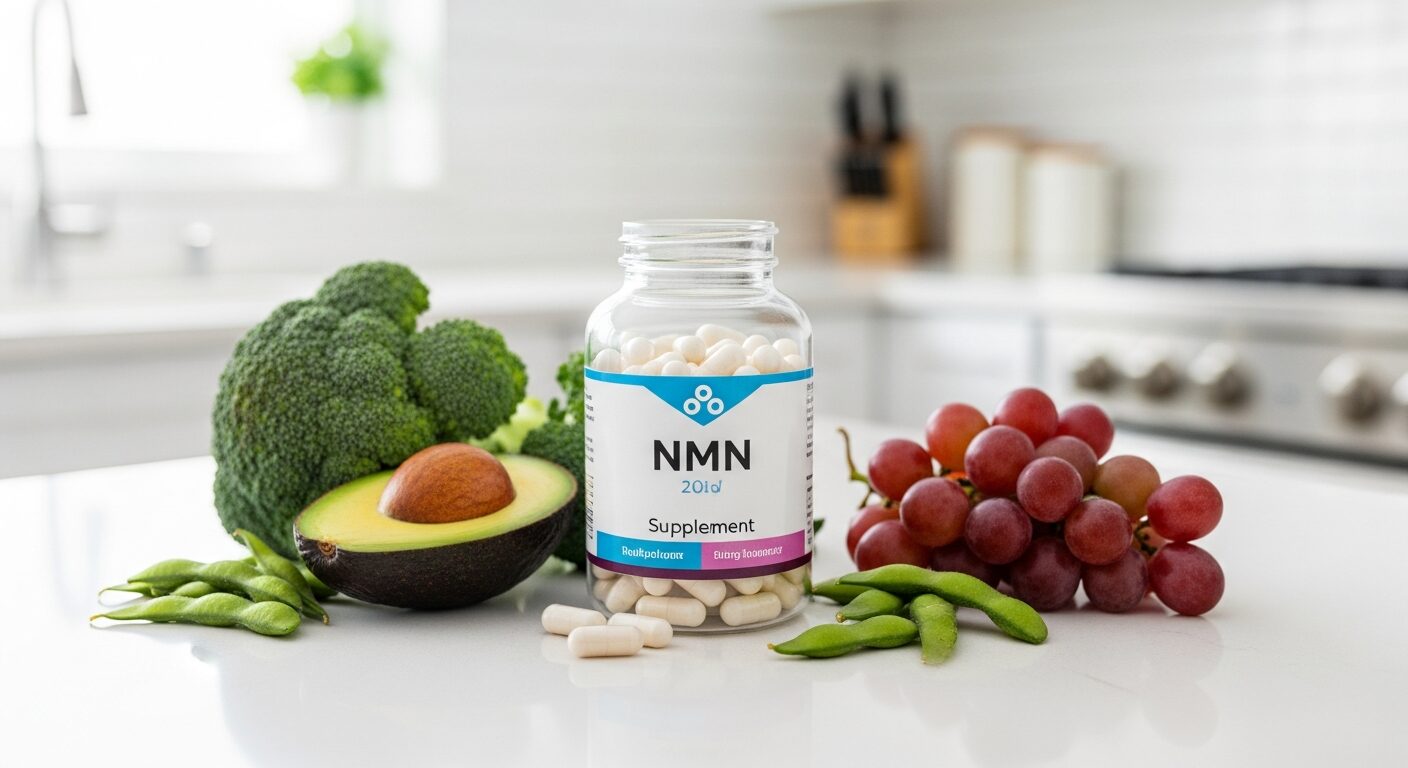
Nicotinamide mononucleotide, commonly known as NMN, has emerged as one of the most promising anti-aging compounds in recent scientific research. This naturally occurring molecule plays a crucial role in cellular energy production and has captured the attention of longevity researchers worldwide for its potential to support healthy aging at the cellular level.
As we age, our bodies gradually lose the ability to produce adequate amounts of NAD+ (nicotinamide adenine dinucleotide), a vital coenzyme that powers hundreds of cellular processes. NMN serves as a direct precursor to NAD+, offering a potential pathway to restore youthful cellular function. However, despite growing popularity, many misconceptions surround this supplement, and understanding the science behind NMN is essential for making informed decisions about its use.
This comprehensive guide examines the current research on NMN, separates fact from fiction, and provides practical insights into how this molecule might support your health goals. Whether you’re curious about longevity science or considering NMN supplementation, this evidence-based overview will help you understand what NMN can and cannot do for your health.
Contents
What is NMN
Nicotinamide mononucleotide (NMN) is a nucleotide derived from ribose, nicotinamide, and phosphate groups. It belongs to a family of compounds called NAD+ precursors, which serve as building blocks for NAD+ synthesis in the body. NAD+ is an essential coenzyme found in every living cell, playing critical roles in energy metabolism, DNA repair, gene expression, and cellular signaling pathways.
NMN occurs naturally in small amounts in various foods, including broccoli, cabbage, cucumber, edamame, and avocados. However, the concentrations found in food sources are relatively low, typically ranging from 0.25 to 1.88 mg per 100 grams of fresh weight. This has led researchers to investigate concentrated NMN supplements as a more effective way to boost NAD+ levels.
The molecule’s significance lies in its role within the NAD+ salvage pathway, where it’s converted to NAD+ through the enzyme nicotinamide mononucleotide adenylyltransferase (NMNAT). Unlike other NAD+ precursors, NMN can be directly taken up by cells through specific transporters, making it an efficient method for increasing cellular NAD+ levels.
Research into NMN began gaining momentum in the early 2000s, with significant contributions from laboratories studying aging and metabolism. The compound has been extensively studied in animal models, showing promising results for various age-related conditions. More recently, human clinical trials have begun to explore NMN’s safety and efficacy in people.
Key Benefits of NMN
Scientific research has identified several potential benefits of NMN supplementation, primarily related to its role in supporting NAD+ levels and cellular energy metabolism. A randomized controlled trial published in 2021 demonstrated that NMN supplementation could increase NAD+ levels and improve insulin sensitivity in prediabetic women, marking an important milestone in human NMN research.
Energy metabolism represents one of the most well-documented benefits of NMN. By supporting NAD+ production, NMN helps optimize mitochondrial function, the cellular powerhouses responsible for energy production. This can translate to improved physical endurance, reduced fatigue, and better overall energy levels throughout the day.
Cardiovascular health benefits have been observed in multiple animal studies, where NMN supplementation improved blood vessel function, reduced arterial stiffness, and supported healthy blood pressure levels. These effects appear to stem from NMN’s ability to activate sirtuins, a family of proteins involved in cellular maintenance and longevity pathways.
Cognitive function may also benefit from NMN supplementation. Research suggests that maintaining adequate NAD+ levels supports brain health by protecting neurons from oxidative stress, supporting DNA repair mechanisms, and promoting optimal neurotransmitter function. Some studies have shown improvements in memory, focus, and overall cognitive performance.
DNA repair and cellular maintenance represent fundamental mechanisms through which NMN may support healthy aging. NAD+ is required for the activity of poly(ADP-ribose) polymerases (PARPs), enzymes that detect and repair DNA damage. By supporting NAD+ levels, NMN helps maintain the cellular machinery responsible for genomic stability.
What Most People Get Wrong About NMN
Despite growing interest in NMN, several misconceptions have emerged that can lead to unrealistic expectations or improper use. Understanding these myths is crucial for making informed decisions about supplementation.
Myth 1: NMN is a Magic Anti-Aging Pill
Perhaps the most pervasive misconception is that NMN alone can stop or reverse aging. While research shows promising results for various age-related markers, aging is a complex, multifactorial process that cannot be addressed by a single supplement. NMN should be viewed as one component of a comprehensive approach to healthy aging that includes proper nutrition, regular exercise, adequate sleep, and stress management. The supplement may support cellular health and energy metabolism, but it’s not a substitute for fundamental lifestyle practices that promote longevity.
Myth 2: Higher Doses Always Mean Better Results
Many people assume that taking larger amounts of NMN will produce superior benefits, but research doesn’t support this approach. Studies suggest that NAD+ levels plateau at certain doses, and excessive amounts may not provide additional benefits. Furthermore, the body has natural regulatory mechanisms that control NAD+ synthesis, and overwhelming these systems with massive doses could potentially disrupt normal cellular processes. Most human studies have used doses ranging from 250mg to 1000mg daily, with many benefits observed at the lower end of this range.
Myth 3: NMN Works Immediately for Everyone
Another common misconception is that NMN supplementation produces immediate, universal benefits. Individual responses to NMN can vary significantly based on factors such as baseline NAD+ levels, age, health status, genetics, and lifestyle factors. Some people may notice changes within weeks, while others might require months to experience noticeable effects. Additionally, younger individuals with naturally higher NAD+ levels may experience less dramatic benefits compared to older adults whose NAD+ levels have declined more significantly.
Myth 4: All NMN Supplements Are Equally Effective
The supplement industry’s lack of standardization has led to significant variations in NMN product quality, purity, and bioavailability. Some products contain impurities or degraded NMN that may be less effective or potentially harmful. Others may use forms of NMN that are poorly absorbed or unstable. Third-party testing, proper storage conditions, and manufacturing standards can dramatically impact supplement effectiveness, making product selection crucial for achieving desired results.
What Happens to Your Body After 30 Days of Taking NMN
Understanding the timeline of NMN’s effects can help set realistic expectations and provide insight into the supplement’s mechanisms of action. Based on available research and clinical observations, the following timeline represents typical patterns of response.
Week 1: Cellular Foundation
During the first week of NMN supplementation, the most significant changes occur at the cellular level, often before noticeable symptoms appear. NAD+ levels begin to increase within hours of taking NMN, though optimal levels may take several days to establish. Some individuals report subtle improvements in sleep quality or slight increases in energy levels, though these effects are often mild and may be attributed to placebo effects. The body begins adapting to higher NAD+ availability, potentially optimizing various enzymatic processes involved in energy metabolism and cellular maintenance.
Week 2: Emerging Benefits
By the second week, many users begin experiencing more noticeable effects. Energy levels often show improvement, with reduced afternoon fatigue and better sustained energy throughout the day. Some people report enhanced mental clarity and focus, possibly due to improved mitochondrial function in brain cells. Exercise recovery may begin to improve, with reduced muscle soreness and faster restoration of energy after physical activity. Sleep patterns might also stabilize, with some individuals experiencing deeper, more restorative sleep.
Weeks 3-4: Full Spectrum Effects
The third and fourth weeks typically represent the period when NMN’s full benefits become apparent. Physical endurance and stamina often reach peak improvement during this time, with many users reporting increased exercise capacity and reduced fatigue during daily activities. Cognitive benefits may become more pronounced, including improved memory consolidation, enhanced focus, and better stress resilience. Some individuals notice improvements in skin appearance, possibly due to enhanced cellular repair mechanisms and reduced oxidative stress.
Metabolic markers may also show improvement by this time, including better glucose tolerance and improved insulin sensitivity, as demonstrated in clinical studies. However, these changes are often subtle and may not be noticeable without laboratory testing. Cardiovascular benefits, such as improved blood flow and reduced arterial stiffness, typically require longer-term supplementation to become apparent.
Who Should NOT Take NMN
While NMN appears safe for most healthy adults based on current research, certain individuals should exercise caution or avoid supplementation entirely. Understanding these contraindications is essential for safe and responsible use.
Pregnant and breastfeeding women should avoid NMN supplementation due to insufficient safety data in these populations. The developing fetus and nursing infants may be particularly sensitive to changes in maternal NAD+ levels, and the potential risks outweigh any theoretical benefits. Women planning to become pregnant should also discontinue NMN use unless specifically advised otherwise by their healthcare provider.
Individuals with cancer or a history of malignancy should consult with their oncologist before using NMN. While NAD+ supports DNA repair in healthy cells, it may also potentially fuel the growth of cancer cells, which often have altered metabolism and high energy demands. Research published in 2020 highlighted the complex relationship between NAD+ metabolism and cancer, emphasizing the need for caution in these populations.
People taking certain medications may experience interactions with NMN supplementation. Blood thinning medications like warfarin could potentially have altered effects, as NAD+ influences various metabolic pathways. Diabetes medications may also interact with NMN, particularly given its effects on glucose metabolism and insulin sensitivity. Anyone taking prescription medications should consult their healthcare provider before starting NMN supplementation.
Individuals with autoimmune conditions should approach NMN with caution, as the supplement may influence immune system function through its effects on cellular energy metabolism. While research in this area is limited, the potential for NMN to affect immune cell activity warrants medical supervision in these cases.
Children and adolescents should not take NMN supplements without medical supervision, as their NAD+ levels are naturally high and additional supplementation may be unnecessary or potentially disruptive to normal development processes.
Dosage and Best Forms
Determining the optimal NMN dosage requires consideration of individual factors, research findings, and safety profiles established in clinical trials. Most human studies have used doses ranging from 250mg to 1000mg daily, typically taken as a single morning dose or divided into two doses.
For beginners, starting with a lower dose of 250-500mg daily is recommended to assess individual tolerance and response. This approach allows the body to adapt gradually while minimizing the risk of potential side effects. After 2-4 weeks, the dose can be increased if desired and well-tolerated, though many individuals find adequate benefits at lower doses.
Timing of NMN consumption may influence its effectiveness. Many experts recommend taking NMN in the morning on an empty stomach to optimize absorption and align with natural circadian rhythms. Some research suggests that NMN taken with meals may have reduced bioavailability due to potential degradation in the acidic stomach environment.
The form of NMN can significantly impact its stability and bioavailability. Pure NMN powder offers the most cost-effective option but requires careful handling and storage to prevent degradation. Capsules provide convenience and protection from environmental factors but may have slightly reduced absorption rates. Sublingual forms claim to bypass digestive processes, though research supporting superior bioavailability is limited.
Quality considerations are paramount when selecting NMN supplements. Look for products that provide third-party testing results, use pharmaceutical-grade manufacturing processes, and store products in appropriate conditions. NMN is sensitive to heat, light, and moisture, so proper packaging and storage are essential for maintaining potency.
🌿 Looking for NMN Supplements?
Browse top-rated NMN supplements, independently tested and recommended by our editorial team.
Affiliate disclosure: We may earn a small commission at no extra cost to you.
Frequently Asked Questions
How long does it take for NMN to work?
Individual responses to NMN vary considerably, but most people begin noticing subtle effects within 1-2 weeks of consistent supplementation. More pronounced benefits typically emerge after 3-4 weeks of regular use. Clinical research from 2021 demonstrated measurable increases in NAD+ levels within 30 days of supplementation. However, some benefits related to cardiovascular health and longevity markers may require several months of consistent use to become apparent.
Can I take NMN with other supplements?
NMN generally combines well with most other supplements and may even have synergistic effects with certain compounds. Resveratrol, pterostilbene, and other sirtuin activators may complement NMN’s effects on cellular health. B-complex vitamins, particularly vitamin B3 derivatives, can support NAD+ synthesis pathways. However, avoid combining NMN with other NAD+ precursors like nicotinamide riboside at high doses, as this may overwhelm cellular processing capacity. Always consult a healthcare provider when combining multiple supplements.
What’s the difference between NMN and NAD+ supplements?
NMN and direct NAD+ supplements differ significantly in their bioavailability and effectiveness. NAD+ molecules are too large to cross cell membranes effectively when taken orally, making direct NAD+ supplementation largely ineffective. NMN, being smaller and having specific cellular transporters, can enter cells more efficiently and be converted to NAD+ intracellularly. This makes NMN a more practical and effective approach to increasing cellular NAD+ levels compared to direct NAD+ supplementation.
Are there any side effects of taking NMN?
NMN is generally well-tolerated by most individuals, with clinical trials reporting minimal adverse effects. Some people may experience mild gastrointestinal symptoms, including nausea, bloating, or stomach discomfort, particularly when starting supplementation or taking higher doses. These effects typically resolve as the body adapts to the supplement. Rarely, individuals may experience sleep disturbances if taking NMN late in the day, which is why morning dosing is generally recommended.
Should I cycle NMN or take it continuously?
Current research doesn’t indicate a need to cycle NMN supplementation, and continuous use appears to be both safe and potentially more beneficial for maintaining elevated NAD+ levels. Unlike some supplements that may lose effectiveness over time, NMN’s benefits appear to be sustained with regular use. However, some individuals prefer to take periodic breaks to assess their baseline response or for financial reasons. If choosing to cycle, most experts suggest taking NMN for 8-12 weeks followed by a 2-4 week break, though this approach isn’t based on specific research requirements.
Medical Disclaimer
The information provided in this article is for educational purposes only and is not intended to diagnose, treat, cure, or prevent any disease. This content should not be considered as medical advice or a substitute for professional healthcare consultation. Individual responses to supplements can vary significantly based on personal health status, medical history, and other factors.
Before starting any new supplement regimen, including NMN, consult with a qualified healthcare provider, especially if you have pre-existing medical conditions, are taking medications, or are pregnant or nursing. The statements in this article have not been evaluated by the Food and Drug Administration.
While we strive to provide accurate, up-to-date information based on current scientific research, the field of longevity science and NAD+ research continues to evolve rapidly. New findings may modify our understanding of NMN’s benefits, risks, and optimal usage protocols.