
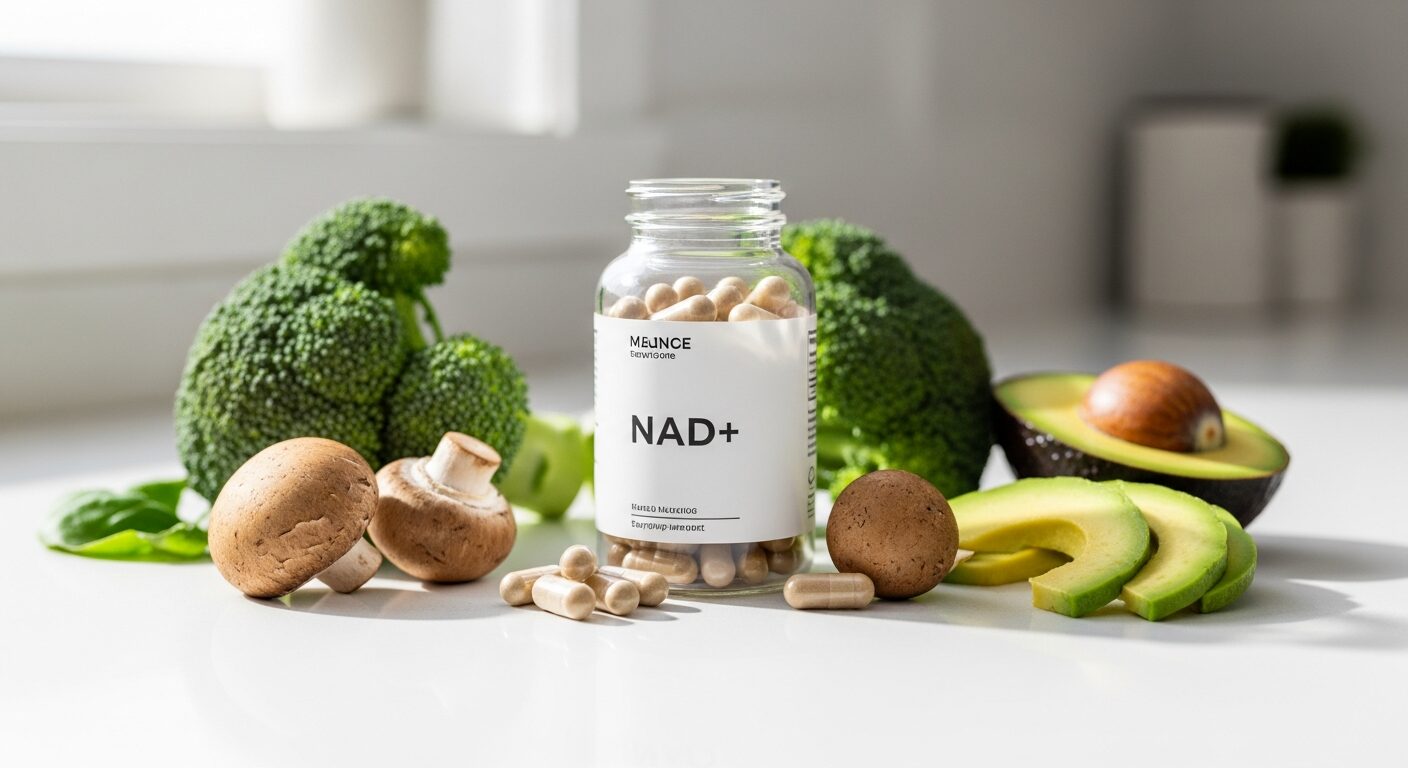
As we age, our bodies undergo countless changes at the cellular level that gradually diminish our energy, cognitive function, and overall vitality. While aging is inevitable, emerging research suggests that targeting specific molecular pathways could significantly slow down this process. At the center of this anti-aging revolution is a coenzyme called NAD+ (nicotinamide adenine dinucleotide), which has captured the attention of longevity researchers and health enthusiasts worldwide.
NAD+ plays a crucial role in nearly every cellular process in your body, from energy production to DNA repair. However, NAD+ levels naturally decline as we age, dropping by approximately 50% every 20 years. This decline is believed to be one of the primary drivers of aging and age-related diseases. The good news? Scientists have discovered ways to boost NAD+ levels through supplementation, potentially reversing some aspects of cellular aging.
This comprehensive guide will explore everything you need to know about NAD+ supplementation, from its mechanisms of action to practical dosing guidelines, helping you make an informed decision about whether NAD+ belongs in your anti-aging arsenal.
Contents
- 1 What is NAD+
- 2 Key Benefits of NAD+
- 3 What Most People Get Wrong About NAD+
- 4 What Happens to Your Body After 30 Days of Taking NAD+
- 5 Who Should NOT Take NAD+
- 6 Dosage and Best Forms
- 7 Frequently Asked Questions
- 7.1 How long does it take to see results from NAD+ supplementation?
- 7.2 Can I take NAD+ supplements with other supplements?
- 7.3 Are there any foods that naturally boost NAD+ levels?
- 7.4 What’s the difference between NAD+ IV therapy and oral supplements?
- 7.5 Should I cycle NAD+ supplements or take them continuously?
- 8 Medical Disclaimer
What is NAD+
NAD+ (nicotinamide adenine dinucleotide) is a vital coenzyme found in every living cell in your body. Think of it as a cellular currency that facilitates hundreds of metabolic reactions essential for life. NAD+ exists in two forms: NAD+ (oxidized) and NADH (reduced), and it constantly cycles between these states to transfer electrons during cellular processes.
The primary function of NAD+ is to facilitate cellular energy production through a process called cellular respiration. In your mitochondria – the powerhouses of your cells – NAD+ helps convert the food you eat into ATP, the energy currency your cells use for virtually every biological function. Without adequate NAD+, your cells cannot efficiently produce energy, leading to fatigue, cognitive decline, and accelerated aging.
Beyond energy production, NAD+ serves as a crucial cofactor for sirtuins, a family of proteins often called “longevity genes.” Sirtuins regulate gene expression, DNA repair, inflammation, and cellular stress responses. They require NAD+ to function properly, which explains why declining NAD+ levels with age correlate with increased disease risk and cellular dysfunction.
NAD+ also activates PARP (poly ADP-ribose polymerase) enzymes, which detect and repair DNA damage. As we age and accumulate more DNA damage from environmental stressors, our cells consume more NAD+ for repair processes, creating a cycle where NAD+ depletion accelerates cellular aging.
Key Benefits of NAD+
Research has identified numerous potential benefits of maintaining optimal NAD+ levels, particularly as we age. One of the most significant benefits is enhanced cellular energy production. When NAD+ levels are adequate, your mitochondria can efficiently convert nutrients into ATP, resulting in increased energy levels, reduced fatigue, and improved physical performance.
Cognitive function represents another major area where NAD+ shows promise. The brain is one of the most energy-demanding organs in your body, consuming approximately 20% of your total energy despite representing only 2% of body weight. Adequate NAD+ levels support neuronal energy production and may help protect against age-related cognitive decline. Some studies suggest NAD+ supplementation may improve memory, focus, and overall brain function.
DNA repair and cellular maintenance constitute perhaps the most important anti-aging benefits of NAD+. Long-term administration of nicotinamide mononucleotide mitigates age-associated physiological decline in mice, 2016 demonstrated that NAD+ precursors could improve various markers of aging in animal models, including enhanced DNA repair, improved mitochondrial function, and increased insulin sensitivity.
Metabolic health improvements represent another significant benefit. NAD+ plays crucial roles in glucose metabolism, fat oxidation, and insulin sensitivity. Some research indicates that boosting NAD+ levels may help regulate blood sugar, support healthy weight management, and reduce inflammation markers associated with metabolic dysfunction.
Cardiovascular health may also benefit from adequate NAD+ levels. The coenzyme supports endothelial function, helps regulate blood pressure, and may protect against age-related cardiovascular decline. Some studies suggest NAD+ supplementation could improve arterial elasticity and overall cardiovascular function.
What Most People Get Wrong About NAD+
Despite growing interest in NAD+ supplementation, several misconceptions persist that can lead to unrealistic expectations or suboptimal supplementation strategies. Understanding these myths is crucial for making informed decisions about NAD+ supplementation.
Myth 1: NAD+ Supplements Directly Increase NAD+ Levels
Many people believe that taking NAD+ supplements directly increases cellular NAD+ levels, but this isn’t accurate. NAD+ molecules are too large to easily cross cell membranes, so direct NAD+ supplements have limited bioavailability. Instead, the body must synthesize NAD+ from smaller precursor molecules like nicotinamide riboside (NR), nicotinamide mononucleotide (NMN), or niacin. These precursors can enter cells more easily and then be converted into NAD+ through various biosynthetic pathways.
Myth 2: Higher Doses Always Produce Better Results
Another common misconception is that taking massive doses of NAD+ precursors will proportionally increase benefits. However, NAD+ biosynthesis is regulated by complex feedback mechanisms, and there appears to be a ceiling effect where additional precursors don’t translate to further NAD+ increases. Moreover, some NAD+ precursors can cause side effects at high doses, including nausea, flushing, and digestive issues.
Myth 3: NAD+ Supplementation Produces Immediate Results
Many people expect to feel dramatic effects within days of starting NAD+ supplementation, but the reality is more nuanced. While some individuals may notice subtle energy improvements within the first week, the most significant benefits typically emerge over several weeks to months as cellular NAD+ levels gradually increase and cellular repair processes are enhanced.
Myth 4: All NAD+ Precursors Are Equally Effective
Different NAD+ precursors follow distinct pathways to increase NAD+ levels, and they may not be equally effective for everyone. Factors like individual metabolism, existing NAD+ levels, age, and health status can influence which precursor works best. Additionally, some precursors may be more effective in specific tissues or under particular conditions.
What Happens to Your Body After 30 Days of Taking NAD+
Understanding the timeline of NAD+ supplementation effects can help set realistic expectations and optimize your supplementation strategy. Based on available research and user reports, here’s what typically occurs during the first month of consistent NAD+ precursor supplementation.
Week 1: Cellular Adaptation
During the first week, your cells begin uptaking NAD+ precursors and initiating the biosynthetic pathways to produce NAD+. Most people don’t experience dramatic changes during this period, though some individuals may notice subtle improvements in sleep quality or slight increases in energy levels. Your body is essentially “priming” its NAD+ production machinery.
Some people experience mild side effects during the first few days, including slight nausea or digestive discomfort, particularly if taking higher doses. These effects typically subside as the body adapts to the supplement.
Week 2: Initial Benefits Emerge
By the second week, cellular NAD+ levels begin to increase more substantially. Many people start noticing improved energy levels, particularly in the afternoon when energy typically wanes. Mental clarity may improve, and some individuals report better exercise recovery and reduced feelings of fatigue.
Sleep quality improvements often become more apparent during this period, with some people experiencing deeper, more restorative sleep. This may be related to NAD+’s role in circadian rhythm regulation and cellular repair processes that occur during sleep.
Weeks 3-4: Full Benefits Manifest
The third and fourth weeks typically represent when the most significant benefits become apparent. Nicotinamide riboside supplementation rescues mitochondrial defects and neuronal loss in iPSC and fly models of Parkinson’s disease, 2017 showed that NAD+ precursors require time to accumulate in tissues and exert their full effects on cellular function.
During this period, many people report sustained energy improvements throughout the day, enhanced cognitive function, and better physical performance. Some individuals notice improvements in skin appearance, potentially related to enhanced cellular repair processes and collagen synthesis.
Metabolic improvements may also become evident, including better blood sugar regulation, improved exercise performance, and enhanced fat metabolism. However, it’s important to note that individual responses vary significantly based on factors like age, baseline health status, and lifestyle factors.
Who Should NOT Take NAD+
While NAD+ supplementation appears generally safe for most healthy adults, certain individuals should exercise caution or avoid these supplements entirely. Understanding contraindications and potential risks is essential for safe supplementation.
Pregnant and breastfeeding women should avoid NAD+ supplements due to insufficient safety data. The effects of elevated NAD+ levels on fetal development and lactation are not well-studied, so it’s prudent to avoid these supplements during pregnancy and nursing.
Individuals with active cancer should consult their oncologist before using NAD+ supplements. While NAD+ supports DNA repair in healthy cells, some research suggests it might also support the growth and survival of cancer cells. NAD+ metabolism in cancer therapeutics, 2018 highlights the complex relationship between NAD+ and cancer, emphasizing the need for medical supervision in cancer patients.
People taking certain medications should exercise caution. NAD+ precursors may interact with blood thinners, diabetes medications, and some cardiovascular drugs. The supplements might enhance the effects of these medications, potentially leading to complications like excessive blood thinning or hypoglycemia.
Individuals with autoimmune conditions should consult healthcare providers before starting NAD+ supplementation. Since NAD+ influences immune function and inflammation, it might affect autoimmune disease progression or interact with immunosuppressive medications.
Those with kidney or liver disease should avoid NAD+ supplements without medical supervision. These organs play crucial roles in processing and eliminating supplement metabolites, and compromised function could lead to accumulation of potentially harmful compounds.
Anyone experiencing unusual symptoms or adverse effects should discontinue use and consult a healthcare provider immediately. Signs that warrant medical attention include persistent nausea, severe flushing, irregular heartbeat, or unusual fatigue.
Dosage and Best Forms
Choosing the right form and dosage of NAD+ supplementation is crucial for safety and effectiveness. The most researched and bioavailable forms include nicotinamide riboside (NR), nicotinamide mononucleotide (NMN), and niacin, each with distinct characteristics and optimal dosing strategies.
Nicotinamide riboside (NR) is one of the most studied NAD+ precursors. Clinical research suggests effective doses range from 100-1000mg daily, with most studies using 250-500mg. NR is generally well-tolerated and doesn’t cause the flushing associated with niacin. It’s best taken with food to minimize potential digestive upset.
Nicotinamide mononucleotide (NMN) represents another popular option, with research supporting doses of 250-500mg daily. Some studies have used higher doses up to 1000mg, but there’s limited evidence that higher doses provide additional benefits. NMN may be slightly more direct in its conversion to NAD+ compared to NR.
Niacin (nicotinic acid) is the least expensive option but causes significant flushing in most people due to vasodilation. Extended-release formulations can reduce flushing but may increase the risk of liver toxicity. Effective doses range from 100-500mg daily, but the flushing side effect limits its practical use for many people.
Timing of supplementation may influence effectiveness. Some research suggests taking NAD+ precursors in the morning may align better with natural circadian rhythms, while others find evening dosing improves sleep quality. Splitting doses throughout the day may help maintain more stable NAD+ levels.
Quality considerations are paramount when choosing supplements. Look for products that have been third-party tested for purity and potency. Avoid products with unnecessary additives or fillers, and choose reputable manufacturers with transparent labeling and manufacturing practices.
🌿 Looking for NAD+ Supplements?
Browse top-rated NAD+ supplements, independently tested and recommended by our editorial team.
Affiliate disclosure: We may earn a small commission at no extra cost to you.
Frequently Asked Questions
How long does it take to see results from NAD+ supplementation?
Most people begin noticing subtle improvements in energy and sleep quality within 1-2 weeks of consistent supplementation. However, more significant benefits typically emerge after 3-4 weeks as cellular NAD+ levels increase and repair processes are enhanced. Individual responses vary based on age, health status, and baseline NAD+ levels.
Can I take NAD+ supplements with other supplements?
NAD+ precursors generally combine well with other supplements, and some may even enhance NAD+ effectiveness. Resveratrol, for example, may work synergistically with NAD+ by activating sirtuins. However, avoid combining multiple NAD+ precursors simultaneously unless specifically recommended, as this could lead to excessive dosing.
Are there any foods that naturally boost NAD+ levels?
While foods don’t contain significant amounts of NAD+ precursors, certain dietary approaches may support NAD+ production. Intermittent fasting, caloric restriction, and exercise can naturally boost NAD+ levels. Foods rich in tryptophan, such as turkey and milk, provide raw materials for NAD+ synthesis, though dietary sources alone are insufficient to significantly impact NAD+ levels in aging individuals.
What’s the difference between NAD+ IV therapy and oral supplements?
NAD+ IV therapy delivers NAD+ directly into the bloodstream, bypassing digestive absorption issues. However, IV NAD+ still faces the challenge of crossing cell membranes. IV therapy is expensive, requires medical supervision, and may cause significant side effects. Oral NAD+ precursors are more practical, cost-effective, and research suggests they can effectively increase cellular NAD+ levels when used consistently.
Should I cycle NAD+ supplements or take them continuously?
Current research doesn’t indicate a need to cycle NAD+ precursors, and continuous use appears safe for most people. Some individuals prefer taking breaks every few months to assess their baseline function, but there’s no scientific evidence requiring cycling. Consistency appears more important than cycling for maintaining elevated NAD+ levels and sustained benefits.
Medical Disclaimer
The information provided in this article is for educational purposes only and should not be considered medical advice. NAD+ supplementation may not be appropriate for everyone, and individual responses can vary significantly. Always consult with a qualified healthcare provider before starting any new supplement regimen, especially if you have pre-existing medical conditions, take medications, or are pregnant or nursing.
This article does not diagnose, treat, cure, or prevent any disease. The statements have not been evaluated by the Food and Drug Administration. Results from supplementation may vary among individuals, and the research on NAD+ supplementation is still evolving. Always purchase supplements from reputable sources and follow manufacturer guidelines for safe use.