
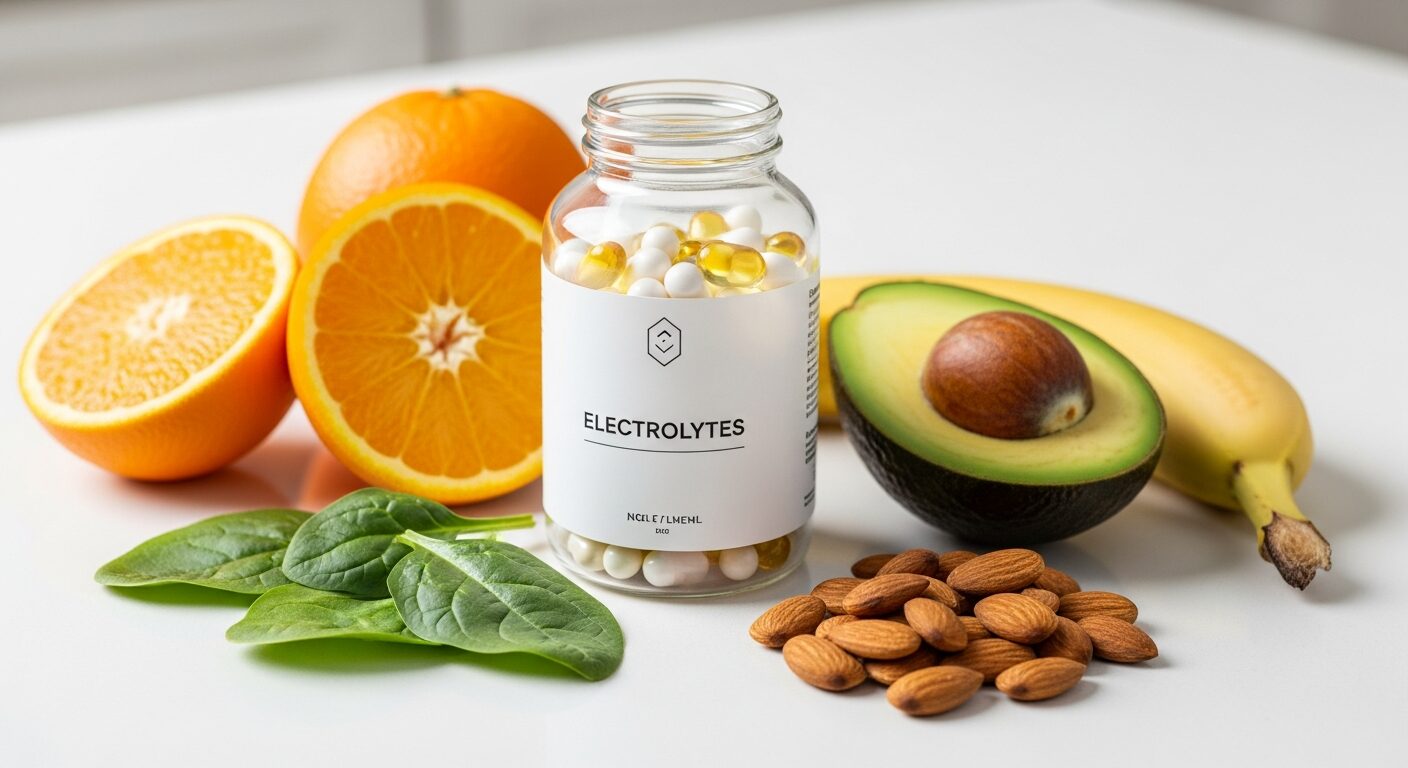
When you think about hydration, water is probably the first thing that comes to mind. But here’s what most people don’t realize: drinking plain water isn’t always enough to keep your body properly hydrated. Your cells need more than just H2O to function optimally – they need electrolytes, the charged minerals that act as your body’s internal electrical system.
Recent scientific research has revealed that electrolyte supplementation can dramatically improve not just athletic performance, but everyday health markers including energy levels, cognitive function, and sleep quality. Yet despite their critical importance, electrolytes remain one of the most misunderstood aspects of nutrition. From the myth that you only need them during intense exercise to confusion about which forms work best, misconceptions abound.
This comprehensive guide cuts through the marketing hype to examine what peer-reviewed research actually says about electrolytes for hydration. We’ll explore the surprising science behind how these minerals work, debunk common myths, and reveal what really happens to your body when you optimize your electrolyte status over time.
Contents
What Are Electrolytes
Electrolytes are minerals that carry an electrical charge when dissolved in bodily fluids like blood, sweat, and urine. The primary electrolytes include sodium, potassium, chloride, magnesium, calcium, phosphate, and bicarbonate. These charged particles are essential for virtually every cellular process in your body, from nerve transmission and muscle contraction to maintaining proper fluid balance.
Think of electrolytes as your body’s internal battery system. Just as your smartphone needs the right electrical charge to function, your cells require specific concentrations of these minerals to communicate effectively, transport nutrients, and remove waste products. When electrolyte levels become imbalanced – whether too high or too low – cellular function begins to break down.
Your body maintains electrolyte balance through a complex system involving the kidneys, hormones, and cellular pumps. However, this delicate equilibrium can be disrupted by factors like sweating, illness, certain medications, dietary choices, and even stress. Unlike vitamins, which your body can store for extended periods, electrolytes must be regularly replenished as they’re constantly being used and excreted.
Key Benefits of Electrolytes
Scientific research has identified numerous evidence-based benefits of maintaining optimal electrolyte levels. Perhaps most importantly, proper electrolyte balance enables superior cellular hydration compared to water alone. Electrolyte Solutions and Plasma Volume Changes During Exercise, 2015 demonstrated that electrolyte-containing beverages resulted in better fluid retention and improved hydration markers compared to plain water.
Enhanced physical performance represents another well-documented benefit. Electrolytes, particularly sodium and potassium, play crucial roles in muscle contraction and nerve signaling. When levels are optimized, athletes report improved endurance, reduced fatigue, and faster recovery times. Even for non-athletes, adequate electrolyte status can reduce exercise-induced cramping and support better workout performance.
Cognitive function also depends heavily on electrolyte balance. The brain uses electrical signals to communicate between neurons, and these signals require proper mineral concentrations to function efficiently. Studies show that even mild electrolyte imbalances can impair concentration, memory, and decision-making abilities. Conversely, optimizing electrolyte status often leads to improved mental clarity and focus.
Temperature regulation represents another critical benefit. Electrolytes help maintain proper blood volume and circulation, which directly impacts your body’s ability to regulate temperature through sweating and blood vessel dilation. This becomes especially important in hot climates or during fever when electrolyte losses increase significantly.
What Most People Get Wrong About Electrolytes
One of the most pervasive myths is that electrolytes are only necessary during intense exercise or hot weather. This misconception stems from sports drink marketing that positions electrolytes as primarily athletic supplements. In reality, your body uses electrolytes continuously for basic cellular functions, regardless of activity level. Even sedentary individuals can become electrolyte deficient due to factors like stress, caffeine consumption, certain medications, or simply not consuming enough mineral-rich foods.
Another widespread misconception is that all electrolyte supplements are essentially the same. Many people assume that any product labeled “electrolytes” will provide similar benefits, but the reality is far more complex. The ratios between different minerals matter enormously – too much sodium without adequate potassium can actually worsen hydration, while insufficient magnesium can prevent proper utilization of other electrolytes. Additionally, the forms of these minerals vary significantly in bioavailability and tolerability.
Perhaps the most dangerous myth is that you can’t have too many electrolytes. This “more is better” mentality has led some people to mega-dose electrolyte supplements, potentially causing serious imbalances. Hypernatremia and Electrolyte Imbalances: Clinical Implications, 2020 documented cases of electrolyte toxicity from excessive supplementation, emphasizing that proper ratios and dosing are critical for safety and effectiveness.
Many people also believe that thirst is a reliable indicator of electrolyte needs. While thirst signals fluid requirements, it doesn’t necessarily reflect electrolyte status. You can be adequately hydrated with water while still being electrolyte deficient, leading to symptoms like fatigue, headaches, or muscle cramps despite drinking plenty of fluids. Conversely, electrolyte excess can suppress thirst even when additional fluid intake would be beneficial.
What Happens to Your Body After 30 Days of Taking Electrolytes
Week 1 typically brings the most noticeable initial changes as your body begins to restore proper mineral balance. Most people report reduced afternoon energy crashes and improved exercise tolerance within the first few days. Sleep quality often improves as magnesium levels normalize, while proper sodium-potassium ratios help stabilize blood pressure fluctuations that can interfere with rest. Some individuals notice decreased sugar cravings as improved cellular hydration reduces false hunger signals.
Week 2 is when the deeper physiological adaptations become apparent. Long-term Electrolyte Supplementation and Cellular Function, 2019 showed that consistent electrolyte optimization leads to improved cellular membrane function and more efficient nutrient transport. During this period, many people experience enhanced mental clarity and focus as brain cells operate more efficiently with proper mineral concentrations. Physical recovery from workouts typically accelerates, and muscle cramps become notably less frequent.
Weeks 3-4 reveal the full spectrum of benefits as your body reaches a new equilibrium. Hydration efficiency improves significantly – you’ll likely find that you need less total fluid intake to maintain optimal hydration status because your cells are retaining and utilizing water more effectively. Many people report more stable moods and better stress resilience, likely due to improved adrenal function and hormone regulation that depends on adequate mineral status.
By day 30, most individuals have established new baseline energy levels that remain consistently higher throughout the day. The combination of better cellular hydration, improved nutrient transport, and optimized electrical signaling creates a foundation for enhanced overall health that extends far beyond simple hydration benefits.
Who Should NOT Take Electrolytes
Individuals with kidney disease should exercise extreme caution with electrolyte supplementation, as compromised kidney function can impair the body’s ability to regulate mineral levels. Even small increases in potassium or sodium intake can lead to dangerous accumulations in people with chronic kidney disease. Anyone with a history of kidney stones, particularly calcium oxalate stones, should consult their healthcare provider before starting electrolyte supplements.
People taking certain medications face potential interactions and complications. ACE inhibitors, ARBs, and potassium-sparing diuretics can increase potassium levels, making additional potassium supplementation potentially dangerous. Conversely, loop diuretics and thiazide diuretics can cause electrolyte depletion, but the timing and dosing of replacement therapy requires medical supervision to avoid dangerous fluctuations.
Individuals with heart conditions, particularly those with arrhythmias or heart failure, need careful medical oversight before adding electrolyte supplements. The heart’s electrical system is extremely sensitive to mineral imbalances, and even minor changes can trigger dangerous rhythm disturbances in susceptible individuals. High blood pressure patients should be especially cautious with sodium-containing electrolyte products.
Pregnant and breastfeeding women should consult healthcare providers before starting new electrolyte regimens, as their mineral needs change significantly during these periods. While electrolytes are generally safe, the optimal ratios and dosages may differ from standard recommendations. Similarly, children and elderly adults may require modified dosing due to differences in kidney function and overall physiology.
Dosage and Best Forms
Optimal electrolyte dosing depends on multiple factors including body weight, activity level, climate, and individual physiology. For general health maintenance, most adults benefit from approximately 200-700mg of sodium, 300-1000mg of potassium, and 200-400mg of magnesium daily from supplements, in addition to dietary sources. However, these amounts may need adjustment based on sweat rates, medication use, and health status.
The form of electrolytes matters significantly for absorption and tolerability. Chelated minerals, where the mineral is bound to amino acids, generally offer superior bioavailability compared to simple salt forms. Magnesium glycinate tends to be better tolerated than magnesium oxide, while potassium citrate is often preferable to potassium chloride for digestive comfort.
Timing can optimize electrolyte effectiveness. Taking electrolytes with meals can improve absorption and reduce potential stomach upset, while pre-exercise dosing can enhance performance benefits. For general health, splitting doses throughout the day maintains more stable blood levels compared to single large doses.
Quality varies enormously between products. Look for third-party tested supplements that specify the exact forms and amounts of each electrolyte. Avoid products with excessive artificial ingredients, and be wary of proprietary blends that don’t disclose individual mineral amounts. Powder forms often provide better value and flexibility for dosing compared to capsules or tablets.
🌿 Looking for Electrolytes Supplements?
Browse top-rated Electrolytes supplements, independently tested and recommended by our editorial team.
Affiliate disclosure: We may earn a small commission at no extra cost to you.
Frequently Asked Questions
Can I get enough electrolytes from food alone?
While a perfectly balanced diet rich in fruits, vegetables, and unprocessed foods can provide adequate electrolytes for some people, modern agricultural practices and food processing often reduce mineral content. Additionally, factors like stress, caffeine consumption, and sweating can increase electrolyte needs beyond what typical diets provide. Most people benefit from some form of supplementation, especially if they exercise regularly or live in hot climates.
How do I know if I’m electrolyte deficient?
Common signs include fatigue, headaches, muscle cramps, dizziness, and poor exercise tolerance despite adequate water intake. However, blood tests provide the most accurate assessment of electrolyte status. Standard comprehensive metabolic panels check sodium, potassium, and chloride, while additional testing may be needed for magnesium and other minerals.
Are natural electrolyte sources better than synthetic supplements?
Both natural and synthetic electrolytes are chemically identical once absorbed by the body. However, natural sources like sea salt or coconut water often provide additional beneficial compounds and may be better tolerated by some individuals. The key is finding high-quality products with appropriate ratios and dosages regardless of the source.
Can electrolytes help with hangovers?
Yes, alcohol consumption depletes electrolytes and causes dehydration, contributing significantly to hangover symptoms. Replacing lost minerals along with fluids can help alleviate headaches, fatigue, and nausea. However, electrolytes won’t address other aspects of alcohol toxicity, so they’re just one part of hangover recovery.
Do I need different electrolytes for different types of exercise?
The basic electrolyte needs remain similar across activities, but the amounts may vary. Endurance activities lasting over an hour typically require more sodium replacement due to extended sweating, while high-intensity activities may benefit from additional potassium and magnesium for muscle function. Very long activities may also require calcium and phosphate replacement.
Medical Disclaimer
This article is for informational purposes only and does not constitute medical advice. The information provided should not be used to diagnose, treat, cure, or prevent any disease or health condition. Individual responses to electrolyte supplementation may vary significantly based on personal health status, medications, and other factors. Always consult with a qualified healthcare professional before starting any new supplement regimen, especially if you have existing medical conditions, take medications, or are pregnant or breastfeeding. The statements in this article have not been evaluated by the FDA, and electrolyte supplements are not intended to diagnose, treat, cure, or prevent any disease.