
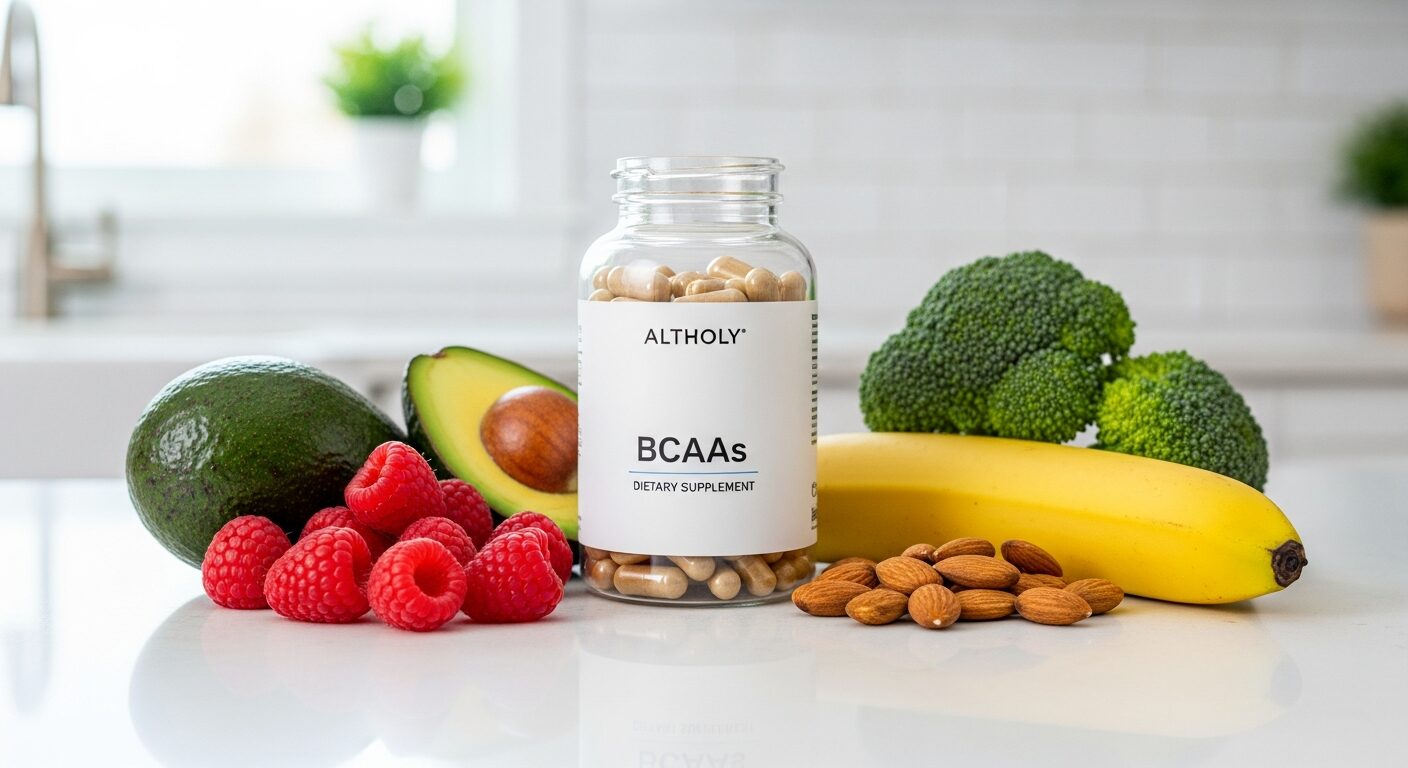
When it comes to amino acid supplementation, the fitness and health community is split between two primary camps: those who swear by Branched-Chain Amino Acids (BCAAs) and those who advocate for Essential Amino Acids (EAAs). This debate has intensified as new research emerges, challenging long-held beliefs about which supplement delivers superior results for muscle building, recovery, and overall health.
The confusion is understandable. Walk into any supplement store, and you’ll find shelves lined with colorful BCAA powders promising enhanced performance and faster recovery. Meanwhile, EAA supplements are gaining traction among serious athletes and researchers who argue they provide a more complete amino acid profile. But which one actually delivers on its promises?
This comprehensive analysis will cut through the marketing hype and examine the scientific evidence behind both supplements. We’ll explore what happens in your body when you take BCAAs, debunk common misconceptions, and help you make an informed decision based on your specific health and fitness goals.
Contents
What Are BCAAs
Branched-Chain Amino Acids (BCAAs) are a group of three essential amino acids: leucine, isoleucine, and valine. These amino acids are called “branched-chain” because of their unique molecular structure, which features a side chain that branches off from the main carbon backbone. This structural characteristic allows BCAAs to be metabolized directly in muscle tissue rather than in the liver, making them readily available for energy production during exercise.
Unlike other amino acids that must be processed by the liver before being utilized by muscles, BCAAs can bypass hepatic metabolism and go straight to work where they’re needed most. Leucine, the most researched of the three, plays a crucial role in activating the mTOR pathway, which signals muscle protein synthesis. Isoleucine contributes to glucose uptake and energy production, while valine helps maintain nitrogen balance and supports muscle metabolism.
BCAAs make up approximately 35% of the essential amino acids found in muscle tissue and account for about 14-18% of total amino acids in skeletal muscle proteins. Your body cannot produce these amino acids on its own, so they must be obtained through diet or supplementation. Common food sources include meat, fish, eggs, dairy products, and legumes, though the concentrated amounts found in supplements are difficult to achieve through whole foods alone.
Key Benefits of BCAAs
The primary benefit of BCAA supplementation lies in its ability to stimulate muscle protein synthesis, particularly through leucine’s activation of the mTOR signaling pathway. Research published in the Journal of the International Society of Sports Nutrition demonstrates that leucine supplementation can increase muscle protein synthesis by up to 33% when consumed in adequate doses.
BCAAs also serve as an alternative energy source during prolonged exercise, helping to preserve muscle glycogen stores and potentially reducing exercise-induced fatigue. When muscle glycogen becomes depleted during intense or extended training sessions, BCAAs can be oxidized directly within muscle cells to provide energy, potentially sparing muscle tissue from breakdown.
Another significant benefit is the reduction of exercise-induced muscle damage and delayed onset muscle soreness (DOMS). Studies show that BCAA supplementation before and after exercise can decrease markers of muscle damage such as creatine kinase and lactate dehydrogenase. This reduction in muscle damage may translate to faster recovery times and improved performance in subsequent training sessions.
BCAAs may also help reduce central fatigue during exercise by competing with tryptophan for transport across the blood-brain barrier. When tryptophan enters the brain, it’s converted to serotonin, which can contribute to feelings of fatigue. By limiting tryptophan uptake, BCAAs may help maintain mental focus and reduce the perception of effort during challenging workouts.
What Most People Get Wrong About BCAAs
One of the most persistent myths about BCAAs is that taking them alone will maximize muscle growth. Many people believe that because leucine triggers muscle protein synthesis, consuming isolated BCAAs is sufficient for optimal muscle building. However, this assumption ignores a critical fact: muscle protein synthesis requires all nine essential amino acids to be present simultaneously. Without the complete amino acid profile, your body cannot build new muscle tissue effectively, regardless of how much leucine is available.
Another common misconception is that BCAAs prevent muscle breakdown during fasted training. While BCAAs can reduce some markers of muscle damage, recent research suggests they may actually increase muscle protein breakdown when taken in isolation. This counterintuitive finding occurs because the body needs all essential amino acids to maintain proper nitrogen balance. When only three amino acids are provided, the body may break down existing muscle tissue to obtain the missing amino acids needed for various physiological processes.
Many fitness enthusiasts also wrongly believe that more BCAAs always equal better results. This “more is better” mentality ignores the fact that amino acids work synergistically. Taking excessive amounts of BCAAs can create an imbalance that interferes with the absorption and utilization of other amino acids. The optimal ratio of leucine to isoleucine to valine is typically 2:1:1, and deviating significantly from this ratio can reduce the supplement’s effectiveness.
Perhaps the most surprising misconception is that BCAAs are necessary if you’re consuming adequate protein from whole foods. If you’re eating 1.6-2.2 grams of high-quality protein per kilogram of body weight daily, you’re likely getting sufficient BCAAs naturally. The leucine content in a typical protein-rich meal often exceeds what’s found in a standard BCAA supplement serving, making additional supplementation potentially redundant for most people following a balanced diet.
What Happens to Your Body After 30 Days of Taking BCAAs
During the first week of BCAA supplementation, your body begins adapting to the increased availability of these amino acids. Most users report improved intra-workout energy and reduced fatigue during training sessions. This initial effect occurs because BCAAs provide an immediate energy source for working muscles and help maintain blood glucose levels during exercise. However, significant changes in muscle mass or strength are not typically observable during this initial period.
By the second week, many individuals notice a reduction in post-workout soreness and faster recovery between training sessions. Research indicates that consistent BCAA supplementation can reduce muscle soreness by 15-20% compared to placebo groups. This improved recovery allows for more frequent or intense training sessions, which can contribute to better long-term results. Some users also report improved mental clarity during workouts, attributed to BCAAs’ effect on neurotransmitter balance.
Weeks three and four represent the period when the cumulative effects of BCAA supplementation become most apparent. If combined with appropriate resistance training and adequate overall protein intake, users may begin to notice subtle improvements in muscle fullness and definition. However, it’s crucial to understand that BCAAs alone do not create significant muscle growth. Any positive changes during this period are likely the result of improved training consistency due to better recovery, rather than direct anabolic effects from the BCAAs themselves.
Research suggests that the most pronounced benefits of BCAA supplementation occur in individuals who train in a fasted state or those with suboptimal protein intake. For people already consuming adequate high-quality protein, the additional benefits from BCAA supplementation may be minimal. Long-term studies indicate that while BCAAs can support training consistency and recovery, they should be viewed as a tool to optimize existing nutrition and training programs rather than as a standalone solution for muscle building.
Who Should NOT Take BCAAs
Individuals with certain medical conditions should avoid BCAA supplementation or consult with healthcare professionals before use. People with branched-chain ketoaciduria, also known as maple syrup urine disease, cannot properly metabolize BCAAs, and supplementation can lead to dangerous accumulations of these amino acids in the blood and urine. This rare genetic disorder requires strict dietary management under medical supervision.
Those with liver disease or compromised liver function should exercise caution with BCAA supplements. While BCAAs bypass initial liver metabolism, they still require liver processing for various metabolic pathways. Individuals with cirrhosis or other liver conditions may have altered amino acid metabolism, and supplementation could potentially worsen hepatic encephalopathy or other complications.
Pregnant and breastfeeding women should avoid BCAA supplements unless specifically recommended by their healthcare provider. While BCAAs are naturally occurring in foods, the safety of concentrated supplemental forms during pregnancy and lactation has not been thoroughly established. The developing fetus and nursing infant have specific nutritional needs that are best met through a balanced diet rather than isolated amino acid supplementation.
People taking medications for diabetes should monitor blood glucose levels closely when using BCAA supplements, as these amino acids can affect blood sugar regulation. BCAAs may enhance glucose uptake by muscles and potentially interact with diabetes medications, leading to hypoglycemia. Additionally, individuals scheduled for surgery should discontinue BCAA supplementation at least two weeks prior to the procedure, as these amino acids may affect blood sugar control during and after surgery.
Dosage and Best Forms
The optimal BCAA dosage varies based on individual factors such as body weight, training intensity, and overall protein intake. Research suggests that 10-15 grams of BCAAs per serving provides the most benefit, with leucine comprising 2.5-3 grams of this total. This amount appears to maximize the anabolic response without causing digestive issues or amino acid imbalances.
Timing of BCAA consumption can significantly impact their effectiveness. For those training in a fasted state, consuming 10 grams of BCAAs 15-30 minutes before exercise may help preserve muscle tissue and provide energy. Post-workout supplementation within 30 minutes of training can support recovery and reduce muscle soreness. However, if you consume a protein-rich meal within two hours of training, additional BCAA supplementation may provide minimal additional benefits.
When selecting a BCAA supplement, look for products that maintain the research-supported 2:1:1 ratio of leucine to isoleucine to valine. Powder forms generally offer better value and allow for precise dosing, while capsules provide convenience for those who dislike flavored supplements. Avoid products with excessive artificial additives, and consider third-party tested options to ensure purity and potency.
Quality indicators include transparent labeling that lists exact amounts of each amino acid, good manufacturing practice (GMP) certification, and minimal unnecessary ingredients. Some products combine BCAAs with other performance ingredients like electrolytes or caffeine, which may be beneficial depending on your specific needs and tolerance.
🌿 Looking for BCAAs Supplements?
Browse top-rated BCAAs supplements, independently tested and recommended by our editorial team.
Affiliate disclosure: We may earn a small commission at no extra cost to you.
Frequently Asked Questions
Can I take BCAAs on an empty stomach?
Yes, BCAAs can be taken on an empty stomach and are often recommended for fasted training. Unlike complete proteins, BCAAs don’t require extensive digestion and are rapidly absorbed. Taking them on an empty stomach may actually enhance their uptake and utilization by muscles during exercise.
Do BCAAs break a fast?
This depends on your fasting goals. BCAAs contain approximately 4 calories per gram and can stimulate some metabolic processes, technically breaking a strict fast. However, they have minimal impact on insulin levels and may not significantly disrupt the metabolic benefits of fasting. Consult with a healthcare provider if you’re using fasting for specific health conditions.
Can BCAAs cause weight gain?
BCAAs themselves are unlikely to cause significant weight gain, as they contain minimal calories. Any weight changes associated with BCAA use are more likely due to improved training performance leading to increased muscle mass, or water retention from enhanced recovery. BCAAs do not directly promote fat storage.
How long should I cycle BCAAs?
Unlike some supplements, BCAAs don’t typically require cycling since they’re naturally occurring nutrients found in regular foods. Continuous use is generally safe for healthy individuals. However, periodically evaluating whether supplementation is still beneficial based on your diet and training goals is advisable.
Can BCAAs replace protein powder?
No, BCAAs cannot replace protein powder or whole food protein sources. Research shows that complete proteins containing all essential amino acids are superior for muscle protein synthesis and overall health. BCAAs should be viewed as a targeted supplement rather than a protein replacement.
Medical Disclaimer
This article is for informational purposes only and should not be considered medical advice. The information provided is not intended to diagnose, treat, cure, or prevent any disease or health condition. Always consult with a qualified healthcare professional before starting any new supplement regimen, especially if you have pre-existing medical conditions, take medications, or are pregnant or breastfeeding. Individual responses to supplements may vary, and what works for one person may not work for another. The statements made regarding supplements have not been evaluated by the Food and Drug Administration.