
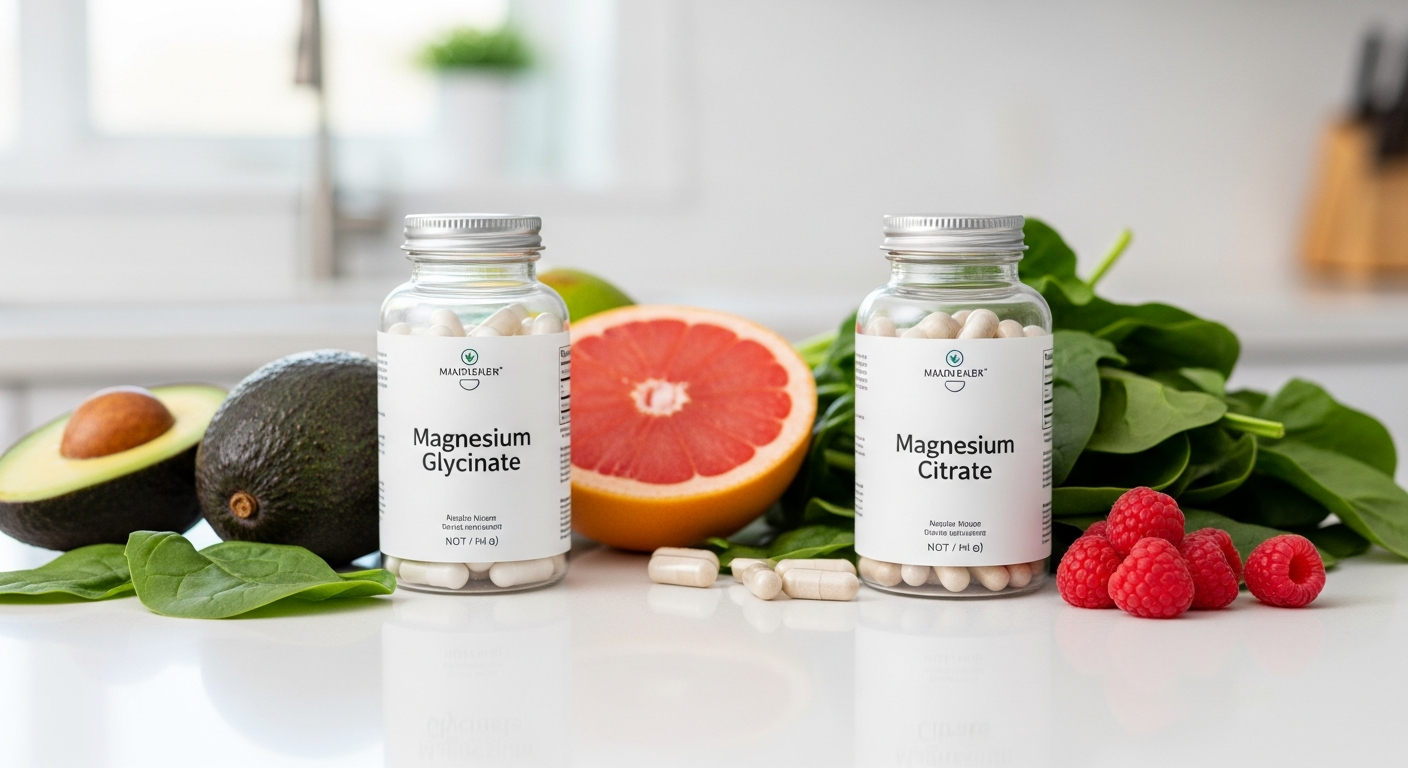
When it comes to magnesium supplementation, two forms consistently rise to the top of consumers’ lists: magnesium glycinate and magnesium citrate. Both offer unique benefits and have earned their place in the supplement world, but understanding their differences can help you make an informed decision about which one aligns best with your health goals.
Magnesium is an essential mineral involved in over 300 enzymatic reactions in the human body, playing crucial roles in energy production, muscle function, nerve transmission, and bone health. However, not all magnesium supplements are created equal. The form of magnesium you choose can significantly impact absorption rates, tolerability, and specific health benefits.
🌿 Looking for Magnesium supplements? Shop Amazon →
Contents
- 1 Understanding Magnesium Bioavailability
- 2 Magnesium Glycinate: The Gentle Giant
- 3 Magnesium Citrate: The Versatile Performer
- 4 Comparing Absorption and Effectiveness
- 5 Side Effects and Tolerability
- 6 Clinical Applications and Research
- 7 Making the Right Choice
- 8 Frequently Asked Questions
- 9 Medical Disclaimer
Understanding Magnesium Bioavailability
The key to effective magnesium supplementation lies in bioavailability – how well your body can absorb and utilize the mineral. Pure magnesium is poorly absorbed by the intestines, which is why it’s typically bound to other compounds called chelating agents. These chelates improve absorption and reduce gastrointestinal side effects.
Research indicates that organically bound forms of magnesium generally offer superior bioavailability compared to inorganic forms. Bioavailability of US commercial magnesium preparations, 2001 demonstrated that chelated forms of magnesium showed significantly better absorption rates than oxide or sulfate forms.
Magnesium Glycinate: The Gentle Giant
Magnesium glycinate is formed by binding magnesium to glycine, an amino acid known for its calming properties. This chelated form is often considered the gold standard for magnesium supplementation due to its exceptional tolerability and absorption characteristics.
Key Benefits of Magnesium Glycinate
The primary advantage of magnesium glycinate lies in its gentle nature on the digestive system. Unlike some other forms, it rarely causes loose stools or digestive upset, making it suitable for individuals with sensitive stomachs or those requiring higher doses.
The glycine component adds an extra layer of benefit. Glycine acts as an inhibitory neurotransmitter, promoting relaxation and potentially improving sleep quality. This makes magnesium glycinate particularly appealing for individuals seeking stress relief or better sleep patterns.
From an absorption standpoint, the chelated structure protects the magnesium from interference by other minerals and compounds in the digestive tract, resulting in superior bioavailability. Studies suggest that chelated magnesium forms can be absorbed at rates of 40-60%, significantly higher than many inorganic forms.
Who Should Consider Magnesium Glycinate
Magnesium glycinate is ideal for individuals who experience digestive sensitivity with other magnesium forms, those seeking sleep and relaxation support, and anyone requiring long-term magnesium supplementation. It’s also suitable for people taking higher doses or those with conditions that may impair mineral absorption.
Recommended by our team
Top-rated Magnesium supplements on Amazon
Affiliate disclosure: small commission at no extra cost to you
Magnesium Citrate: The Versatile Performer
Magnesium citrate combines magnesium with citric acid, creating a highly soluble and well-absorbed form. This combination has made it one of the most popular and widely available magnesium supplements on the market.
Key Benefits of Magnesium Citrate
One of magnesium citrate’s standout features is its excellent solubility in water, which contributes to good bioavailability. The citrate component also offers additional benefits, as citric acid is involved in the body’s energy production cycle and may support kidney health by helping prevent certain types of kidney stones.
Magnesium citrate has a mild laxative effect, which can be beneficial for individuals dealing with occasional constipation. This property makes it particularly useful for digestive health support, though it may not be ideal for those with sensitive digestive systems or loose stools.
Cost-effectiveness is another advantage of magnesium citrate. It’s typically less expensive than chelated forms while still offering good absorption, making it accessible for budget-conscious consumers who want quality supplementation.
Who Should Consider Magnesium Citrate
Magnesium citrate works well for individuals seeking general magnesium supplementation, those who could benefit from mild digestive stimulation, and people looking for a cost-effective option with good bioavailability. It’s also suitable for those who prefer liquid or powder forms, as it dissolves easily in water.
Comparing Absorption and Effectiveness
Both forms demonstrate superior absorption compared to inorganic magnesium compounds like oxide or sulfate. Magnesium bioavailability from magnesium citrate and magnesium oxide, 2017 showed that magnesium citrate had significantly better bioavailability than magnesium oxide, with absorption rates approaching those of chelated forms.
While direct comparative studies between glycinate and citrate are limited, both forms typically achieve absorption rates of 30-50%, substantially higher than the 4% absorption rate often seen with magnesium oxide.
Side Effects and Tolerability
Tolerability represents one of the most significant differences between these two forms. Magnesium glycinate is renowned for its gentle nature, rarely causing digestive upset even at higher doses. The chelated structure and the calming properties of glycine contribute to its excellent tolerability profile.
Magnesium citrate, while generally well-tolerated, has a higher likelihood of causing loose stools or mild digestive upset, particularly when starting supplementation or taking higher doses. This laxative effect isn’t necessarily negative – it can be beneficial for those with constipation – but it may be undesirable for others.
Clinical Applications and Research
Both forms have been studied for various health applications. Effects of magnesium supplementation on muscle soreness and performance, 2017 examined magnesium’s role in exercise recovery and muscle function, showing benefits regardless of the specific form used, though bioavailable forms showed more consistent results.
Magnesium glycinate has been particularly studied for its effects on sleep quality and anxiety reduction, likely due to the synergistic effects of both magnesium and glycine. Magnesium citrate has been more extensively researched for cardiovascular health and metabolic functions.
Making the Right Choice
The decision between magnesium glycinate and citrate often comes down to individual needs, tolerability, and health goals. Consider magnesium glycinate if you have a sensitive digestive system, are seeking sleep and relaxation benefits, need higher doses, or prefer the most gentle option available.
Choose magnesium citrate if you’re looking for a cost-effective option with good absorption, could benefit from mild digestive stimulation, prefer liquid or powder forms, or are new to magnesium supplementation and want to start with a well-researched, widely available form.
Some individuals may even benefit from alternating between forms or using them at different times of day to maximize their unique properties.
🌿 Looking for Magnesium Supplements?
Browse top-rated Magnesium supplements, independently tested and recommended by our editorial team.
Affiliate disclosure: We may earn a small commission at no extra cost to you.
Frequently Asked Questions
Can I take magnesium glycinate and citrate together?
Yes, it’s generally safe to combine different forms of magnesium, but be mindful of your total daily intake to avoid exceeding recommended dosages. Consider alternating forms or using them at different times of day.
Which form is better for sleep support?
Magnesium glycinate is typically preferred for sleep support due to the calming properties of glycine and its gentle nature, which won’t cause digestive disruption that might interfere with sleep.
How long does it take to see benefits from magnesium supplementation?
Some people notice benefits within a few days, particularly for sleep and muscle relaxation, while others may need 2-4 weeks of consistent supplementation to experience full benefits.
What’s the recommended daily dose for each form?
Typical doses range from 200-400mg of elemental magnesium daily for adults, but individual needs vary. Start with lower doses and gradually increase while monitoring tolerance, especially with magnesium citrate.
Are there any medications that interact with these magnesium forms?
Magnesium can interact with certain antibiotics, diuretics, and other medications. Both forms have similar interaction profiles, so consult with a healthcare provider if you’re taking prescription medications.
Medical Disclaimer
This article is for informational purposes only and should not replace professional medical advice, diagnosis, or treatment. Always consult with a qualified healthcare provider before starting any new supplement regimen, especially if you have existing health conditions or are taking medications. Individual responses to supplements may vary, and what works best for one person may not be optimal for another.