
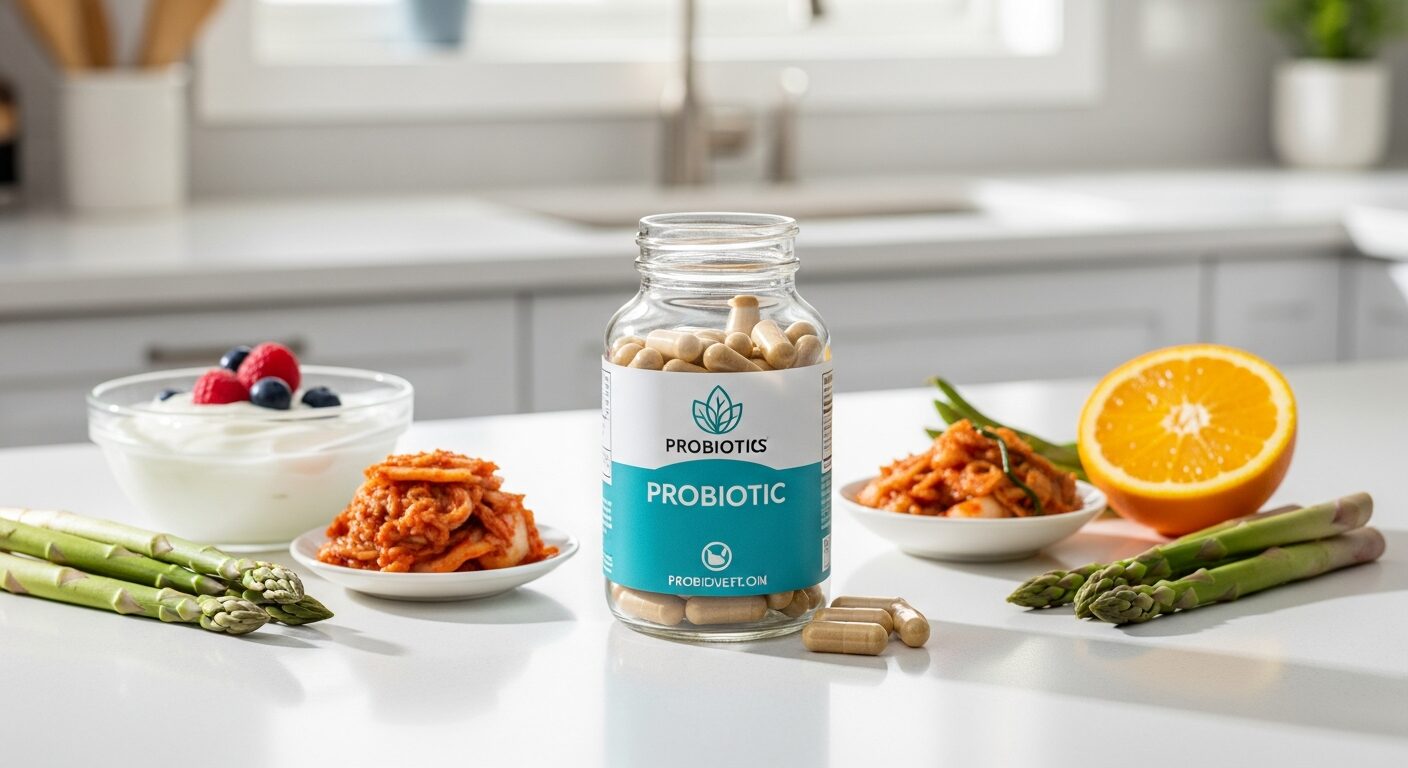
In the bustling ecosystem of your gut, trillions of microorganisms work tirelessly to maintain your health, influence your mood, and even affect your immune system. This complex community, known as your microbiome, plays a far more significant role in your overall well-being than most people realize. When this delicate balance is disrupted by factors like stress, poor diet, antibiotics, or illness, the consequences can ripple throughout your entire body.
Enter probiotics – living microorganisms that, when consumed in adequate amounts, can help restore and maintain this crucial balance. Far from being just another health trend, probiotics represent a scientifically-backed approach to supporting your body’s natural processes from the inside out. However, despite their growing popularity, there’s a surprising amount of misinformation surrounding these beneficial bacteria, leading many people to make costly mistakes or miss out on their potential benefits entirely.
This comprehensive guide will cut through the noise and provide you with evidence-based information about probiotics, including surprising truths that most supplement companies won’t tell you, realistic expectations for what happens when you start taking them, and crucial safety information that could prevent serious complications for certain individuals.
Contents
What are Probiotics
Probiotics are live microorganisms, primarily bacteria and yeasts, that provide health benefits when consumed in sufficient quantities. The term itself comes from the Greek words “pro” (for) and “bios” (life), literally meaning “for life.” These beneficial microbes are naturally present in fermented foods like yogurt, kefir, sauerkraut, and kimchi, as well as available in concentrated supplement form.
The most common probiotic strains belong to two main genera: Lactobacillus and Bifidobacterium. Lactobacillus strains, such as L. acidophilus and L. rhamnosus, typically reside in the small intestine and vaginal tract, while Bifidobacterium species like B. longum and B. bifidum predominantly colonize the large intestine. Each strain has unique characteristics and potential health benefits, which is why understanding the specific strains in your probiotic supplement matters more than just the total number of organisms.
What sets probiotics apart from other supplements is their living nature. These microorganisms must survive the harsh acidic environment of your stomach, successfully colonize your intestinal tract, and interact beneficially with your existing microbiome. This complex process explains why not all probiotic products are created equal – factors like strain selection, manufacturing quality, packaging, and storage conditions all significantly impact their effectiveness.
Key Benefits of Probiotics
Scientific research has identified numerous ways probiotics can support human health, with digestive wellness being just the beginning. One of the most well-established benefits is their ability to restore microbial balance after antibiotic treatment. Antibiotic-associated diarrhea prevention by probiotics, 2013 demonstrates how specific probiotic strains can significantly reduce the risk of antibiotic-associated diarrhea by up to 60%.
Beyond digestive health, probiotics play a crucial role in immune system modulation. Approximately 70% of your immune system resides in your gut, making the microbiome a critical player in immune function. Regular probiotic supplementation has been shown to reduce the duration and severity of upper respiratory tract infections, decrease allergic responses, and support overall immune resilience.
Mental health represents another fascinating area of probiotic research. The gut-brain axis – the bidirectional communication network between your digestive system and brain – allows gut bacteria to influence neurotransmitter production, including serotonin and GABA. Some studies suggest that certain probiotic strains, often called “psychobiotics,” may help reduce symptoms of anxiety and depression, though more research is needed to fully understand these mechanisms.
Women’s health, particularly vaginal and urinary tract health, also benefits from specific probiotic strains. Lactobacillus species help maintain the acidic pH necessary to prevent harmful bacteria and yeast overgrowth, potentially reducing the risk of urinary tract infections and bacterial vaginosis.
What Most People Get Wrong About Probiotics
Despite their popularity, several persistent myths about probiotics continue to mislead consumers and healthcare providers alike. Understanding these misconceptions is crucial for making informed decisions about probiotic supplementation.
Myth 1: More CFUs Always Means Better Results
One of the biggest misconceptions is that higher colony-forming unit (CFU) counts automatically translate to superior benefits. Many consumers gravitate toward products boasting 50 billion or 100 billion CFUs, assuming these mega-doses will be more effective. However, research shows that effectiveness depends more on strain selection, survivability, and your individual microbiome composition than sheer numbers. Some highly effective probiotic strains show benefits at doses as low as 1 billion CFUs, while others may require higher amounts. More importantly, taking excessive amounts can sometimes disrupt your natural microbial balance or cause digestive discomfort.
Myth 2: All Probiotic Strains Work the Same Way
Another widespread misunderstanding is treating all probiotics as interchangeable. In reality, different strains have distinct characteristics, colonization patterns, and health effects. For example, Lactobacillus rhamnosus GG excels at preventing antibiotic-associated diarrhea, while Bifidobacterium infantis shows particular benefits for irritable bowel syndrome. Even within the same species, different strains can have vastly different properties. This specificity explains why some people experience dramatic improvements with one probiotic product while seeing no benefits from another.
Myth 3: Probiotics Work Immediately
Many people expect probiotics to work like conventional medications, providing rapid relief within days. This expectation leads to premature discontinuation when immediate results don’t materialize. In reality, probiotics work gradually by modulating your existing microbiome, supporting intestinal barrier function, and influencing immune responses. Most clinical studies showing probiotic benefits involve supplementation periods of 4-12 weeks, with some effects becoming apparent only after consistent daily use.
Myth 4: Natural Sources Are Always Better Than Supplements
While fermented foods are excellent sources of probiotics and should be part of a healthy diet, the assumption that they’re always superior to supplements oversimplifies the situation. Fermented foods contain variable and often unknown quantities of probiotic strains, making it difficult to achieve therapeutic doses consistently. Additionally, many beneficial strains used in clinical research aren’t commonly found in traditional fermented foods. High-quality supplements offer standardized doses of researched strains, ensuring consistency and predictable effects.
What Happens to Your Body After 30 Days of Taking Probiotics
Understanding the timeline of probiotic effects can help set realistic expectations and encourage consistent supplementation during the initial period when benefits may not yet be apparent.
Week 1: Initial Colonization and Adaptation
During the first week, newly introduced probiotic strains begin competing for space and resources with your existing microbiome. Some people experience mild digestive changes during this period, including increased gas, bloating, or changes in bowel movement frequency. These symptoms, often called “die-off” reactions, typically indicate that probiotics are actively engaging with your gut ecosystem. Most people notice these initial changes subside as their system adapts to the new microbial residents.
Week 2: Microbial Community Shifts
By the second week, probiotic strains have begun establishing themselves within your intestinal environment. Research using stool analysis shows detectable changes in microbial diversity and composition around this timepoint. Some individuals start noticing improvements in digestive regularity, reduced bloating after meals, or slight changes in stool consistency. Energy levels may begin stabilizing as nutrient absorption and gut barrier function improve.
Week 3-4: Established Benefits Emerge
The third and fourth weeks typically mark when the most noticeable benefits become apparent. Effects of probiotics on gut microbiota: mechanisms of intestinal immunomodulation and neuromodulation, 2014 shows that immune system modulation becomes measurable around this timeframe. Many people report improved digestive comfort, more predictable bowel movements, and enhanced overall well-being. Some individuals notice improvements in skin clarity, mood stability, or reduced frequency of minor illnesses as immune function optimizes.
It’s important to note that individual responses vary significantly based on factors like baseline microbiome composition, diet, stress levels, medications, and overall health status. Some people may notice benefits earlier, while others require 6-8 weeks of consistent supplementation to experience meaningful changes.
Who Should NOT Take Probiotics
While probiotics are generally safe for healthy individuals, certain populations face increased risks and should exercise caution or avoid supplementation altogether.
Severely immunocompromised individuals, including those undergoing chemotherapy, organ transplant recipients, or people with HIV/AIDS with very low CD4 counts, face the highest risk of serious complications. In these populations, even beneficial bacteria can potentially cause systemic infections or sepsis. Probiotic safety in immunocompromised patients, 2020 documents several cases of bloodstream infections in critically ill patients receiving probiotics.
People with severe acute pancreatitis should avoid probiotics, as some studies have shown increased mortality rates in this population when probiotics were administered. Similarly, individuals with damaged intestinal lining due to severe inflammatory conditions may allow bacteria to translocate into the bloodstream more easily.
Premature infants and newborns with underlying health conditions require special consideration, as their immune systems and gut barriers are still developing. While some probiotic strains show benefits in healthy infants, medical supervision is essential for vulnerable newborns.
Certain medications can interact with probiotics or be affected by changes in gut bacteria. Some antibiotics may reduce probiotic effectiveness if taken simultaneously, while probiotics might theoretically affect the absorption of certain medications. People taking immunosuppressive drugs should consult their healthcare provider before starting probiotics.
Individuals with histamine intolerance should be particularly cautious, as some probiotic strains produce histamine, potentially worsening symptoms. Similarly, people with severe food allergies should carefully review probiotic ingredients, as some products may contain allergens used in the manufacturing process.
Dosage and Best Forms
Effective probiotic dosing depends on the specific strains, intended health outcomes, and individual factors. Most clinical studies showing health benefits use doses ranging from 1 billion to 100 billion CFUs daily, though the optimal amount varies by strain and condition.
For general digestive health maintenance, doses of 1-10 billion CFUs daily are typically sufficient. Specific therapeutic applications may require higher amounts – for example, preventing antibiotic-associated diarrhea often requires 10-20 billion CFUs daily, while managing irritable bowel syndrome might need 25-50 billion CFUs.
Capsules and tablets represent the most popular delivery methods, offering convenience and standardized dosing. Look for enteric-coated capsules or acid-resistant strains that can survive stomach acid exposure. Powder forms allow dose flexibility and can be mixed into foods or beverages, though they may be less stable than encapsulated products.
Refrigerated probiotics often contain more viable organisms than shelf-stable versions, though advances in freeze-drying technology have improved the stability of room-temperature products. Regardless of storage requirements, choose products from reputable manufacturers that provide third-party testing verification and clear expiration dates.
Timing can influence probiotic effectiveness. Taking them with meals may help buffer stomach acid and improve survival rates, while some strains show better colonization when taken on an empty stomach. Follow manufacturer recommendations or consult with a healthcare provider for personalized guidance.
🌿 Looking for Probiotics Supplements?
Browse top-rated Probiotics supplements, independently tested and recommended by our editorial team.
Affiliate disclosure: We may earn a small commission at no extra cost to you.
Frequently Asked Questions
Can I take probiotics with antibiotics?
Yes, taking probiotics during antibiotic treatment can help prevent antibiotic-associated diarrhea and support microbiome recovery. However, space them apart by at least 2-3 hours to prevent the antibiotic from killing the probiotic bacteria. Continue probiotics for several weeks after completing antibiotic treatment to help restore microbial balance.
Do probiotics need to be refrigerated?
Not all probiotics require refrigeration. Many modern formulations use freeze-dried strains that remain stable at room temperature. However, refrigerated products often contain higher numbers of viable organisms. Check the product label for specific storage requirements and follow them carefully to maintain potency.
How long should I take probiotics?
The duration depends on your goals and individual response. For acute issues like antibiotic-associated diarrhea, 2-4 weeks may be sufficient. For ongoing digestive support or chronic conditions, longer-term supplementation of several months may be beneficial. Many people choose to take probiotics continuously as part of their daily health routine.
Can probiotics cause side effects?
Most people tolerate probiotics well, but some may experience mild digestive symptoms like gas, bloating, or changes in bowel movements during the first week. These usually resolve as your system adapts. Serious side effects are rare in healthy individuals but can occur in immunocompromised people or those with underlying health conditions.
Are probiotics safe during pregnancy?
Many probiotic strains appear safe during pregnancy and may offer benefits like reduced risk of gestational diabetes and improved immune function. However, pregnant women should consult their healthcare provider before starting any new supplements, including probiotics, to ensure safety for both mother and baby.
Medical Disclaimer
This article is for informational purposes only and does not constitute medical advice. The information provided should not be used to diagnose, treat, cure, or prevent any disease or health condition. Individual responses to probiotics vary significantly, and what works for one person may not be appropriate for another. Always consult with a qualified healthcare professional before starting any new supplement regimen, especially if you have underlying health conditions, take medications, are pregnant or nursing, or have a compromised immune system. If you experience severe or persistent side effects while taking probiotics, discontinue use and seek medical attention immediately.