
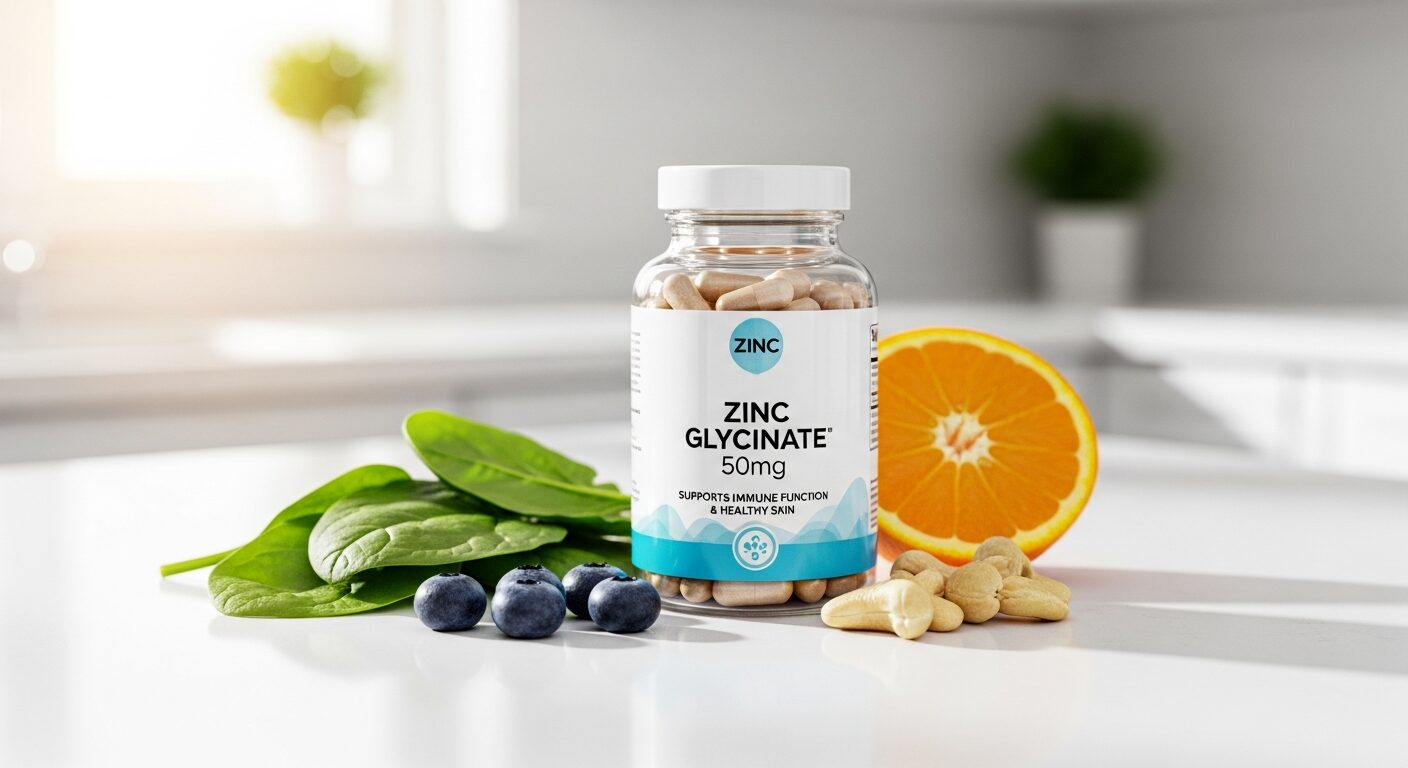
Zinc is an essential trace mineral that plays crucial roles in immune function, wound healing, protein synthesis, and DNA formation. With over 300 enzymes requiring zinc for proper function, ensuring adequate zinc intake is vital for optimal health. However, not all zinc supplements are created equal. The form of zinc you choose can significantly impact how well your body absorbs and utilizes this important mineral.
Two of the most popular zinc supplement forms are zinc glycinate and zinc gluconate. While both provide bioavailable zinc, they differ in their chemical structure, absorption rates, and potential side effects. Understanding these differences can help you make an informed decision about which form best suits your health goals and individual needs.
Contents
Understanding Zinc Absorption and Bioavailability
Before diving into the specific forms, it’s important to understand how zinc absorption works in the body. Zinc absorption occurs primarily in the small intestine, where it competes with other minerals like iron, copper, and calcium for uptake. This competition is why the form of zinc you choose matters significantly.
Bioavailability refers to the proportion of a nutrient that your body can actually absorb and use. Raw zinc is poorly absorbed and can cause significant gastrointestinal distress. This is why zinc is typically bound to other compounds, creating what are called “chelated” forms that improve absorption and reduce side effects.
The Role of Chelation
Chelation is a process where zinc is bound to organic compounds like amino acids or organic acids. This binding protects the zinc from interacting with other substances in the digestive tract that might inhibit absorption, such as phytates in grains or other competing minerals.
Zinc Glycinate: The Amino Acid Chelate
Zinc glycinate, also known as zinc bisglycinate, is formed when zinc is chelated to two molecules of the amino acid glycine. This creates a stable, neutral compound that’s easily recognized and absorbed by the body’s amino acid transport systems.
Advantages of Zinc Glycinate
The primary advantage of zinc glycinate lies in its superior bioavailability. Research has shown that amino acid-chelated minerals demonstrate enhanced absorption compared to other forms. The amino acid chelation allows the zinc to bypass many of the absorption barriers that affect other forms.
Zinc glycinate is also notably gentle on the stomach. Because it doesn’t rely on stomach acid for absorption and doesn’t break apart in the acidic environment of the stomach, it’s less likely to cause nausea, stomach upset, or the metallic taste often associated with zinc supplementation.
This form is also less likely to interact with other nutrients. The chelated structure helps protect the zinc from binding with fiber, calcium, iron, or other substances that might inhibit absorption, making it an ideal choice for people taking multiple supplements or those with sensitive digestive systems.
Potential Drawbacks
The main drawback of zinc glycinate is typically its higher cost compared to other forms. The chelation process and higher bioavailability often make it more expensive than alternatives like zinc gluconate. Additionally, zinc glycinate supplements may be larger in size due to the molecular structure, which some people find difficult to swallow.
Zinc Gluconate: The Traditional Choice
Zinc gluconate is formed when zinc is bound to gluconic acid, creating a compound that’s been used in supplements for decades. It’s one of the most studied forms of zinc and has a long track record of effectiveness.
Advantages of Zinc Gluconate
Zinc gluconate offers good bioavailability and has extensive research supporting its effectiveness. Studies have demonstrated zinc gluconate’s efficacy in supporting immune function and reducing the duration of common cold symptoms. This extensive research base makes it a trusted choice for many healthcare practitioners.
Cost-effectiveness is another significant advantage. Zinc gluconate is typically less expensive than amino acid chelates, making it accessible for long-term supplementation. It’s also widely available and comes in various forms, including tablets, capsules, and lozenges.
The compound is relatively stable and has a decent absorption rate, especially when taken on an empty stomach. For many people, zinc gluconate provides adequate bioavailability to meet their zinc needs effectively.
Potential Drawbacks
The primary drawback of zinc gluconate is its potential for gastrointestinal side effects. Many users report nausea, stomach upset, or a metallic taste when taking zinc gluconate, especially on an empty stomach. These side effects may require taking the supplement with food, which can further reduce absorption.
Zinc gluconate is also more susceptible to absorption interference from other nutrients and compounds in food. This means timing and food interactions need more careful consideration to maximize effectiveness.
Direct Comparison: Absorption and Effectiveness
When comparing absorption rates, zinc glycinate generally demonstrates superior bioavailability. The amino acid chelation process creates a more stable compound that’s better recognized by the body’s transport systems. This typically translates to requiring lower doses to achieve the same therapeutic effect.
Clinical studies have shown that chelated minerals, including zinc amino acid chelates, provide better absorption and retention compared to inorganic forms. This enhanced absorption can be particularly beneficial for individuals with compromised digestive function or those taking medications that might interfere with mineral absorption.
Tolerance and Side Effects
Zinc glycinate typically offers better tolerance with fewer gastrointestinal side effects. The chelated form is gentler on the stomach lining and less likely to cause nausea or metallic taste. This makes it an excellent choice for sensitive individuals or those who have experienced side effects with other zinc forms.
Zinc gluconate, while generally well-tolerated, is more likely to cause stomach upset, especially when taken without food. However, taking it with a small amount of food can minimize these effects, though this may slightly reduce absorption.
Who Should Choose Which Form?
The choice between zinc glycinate and zinc gluconate often comes down to individual needs, budget, and tolerance.
Choose Zinc Glycinate If You:
- Have a sensitive stomach or have experienced side effects with other zinc forms
- Take multiple supplements or medications that might interfere with absorption
- Want maximum bioavailability and are willing to pay a premium
- Prefer taking supplements on an empty stomach
- Have compromised digestive function
Choose Zinc Gluconate If You:
- Are budget-conscious and want an effective, economical option
- Don’t experience significant side effects with mineral supplements
- Prefer a form with extensive research backing
- Are comfortable taking supplements with food
- Want a widely available option in various formats
Dosage Considerations
Regardless of the form you choose, proper dosing is crucial. The recommended dietary allowance (RDA) for zinc varies by age and gender, with adult men needing 11mg daily and adult women needing 8mg daily. However, therapeutic doses may be higher under professional guidance.
Due to its superior absorption, you may need a lower dose of zinc glycinate compared to zinc gluconate to achieve the same therapeutic effect. Always start with the lowest effective dose and consult with a healthcare provider for personalized recommendations.
🌿 Looking for Zinc Supplements?
Browse top-rated Zinc supplements, independently tested and recommended by our editorial team.
Affiliate disclosure: We may earn a small commission at no extra cost to you.
Frequently Asked Questions
Can I take zinc glycinate and zinc gluconate together?
It’s generally not recommended to combine different forms of zinc supplements as this can lead to excessive zinc intake. Stick to one form and ensure your total daily intake doesn’t exceed safe upper limits (40mg for adults).
How long does it take to see benefits from zinc supplementation?
Benefits can vary depending on your initial zinc status and the reason for supplementation. For immune support, benefits may be noticed within days to weeks. For skin health or wound healing, it may take several weeks to months of consistent use.
Should zinc supplements be taken with or without food?
Zinc glycinate can be taken with or without food due to its gentle nature. Zinc gluconate is often better tolerated with food, though this may slightly reduce absorption. If you experience stomach upset, try taking it with a light meal.
Are there any medications that interact with zinc supplements?
Yes, zinc can interact with certain antibiotics (quinolones and tetracyclines), reducing their effectiveness. It may also interfere with copper absorption if taken long-term in high doses. Always consult your healthcare provider about potential interactions.
How do I know if I’m zinc deficient?
Common signs of zinc deficiency include frequent infections, slow wound healing, hair loss, skin problems, and altered taste or smell. However, these symptoms can have many causes. A healthcare provider can assess your zinc status through blood tests and clinical evaluation.
Medical Disclaimer
This article is for informational purposes only and should not be considered medical advice. The information provided is not intended to diagnose, treat, cure, or prevent any disease. Always consult with a qualified healthcare professional before starting any new supplement regimen, especially if you have existing health conditions, are pregnant or nursing, or are taking medications. Individual needs may vary, and what works for one person may not be appropriate for another.