
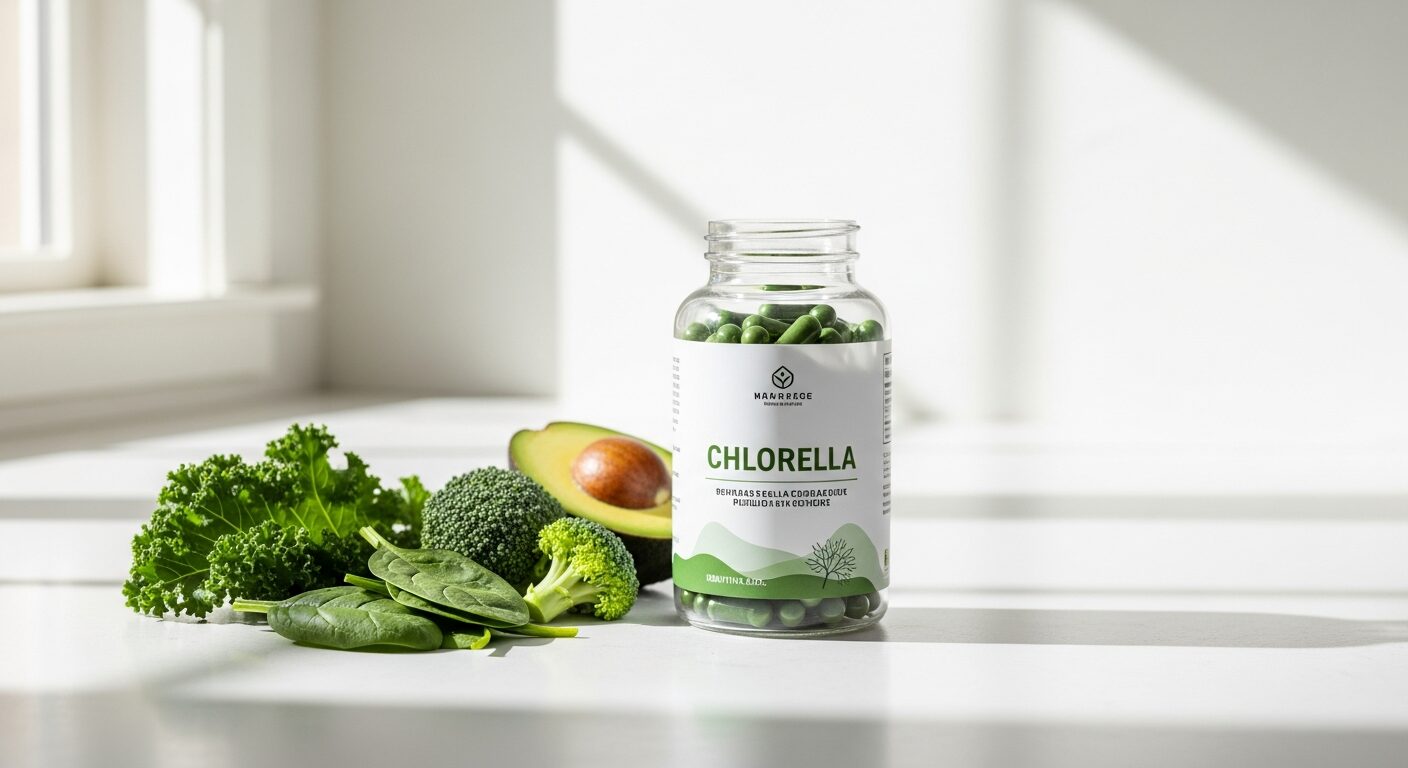
In the world of superfoods and nutritional supplements, few organisms have captured the attention of researchers quite like chlorella. This microscopic green algae, barely visible to the naked eye, packs an extraordinary nutritional punch that has made it a subject of intense scientific study for decades. From NASA considering it as a potential food source for space travel to Japanese researchers investigating its role in longevity, chlorella has earned its reputation as one of nature’s most complete foods.
What makes chlorella particularly fascinating is its unique cellular structure and composition. Unlike many other supplements that provide isolated nutrients, chlorella offers a complex matrix of vitamins, minerals, proteins, and bioactive compounds that work synergistically in the human body. Recent scientific investigations have revealed mechanisms of action that extend far beyond basic nutrition, suggesting that regular chlorella consumption may influence everything from immune function to cellular detoxification processes.
However, despite its growing popularity, much of the information circulating about chlorella is based on marketing claims rather than peer-reviewed research. This comprehensive analysis examines what the current scientific literature actually reveals about chlorella’s benefits, limitations, and practical applications for human health.
🌿 Looking for Chlorella supplements? Shop Amazon →
Contents
What is Chlorella
Chlorella is a single-celled, freshwater green algae belonging to the division Chlorophyta. First discovered in 1890 by Dutch microbiologist Martinus Willem Beijerinck, this microscopic organism measures only 2-10 micrometers in diameter, making it roughly the size of a human red blood cell. What distinguishes chlorella from other algae is its remarkably dense nutritional profile and its unique cellular wall structure.
The most commercially relevant species include Chlorella vulgaris and Chlorella pyrenoidosa, both of which are cultivated in controlled environments for supplement production. Chlorella reproduces rapidly through photosynthesis, quadrupling its biomass every 20-24 hours under optimal conditions. This rapid growth rate, combined with its ability to thrive in various environmental conditions, has made it an attractive candidate for large-scale cultivation.
Nutritionally, chlorella is considered one of the most complete whole foods available. It contains all nine essential amino acids, making it a complete protein source with a biological value comparable to animal proteins. The algae is particularly rich in chlorophyll, containing more of this green pigment per gram than any other known plant. Additionally, chlorella provides significant amounts of vitamins B12, C, and A, along with minerals like iron, magnesium, and zinc.
One of chlorella’s most distinctive features is its tough outer cell wall, composed primarily of cellulose and sporopollenin. This fibrous wall, while protecting the organism in nature, initially prevented human digestion of the nutrient-dense interior. Modern processing techniques, including mechanical disruption and controlled cracking methods, have solved this problem by breaking down the cell wall while preserving the internal nutrients.
Key Benefits of Chlorella
Scientific research has identified several mechanisms through which chlorella may benefit human health. The most well-established benefits are supported by controlled clinical trials and demonstrate measurable physiological effects.
Immune system modulation represents one of the most studied areas of chlorella research. Multiple studies have shown that chlorella supplementation can enhance natural killer cell activity and increase immunoglobulin A production, suggesting improved immune surveillance and mucosal immunity. The polysaccharides and peptides found in chlorella appear to stimulate various immune cells, including macrophages and T-lymphocytes, leading to a more robust immune response.
Cardiovascular health benefits have also been demonstrated in human trials. Regular chlorella consumption has been associated with modest but significant reductions in total cholesterol and LDL cholesterol levels. The proposed mechanism involves chlorella’s high fiber content and specific bioactive compounds that may interfere with cholesterol absorption in the intestines and promote cholesterol excretion through bile acids.
Detoxification support is another area where chlorella shows promise, particularly for heavy metal elimination. The algae’s cell wall components and certain proteins appear to bind heavy metals like cadmium, lead, and mercury, facilitating their removal from the body. This chelation effect has been observed in both animal studies and human trials, though the clinical significance for individuals without heavy metal toxicity remains unclear.
Blood sugar regulation has emerged as a potential benefit in recent research. Some studies suggest that chlorella supplementation may improve insulin sensitivity and glucose metabolism, possibly through its effects on gut microbiota and inflammation markers. However, these effects appear to be modest and may be most relevant for individuals with metabolic dysfunction.
Antioxidant activity represents another well-documented property of chlorella. The high concentrations of chlorophyll, carotenoids, and vitamin C provide substantial free radical scavenging capacity, which may contribute to reduced oxidative stress markers in supplemented individuals.
What Most People Get Wrong About Chlorella
Despite its legitimate health benefits, chlorella is surrounded by several persistent misconceptions that often lead to unrealistic expectations or inappropriate use.
Myth: Chlorella is a Miracle Detox That Can Replace Medical Treatment
Perhaps the most dangerous misconception is that chlorella can serve as a standalone treatment for serious health conditions or that it provides dramatic detoxification effects overnight. While research does support chlorella’s ability to bind certain heavy metals and support liver function, these effects are gradual and supportive rather than therapeutic. The human body’s primary detoxification occurs through the liver, kidneys, and lungs—organs that function effectively without supplemental algae. Chlorella may support these natural processes, but it cannot replace medical treatment for toxicity or disease states.
Myth: All Chlorella Supplements Are Identical
Quality and bioavailability vary dramatically between chlorella products, yet consumers often assume all supplements are equivalent. The cell wall processing method significantly impacts nutrient absorption—mechanically disrupted chlorella typically offers better bioavailability than chemically processed versions. Additionally, growing conditions, harvesting methods, and storage practices all influence the final product’s nutritional content and safety profile. Heavy metal contamination can be a concern with poorly sourced chlorella, ironically negating its purported detoxification benefits.
Myth: More Chlorella Always Equals Better Results
The “more is better” mentality leads many users to consume excessive amounts of chlorella, expecting proportionally greater benefits. However, research suggests that chlorella’s benefits follow a dose-response curve with diminishing returns at higher doses. Most clinical studies showing positive effects used relatively modest doses of 3-6 grams daily. Higher doses may actually cause digestive distress, interfere with nutrient absorption, or interact with medications without providing additional benefits.
Myth: Chlorella Works Immediately and Dramatically
Marketing claims often suggest that chlorella produces rapid, noticeable changes in energy, appearance, or well-being. Scientific evidence indicates that chlorella’s benefits develop gradually over weeks to months of consistent use. The biological mechanisms involved—immune modulation, metabolic optimization, and cellular repair—require time to manifest measurable changes. Users expecting immediate dramatic effects are often disappointed and may discontinue use before benefits can develop.
What Happens to Your Body After 30 Days of Taking Chlorella
Understanding the timeline of chlorella’s effects helps set realistic expectations and optimize supplementation strategies. Research-based evidence suggests a predictable progression of physiological changes over the first month of consistent use.
Week 1: Digestive Adaptation and Initial Cellular Changes
During the first week, the digestive system adapts to processing chlorella’s unique fiber content and bioactive compounds. Some users experience mild digestive changes, including altered stool color due to chlorophyll content—a harmless effect that typically resolves as the gut microbiome adjusts. At the cellular level, antioxidant markers begin to improve, though these changes aren’t typically noticeable to users. Blood levels of certain nutrients, particularly B vitamins and iron, may start to increase if deficiencies were present.
Week 2: Immune System Activation
By the second week, chlorella’s immunomodulatory effects become more pronounced. Research indicates that natural killer cell activity typically shows measurable improvement within 2-3 weeks of consistent chlorella consumption. Users may notice improved recovery from minor illnesses or reduced susceptibility to common colds, though individual responses vary significantly. Energy levels may begin to stabilize as cellular metabolism optimizes from improved nutrient status.
Weeks 3-4: Metabolic and Cardiovascular Benefits
The most significant measurable changes typically appear during the third and fourth weeks. Cardiovascular markers, including cholesterol levels and blood pressure, may show modest improvements in individuals with elevated baseline values. Studies demonstrate that meaningful changes in lipid profiles generally require 3-4 weeks of consistent supplementation. Detoxification effects, while gradual, may be reflected in improved liver function markers during this period.
Users often report improved energy consistency and better stress tolerance during weeks three and four, likely reflecting the cumulative effects of enhanced nutrition, immune optimization, and reduced oxidative stress. Sleep quality improvements are sometimes noted, possibly due to better magnesium status and reduced inflammation.
Beyond 30 Days: Long-term Adaptations
The full spectrum of chlorella’s benefits typically requires 2-3 months to develop completely. Long-term users often report the most significant improvements in overall vitality, immune resilience, and metabolic health markers. However, these effects require consistent daily intake and may diminish relatively quickly if supplementation is discontinued.
Who Should NOT Take Chlorella
While chlorella is generally safe for healthy adults, several groups should exercise caution or avoid supplementation entirely due to potential health risks or interactions.
Individuals taking anticoagulant medications, including warfarin, clopidogrel, or heparin, should avoid chlorella supplementation. The high vitamin K content can interfere with blood-thinning medications, potentially leading to dangerous clotting or bleeding complications. Even modest amounts of chlorella can significantly alter INR values in patients on warfarin therapy, making medication management extremely difficult.
People with autoimmune conditions such as multiple sclerosis, rheumatoid arthritis, or lupus should consult healthcare providers before using chlorella. While immune stimulation may benefit healthy individuals, it could potentially exacerbate autoimmune conditions by further activating an already overactive immune system. The immunomodulatory effects that provide benefits in healthy individuals may prove problematic for those with immune dysfunction.
Pregnant and breastfeeding women should exercise caution with chlorella supplementation. While no specific toxicity has been documented, limited research exists on safety during pregnancy and lactation. The potential for heavy metal contamination in poorly sourced products poses additional concerns for developing fetuses and nursing infants. Any supplementation during pregnancy should occur only under medical supervision.
Individuals with iodine sensitivity or thyroid disorders should be particularly careful, as some chlorella products may contain variable amounts of iodine depending on growing conditions. Those with hyperthyroidism or taking thyroid medications may experience unpredictable effects on thyroid function.
People with severe kidney disease should avoid chlorella due to its high protein and mineral content, which could place additional stress on compromised kidney function. The potassium content may be particularly problematic for individuals with advanced kidney disease or those on potassium-restricted diets.
Children under 18 should not use chlorella supplements without pediatric medical supervision. While whole food sources of nutrition are generally safe for children, concentrated algae supplements haven’t been adequately studied in pediatric populations, and children may be more susceptible to potential contaminants.
Dosage and Best Forms
Effective chlorella dosing varies based on individual factors and intended benefits, but research provides clear guidance on optimal ranges and forms.
Most clinical studies demonstrating health benefits have used doses between 3-6 grams of chlorella per day, typically divided into multiple smaller doses taken with meals. This range appears to provide optimal benefit-to-risk ratios while minimizing digestive side effects. Beginners should start with 1-2 grams daily for the first week to assess tolerance before gradually increasing to therapeutic doses.
Tablet forms offer the most consistent dosing and are generally preferred over powders for accuracy and convenience. High-quality tablets should specify the cell wall processing method and provide third-party testing results for heavy metals and contaminants. Organic certification, while not essential, often indicates better quality control practices.
Powder forms can be more cost-effective and allow for flexible dosing but may have palatability issues due to chlorella’s distinctive earthy taste. Powders mix well in smoothies or juices, which can mask the flavor while potentially enhancing absorption through the presence of other nutrients.
Timing appears important for optimal absorption. Taking chlorella with meals, particularly those containing some fat, may enhance the absorption of fat-soluble vitamins present in the algae. Splitting daily doses across 2-3 meals also appears to improve tolerance and maintain more stable blood levels of nutrients.
🌿 Looking for Chlorella Supplements?
Browse top-rated Chlorella supplements, independently tested and recommended by our editorial team.
Affiliate disclosure: We may earn a small commission at no extra cost to you.
Frequently Asked Questions
Can chlorella replace a multivitamin supplement?
While chlorella provides many vitamins and minerals, it cannot completely replace a well-formulated multivitamin for most people. Chlorella excels in certain nutrients like chlorophyll, B12, and iron, but provides minimal amounts of others like vitamin D, calcium, and some B vitamins. It’s best viewed as a complementary whole food supplement rather than a multivitamin replacement.
How long does it take to see benefits from chlorella?
Most users notice initial energy improvements within 1-2 weeks, while measurable health markers like immune function and cholesterol levels typically require 3-4 weeks of consistent use to show changes. Full benefits generally develop over 2-3 months of regular supplementation.
Is chlorella safe for long-term use?
Research suggests that high-quality chlorella is safe for long-term use in healthy adults when taken at recommended doses. However, periodic breaks or cycling may be beneficial to prevent potential nutrient imbalances or tolerance development. Annual blood work can help monitor for any unexpected effects during long-term use.
What’s the difference between chlorella and spirulina?
Chlorella and spirulina are both algae but have distinct nutritional profiles and benefits. Chlorella contains more chlorophyll and nucleic acids, while spirulina provides more protein and certain antioxidants like phycocyanin. Chlorella requires cell wall processing for absorption, while spirulina does not. Both offer health benefits, and some people use them together.
Should chlorella be taken on an empty stomach or with food?
Chlorella is best taken with meals to minimize digestive upset and enhance absorption of fat-soluble vitamins. The fiber content can cause nausea if taken on an empty stomach, particularly when first starting supplementation. Taking it with food also helps slow absorption and maintain more stable nutrient levels throughout the day.
Medical Disclaimer
This article is for informational and educational purposes only and does not constitute medical advice. The information contained herein should not be used to diagnose, treat, cure, or prevent any disease or health condition. Individual responses to chlorella supplementation may vary significantly, and the benefits described may not apply to all users.
Before starting any new supplement regimen, including chlorella, consult with a qualified healthcare provider, especially if you have existing health conditions, take medications, or are pregnant or breastfeeding. This is particularly important for individuals with autoimmune conditions, bleeding disorders, or those taking anticoagulant medications.
The statements in this article have not been evaluated by the Food and Drug Administration. Chlorella supplements are not intended to diagnose, treat, cure, or prevent any disease. Always choose high-quality supplements from reputable manufacturers and follow recommended dosing guidelines unless otherwise directed by a healthcare professional.