
Your gut microbiome is home to trillions of bacteria that play a crucial role in everything from digestion to immune function and even mental health. While most people have heard of probiotics—the “good bacteria” found in yogurt and supplements—fewer understand the equally important role of prebiotics. These two work together in a fascinating partnership, but they serve very different functions in maintaining your digestive health.
Think of prebiotics as the fertilizer for your internal garden, while probiotics are the plants themselves. Both are essential for a thriving gut ecosystem, but understanding their distinct roles can help you make better decisions about your health and supplementation strategy. The confusion between these two terms has led to widespread misconceptions that could be impacting your gut health goals.
In this comprehensive guide, we’ll explore the science-backed differences between prebiotics and probiotics, uncover common myths that even health-conscious individuals believe, and provide you with the practical knowledge needed to optimize your gut microbiome effectively.
Contents
What Are Prebiotics
Prebiotics are specialized plant fibers that act as food for the beneficial bacteria already living in your gut. Unlike probiotics, which introduce new bacteria to your system, prebiotics nourish and stimulate the growth of existing beneficial microorganisms, particularly in the colon.
The most common types of prebiotics include inulin, fructooligosaccharides (FOS), galactooligosaccharides (GOS), and resistant starch. These compounds resist digestion in the small intestine and reach the colon intact, where they undergo fermentation by beneficial bacteria such as Bifidobacterium and Lactobacillus species.
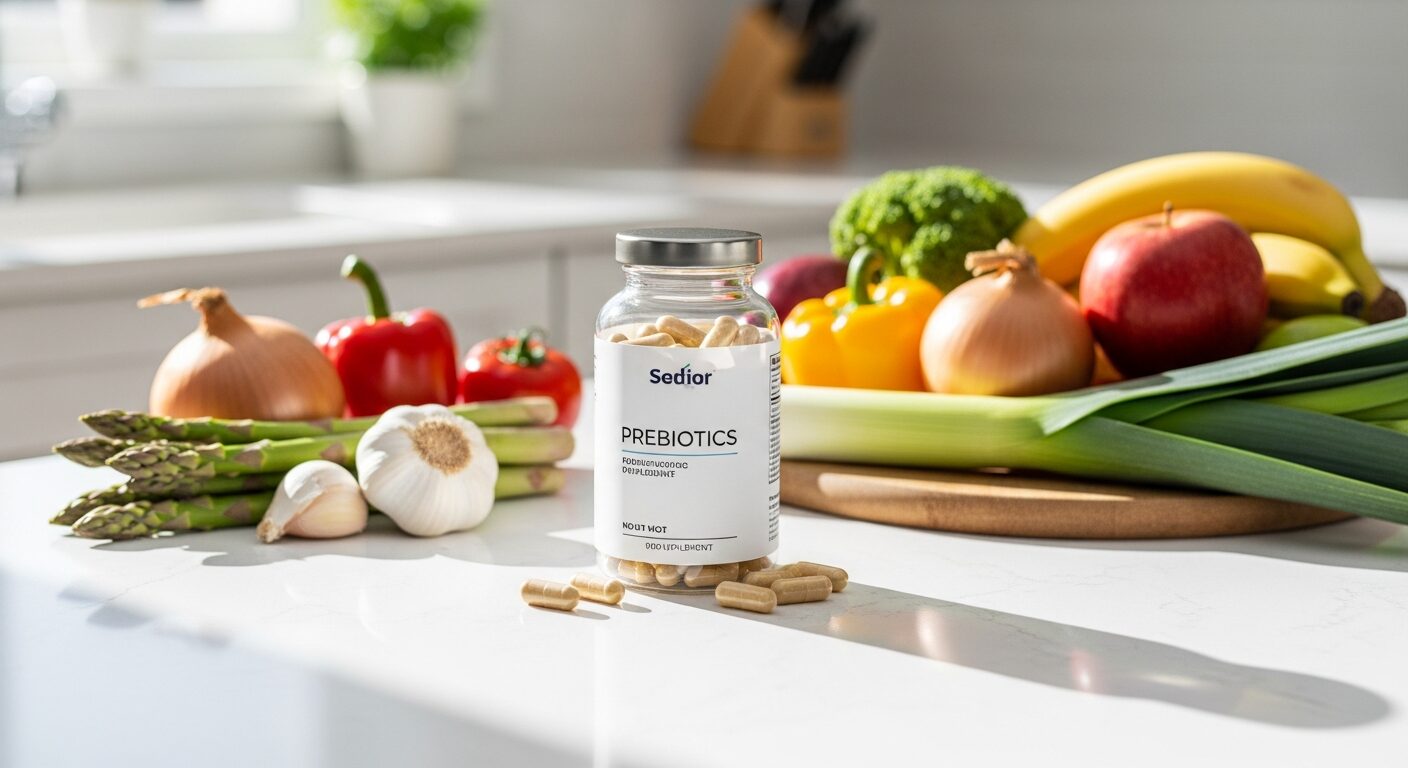
Natural food sources of prebiotics include garlic, onions, leeks, asparagus, bananas, oats, apples, and Jerusalem artichokes. However, many people don’t consume adequate amounts through diet alone, which is where prebiotic supplements can play a valuable role in supporting gut health.
The fermentation process of prebiotics produces short-chain fatty acids (SCFAs) like butyrate, acetate, and propionate. These metabolic byproducts serve as an energy source for colon cells and have been linked to numerous health benefits throughout the body, including improved immune function and reduced inflammation.
Key Benefits of Prebiotics
Scientific research has revealed multiple ways that prebiotics support overall health beyond just digestive function. The primary benefit is their ability to selectively stimulate the growth and activity of beneficial bacteria in the gut, creating a more balanced microbiome ecosystem.
Digestive health improvements are often the most noticeable benefit. Prebiotics can help regulate bowel movements, reduce symptoms of irritable bowel syndrome (IBS), and improve overall digestive comfort. The increased production of SCFAs helps maintain the integrity of the intestinal barrier, potentially reducing the risk of leaky gut syndrome.
Immune system enhancement represents another significant benefit. Since approximately 70% of immune cells reside in the gut, a healthy microbiome directly impacts immune function. Prebiotics have been shown to enhance immune responses and reduce the risk of infections, particularly in older adults and those with compromised immune systems.
Metabolic health benefits include improved glucose metabolism and enhanced mineral absorption, particularly calcium and magnesium. Some studies suggest that regular prebiotic consumption may help regulate blood sugar levels and support healthy cholesterol profiles, though more research is needed to establish definitive therapeutic recommendations.
Mental health connections are emerging through the gut-brain axis research. The SCFAs produced during prebiotic fermentation can influence neurotransmitter production and reduce systemic inflammation, potentially supporting mood regulation and cognitive function.
What Most People Get Wrong About Prebiotics
Myth 1: All Fiber is Prebiotic
One of the most persistent misconceptions is that any type of dietary fiber acts as a prebiotic. While all prebiotics are types of fiber, not all fibers have prebiotic properties. True prebiotics must meet specific criteria: they must be resistant to gastric acidity and enzymatic hydrolysis in the small intestine, be fermented by beneficial gut bacteria, and selectively stimulate the growth of health-promoting microorganisms.
Cellulose, for example, is an insoluble fiber that aids in bowel regularity but doesn’t feed beneficial bacteria in the same way as inulin or FOS. This distinction is crucial because simply increasing total fiber intake won’t necessarily provide the same microbiome benefits as targeted prebiotic consumption.
Myth 2: More Prebiotics Always Equals Better Results
Many people assume that if prebiotics are beneficial, taking large amounts will accelerate results. However, excessive prebiotic intake can lead to uncomfortable digestive symptoms including bloating, gas, and abdominal discomfort. The fermentation process that produces beneficial SCFAs also generates gas as a byproduct.
Research indicates that moderate, consistent intake is more effective than sporadic high doses. Starting with smaller amounts and gradually increasing allows your gut bacteria to adapt, minimizing side effects while maximizing benefits. The optimal dose varies by individual based on current microbiome composition and tolerance levels.
Myth 3: Prebiotics Work Immediately
Unlike some supplements that provide immediate effects, prebiotics work by gradually shifting the composition and activity of your gut microbiome. This biological process requires time, typically several weeks to show measurable changes in bacterial populations and related health markers.
The misconception of immediate results often leads to premature discontinuation of prebiotic supplementation. Understanding the timeline helps set realistic expectations and encourages consistent use, which is essential for achieving lasting microbiome improvements.
Myth 4: Prebiotics and Probiotics Can’t Be Taken Together
Some people believe that taking prebiotics and probiotics simultaneously creates competition or interference. In reality, this combination, known as a synbiotic, can be particularly effective. The prebiotics provide immediate nourishment for both existing beneficial bacteria and newly introduced probiotic strains, potentially enhancing the survival and colonization of supplemented organisms.
What Happens to Your Body After 30 Days of Taking Prebiotics
Week 1: Initial Microbiome Activation
During the first week of prebiotic supplementation, your existing beneficial bacteria begin responding to the increased food supply. You may experience mild digestive changes as fermentation increases, including slight changes in stool consistency or frequency. Some individuals notice increased gas production, which typically indicates that fermentation is beginning.
The production of SCFAs starts increasing during this period, though the effects aren’t yet noticeable. Your gut bacteria are beginning to shift their metabolic activity, setting the foundation for more significant changes in the coming weeks.
Week 2: Noticeable Digestive Improvements
By the second week, many people report improvements in bowel regularity and overall digestive comfort. The enhanced SCFA production begins strengthening the intestinal barrier, which can reduce symptoms of digestive sensitivity or mild inflammation.
Initial digestive side effects typically subside during this period as your microbiome adapts to the increased prebiotic intake. Energy levels may begin to improve as nutrient absorption becomes more efficient and gut inflammation decreases.
Weeks 3-4: Systemic Benefits Emerge
The most significant changes typically become apparent during weeks three and four. Research shows that consistent prebiotic intake over 3-4 weeks can measurably increase beneficial bacterial populations and improve markers of gut health.
Immune function improvements may become noticeable, with some individuals reporting fewer minor illnesses or faster recovery from infections. Sleep quality and mood stability can improve due to enhanced gut-brain axis communication and reduced systemic inflammation.
Metabolic benefits such as better blood sugar stability and improved mineral absorption typically require this full 30-day period to become established. The strengthened intestinal barrier function reaches optimal levels, providing lasting protection against harmful substances and supporting overall health.
Who Should NOT Take Prebiotics
While prebiotics are generally safe for most people, certain individuals should exercise caution or avoid them entirely. People with Small Intestinal Bacterial Overgrowth (SIBO) may experience worsened symptoms with prebiotic supplementation, as the excess bacteria in the small intestine can ferment these fibers inappropriately, leading to increased bloating, pain, and digestive distress.
Individuals with severe inflammatory bowel diseases like Crohn’s disease or ulcerative colitis should consult their healthcare provider before starting prebiotic supplements. During active flares, the increased fermentation may exacerbate inflammation and symptoms.
Those with diagnosed food allergies or intolerances should carefully review prebiotic supplement ingredients. Some prebiotic products contain compounds derived from sources that may trigger allergic reactions, such as chicory root (inulin) in individuals with ragweed allergies.
Pregnant and breastfeeding women should consult their healthcare provider before beginning any new supplement regimen, including prebiotics. While generally considered safe, individual medical history and current health status should guide supplementation decisions during these critical periods.
People taking immunosuppressive medications should discuss prebiotic use with their physician, as changes in gut bacteria populations could potentially affect immune function and medication efficacy. Similarly, individuals with compromised immune systems should seek medical guidance before altering their microbiome composition.
Dosage and Best Forms
The effective dosage of prebiotics varies depending on the specific type and individual tolerance levels. For inulin, research suggests that 5-20 grams daily provides therapeutic benefits, while FOS is typically effective at 2-10 grams daily. Starting with the lower end of these ranges and gradually increasing helps minimize digestive side effects.
Timing can influence effectiveness and tolerance. Taking prebiotics with meals may reduce the likelihood of digestive discomfort, as the presence of other foods can slow the fermentation process and moderate gas production. Some people find splitting the daily dose between meals further improves tolerance.
The most researched and effective forms include inulin (particularly from chicory root), FOS, GOS, and partially hydrolyzed guar gum (PHGG). Each has slightly different properties and may benefit different bacterial populations, so products containing multiple prebiotic types may offer broader benefits.
Quality considerations are important when selecting prebiotic supplements. Look for products that specify the type and amount of prebiotic fibers, undergo third-party testing for purity, and come from reputable manufacturers with good manufacturing practices.
Consistency is more important than finding the “perfect” dose. Regular daily intake at a moderate level will produce better results than sporadic high-dose supplementation. Most benefits require at least 2-4 weeks of consistent use to become apparent.
🌿 Looking for Prebiotics Supplements?
Browse top-rated Prebiotics supplements, independently tested and recommended by our editorial team.
Affiliate disclosure: We may earn a small commission at no extra cost to you.
Frequently Asked Questions
Can I get enough prebiotics from food alone?
While it’s possible to obtain prebiotics through diet, most people don’t consume adequate amounts of prebiotic-rich foods consistently. Studies indicate that the average Western diet provides only 3-5 grams of prebiotic fibers daily, well below the 15-20 grams that research suggests for optimal benefits. Supplements can help bridge this gap, especially for those with limited dietary diversity or specific digestive needs.
How long do I need to take prebiotics to see results?
Most people begin noticing digestive improvements within 1-2 weeks, but significant microbiome changes typically require 3-8 weeks of consistent use. Long-term benefits continue to develop over months of regular intake. Unlike medications that provide immediate effects, prebiotics work by gradually shifting bacterial populations, requiring patience and consistency for optimal results.
Can prebiotics cause weight gain or loss?
Prebiotics themselves are low in calories and don’t directly cause weight gain. Some research suggests they may support healthy weight management by improving satiety, regulating appetite hormones, and enhancing metabolism through SCFA production. However, they’re not weight loss supplements and should be viewed as part of an overall healthy lifestyle approach.
Do I need to refrigerate prebiotic supplements?
Most prebiotic supplements are stable at room temperature and don’t require refrigeration, unlike many probiotic products. However, storing them in a cool, dry place away from direct sunlight helps maintain potency and prevents clumping in powder formulations. Always check the manufacturer’s storage recommendations on the product label.
Can children take prebiotic supplements?
Children can benefit from prebiotics, but dosages should be adjusted based on age and body weight. Pediatric dosing typically ranges from 1-5 grams daily for young children, increasing to adult levels during adolescence. Parents should consult their child’s healthcare provider before starting any supplementation, especially if the child has existing digestive issues or takes medications.
Medical Disclaimer
The information provided in this article is for educational purposes only and is not intended as medical advice, diagnosis, or treatment. Always consult with a qualified healthcare professional before starting any new supplement regimen, especially if you have existing medical conditions, take medications, or are pregnant or breastfeeding. Individual responses to prebiotics may vary, and what works for one person may not be appropriate for another.
If you experience persistent digestive discomfort, unusual symptoms, or adverse reactions while taking prebiotics, discontinue use and consult your healthcare provider. This article does not replace professional medical advice, and NaturStack does not assume responsibility for any health decisions made based on this information.