
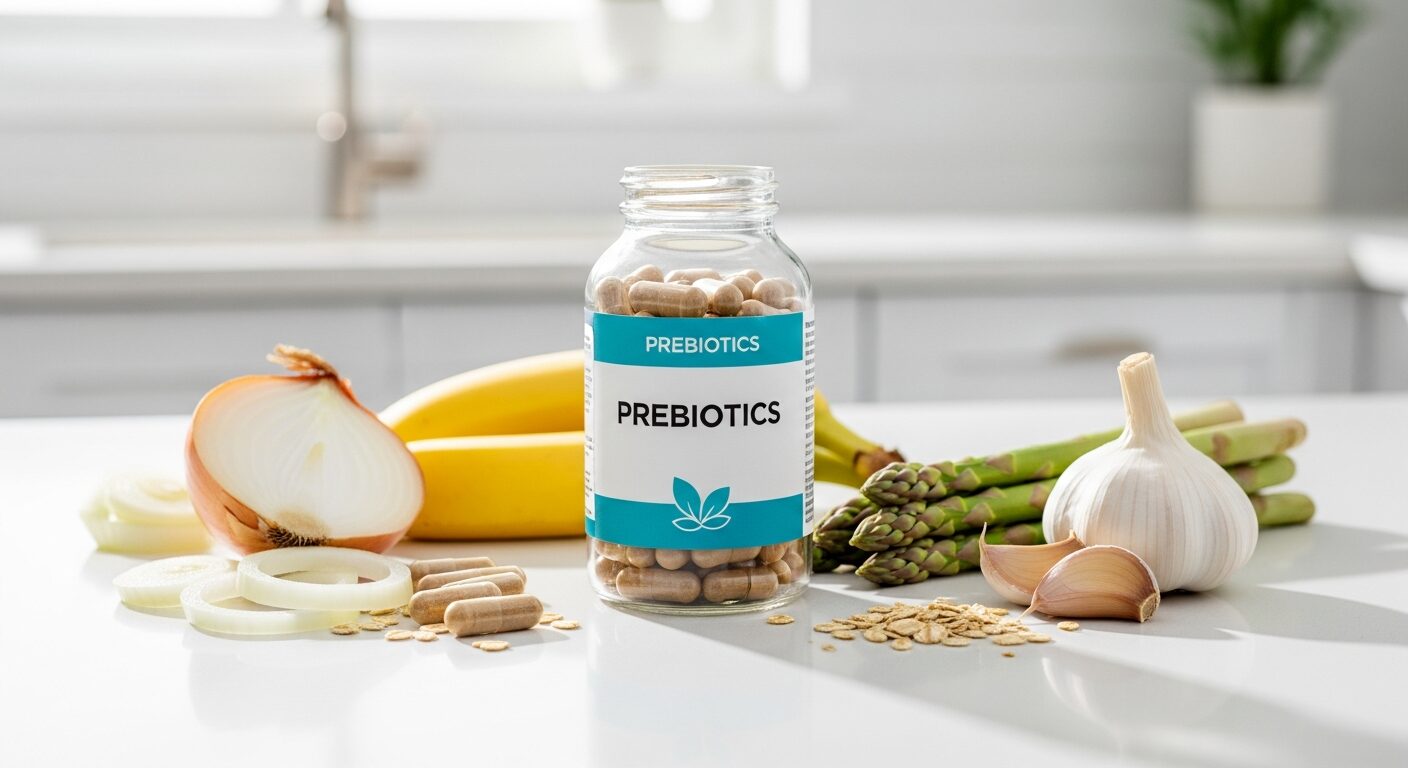
The human gut microbiome contains trillions of bacteria that influence everything from digestion and immunity to mood and cognitive function. While probiotics have dominated health conversations for years, there’s another crucial player that’s been quietly working behind the scenes: prebiotics. These specialized compounds serve as food for beneficial gut bacteria, creating the foundation for a thriving microbiome.
Unlike probiotics, which introduce new bacteria into your system, prebiotics nourish the beneficial microorganisms already residing in your gut. Think of them as fertilizer for your internal garden, selectively feeding the good bacteria while starving harmful ones. This targeted approach makes prebiotics an incredibly powerful tool for optimizing digestive health and overall wellness.
Understanding prebiotics is essential for anyone serious about improving their health naturally. From supporting immune function to enhancing nutrient absorption, these remarkable compounds offer benefits that extend far beyond the digestive system, influencing nearly every aspect of human physiology.
Contents
What is Prebiotics
Prebiotics are non-digestible food components that selectively stimulate the growth and activity of beneficial bacteria in the colon. Unlike regular dietary fiber, prebiotics have specific molecular structures that allow them to bypass digestion in the small intestine and reach the large intestine intact, where they become fuel for beneficial microorganisms.
The most well-researched prebiotics include inulin, fructooligosaccharides (FOS), galactooligosaccharides (GOS), and resistant starch. These compounds are naturally found in foods like garlic, onions, Jerusalem artichokes, bananas, and asparagus. However, achieving therapeutic doses through food alone can be challenging, which is why many people turn to prebiotic supplements.
To qualify as a prebiotic, a substance must meet three specific criteria: it must resist digestion in the upper gastrointestinal tract, be fermented by intestinal microflora, and selectively stimulate the growth of health-promoting bacteria like Bifidobacterium and Lactobacillus species.
When beneficial bacteria ferment prebiotics, they produce short-chain fatty acids (SCFAs) like butyrate, acetate, and propionate. These metabolites serve as energy sources for colon cells, help maintain gut barrier integrity, and have anti-inflammatory properties that benefit the entire body.
Key Benefits of Prebiotics
Research has revealed numerous health benefits associated with regular prebiotic consumption. The most immediate and noticeable effects occur in the digestive system, where prebiotics improve bowel regularity, reduce bloating, and enhance nutrient absorption. By strengthening the gut barrier function, prebiotics help prevent harmful substances from entering the bloodstream, reducing systemic inflammation.
Immune system support represents another significant benefit of prebiotics. Approximately 70% of the immune system resides in the gut, making the microbiome crucial for immune function. Prebiotics enhance immune responses by promoting beneficial bacteria growth, 2017, which helps the body better defend against pathogens and may reduce the severity and duration of common illnesses.
Mental health benefits are increasingly recognized as researchers explore the gut-brain axis. The beneficial bacteria that thrive on prebiotics produce neurotransmitters like serotonin and GABA, which influence mood, stress response, and cognitive function. Regular prebiotic consumption may help reduce anxiety and improve overall mental well-being.
Cardiovascular health also benefits from prebiotic supplementation. The short-chain fatty acids produced during prebiotic fermentation can help lower cholesterol levels and reduce blood pressure. Additionally, prebiotics may improve insulin sensitivity and glucose metabolism, making them particularly beneficial for individuals concerned about metabolic health.
Weight management represents another area where prebiotics show promise. By promoting satiety-inducing hormones and improving metabolic function, prebiotics can support healthy weight maintenance when combined with proper diet and exercise.
What Most People Get Wrong About Prebiotics
Despite growing awareness, several misconceptions about prebiotics persist, leading to confusion and suboptimal results. Understanding these myths is crucial for maximizing the benefits of prebiotic supplementation.
Myth: All Fiber is Prebiotic
Many people assume that any high-fiber food or supplement provides prebiotic benefits. While all prebiotics are technically fibers, not all fibers are prebiotics. Regular dietary fiber like cellulose provides bulk and aids elimination but doesn’t selectively feed beneficial bacteria. True prebiotics have specific molecular structures that target particular bacterial strains, making them far more effective for microbiome optimization.
Myth: More is Always Better
Another common misconception is that taking massive doses of prebiotics will accelerate results. In reality, excessive prebiotic intake can cause digestive discomfort, including gas, bloating, and diarrhea. The key is gradual introduction and finding the optimal dose for your individual tolerance level. Starting with small amounts allows your microbiome to adapt and prevents uncomfortable side effects.
Myth: Prebiotics Work Immediately
Unlike pharmaceutical medications, prebiotics don’t provide instant results. Some people expect immediate relief from digestive issues or other health concerns, leading to disappointment when benefits don’t appear within days. The reality is that prebiotics work by gradually reshaping the microbiome, a process that takes weeks to months. Significant microbiome changes from prebiotics typically occur after 2-4 weeks of consistent use, 2019.
Myth: All Prebiotics Are the Same
The prebiotic category includes various compounds with different mechanisms of action and benefits. Inulin primarily feeds Bifidobacterium species, while resistant starch favors butyrate-producing bacteria. This specificity means that different prebiotics may be more suitable for different health goals, and combining multiple types often provides superior results compared to using a single prebiotic.
What Happens to Your Body After 30 Days of Taking Prebiotics
Understanding the timeline of prebiotic effects helps set realistic expectations and encourages consistency during the initial adaptation period.
Week 1: Initial Adaptation
During the first week, your body begins adapting to increased prebiotic intake. Some people experience mild digestive changes like increased gas or slight bloating as beneficial bacteria start proliferating. These temporary effects are normal and typically indicate that the prebiotics are working. Energy levels may fluctuate slightly as your microbiome adjusts to its new fuel source.
Week 2: Noticeable Improvements
By the second week, most people notice improved bowel regularity and reduced digestive discomfort. The initial adaptation symptoms usually subside, replaced by more comfortable digestion. Some individuals report better sleep quality and mood stability as the gut-brain axis begins responding to the healthier microbiome composition.
Weeks 3-4: Comprehensive Benefits
The final two weeks of the first month typically bring the most significant improvements. Research shows that beneficial bacteria populations can increase by 5-10 fold after one month of prebiotic supplementation, 2015. Users commonly report enhanced immune function, with fewer minor illnesses and faster recovery times. Mental clarity and emotional balance often improve as neurotransmitter production stabilizes.
Skin health may also improve during this period, as reduced systemic inflammation and better nutrient absorption contribute to a clearer complexion. Weight management becomes easier as appetite regulation improves and cravings for processed foods decrease.
Who Should NOT Take Prebiotics
While prebiotics are generally safe for most people, certain individuals should exercise caution or avoid them entirely. Understanding these contraindications is essential for safe and effective supplementation.
Individuals with Small Intestinal Bacterial Overgrowth (SIBO) should avoid prebiotics, as these compounds can exacerbate symptoms by feeding bacteria in the wrong location. SIBO occurs when bacteria overgrow in the small intestine rather than remaining in the colon, and prebiotics can worsen this imbalance, leading to increased bloating, pain, and digestive distress.
People with severe inflammatory bowel diseases like Crohn’s disease or ulcerative colitis should consult their healthcare provider before starting prebiotics. During active flare-ups, the increased bacterial fermentation from prebiotics may worsen inflammation and symptoms.
Those taking certain medications, particularly antibiotics, should time their prebiotic intake carefully. While prebiotics can help restore beneficial bacteria after antibiotic treatment, taking them simultaneously may reduce antibiotic effectiveness. Consult your healthcare provider about proper timing.
Individuals with compromised immune systems, including those undergoing chemotherapy or taking immunosuppressive medications, should seek medical guidance before starting prebiotics. While generally beneficial for immune function, the changes in gut bacteria populations may pose risks for severely immunocompromised individuals.
Pregnant and breastfeeding women should consult their healthcare providers before starting prebiotic supplements, although prebiotics from food sources are generally considered safe during pregnancy.
Dosage and Best Forms
Optimal prebiotic dosing varies based on the specific type of prebiotic, individual tolerance, and health goals. For inulin and FOS, effective doses typically range from 5-15 grams daily, while resistant starch may require 15-30 grams for therapeutic benefits.
Starting with smaller doses (2-3 grams) and gradually increasing over 1-2 weeks helps minimize digestive side effects and allows the microbiome to adapt. This gradual approach is particularly important for individuals with sensitive digestive systems.
Powder forms generally offer the best value and flexibility, allowing for precise dosing and easy mixing into foods or beverages. Capsules provide convenience but may require taking multiple pills to achieve therapeutic doses. Avoid prebiotics with unnecessary fillers, artificial sweeteners, or additives that may interfere with gut health.
Timing can influence effectiveness, with many people finding that taking prebiotics with meals reduces the likelihood of digestive discomfort. Splitting larger doses throughout the day may also improve tolerance compared to taking the entire amount at once.
🌿 Looking for Prebiotics Supplements?
Browse top-rated Prebiotics supplements, independently tested and recommended by our editorial team.
Affiliate disclosure: We may earn a small commission at no extra cost to you.
Frequently Asked Questions
Can I Take Prebiotics and Probiotics Together?
Yes, combining prebiotics and probiotics, known as synbiotics, can be highly beneficial. Prebiotics provide food for both newly introduced probiotic bacteria and existing beneficial microbes. However, introduce them gradually to avoid digestive discomfort, and consider spacing them apart if taking antibiotics.
How Long Do I Need to Take Prebiotics to See Results?
Most people notice initial improvements within 1-2 weeks, with more significant benefits emerging after 4-6 weeks of consistent use. However, individual responses vary based on starting microbiome composition, diet, lifestyle factors, and the specific prebiotics used. Long-term use is generally recommended for sustained benefits.
Are Natural Food Sources Better Than Supplements?
Both food sources and supplements offer unique advantages. Foods like garlic, onions, and Jerusalem artichokes provide prebiotics along with other beneficial compounds, but achieving therapeutic doses through food alone can be challenging. Supplements offer concentrated doses and specific prebiotic types but lack the additional nutrients found in whole foods. A combination approach often works best.
Can Prebiotics Cause Weight Gain?
Prebiotics themselves don’t cause weight gain and may actually support weight management by improving satiety hormones and metabolic function. Some people initially experience temporary bloating as their microbiome adjusts, which may feel like weight gain but typically resolves within 1-2 weeks.
Should I Stop Taking Prebiotics if I Experience Gas or Bloating?
Mild gas and bloating during the first week are normal adaptation responses and usually subside as your microbiome adjusts. However, if symptoms are severe or persist beyond two weeks, consider reducing the dose or consulting a healthcare provider. Severe symptoms may indicate an underlying condition like SIBO that requires medical attention.
Medical Disclaimer
The information provided in this article is for educational purposes only and is not intended to diagnose, treat, cure, or prevent any disease. Prebiotic supplements have not been evaluated by the FDA for therapeutic claims. Individual results may vary, and what works for one person may not work for another.
Before starting any new supplement regimen, especially if you have existing health conditions, take medications, or are pregnant or breastfeeding, consult with a qualified healthcare professional. This is particularly important if you have digestive disorders, immune system conditions, or are taking medications that could interact with dietary supplements.
If you experience severe or persistent adverse reactions while taking prebiotics, discontinue use immediately and seek medical attention. This article does not replace professional medical advice, diagnosis, or treatment.