
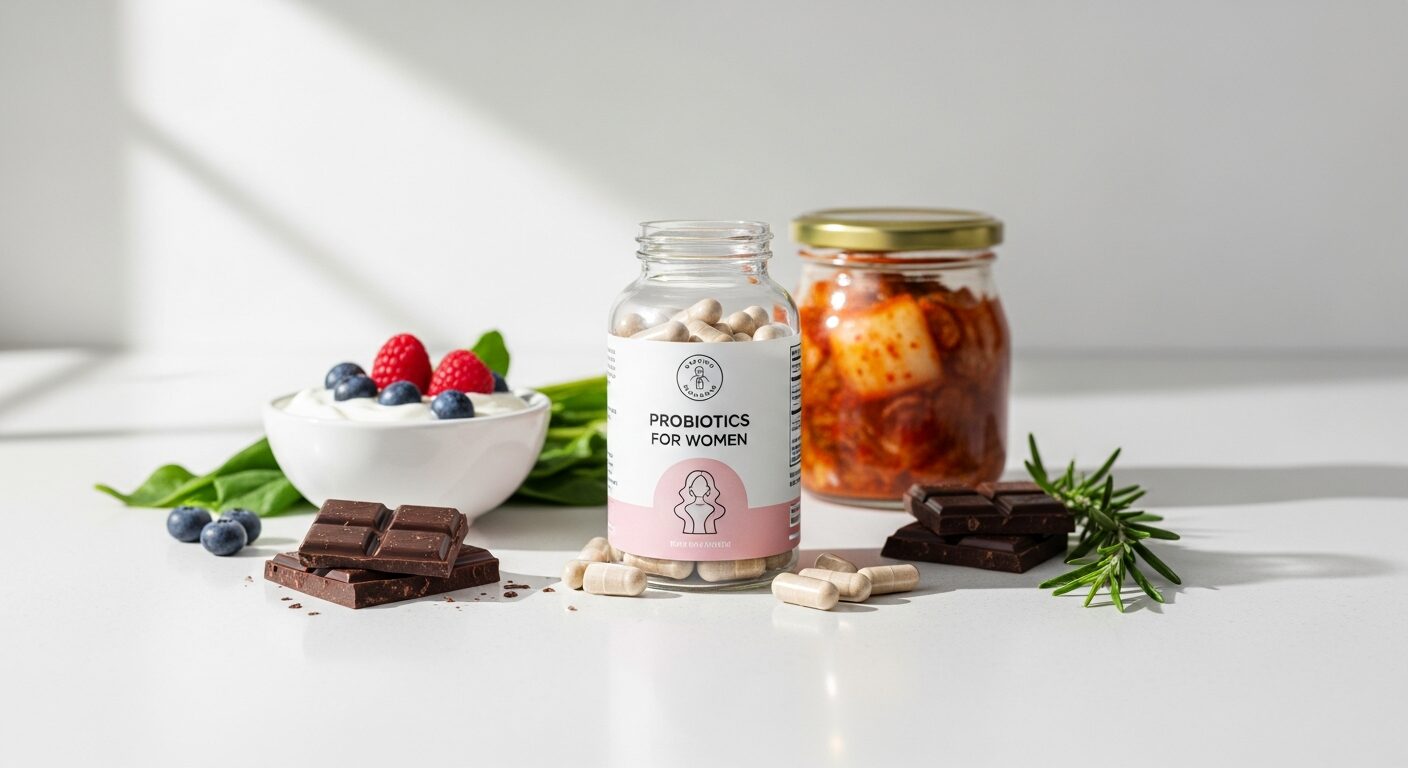
Women’s health is intricately connected to the delicate balance of microorganisms living throughout the body, particularly in the gut and urogenital tract. While the human microbiome contains trillions of bacteria that influence everything from digestion to immune function, modern lifestyles, antibiotic use, and dietary choices can disrupt this crucial ecosystem. This disruption often manifests differently in women due to unique physiological factors including hormonal fluctuations, pregnancy, and anatomical differences that make certain health issues more prevalent.
Probiotics have emerged as a targeted solution for supporting women’s health by restoring and maintaining beneficial bacterial populations. Unlike generic health supplements, probiotics offer strain-specific benefits that can address the unique challenges women face, from urinary tract infections and vaginal health issues to digestive concerns and immune system support. Understanding which probiotic strains provide the most significant benefits, and how to use them effectively, can be transformative for women seeking to optimize their health naturally.
The science behind probiotics for women’s health continues to evolve, revealing fascinating connections between bacterial balance and conditions ranging from mood disorders to skin health. As research deepens our understanding of the female microbiome, it becomes clear that a one-size-fits-all approach to probiotics is insufficient – women need targeted solutions based on solid scientific evidence.
Contents
What Are Probiotics
Probiotics are live microorganisms that, when administered in adequate amounts, confer a health benefit on the host. These beneficial bacteria and yeasts work by colonizing various parts of the body, particularly the digestive tract and urogenital system, where they help maintain microbial balance and support normal physiological functions.
The most common probiotic strains belong to the Lactobacillus and Bifidobacterium genera, though other beneficial organisms like Saccharomyces boulardii (a yeast) also provide therapeutic benefits. Each strain has unique characteristics and mechanisms of action, which is why specific strains are researched for particular health conditions rather than probiotics being treated as a single entity.
For women specifically, certain probiotic strains have evolved alongside the female reproductive system and are naturally present in healthy vaginal and urinary tract environments. These organisms produce lactic acid, hydrogen peroxide, and bacteriocins that create an acidic environment hostile to pathogenic bacteria while supporting beneficial flora. When this delicate ecosystem becomes imbalanced due to factors like stress, medications, or dietary changes, targeted probiotic supplementation can help restore optimal microbial communities.
Key Benefits of Probiotics for Women
Scientific research has identified several significant benefits of probiotics specifically for women’s health. Vaginal health represents one of the most well-documented applications, with strains like Lactobacillus rhamnosus GR-1 and Lactobacillus reuteri RC-14 showing remarkable effectiveness in preventing and treating bacterial vaginosis and yeast infections. These conditions affect millions of women annually and often recur despite conventional treatments.
Urinary tract health is another critical area where probiotics demonstrate substantial benefits. The same Lactobacillus strains that support vaginal health also help prevent urinary tract infections by preventing pathogenic bacteria from adhering to urinary tract walls and by maintaining appropriate pH levels. Studies show that women taking specific probiotic strains experience significantly fewer UTI recurrences compared to those receiving standard care alone.
Digestive health benefits include improved regularity, reduced bloating, and enhanced nutrient absorption – issues that disproportionately affect women. Hormonal fluctuations throughout the menstrual cycle can impact digestive function, making probiotic support particularly valuable. Additionally, the gut-brain axis connection means that digestive health directly influences mood and cognitive function, areas where women often seek natural support options.
Immune system modulation represents another significant benefit, as approximately 70% of immune tissue is located in the gut. Probiotics help train the immune system to respond appropriately to threats while avoiding overreaction that can lead to allergies or autoimmune conditions. This immune support is particularly important during pregnancy, menopause, and other times of hormonal transition when immune function may be compromised.
What Most People Get Wrong About Probiotics
One of the most persistent misconceptions is that all probiotics are essentially the same and that any probiotic supplement will provide universal health benefits. This couldn’t be further from the truth. Probiotic effects are highly strain-specific, meaning that Lactobacillus rhamnosus GG and Lactobacillus rhamnosus GR-1, while closely related, have completely different research profiles and therapeutic applications. Taking a random probiotic blend without understanding strain-specific benefits is like taking random medications and hoping for the best outcome.
Another widespread myth is that probiotics need to be refrigerated to be effective, leading many women to avoid convenient shelf-stable options. While some probiotic strains are fragile and require cold storage, advanced manufacturing techniques have created stable formulations that maintain potency at room temperature. The key factor isn’t temperature storage but rather the specific strains used and the quality of the manufacturing process, including proper encapsulation and moisture control.
Many people also believe that probiotics work immediately, similar to conventional medications, and discontinue use when they don’t see instant results. Clinical research demonstrates that meaningful microbiome changes typically require 2-4 weeks of consistent probiotic use, with some benefits continuing to improve over several months. The microbiome is a complex ecosystem that requires time to rebalance, and expecting overnight transformation sets unrealistic expectations that lead to premature discontinuation of potentially beneficial interventions.
Perhaps the most dangerous misconception is that probiotics are harmless for everyone and can be taken without consideration of individual health status. While generally safe for healthy individuals, probiotics can cause serious complications in immunocompromised individuals, those with severe underlying illnesses, or people with certain medical devices like central venous catheters. Additionally, some individuals with small intestinal bacterial overgrowth (SIBO) may experience symptom worsening with certain probiotic strains, highlighting the importance of individualized approaches to supplementation.
What Happens to Your Body After 30 Days of Taking Probiotics
Week 1 represents an adjustment period where your body begins responding to the introduction of beneficial bacteria. During this initial phase, some women experience mild digestive changes such as increased gas, bloating, or altered bowel movements as the gut microbiome starts shifting. These temporary effects, often called “die-off” reactions, occur as beneficial bacteria begin competing with less favorable organisms for resources and attachment sites along the intestinal wall.
Week 2 typically brings noticeable improvements in digestive comfort and regularity. Research shows that beneficial bacteria begin establishing stable populations during this timeframe, leading to improved digestion, reduced bloating, and more consistent bowel movements. Women often report feeling less sluggish after meals and experiencing improved energy levels as nutrient absorption optimizes and inflammatory processes begin calming.
Weeks 3-4 reveal the full spectrum of probiotic benefits as bacterial populations reach therapeutic levels and begin producing significant amounts of beneficial compounds. Short-chain fatty acids, vitamins, and other metabolites produced by established probiotic bacteria start impacting systemic health. Women frequently notice improvements in skin clarity, mood stability, and immune resilience during this period. For those using probiotics for specific conditions like vaginal health or UTI prevention, protective effects typically become evident during this timeframe.
Beyond 30 days, continued use maintains and often enhances these benefits, with some studies showing progressive improvements in certain health markers over 3-6 months of consistent supplementation. The key insight is that probiotics work cumulatively – the longer beneficial bacteria remain established, the more comprehensive their positive effects become on overall health and wellbeing.
Who Should NOT Take Probiotics
Immunocompromised individuals face the highest risk from probiotic supplementation, as their weakened immune systems may be unable to control even beneficial bacteria if they translocate from the intestinal tract into systemic circulation. This includes people receiving chemotherapy, organ transplant recipients taking immunosuppressive medications, individuals with HIV/AIDS, and those with primary immunodeficiency disorders. Several case reports document serious infections, including sepsis, in immunocompromised patients taking probiotics.
People with severe acute pancreatitis should avoid probiotics, as landmark research revealed increased mortality rates in this population when given certain probiotic formulations. The mechanisms behind this adverse effect aren’t fully understood, but the consistent finding across studies makes probiotic avoidance essential for anyone with acute pancreatic inflammation.
Individuals with compromised intestinal barrier function, such as those with severe inflammatory bowel disease during active flares, may experience bacterial translocation that can lead to serious complications. Similarly, people with central venous catheters, cardiac valve abnormalities, or recent major surgeries face increased risks of systemic infection if probiotic bacteria enter the bloodstream.
Pregnant and breastfeeding women should exercise caution with probiotics, not because they’re necessarily dangerous, but because safety data in these populations is limited for many strains. While some probiotics have established safety profiles during pregnancy, it’s essential to consult healthcare providers before starting any supplementation during these critical periods. Women with gestational diabetes or other pregnancy complications require particularly careful evaluation before probiotic use.
Dosage and Best Forms
Effective probiotic dosing is measured in colony-forming units (CFUs), with therapeutic doses for women typically ranging from 1 billion to 50 billion CFUs daily, depending on the specific strains and intended health outcomes. For general digestive health maintenance, 10-20 billion CFUs daily is often sufficient, while therapeutic applications for conditions like bacterial vaginosis may require higher doses of specific strains.
Capsules represent the most popular and convenient delivery method, offering precise dosing and protection from stomach acid when properly enteric-coated. However, some women prefer powder forms that can be mixed into foods or beverages, particularly those who have difficulty swallowing pills or want to customize their dosing. Liquid probiotics provide immediate availability but often have shorter shelf lives and may contain additional ingredients that some individuals prefer to avoid.
Timing matters significantly for optimal probiotic effectiveness. Taking probiotics on an empty stomach ensures faster transit through the acidic gastric environment, while taking them with meals containing some fat can enhance survival of certain strains. For women using probiotics for vaginal health, some formulations are designed for vaginal application rather than oral consumption, providing direct colonization of the target area.
Quality considerations include third-party testing for strain identity and potency, proper packaging to maintain stability, and clear labeling of specific strains rather than just generic names like “Lactobacillus acidophilus.” Look for manufacturers that provide strain-specific research and guarantee potency through the expiration date, not just at the time of manufacture.
🌿 Looking for Probiotics Supplements?
Browse top-rated Probiotics supplements, independently tested and recommended by our editorial team.
Affiliate disclosure: We may earn a small commission at no extra cost to you.
Frequently Asked Questions
Can I take probiotics with antibiotics?
Yes, but timing is crucial for optimal benefits. Take probiotics at least 2-3 hours away from antibiotic doses to prevent the antibiotic from killing the beneficial bacteria. Studies show that taking probiotics during and after antibiotic treatment can significantly reduce the risk of antibiotic-associated diarrhea and help restore healthy microbiome balance more quickly. Continue probiotics for several weeks after completing the antibiotic course to fully replenish beneficial bacteria populations.
How long should I take probiotics?
The duration depends on your specific health goals and individual response. For acute conditions like antibiotic-associated digestive upset, 2-4 weeks may be sufficient. For chronic conditions or ongoing prevention of issues like UTIs or vaginal infections, long-term use is often beneficial and safe. Many women find that consistent daily use provides the best results, as probiotic bacteria don’t permanently colonize the gut and need regular replenishment to maintain therapeutic levels.
Do probiotics help with weight management?
Emerging research suggests certain probiotic strains may support healthy weight management by improving metabolism, reducing inflammation, and influencing hormones that control hunger and satiety. However, probiotics aren’t magic weight-loss pills and work best as part of a comprehensive approach including proper nutrition and regular physical activity. Some strains show more promise than others, with Lactobacillus gasseri and certain Bifidobacterium strains showing modest but consistent effects in clinical trials.
Can probiotics cause side effects?
Most women tolerate probiotics well, but some experience mild digestive symptoms like gas, bloating, or changes in bowel movements during the first few days of use. These effects typically resolve as your system adjusts. Rarely, individuals may experience allergic reactions to ingredients in probiotic supplements. If you experience persistent discomfort, unusual symptoms, or signs of infection, discontinue use and consult your healthcare provider.
Should I take probiotics if I eat yogurt regularly?
While yogurt provides some beneficial bacteria, the strains and quantities in yogurt are generally insufficient for therapeutic effects. Most commercial yogurts contain only basic strains like Lactobacillus bulgaricus and Streptococcus thermophilus, which are used for fermentation but don’t provide the specific health benefits associated with clinically researched probiotic strains. Additionally, the bacterial counts in yogurt are typically much lower than therapeutic doses found in quality probiotic supplements.
Medical Disclaimer
This article is for educational and informational purposes only and does not constitute medical advice. The information provided should not be used for diagnosing or treating any health condition or disease. Always consult with qualified healthcare professionals before starting any new supplement regimen, especially if you have existing health conditions, are taking medications, or are pregnant or breastfeeding. Individual responses to probiotics can vary significantly, and what works for one person may not be appropriate for another. Never discontinue prescribed medications or delay seeking professional medical care based on information in this article.