
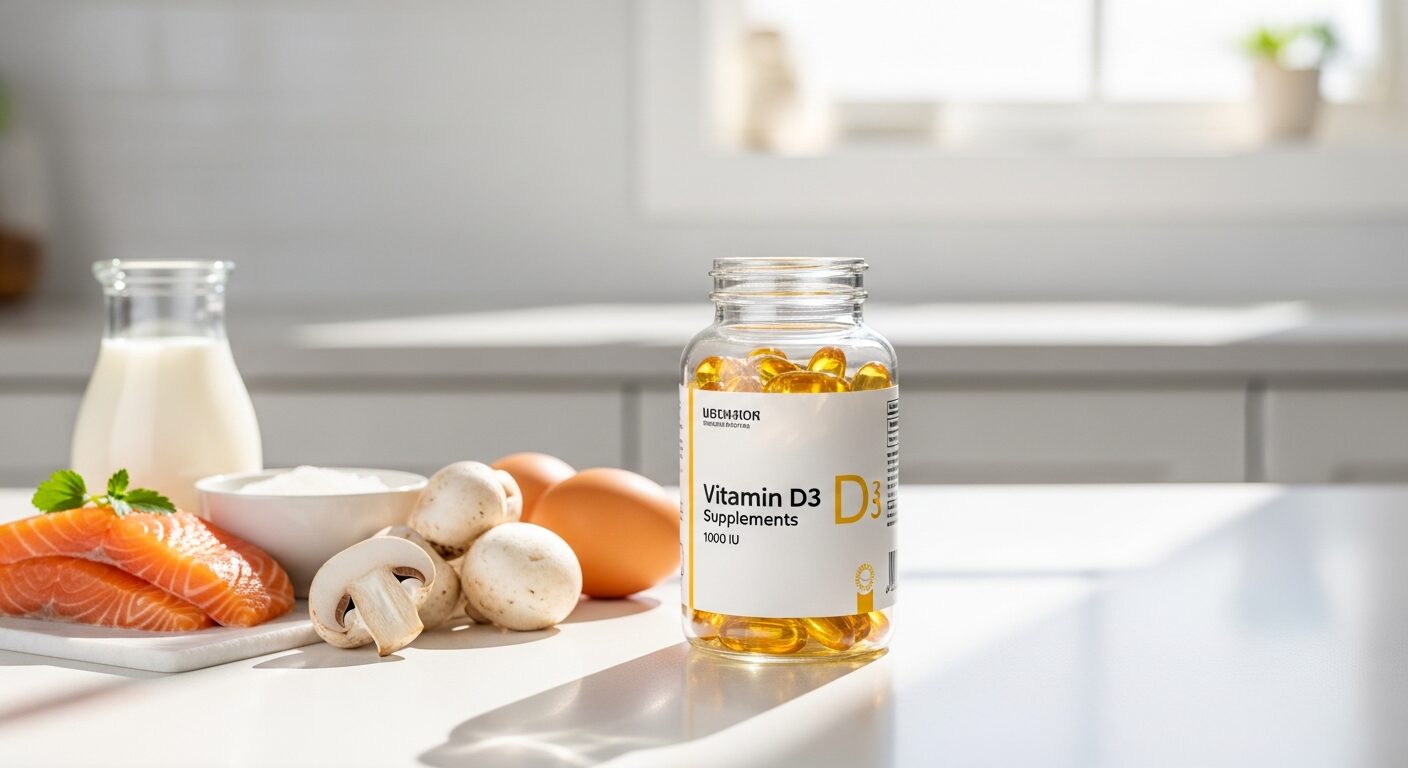
Depression affects millions of people worldwide, and researchers continue to explore various treatment approaches beyond traditional medication and therapy. One area gaining significant attention is the relationship between vitamin D levels and mental health. Often called the “sunshine vitamin,” vitamin D has emerged as a potential player in mood regulation and depression management.
While vitamin D is best known for its role in bone health and immune function, growing evidence suggests it may also influence brain chemistry and emotional well-being. This connection has sparked interest among healthcare providers and patients alike, leading to increased research into whether vitamin D supplementation could serve as a complementary approach to depression treatment.
Contents
- 1 Understanding Vitamin D and Its Functions
- 2 The Science Behind Vitamin D and Depression
- 3 Mechanisms of Action
- 4 Vitamin D Deficiency and Risk Factors
- 5 Current Research and Future Directions
- 6 Practical Considerations
- 7 FAQ
- 7.1 How long does it take for vitamin D supplementation to improve depression symptoms?
- 7.2 Can I get enough vitamin D from sunlight alone to help with depression?
- 7.3 What’s the difference between vitamin D2 and D3 for depression?
- 7.4 Should I stop my antidepressant medication if I start taking vitamin D?
- 7.5 Are there any medications that interact with vitamin D supplements?
- 7.6 🌿 Looking for Vitamin D Supplements?
- 8 Medical Disclaimer
Understanding Vitamin D and Its Functions
Vitamin D is a fat-soluble vitamin that functions more like a hormone in the body. Unlike most vitamins that must be obtained from food, vitamin D can be synthesized by the skin when exposed to ultraviolet B (UVB) radiation from sunlight. This unique characteristic makes it particularly susceptible to deficiency in people with limited sun exposure.
Once in the body, vitamin D undergoes two conversion processes. First, it’s converted to 25-hydroxyvitamin D [25(OH)D] in the liver, which is the form measured in blood tests to assess vitamin D status. Then, it’s converted to the active hormone calcitriol [1,25(OH)2D] primarily in the kidneys, though many tissues throughout the body can perform this conversion locally.
Vitamin D Receptors in the Brain
What makes vitamin D particularly interesting for mental health research is the presence of vitamin D receptors (VDRs) throughout the brain. These receptors are found in areas crucial for mood regulation, including the hippocampus, amygdala, and prefrontal cortex. Additionally, the enzyme that converts vitamin D to its active form is also present in brain tissue, suggesting that the brain can produce and utilize vitamin D locally.
This widespread distribution of vitamin D receptors and converting enzymes in the brain indicates that vitamin D likely plays important roles in brain function beyond what researchers initially understood.
The Science Behind Vitamin D and Depression
The relationship between vitamin D and depression has been studied through multiple approaches, including observational studies, clinical trials, and mechanistic research. The evidence suggests several potential pathways through which vitamin D might influence mood and mental health.
Observational Studies
Numerous observational studies have found associations between low vitamin D levels and increased rates of depression. People with vitamin D deficiency appear to have higher risks of developing depressive symptoms, and those with existing depression often have lower vitamin D levels compared to healthy individuals.
Seasonal patterns also support this connection. Seasonal Affective Disorder (SAD), a type of depression that occurs during winter months when sunlight exposure is limited, coincides with the time when vitamin D levels typically reach their lowest point in many populations.
Clinical Trial Evidence
Clinical trials examining vitamin D supplementation for depression have produced mixed but increasingly promising results. Menon et al., 2020 conducted a systematic review and meta-analysis that found vitamin D supplementation was associated with significant improvements in depression scores compared to placebo, particularly in individuals with clinically significant depression.
The effectiveness appears to depend on several factors, including the participant’s baseline vitamin D status, the dose used, and the severity of depressive symptoms. Studies using higher doses of vitamin D (typically 2000-4000 IU daily) and focusing on individuals with lower baseline vitamin D levels tend to show more promising results.
Mechanisms of Action
Researchers have identified several biological mechanisms that could explain how vitamin D influences mood and depression risk.
Neurotransmitter Regulation
Vitamin D appears to influence the production and regulation of key neurotransmitters involved in mood, including serotonin, dopamine, and norepinephrine. The active form of vitamin D can regulate the expression of genes involved in neurotransmitter synthesis and may help maintain optimal levels of these mood-regulating chemicals.
Inflammation and Immune Function
Depression is increasingly recognized as having inflammatory components, with elevated levels of inflammatory markers found in many individuals with depression. Vitamin D has well-established anti-inflammatory properties and helps regulate immune system function. By reducing chronic inflammation, vitamin D supplementation might help alleviate some of the biological contributors to depression.
Neuroprotection and Brain Development
Vitamin D supports various aspects of brain health, including neuroplasticity, neuroprotection, and the regulation of calcium levels in neurons. These functions are crucial for maintaining healthy brain structure and function, which directly impacts mental health and mood regulation.
Vitamin D Deficiency and Risk Factors
Understanding who is at risk for vitamin D deficiency is important when considering its role in depression. Several factors can contribute to inadequate vitamin D levels.
Geographic and Seasonal Factors
People living at higher latitudes, where winter sunlight is insufficient for vitamin D synthesis, are at increased risk. Similarly, individuals who spend most of their time indoors or consistently use sunscreen may not produce adequate vitamin D through sun exposure.
Demographic and Health Factors
Older adults, individuals with darker skin pigmentation, people with obesity, and those with certain medical conditions affecting fat absorption are at higher risk for vitamin D deficiency. These same populations also show varying rates of depression, which adds another layer to the potential relationship.
Current Research and Future Directions
Recent research continues to refine our understanding of the vitamin D-depression connection. Vellekkatt & Menon, 2019 highlighted the importance of considering individual factors such as genetic variations in vitamin D metabolism, baseline vitamin D status, and depression severity when evaluating the potential benefits of supplementation.
Future research directions include investigating optimal dosing strategies, identifying which populations might benefit most from vitamin D supplementation, and understanding how vitamin D therapy might best be integrated with other depression treatments.
Personalized Medicine Approaches
Emerging research suggests that genetic variations affecting vitamin D metabolism might influence both depression risk and response to vitamin D supplementation. Kjærgaard et al., 2012 found that vitamin D supplementation improved depression scores in a randomized controlled trial, particularly among participants with more severe symptoms at baseline.
This personalized approach to vitamin D supplementation could help identify individuals most likely to benefit from this intervention.
Practical Considerations
While the research is promising, several practical considerations are important when thinking about vitamin D for depression management.
Testing and Monitoring
Before starting vitamin D supplementation for depression, it’s advisable to test current vitamin D levels through a 25(OH)D blood test. This establishes a baseline and helps guide appropriate dosing. The optimal range for mental health benefits isn’t definitively established, but many experts suggest maintaining levels above 30 ng/mL (75 nmol/L).
Dosing and Safety
Most studies showing benefits for depression have used doses ranging from 1000-4000 IU daily. However, appropriate dosing varies based on individual factors including body weight, baseline vitamin D status, geographic location, and season. Higher doses may be needed initially to correct deficiency, followed by lower maintenance doses.
Vitamin D is generally safe, but very high doses can lead to toxicity. Regular monitoring is recommended, especially when using doses above 2000 IU daily long-term.
FAQ
How long does it take for vitamin D supplementation to improve depression symptoms?
Most studies showing benefits have lasted 8-16 weeks, with some participants noticing improvements within 4-6 weeks. However, it can take several months to fully correct vitamin D deficiency and see maximum benefits.
Can I get enough vitamin D from sunlight alone to help with depression?
Sun exposure can help, but factors like geographic location, season, skin pigmentation, and lifestyle make it difficult for many people to maintain optimal levels through sunlight alone, especially during winter months.
What’s the difference between vitamin D2 and D3 for depression?
Most research on depression has used vitamin D3 (cholecalciferol), which appears to be more effective at raising and maintaining blood levels compared to vitamin D2 (ergocalciferol).
Should I stop my antidepressant medication if I start taking vitamin D?
No, never stop prescribed medications without consulting your healthcare provider. Vitamin D should be considered a complementary approach, not a replacement for proven depression treatments.
Are there any medications that interact with vitamin D supplements?
Vitamin D can interact with certain medications including thiazide diuretics, steroids, and weight-loss drugs. Always inform your healthcare provider about all supplements you’re taking.
🌿 Looking for Vitamin D Supplements?
Browse top-rated Vitamin D supplements, independently tested and recommended by our editorial team.
Affiliate disclosure: We may earn a small commission at no extra cost to you.
Medical Disclaimer
This article is for informational purposes only and is not intended as medical advice. The information provided should not be used to diagnose or treat depression or any other medical condition. Depression is a serious medical condition that requires proper evaluation and treatment by qualified healthcare professionals. Always consult with your healthcare provider before starting any new supplement regimen, especially if you have depression, are taking medications, or have other health conditions. Individual responses to vitamin D supplementation may vary, and what works for one person may not work for another.