
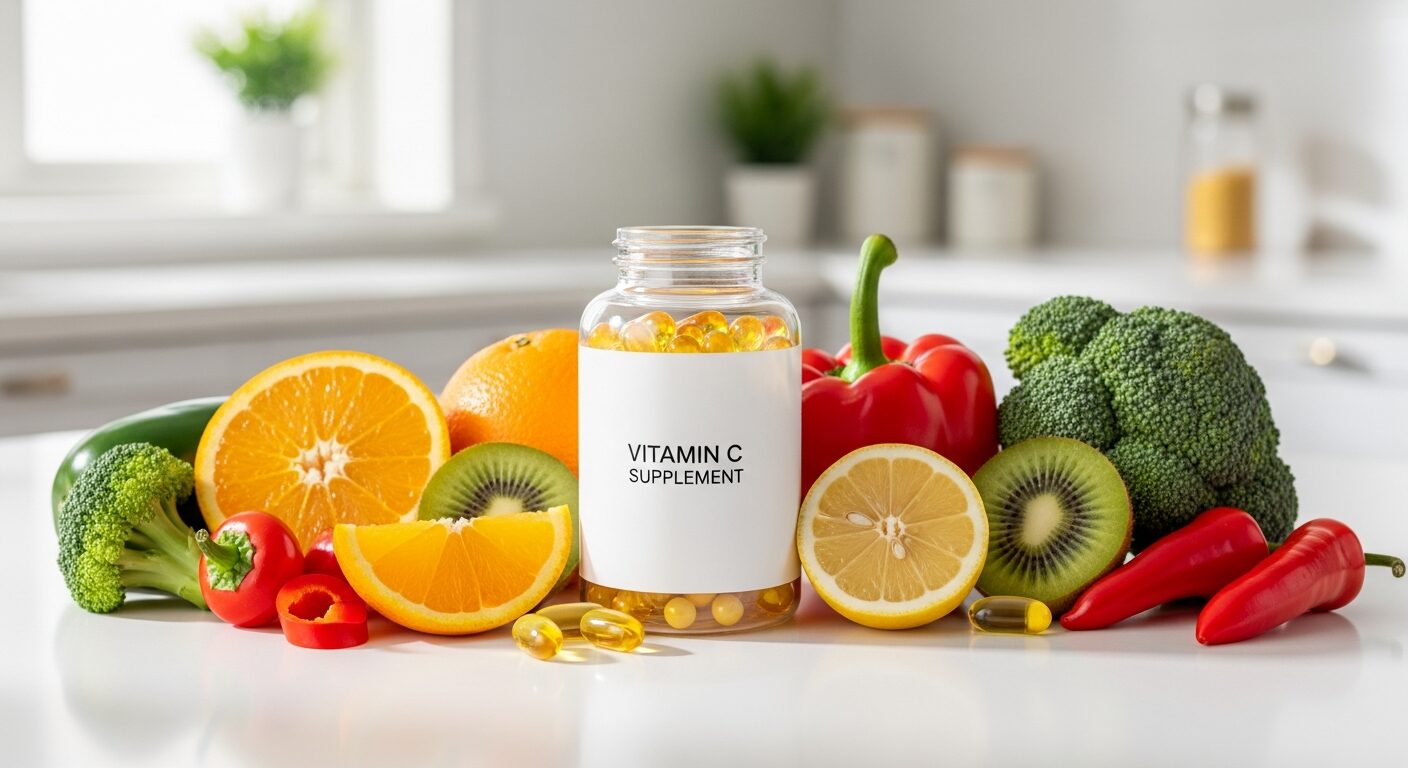
When it comes to essential vitamins for optimal health, vitamin C and vitamin E stand out as two of the most important antioxidants your body needs. While both play crucial roles in supporting immune function and protecting against cellular damage, they differ significantly in their properties, functions, and how your body uses them. Understanding these key differences can help you make informed decisions about your supplementation strategy and ensure you’re meeting your nutritional needs effectively.
Both vitamins are essential nutrients, meaning your body cannot produce them in sufficient quantities and must obtain them from food or supplements. However, their solubility, storage, absorption, and specific functions in the body vary considerably, making each uniquely valuable for different aspects of health.
Contents
What is Vitamin C?
Vitamin C, also known as ascorbic acid, is a water-soluble vitamin that serves as one of the body’s most powerful antioxidants. This essential nutrient plays a fundamental role in collagen synthesis, immune system support, and iron absorption. Because it’s water-soluble, vitamin C dissolves easily in water and other body fluids, allowing for rapid absorption but also quick elimination through urine.
The human body cannot synthesize vitamin C, unlike most other mammals, making dietary intake absolutely crucial. This vitamin is highly sensitive to heat, light, and air exposure, which means fresh consumption of vitamin C-rich foods or proper supplement storage is important for maintaining potency.
Primary Functions of Vitamin C
Vitamin C supports numerous biological processes, including the synthesis of collagen, which is essential for healthy skin, blood vessels, bones, and connective tissue. It also enhances the absorption of non-heme iron from plant-based foods, making it particularly important for individuals following vegetarian or vegan diets. Additionally, vitamin C supports neurotransmitter production and helps regenerate other antioxidants, including vitamin E.
What is Vitamin E?
Vitamin E is a fat-soluble vitamin that exists in eight different forms, with alpha-tocopherol being the most biologically active form in humans. As a powerful antioxidant, vitamin E primarily protects cell membranes from oxidative damage caused by free radicals. Unlike vitamin C, vitamin E can be stored in the body’s fatty tissues and liver for extended periods.
This vitamin is particularly important for protecting polyunsaturated fatty acids in cell membranes from lipid peroxidation, a process that can lead to cellular damage and inflammation. Vitamin E supplementation has been shown to reduce markers of oxidative stress in various populations, 2003.
Primary Functions of Vitamin E
Vitamin E’s main role involves protecting cellular structures, particularly cell membranes, from oxidative damage. It also supports immune function, helps prevent blood clots by acting as a natural anticoagulant, and plays a role in gene expression and cell signaling. The vitamin works synergistically with other antioxidants, including vitamin C, to provide comprehensive cellular protection.
Key Differences Between Vitamin C and Vitamin E
Solubility and Storage
The most fundamental difference between these vitamins lies in their solubility. Vitamin C is water-soluble, meaning it dissolves in water and is readily absorbed into the bloodstream. However, this also means that excess amounts are quickly eliminated through urine, requiring regular replenishment through diet or supplements. The body can only store small amounts of vitamin C, typically enough to last a few weeks.
Vitamin E, being fat-soluble, requires dietary fats for proper absorption and can be stored in fatty tissues and the liver for months or even years. This storage capability means that vitamin E deficiency develops more slowly than vitamin C deficiency, but it also means that excessive intake can lead to accumulation and potential toxicity.
Absorption and Bioavailability
Vitamin C absorption occurs primarily in the small intestine through active transport mechanisms. The absorption rate decreases as intake increases, with absorption efficiency dropping from about 90% at low doses to 50% or less at very high doses. This saturable absorption system helps prevent excessive accumulation but also means that frequent, smaller doses may be more effective than large, infrequent doses.
Vitamin E absorption requires the presence of dietary fats and bile acids. Approximately 20-80% of consumed vitamin E is absorbed, depending on individual factors and the presence of other nutrients. Once absorbed, vitamin E is incorporated into lipoproteins and transported to tissues where it can be stored or utilized.
Antioxidant Mechanisms
While both vitamins function as antioxidants, they work in different cellular compartments and through different mechanisms. Vitamin C primarily works in aqueous environments, such as blood plasma and the cytoplasm of cells. It directly scavenges water-soluble free radicals and can regenerate other antioxidants, including vitamin E, by donating electrons to neutralize their oxidized forms.
Vitamin E functions primarily in lipid environments, protecting cell membranes and lipoproteins from oxidative damage. Research has demonstrated that vitamin E and vitamin C work synergistically to provide enhanced antioxidant protection, 2004. When vitamin E neutralizes a free radical, it becomes oxidized itself but can be regenerated by vitamin C, creating an efficient antioxidant recycling system.
Food Sources and Dietary Recommendations
Vitamin C Sources
Excellent food sources of vitamin C include citrus fruits, strawberries, kiwi fruit, bell peppers, broccoli, Brussels sprouts, and leafy green vegetables. The recommended daily allowance (RDA) for adults is 90 mg for men and 75 mg for women, with higher needs for smokers and during periods of stress or illness.
Vitamin E Sources
Vitamin E is abundant in nuts and seeds, particularly almonds and sunflower seeds, vegetable oils, wheat germ, and leafy green vegetables. The RDA for adults is 15 mg of alpha-tocopherol daily. Because vitamin E is fat-soluble, consuming these foods with healthy fats can enhance absorption.
Deficiency and Toxicity Considerations
Vitamin C Deficiency and Excess
Vitamin C deficiency can develop within weeks to months of inadequate intake, leading to scurvy in severe cases. Early signs include fatigue, joint pain, and impaired wound healing. Because excess vitamin C is readily excreted, toxicity is rare but may cause digestive upset at very high doses (above 2000 mg daily).
Vitamin E Deficiency and Excess
Vitamin E deficiency is relatively rare in healthy individuals but can occur in people with fat malabsorption disorders. Symptoms may include muscle weakness, vision problems, and immune dysfunction. Studies have shown that vitamin E deficiency can lead to increased oxidative stress and cellular damage, 2005. Because vitamin E is stored in the body, excessive supplementation can potentially cause bleeding disorders by interfering with vitamin K function.
Supplementation Strategies
When considering supplementation, the different properties of these vitamins suggest different approaches. Vitamin C supplements are best taken in divided doses throughout the day to maintain optimal blood levels, while vitamin E supplements should be taken with meals containing healthy fats to enhance absorption.
Many people benefit from taking both vitamins together, as they work synergistically to provide comprehensive antioxidant protection. However, individual needs vary based on diet, lifestyle, health status, and specific health goals.
🌿 Looking for Vitamin C Supplements?
Browse top-rated Vitamin C supplements, independently tested and recommended by our editorial team.
Affiliate disclosure: We may earn a small commission at no extra cost to you.
Frequently Asked Questions
Can I take vitamin C and vitamin E together?
Yes, vitamin C and vitamin E work synergistically and can safely be taken together. In fact, vitamin C helps regenerate vitamin E after it has neutralized free radicals, making their combined use potentially more effective than taking either vitamin alone.
Which vitamin is more important for immune function?
Both vitamins support immune function, but vitamin C is generally considered more directly involved in immune system processes. It supports various immune cell functions and is rapidly depleted during infections, while vitamin E provides more general antioxidant support for immune cells.
How do I know if I’m getting enough of each vitamin?
A balanced diet rich in fruits, vegetables, nuts, and seeds typically provides adequate amounts of both vitamins for most people. However, factors like stress, smoking, illness, or dietary restrictions may increase needs. Blood tests can assess vitamin levels if deficiency is suspected.
Are there any medications that interact with these vitamins?
Vitamin E can enhance the effects of blood-thinning medications, so individuals taking anticoagulants should consult their healthcare provider before supplementing. Vitamin C is generally safe with most medications but may affect the absorption of certain drugs when taken simultaneously.
What’s the best time of day to take these supplements?
Vitamin C can be taken at any time but is often better tolerated with food and may be more effective when split into multiple doses throughout the day. Vitamin E should be taken with a meal containing healthy fats for optimal absorption, and timing is less critical due to its storage in body tissues.
Medical Disclaimer
This article is for informational purposes only and should not be considered medical advice. Always consult with a qualified healthcare professional before starting any new supplement regimen, especially if you have existing health conditions, take medications, or are pregnant or nursing. Individual nutritional needs vary, and what works for one person may not be appropriate for another. The information provided here is based on current scientific understanding, which may evolve as new research emerges.