
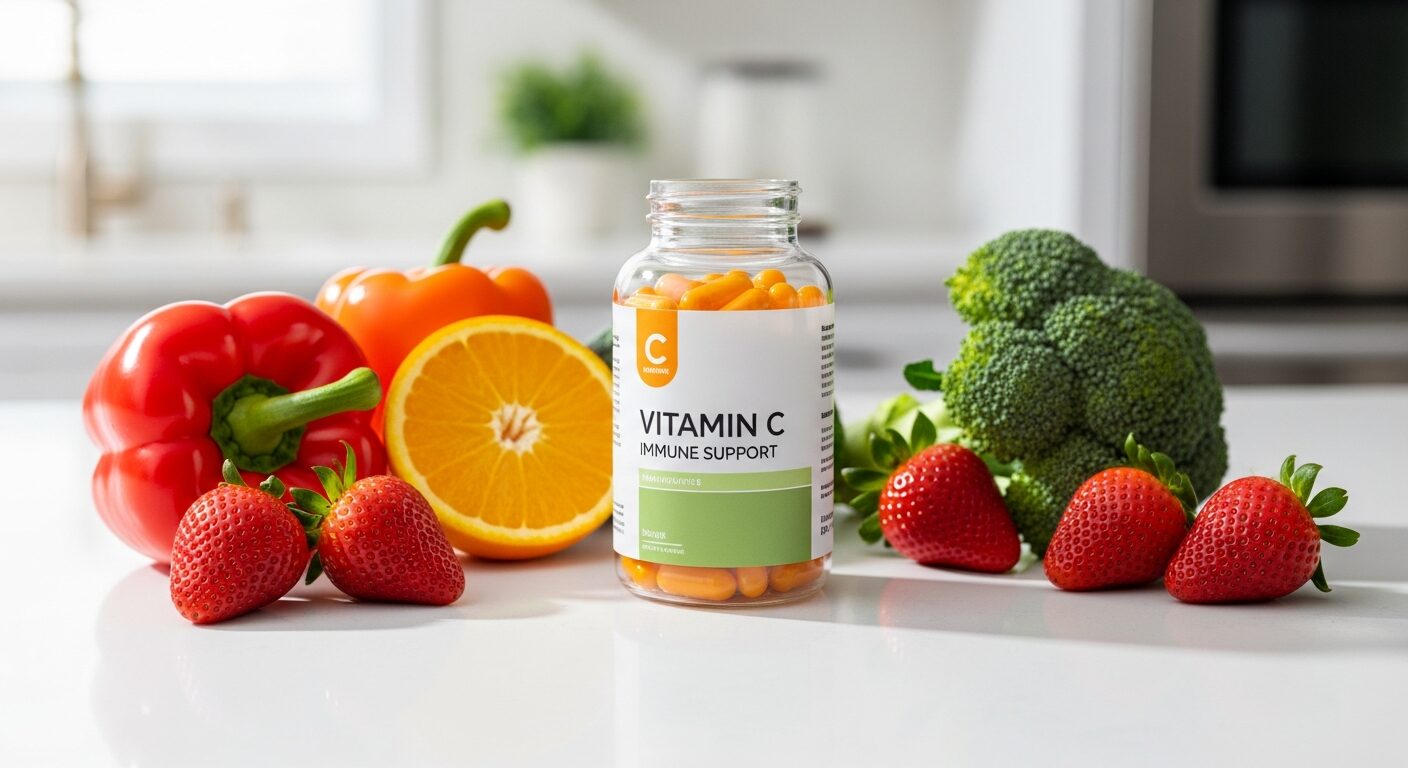
Vitamin C has long been celebrated as one of the most important nutrients for supporting immune function. From preventing scurvy in sailors centuries ago to modern research on cold prevention, this essential vitamin continues to capture scientific attention. But what does current research actually tell us about vitamin C’s role in immune health? Let’s examine the evidence to separate fact from fiction.
Contents
The Science Behind Vitamin C and Immunity
Vitamin C, also known as ascorbic acid, is a water-soluble vitamin that plays crucial roles in immune system function. Unlike many animals, humans cannot produce vitamin C internally, making dietary intake or supplementation essential for maintaining adequate levels.
At the cellular level, vitamin C supports immune function through several mechanisms. It acts as a powerful antioxidant, protecting immune cells from oxidative damage during the inflammatory response. The vitamin also supports the production and function of white blood cells, particularly neutrophils, lymphocytes, and phagocytes, which are critical components of our body’s defense system.
Cellular Immune Support
Research shows that vitamin C accumulates in immune cells at concentrations much higher than in plasma, suggesting these cells have a particular need for this nutrient. During infection or immune stress, vitamin C levels in these cells can drop rapidly, indicating increased utilization during immune responses.
The vitamin supports the epithelial barrier function against pathogens by promoting collagen synthesis, which helps maintain the integrity of skin and mucous membranes—our first line of defense against infections. Additionally, vitamin C enhances the ability of immune cells to move toward sites of infection, a process called chemotaxis.
What Major Studies Reveal
Several large-scale studies and meta-analyses have examined vitamin C’s impact on immune function, particularly its ability to prevent and treat common respiratory infections.
Cold Prevention Research
One of the most comprehensive examinations of vitamin C and immune function comes from Vitamin C for preventing and treating the common cold, 2013. This Cochrane review analyzed 29 trials involving over 11,000 participants and found that regular vitamin C supplementation reduced the duration of colds by 8% in adults and 14% in children.
Interestingly, the study revealed that vitamin C supplementation was most effective in people exposed to extreme physical stress, such as marathon runners and skiers. In these populations, vitamin C reduced cold incidence by approximately 50%. However, in the general population, regular supplementation showed minimal impact on cold prevention.
Immune Function in Special Populations
Research has also focused on vitamin C’s immune benefits in specific groups. Studies involving elderly individuals, who often have compromised immune systems, have shown more pronounced benefits from vitamin C supplementation. The age-related decline in immune function, known as immunosenescence, appears to be partially mitigated by adequate vitamin C intake.
Athletes and individuals under physical stress also demonstrate enhanced immune benefits from vitamin C supplementation. This may be due to increased oxidative stress during intense physical activity, which depletes vitamin C stores more rapidly.
Dosage and Bioavailability
Understanding the optimal dosage for immune support requires considering how the body absorbs and utilizes vitamin C. The recommended daily allowance (RDA) for vitamin C is 90mg for men and 75mg for women, but these amounts are designed to prevent deficiency rather than optimize immune function.
Absorption Patterns
Vitamin C absorption follows a saturable pattern, meaning the percentage absorbed decreases as dosage increases. At doses of 200mg or less, absorption is nearly complete. However, at 1000mg, absorption drops to approximately 50%, and at higher doses, the percentage continues to decline.
This absorption pattern suggests that divided doses throughout the day may be more effective than single large doses for maintaining optimal blood levels. The body’s total vitamin C pool is estimated at 1500-3000mg, and this pool turns over relatively quickly, supporting the rationale for regular intake.
Factors Affecting Requirements
Several factors can increase vitamin C requirements for optimal immune function. Smoking significantly depletes vitamin C levels, with smokers requiring an additional 35mg daily according to health authorities. Stress, both physical and psychological, can also increase vitamin C needs.
Illness itself increases vitamin C requirements, as immune cells consume more of the vitamin during infection. This creates a potential cycle where illness depletes vitamin C stores precisely when the immune system needs them most.
Safety and Interactions
Vitamin C is generally considered safe, even at relatively high doses, due to its water-soluble nature. Excess amounts are typically excreted in urine rather than stored in body tissues. However, very high doses can cause gastrointestinal upset, including nausea, diarrhea, and stomach cramps.
Potential Concerns
The tolerable upper intake level for vitamin C is set at 2000mg daily for adults. Above this level, the risk of adverse effects increases. Individuals with certain health conditions, such as kidney stones or iron overload disorders, should be particularly cautious with high-dose vitamin C supplementation.
Some research suggests that mega-doses of vitamin C might actually impair certain aspects of immune function by interfering with the body’s natural oxidative processes that help eliminate pathogens. Vitamin C and immune function, 2007 discusses how balance is crucial—both deficiency and excess can compromise immune responses.
Natural Sources vs. Supplementation
While supplements provide a convenient way to ensure adequate vitamin C intake, whole food sources offer additional benefits. Fruits and vegetables contain not only vitamin C but also other compounds that may enhance its absorption and effectiveness.
Food Sources and Synergistic Effects
Excellent sources of vitamin C include citrus fruits, berries, kiwi, bell peppers, broccoli, and leafy greens. These foods also provide flavonoids, which can enhance vitamin C’s antioxidant effects and may have independent immune-supporting properties.
The synergistic effects of nutrients in whole foods suggest that a balanced diet rich in fruits and vegetables may provide immune benefits beyond what isolated vitamin C supplementation can offer. However, supplementation can be valuable for individuals who struggle to meet their needs through diet alone.
Current Research Directions
Recent research has expanded beyond vitamin C’s role in cold prevention to examine its broader immune functions. Vitamin C and Immune Function, 2017 explores how vitamin C influences various aspects of both innate and adaptive immunity, including its role in supporting T-cell function and antibody production.
Emerging research is also investigating vitamin C’s potential role in supporting immune function during more serious infections and its interaction with other immune-supporting nutrients. The concept of nutritional immunology—using specific nutrients to optimize immune function—continues to evolve as our understanding deepens.
🌿 Looking for Vitamin C Supplements?
Browse top-rated Vitamin C supplements, independently tested and recommended by our editorial team.
Affiliate disclosure: We may earn a small commission at no extra cost to you.
Frequently Asked Questions
How much vitamin C should I take daily for immune support?
For general immune support, 200-500mg daily appears optimal for most adults. This amount ensures tissue saturation while minimizing waste through urinary excretion. During illness or stress, temporary increases up to 1000mg daily may be beneficial, but consult healthcare providers for personalized recommendations.
Is it better to take vitamin C supplements or get it from food?
Both approaches have merit. Whole foods provide vitamin C along with complementary nutrients that may enhance its effectiveness. However, supplements can help ensure consistent intake and may be necessary for therapeutic doses. A combination approach—emphasizing food sources while supplementing as needed—often works best.
Can vitamin C prevent colds completely?
For most people, vitamin C supplementation doesn’t prevent colds but may reduce their duration and severity. The exception is people under extreme physical stress, where vitamin C can reduce cold incidence by about 50%. Prevention benefits are most pronounced in athletes and those in harsh environments.
Are there any risks to taking high-dose vitamin C?
Vitamin C is generally safe, but doses above 2000mg daily can cause digestive upset. People with kidney stones, iron overload disorders, or G6PD deficiency should exercise caution. Very high doses might also interfere with certain medical tests, so inform healthcare providers about supplementation.
When is the best time to take vitamin C supplements?
Vitamin C can be taken any time, but dividing doses throughout the day maximizes absorption. Taking it with meals may reduce stomach upset. During illness, more frequent dosing (every 6-8 hours) may help maintain higher blood levels when immune demands are increased.
Medical Disclaimer
This article is for informational purposes only and does not constitute medical advice. The information provided should not be used for diagnosing or treating health problems or diseases. Always consult with a qualified healthcare provider before making changes to your supplement regimen, especially if you have existing health conditions, take medications, or are pregnant or nursing. Individual nutritional needs vary, and what works for one person may not be appropriate for another.