
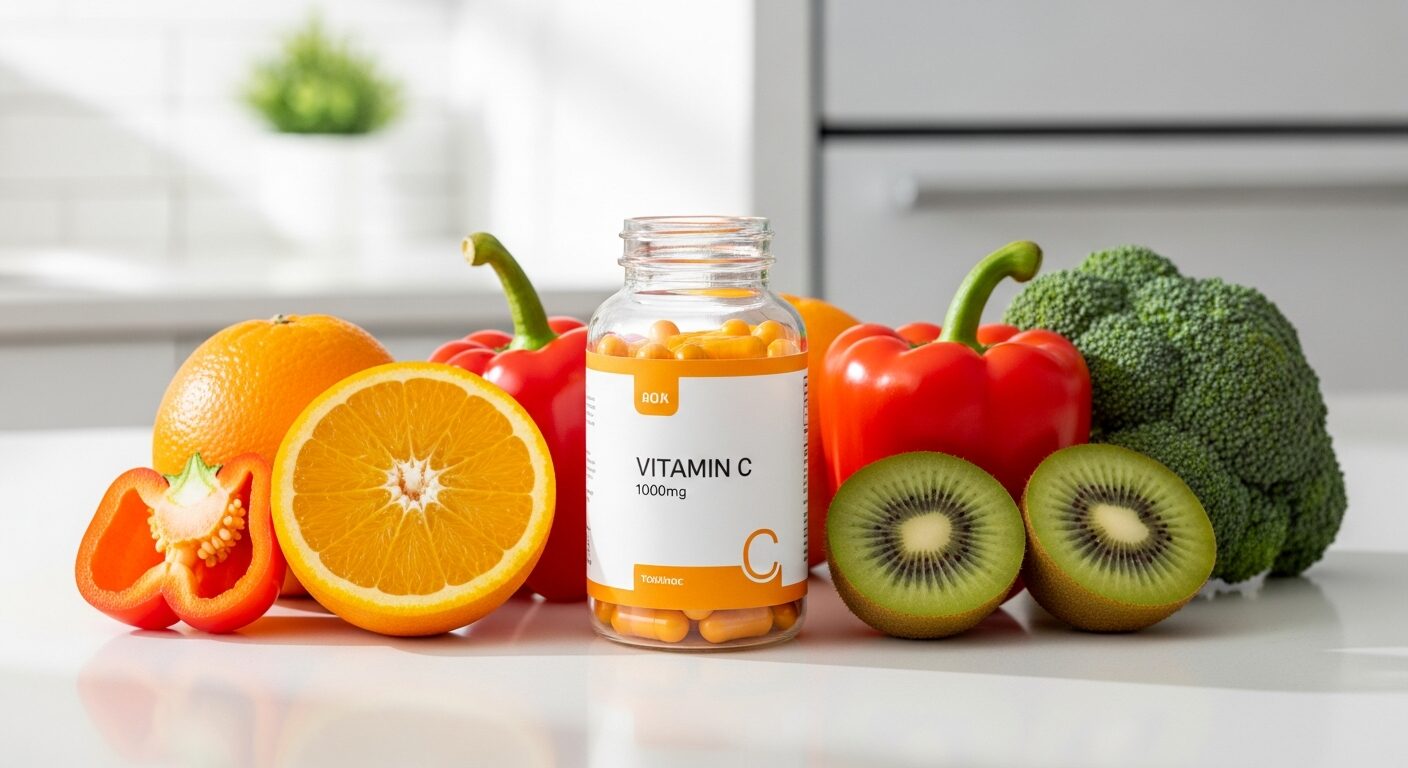
Vitamin C, also known as ascorbic acid, is one of the most essential nutrients your body needs to function properly. Unlike many animals, humans cannot produce vitamin C naturally, making it crucial to obtain this vital nutrient through diet or supplementation. When your body doesn’t receive adequate amounts of vitamin C, deficiency can develop, leading to a range of symptoms that can significantly impact your health and quality of life.
Understanding the signs and symptoms of vitamin C deficiency is important for maintaining optimal health. While severe deficiency leading to scurvy is rare in developed countries today, mild to moderate deficiencies are more common than many people realize and can cause subtle but important health issues.
Contents
Understanding Vitamin C and Its Role in the Body
Vitamin C serves multiple critical functions in your body. It acts as a powerful antioxidant, protecting cells from damage caused by free radicals. This water-soluble vitamin is essential for collagen synthesis, which is crucial for healthy skin, blood vessels, bones, and connective tissue. Additionally, vitamin C enhances iron absorption, supports immune function, and plays a vital role in wound healing.
The recommended daily allowance (RDA) for vitamin C varies by age and gender. Adult men need approximately 90 milligrams per day, while adult women require about 75 milligrams daily. Pregnant and breastfeeding women, smokers, and individuals under stress may need higher amounts.
Early Signs of Vitamin C Deficiency
Fatigue and Weakness
One of the earliest and most common signs of vitamin C deficiency is persistent fatigue and general weakness. This occurs because vitamin C plays a crucial role in energy metabolism and the synthesis of carnitine, a compound that helps convert fat into energy. When vitamin C levels are low, your body’s ability to produce energy efficiently becomes compromised.
Skin Changes
Your skin often provides the first visible clues of vitamin C deficiency. You may notice rough, dry, or scaly skin texture, particularly on your arms, thighs, or buttocks. This happens because vitamin C is essential for collagen production, and without adequate levels, your skin loses its smoothness and elasticity. Some people also develop small, red bumps around hair follicles, known as follicular hyperkeratosis.
Mood Changes and Irritability
Vitamin C deficiency can significantly impact your mental state. Many people experience increased irritability, mood swings, and general feelings of depression or anxiety. Vitamin C and Mental Health: A Systematic Review, 2013 has shown connections between adequate vitamin C levels and improved mood regulation.
Progressive Symptoms of Vitamin C Deficiency
Joint Pain and Muscle Aches
As vitamin C deficiency progresses, you may begin experiencing joint pain and muscle aches. This occurs because collagen is a major component of cartilage, tendons, and ligaments. When collagen synthesis is impaired due to insufficient vitamin C, these tissues become weaker and more prone to pain and inflammation.
Dental Problems
Your oral health can deteriorate significantly with vitamin C deficiency. Symptoms include bleeding gums, especially during brushing or flossing, swollen or inflamed gums, and loose teeth. In severe cases, teeth may actually fall out. This happens because vitamin C is crucial for maintaining healthy gum tissue and the periodontal ligaments that hold teeth in place.
Poor Wound Healing
If you notice that cuts, scrapes, or other wounds take unusually long to heal, this could indicate vitamin C deficiency. Since vitamin C is essential for collagen synthesis and tissue repair, inadequate levels can significantly slow down the healing process. Even minor injuries may take weeks rather than days to heal properly.
Advanced Signs of Severe Deficiency
Easy Bruising
People with vitamin C deficiency often bruise easily, even from minor bumps or pressure. These bruises may appear larger than expected and take longer to fade. This occurs because vitamin C helps maintain the integrity of blood vessel walls, and deficiency makes capillaries more fragile and prone to bleeding under the skin.
Hair Problems
Hair changes are another significant indicator of vitamin C deficiency. You might notice that your hair becomes dry, brittle, and prone to breakage. Some people develop corkscrew-shaped or coiled hair, particularly in body hair. Hair loss may also occur, as vitamin C is important for hair follicle health and the absorption of iron, which is crucial for hair growth.
Iron Deficiency Anemia
Vitamin C enhances the absorption of non-heme iron (iron from plant sources) in your digestive system. When vitamin C levels are low, iron absorption decreases, potentially leading to iron deficiency anemia. Iron Absorption and Vitamin C Interaction, 2017 demonstrates this important relationship between these two nutrients.
Immune System Impact
Vitamin C deficiency significantly compromises your immune system function. You may find yourself getting sick more frequently, experiencing longer-lasting cold and flu symptoms, or having difficulty fighting off infections. This happens because vitamin C supports various immune cell functions, including the production and function of white blood cells.
Recurring infections, slow recovery from illness, and increased susceptibility to respiratory tract infections are all common signs that your immune system isn’t functioning optimally due to inadequate vitamin C levels.
Who Is at Risk?
Certain groups of people are at higher risk for developing vitamin C deficiency. These include:
Elderly individuals who may have poor dietary habits or absorption issues often develop deficiency. Smokers require significantly more vitamin C because smoking depletes vitamin C levels in the body. People with limited access to fresh fruits and vegetables, those following restrictive diets, and individuals with certain medical conditions affecting nutrient absorption are also at increased risk.
Additionally, people with high stress levels, those recovering from surgery or illness, and individuals with chronic diseases may have increased vitamin C requirements that aren’t met through diet alone.
Prevention and Treatment
The good news is that vitamin C deficiency is entirely preventable and treatable. The most effective approach is ensuring adequate intake through a combination of diet and supplementation when necessary.
Excellent dietary sources of vitamin C include citrus fruits, berries, kiwi, bell peppers, broccoli, Brussels sprouts, and leafy green vegetables. Dietary Sources and Bioavailability of Vitamin C, 2018 provides comprehensive information about optimizing vitamin C intake through food sources.
For those who struggle to meet their vitamin C needs through diet alone, high-quality supplements can be an effective solution. It’s important to choose supplements that are third-party tested for purity and potency.
🌿 Looking for Vitamin C Supplements?
Browse top-rated Vitamin C supplements, independently tested and recommended by our editorial team.
Affiliate disclosure: We may earn a small commission at no extra cost to you.
Frequently Asked Questions
How long does it take to develop vitamin C deficiency symptoms?
Initial symptoms of vitamin C deficiency can appear within 1-3 months of inadequate intake. However, the timeline varies depending on individual factors such as overall health, stress levels, and baseline vitamin C stores in the body.
Can you get too much vitamin C?
While vitamin C is water-soluble and excess amounts are typically excreted in urine, very high doses (over 2,000mg daily) can cause digestive upset, including nausea, diarrhea, and stomach cramps in some people.
Do cooking methods affect vitamin C content in foods?
Yes, vitamin C is sensitive to heat, light, and air exposure. Steaming or eating raw fruits and vegetables preserves more vitamin C than boiling or lengthy cooking methods. Store fresh produce properly and consume it soon after purchase for maximum vitamin C content.
Can medications interfere with vitamin C absorption?
Certain medications, including some antibiotics, aspirin, and oral contraceptives, may interfere with vitamin C absorption or increase the body’s need for this vitamin. Consult with your healthcare provider about potential interactions.
Is synthetic vitamin C as effective as natural vitamin C?
Research shows that synthetic vitamin C (ascorbic acid) is chemically identical to natural vitamin C and is equally well absorbed and utilized by the body. Both forms provide the same biological benefits.
Medical Disclaimer
This article is for informational purposes only and is not intended as medical advice. The information provided should not be used for diagnosing or treating health problems or diseases. Always consult with a qualified healthcare professional before making any changes to your diet, supplement routine, or treatment plan. If you suspect you have vitamin C deficiency or any other health condition, seek professional medical evaluation and guidance. Individual nutritional needs may vary, and what works for one person may not be appropriate for another.