
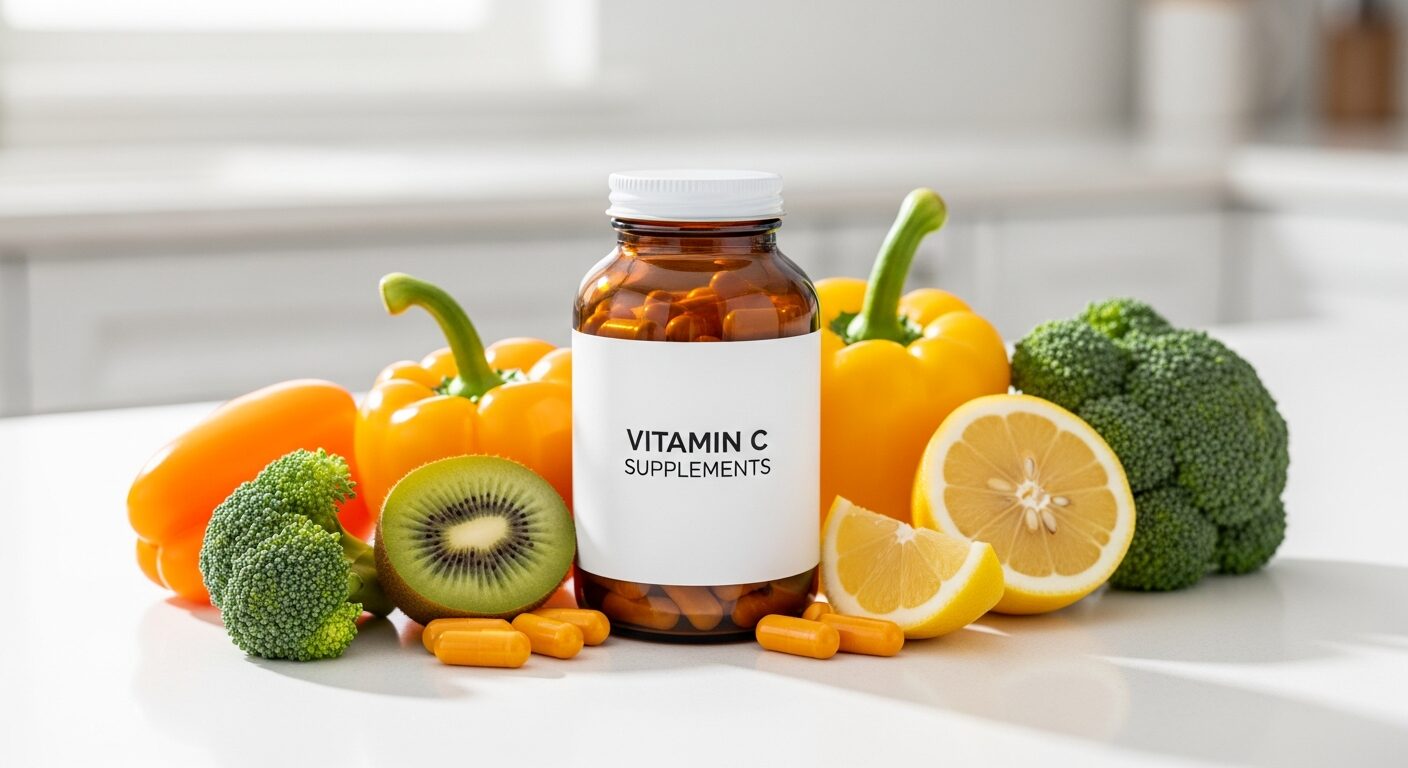
Vitamin C, also known as ascorbic acid, is one of the most popular and widely consumed supplements in the world. This essential water-soluble vitamin plays crucial roles in immune function, collagen synthesis, and antioxidant protection. While vitamin C deficiency can lead to serious health problems like scurvy, many people wonder if it’s possible to consume too much of this vital nutrient. The short answer is yes – while vitamin C toxicity is rare, excessive intake can cause uncomfortable side effects and potentially interfere with certain medical conditions.
Contents
- 1 Understanding Vitamin C: The Basics
- 2 How Much Vitamin C Is Too Much?
- 3 Side Effects of Excessive Vitamin C Intake
- 4 Special Populations and Vitamin C
- 5 Vitamin C Megadoses: Separating Fact from Fiction
- 6 Signs You’re Taking Too Much Vitamin C
- 7 Safe Vitamin C Supplementation Guidelines
- 8 Natural Sources vs. Supplements
- 9 FAQ Section
- 9.1 Can vitamin C cause kidney stones in everyone?
- 9.2 How quickly do vitamin C overdose symptoms appear?
- 9.3 Is it safe to take 1000mg of vitamin C daily?
- 9.4 Can you overdose on vitamin C from oranges and other fruits?
- 9.5 Should I stop taking vitamin C if I experience mild stomach upset?
- 9.6 🌿 Looking for Vitamin C Supplements?
- 10 Medical Disclaimer
Understanding Vitamin C: The Basics
Vitamin C is an essential nutrient that your body cannot produce on its own, making dietary intake or supplementation necessary. Unlike fat-soluble vitamins that can accumulate in body tissues, vitamin C is water-soluble, meaning excess amounts are typically excreted through urine rather than stored in the body. This characteristic has led many to believe that vitamin C is completely harmless in large doses, but research suggests otherwise.
The recommended daily allowance (RDA) for vitamin C varies by age and gender. Adult men need 90 mg daily, while adult women require 75 mg. Smokers need an additional 35 mg daily due to increased oxidative stress. Pregnant and breastfeeding women have higher requirements, needing 85 mg and 120 mg respectively.
How Much Vitamin C Is Too Much?
The tolerable upper intake level (UL) for vitamin C in adults is 2,000 mg per day. This limit was established based on the dose that causes gastrointestinal disturbances in sensitive individuals. However, some people may experience adverse effects at lower doses, while others might tolerate higher amounts without immediate problems.
Factors Affecting Vitamin C Tolerance
Several factors influence how much vitamin C your body can handle:
- Individual sensitivity: Some people are more prone to digestive upset from high-dose vitamin C
- Kidney function: Those with kidney problems may have difficulty processing excess vitamin C
- Medical conditions: Certain health conditions can increase the risk of complications from high-dose vitamin C
- Other medications: Vitamin C can interact with various drugs and supplements
- Form of vitamin C: Different forms (ascorbic acid vs. buffered forms) may have varying tolerability
Side Effects of Excessive Vitamin C Intake
While vitamin C toxicity is uncommon, consuming too much can lead to several uncomfortable and potentially serious side effects.
Gastrointestinal Issues
The most common side effects of excessive vitamin C intake involve the digestive system. These symptoms typically occur when consuming more than 1,000-2,000 mg daily and include:
- Nausea and vomiting
- Diarrhea
- Abdominal cramps
- Bloating and gas
- Heartburn
These symptoms usually resolve quickly once vitamin C intake is reduced to appropriate levels.
Kidney Stone Formation
One of the most serious concerns with high-dose vitamin C supplementation is the increased risk of kidney stone formation. Vitamin C and risk of kidney stones: a systematic review, 2013 found that excessive vitamin C intake can increase oxalate levels in urine, potentially leading to calcium oxalate kidney stones in susceptible individuals.
Iron Absorption Issues
While vitamin C typically enhances iron absorption, extremely high doses can actually interfere with the body’s ability to regulate iron levels. This is particularly concerning for individuals with hemochromatosis, a condition where the body absorbs too much iron.
Interference with Medical Tests
High levels of vitamin C in the blood can interfere with certain medical tests, including glucose monitoring for diabetics and stool tests for blood detection. This can lead to false readings and potentially missed diagnoses.
Special Populations and Vitamin C
Pregnancy and Breastfeeding
Pregnant and breastfeeding women should be particularly cautious about vitamin C intake. While their requirements are higher than average, excessive amounts during pregnancy may increase the risk of complications. The upper limit remains 2,000 mg daily for pregnant women over 19 years old.
People with Kidney Disease
Individuals with kidney disease should consult their healthcare provider before taking vitamin C supplements. Impaired kidney function can lead to the accumulation of vitamin C metabolites, potentially causing complications.
Those Taking Blood Thinners
High-dose vitamin C may interact with blood-thinning medications like warfarin, potentially affecting clotting times. Regular monitoring may be necessary if combining these treatments.
Vitamin C Megadoses: Separating Fact from Fiction
The concept of using extremely high doses of vitamin C (often called “megadoses”) for treating various conditions has gained popularity, particularly following the work of Nobel laureate Linus Pauling. However, Vitamin C for preventing and treating the common cold, 2013 and other systematic reviews have shown limited evidence supporting the use of megadoses for most conditions.
While some studies suggest potential benefits of high-dose vitamin C in specific medical contexts, such as cancer treatment or severe infections, these applications should only be considered under medical supervision.
Signs You’re Taking Too Much Vitamin C
If you’re experiencing any of the following symptoms while taking vitamin C supplements, you may be consuming too much:
- Persistent digestive upset
- Frequent diarrhea
- Nausea after taking supplements
- Kidney stone formation
- Sleep disturbances
- Headaches
Safe Vitamin C Supplementation Guidelines
To maximize benefits while minimizing risks, follow these guidelines for vitamin C supplementation:
Choose Appropriate Dosages
For most adults, 65-90 mg daily from food sources is sufficient. If supplementing, doses of 250-500 mg daily are generally safe and effective for most people. Vitamin C pharmacokinetics: implications for oral and intravenous use, 1998 demonstrates that the body’s absorption of vitamin C decreases significantly as doses increase beyond 200 mg.
Consider Divided Doses
If you choose to take higher doses, divide them throughout the day rather than taking one large dose. This approach improves absorption and reduces the risk of gastrointestinal side effects.
Monitor Your Response
Pay attention to how your body responds to vitamin C supplementation. Start with lower doses and gradually increase if needed, always staying within safe limits.
Natural Sources vs. Supplements
Getting vitamin C from whole food sources is generally safer than supplementation. Foods rich in vitamin C include citrus fruits, berries, bell peppers, broccoli, and leafy greens. These foods provide vitamin C along with other beneficial compounds like flavonoids and fiber, which may enhance absorption and provide additional health benefits.
It’s virtually impossible to consume toxic amounts of vitamin C from food sources alone, as you would need to eat enormous quantities of vitamin C-rich foods to reach problematic levels.
FAQ Section
Can vitamin C cause kidney stones in everyone?
No, not everyone who takes high-dose vitamin C will develop kidney stones. The risk is higher in individuals with a personal or family history of kidney stones, those with certain metabolic conditions, or people who don’t drink enough water. Most healthy individuals can tolerate moderate vitamin C supplementation without increased stone risk.
How quickly do vitamin C overdose symptoms appear?
Gastrointestinal symptoms from excessive vitamin C typically appear within hours of consumption. These effects are usually temporary and resolve once the excess vitamin C is eliminated from the body, typically within 24-48 hours of reducing intake.
Is it safe to take 1000mg of vitamin C daily?
For most healthy adults, 1000mg of vitamin C daily is considered safe, though it’s higher than necessary for basic nutritional needs. Some people may experience mild digestive upset at this dose. It’s best to start with lower amounts and increase gradually while monitoring your body’s response.
Can you overdose on vitamin C from oranges and other fruits?
It’s extremely unlikely to consume toxic amounts of vitamin C from whole fruits and vegetables alone. You would need to eat massive quantities of vitamin C-rich foods to approach dangerous levels. The fiber and water content in fruits also help slow absorption, reducing the risk of adverse effects.
Should I stop taking vitamin C if I experience mild stomach upset?
Mild stomach upset may indicate you’re taking more than your body can comfortably handle. Try reducing your dose, taking it with food, or switching to a buffered form of vitamin C. If symptoms persist or worsen, discontinue use and consult a healthcare provider.
🌿 Looking for Vitamin C Supplements?
Browse top-rated Vitamin C supplements, independently tested and recommended by our editorial team.
Affiliate disclosure: We may earn a small commission at no extra cost to you.
Medical Disclaimer
This article is for informational purposes only and should not be considered medical advice. Always consult with a qualified healthcare professional before starting any new supplement regimen, especially if you have existing health conditions, take medications, or are pregnant or breastfeeding. Individual nutritional needs vary, and what works for one person may not be appropriate for another. If you experience persistent adverse effects from vitamin C supplementation, discontinue use and seek medical attention.