
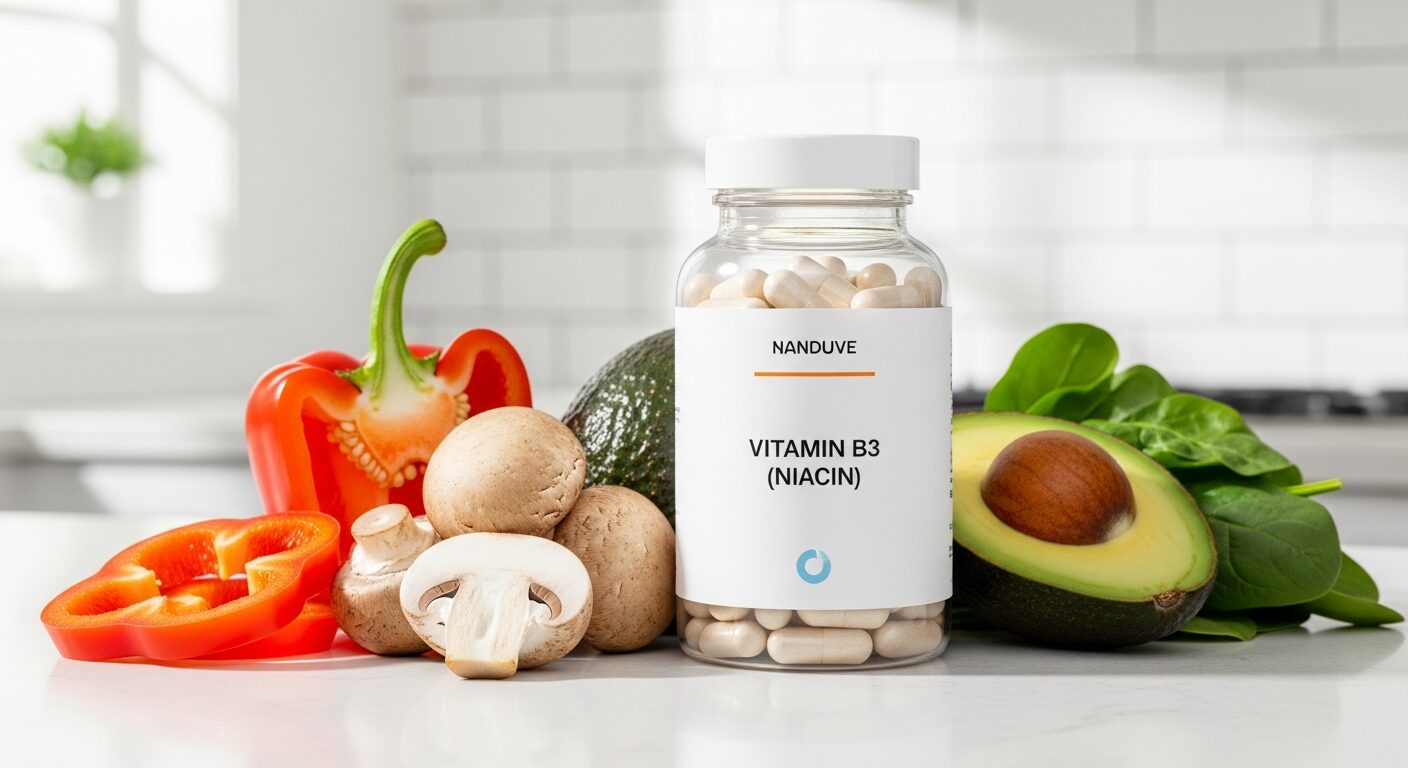
Niacin, also known as Vitamin B3 or nicotinic acid, is one of the eight B vitamins essential for human health. This water-soluble vitamin plays crucial roles in energy metabolism, cellular function, and maintaining healthy cholesterol levels. Unlike some vitamins that our bodies can store, niacin must be regularly replenished through diet or supplementation since excess amounts are excreted through urine.
As a vital cofactor in over 400 enzymatic reactions, niacin supports fundamental biological processes that keep our bodies functioning optimally. Understanding this essential nutrient can help you make informed decisions about your nutritional needs and overall health strategy.
Contents
What is Niacin?
Niacin belongs to the B-complex family of vitamins and exists in several forms, including nicotinic acid, nicotinamide (niacinamide), and inositol hexanicotinate. Each form has slightly different properties and applications, but all contribute to the body’s niacin requirements.
The vitamin was first discovered in 1937 when researchers identified it as the nutrient deficiency responsible for pellagra, a disease that plagued populations relying heavily on processed corn as their primary food source. Today, niacin deficiency is rare in developed countries due to food fortification programs and diverse diets.
Chemical Structure and Forms
Nicotinic acid is the most common supplemental form and is particularly effective for cardiovascular benefits. Nicotinamide, while equally effective for basic vitamin functions, doesn’t produce the characteristic “niacin flush” that some people experience with nicotinic acid. Inositol hexanicotinate, often called “no-flush niacin,” releases nicotinic acid slowly, minimizing side effects.
Health Benefits of Niacin
Niacin’s benefits extend far beyond preventing deficiency diseases. Research has revealed numerous ways this vitamin supports optimal health and may help prevent chronic conditions.
Cardiovascular Health
One of niacin’s most well-documented benefits involves cardiovascular health. Niacin significantly improves lipid profiles by raising HDL cholesterol and lowering LDL cholesterol and triglycerides, 2004. These effects can contribute to reduced risk of heart disease and stroke when combined with appropriate lifestyle modifications.
Niacin works by inhibiting the breakdown of fats in adipose tissue, which reduces the liver’s production of VLDL cholesterol, the precursor to LDL cholesterol. Additionally, it enhances the removal of cholesterol from arterial walls and improves endothelial function.
Energy Metabolism
As a precursor to NAD+ (nicotinamide adenine dinucleotide) and NADP+ (nicotinamide adenine dinucleotide phosphate), niacin is essential for cellular energy production. These coenzymes participate in glycolysis, the citric acid cycle, and the electron transport chain – the fundamental processes that convert food into usable energy.
Without adequate niacin, cells cannot efficiently produce ATP, the body’s primary energy currency. This explains why fatigue and weakness are among the first symptoms of niacin deficiency.
Skin Health
Topical and oral niacin forms, particularly nicotinamide, have shown promise for various skin conditions. The vitamin supports skin barrier function, reduces inflammation, and may help with conditions like acne, rosacea, and signs of aging. Topical nicotinamide improves skin appearance and reduces signs of aging through multiple mechanisms, 2006.
Brain Function and Mental Health
Niacin supports brain health through its role in neurotransmitter synthesis and cellular energy production. Some research suggests adequate niacin intake may support cognitive function and potentially reduce the risk of age-related cognitive decline.
Natural Food Sources
Many foods naturally contain niacin or tryptophan, an amino acid that the body can convert to niacin. Understanding food sources helps ensure adequate intake through diet alone.
Animal Sources
Animal products typically provide highly bioavailable niacin. Excellent sources include chicken breast, turkey, salmon, tuna, beef liver, and pork. Fish like anchovies, sardines, and mackerel also contain substantial amounts. A 3.5-ounce serving of chicken breast provides approximately 10-12 mg of niacin.
Plant Sources
Plant foods can contribute significantly to niacin intake, though bioavailability may vary. Good sources include peanuts, mushrooms, green peas, avocados, and fortified grains. Whole grains like brown rice and oats contain niacin, but much of it may be bound in forms that are less readily absorbed.
Fortified Foods
Many countries mandate niacin fortification of grain products, making fortified cereals, breads, and pasta significant sources for many people. This fortification program has been instrumental in preventing niacin deficiency diseases.
Recommended Daily Intake
Niacin requirements vary by age, sex, and life stage. The Recommended Dietary Allowance (RDA) for adults is 16 mg for men and 14 mg for women. Pregnant women need 18 mg daily, while breastfeeding women require 17 mg.
Special Populations
Certain groups may have increased niacin needs. People with malabsorption disorders, those taking specific medications, and individuals with high alcohol consumption may require higher intakes. Athletes and highly active individuals might also benefit from increased niacin intake to support their elevated energy demands.
Deficiency Signs and Symptoms
Severe niacin deficiency leads to pellagra, characterized by the “four Ds”: dermatitis, diarrhea, dementia, and death if untreated. However, mild deficiency is more common and presents subtler symptoms.
Early Warning Signs
Initial signs of insufficient niacin include fatigue, irritability, poor concentration, anxiety, and restlessness. Digestive issues like nausea, vomiting, and poor appetite may also occur. Skin problems, including rough, scaly patches in sun-exposed areas, can develop over time.
Supplementation: Forms and Dosages
Niacin supplements come in various forms, each with distinct characteristics and appropriate uses. Understanding these differences helps in selecting the most suitable option.
Immediate-Release vs. Extended-Release
Immediate-release niacin provides rapid absorption but often causes flushing. Extended-release formulations reduce flushing but may increase the risk of liver-related side effects at high doses. Extended-release niacin formulations show improved tolerability while maintaining efficacy, 2003.
Typical Dosing
For basic nutritional support, doses of 20-50 mg daily are usually sufficient. Therapeutic doses for cholesterol management typically range from 500-2000 mg daily, but these higher amounts should only be used under medical supervision due to potential side effects.
Potential Side Effects and Safety
While niacin is generally safe at recommended doses, higher amounts can cause various side effects. The most common is niacin flush – a temporary warming sensation with skin redness, typically occurring 15-30 minutes after taking nicotinic acid.
Serious Adverse Effects
High doses (above 500 mg daily) may cause liver toxicity, glucose intolerance, and gastrointestinal upset. Extended-release formulations may pose higher liver risks than immediate-release versions at equivalent doses. Regular monitoring is essential when using therapeutic doses.
Drug Interactions
Niacin can interact with certain medications, including blood thinners, diabetes medications, and cholesterol-lowering drugs. Always consult healthcare providers before combining niacin supplements with prescription medications.
🌿 Looking for Vitamin B3 Supplements?
Browse top-rated Vitamin B3 supplements, independently tested and recommended by our editorial team.
Affiliate disclosure: We may earn a small commission at no extra cost to you.
Frequently Asked Questions
Can I take niacin with other B vitamins?
Yes, niacin works synergistically with other B vitamins and is often included in B-complex formulations. Taking B vitamins together may enhance their overall effectiveness and prevent imbalances.
How can I prevent niacin flush?
Start with lower doses and gradually increase, take niacin with food, avoid alcohol and hot beverages around dosing time, or consider no-flush forms like inositol hexanicotinate or nicotinamide.
Is niacin safe during pregnancy?
At recommended dietary levels, niacin is safe and necessary during pregnancy. However, avoid high-dose supplements unless specifically prescribed by a healthcare provider.
Can niacin help with cholesterol without prescription medications?
Niacin can improve cholesterol profiles, but therapeutic doses require medical supervision. Never discontinue prescribed cholesterol medications without consulting your healthcare provider.
How long does it take to see benefits from niacin supplementation?
Basic nutritional benefits may be noticed within days to weeks, while cardiovascular benefits from therapeutic doses typically become apparent after 4-6 weeks of consistent use.
Medical Disclaimer
This article is for informational purposes only and does not constitute medical advice. The information provided should not be used to diagnose, treat, cure, or prevent any disease without the supervision of a qualified healthcare professional. Individual responses to supplements may vary, and potential interactions with medications or medical conditions should be discussed with a healthcare provider before beginning any supplementation regimen. Always consult with a qualified healthcare professional before making significant changes to your diet or supplement routine, especially if you have existing health conditions or take prescription medications.