
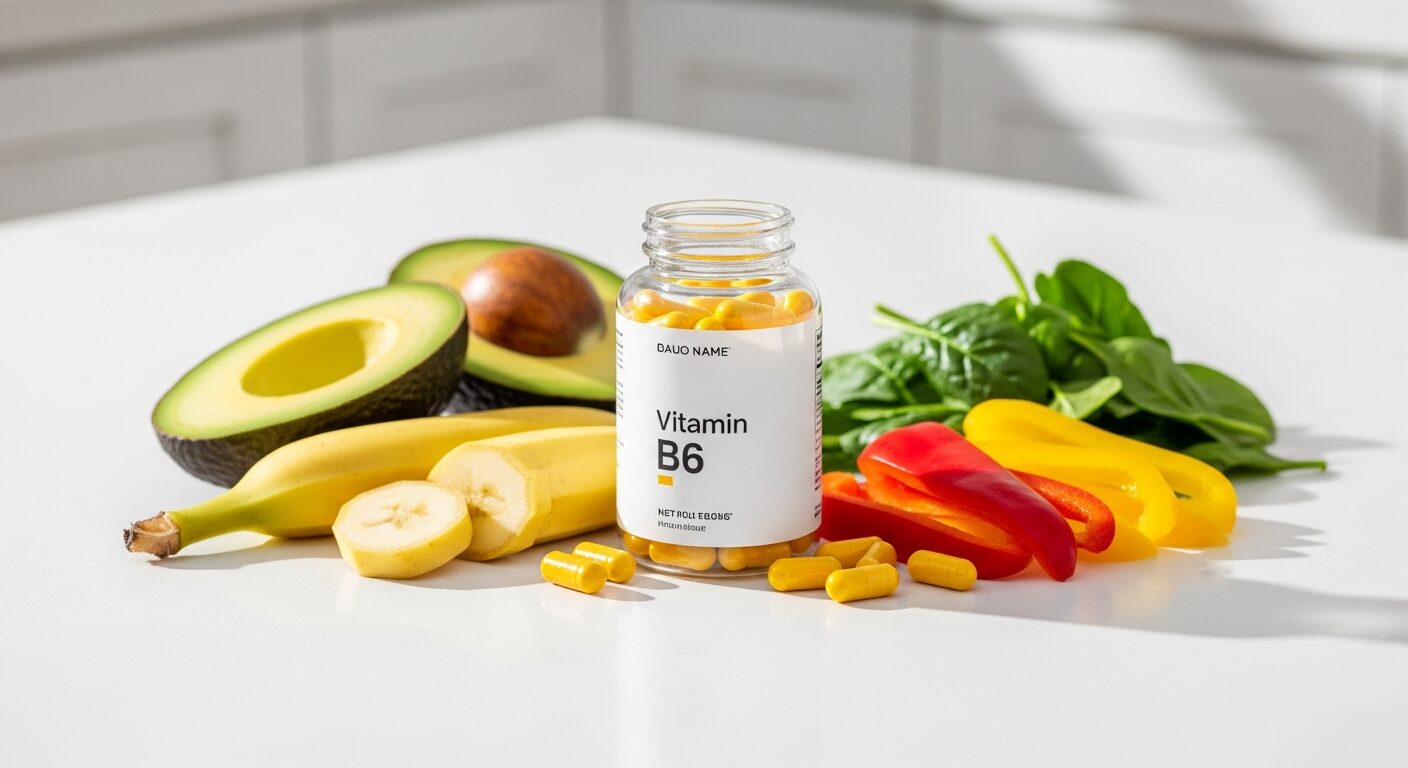
Vitamin B6, also known as pyridoxine, is a water-soluble vitamin that plays a crucial role in over 100 enzyme reactions in your body. From supporting brain function and mood regulation to helping your body metabolize proteins and create neurotransmitters, this essential nutrient is vital for optimal health. However, determining the right dosage can be confusing, especially with varying recommendations for different health conditions and life stages.
Understanding proper vitamin B6 dosage is critical because both deficiency and excess can lead to serious health consequences. While deficiency can cause symptoms like depression, confusion, and weakened immune function, taking too much can result in nerve damage and other complications. This comprehensive guide will help you understand how much vitamin B6 you need daily based on scientific evidence and established health guidelines.
Contents
- 1 Understanding Vitamin B6
- 2 Recommended Daily Allowances (RDA)
- 3 Therapeutic Dosages for Specific Conditions
- 4 Upper Limits and Safety Considerations
- 5 Factors Affecting Vitamin B6 Needs
- 6 Signs of Vitamin B6 Deficiency
- 7 Best Practices for Vitamin B6 Supplementation
- 8 Frequently Asked Questions
- 9 Medical Disclaimer
Understanding Vitamin B6
Vitamin B6 exists in several forms, including pyridoxine, pyridoxal, and pyridoxamine. Once consumed, your body converts these forms into pyridoxal 5′-phosphate (PLP), the active coenzyme form that performs most biological functions. This vitamin is essential for amino acid metabolism, neurotransmitter synthesis, hemoglobin production, and immune system function.
Your body cannot produce vitamin B6 on its own, making dietary intake or supplementation necessary. The vitamin is found naturally in foods like poultry, fish, potatoes, chickpeas, bananas, and fortified cereals. However, processing and cooking can reduce vitamin B6 content in foods, which is why some people may benefit from supplementation.
How Vitamin B6 Works in Your Body
Once absorbed in your small intestine, vitamin B6 travels to your liver where it’s converted to its active form. This active form then supports numerous bodily functions, including the production of serotonin, dopamine, and GABA – neurotransmitters that regulate mood, sleep, and cognitive function. Additionally, vitamin B6 helps break down homocysteine, an amino acid that can damage blood vessels when levels become elevated.
Recommended Daily Allowances (RDA)
The Recommended Daily Allowance (RDA) for vitamin B6 varies based on age, sex, and life stage. These recommendations, established by the Food and Nutrition Board, represent the amount needed to meet the nutritional requirements of most healthy individuals.
RDA by Age and Gender
Infants and Children:
- 0-6 months: 0.1 mg
- 7-12 months: 0.3 mg
- 1-3 years: 0.5 mg
- 4-8 years: 0.6 mg
- 9-13 years: 1.0 mg
Adults:
- Males 14-50 years: 1.3 mg
- Males 51+ years: 1.7 mg
- Females 14-18 years: 1.2 mg
- Females 19-50 years: 1.3 mg
- Females 51+ years: 1.5 mg
Pregnancy and Lactation:
- Pregnant women: 1.9 mg
- Breastfeeding women: 2.0 mg
Why Requirements Increase with Age
Vitamin B6 requirements increase with age, particularly for men over 50 and women over 50. This increase reflects changes in metabolism, absorption efficiency, and the body’s ability to convert vitamin B6 to its active form. Research has shown that older adults often have lower plasma PLP concentrations despite adequate dietary intake, suggesting increased needs with aging.
Therapeutic Dosages for Specific Conditions
While the RDA represents amounts needed for general health, higher therapeutic doses may be beneficial for certain conditions. However, these should only be used under medical supervision due to potential side effects at high doses.
Morning Sickness and Nausea
Vitamin B6 supplementation is commonly recommended for pregnancy-related nausea and vomiting. Studies typically use doses of 10-25 mg taken three times daily. The American College of Obstetricians and Gynecologists considers this a safe and effective first-line treatment for morning sickness.
Premenstrual Syndrome (PMS)
For PMS symptoms, research suggests doses of 50-100 mg daily may be beneficial. A systematic review found that vitamin B6 supplementation up to 100 mg daily was likely beneficial for treating premenstrual symptoms, though higher doses didn’t provide additional benefits.
Carpal Tunnel Syndrome
Some studies have investigated vitamin B6 for carpal tunnel syndrome, typically using doses of 100-200 mg daily. However, evidence remains mixed, and these higher doses should only be used under medical supervision due to potential nerve toxicity risks.
Upper Limits and Safety Considerations
The Tolerable Upper Intake Level (UL) for vitamin B6 is 100 mg per day for adults. This represents the maximum daily intake unlikely to cause adverse health effects in most people. Exceeding this amount regularly can lead to peripheral neuropathy, a condition affecting the nerves in your hands and feet.
Signs of Vitamin B6 Toxicity
Vitamin B6 toxicity, though rare from food sources, can occur with high-dose supplements. Symptoms include:
- Numbness and tingling in hands and feet
- Loss of coordination
- Difficulty walking
- Skin lesions
- Sensitivity to light
Studies have documented cases of peripheral neuropathy occurring with doses as low as 50-100 mg daily when taken for extended periods, emphasizing the importance of staying within safe limits unless medically supervised.
Drug Interactions
Vitamin B6 can interact with certain medications, including levodopa (used for Parkinson’s disease), phenytoin (an anti-seizure medication), and some antibiotics. If you’re taking any medications, consult your healthcare provider before starting vitamin B6 supplements.
Factors Affecting Vitamin B6 Needs
Several factors can influence your vitamin B6 requirements, potentially necessitating higher intake levels.
Protein Intake
Your vitamin B6 needs increase with protein intake because the vitamin plays a crucial role in amino acid metabolism. People following high-protein diets may need slightly more vitamin B6 to support proper protein utilization.
Medical Conditions
Certain medical conditions can affect vitamin B6 status, including:
- Kidney disease
- Malabsorption disorders
- Autoimmune conditions
- Alcoholism
Individuals with these conditions may require higher doses or closer monitoring of their vitamin B6 status.
Medications
Some medications can deplete vitamin B6 or interfere with its metabolism, including oral contraceptives, hormone replacement therapy, and certain antidepressants. If you’re taking these medications long-term, discuss your vitamin B6 status with your healthcare provider.
Signs of Vitamin B6 Deficiency
Vitamin B6 deficiency is relatively uncommon in developed countries but can occur in certain populations. Early signs include:
- Skin rashes and dermatitis
- Cracked, sore lips
- Swollen tongue
- Mood changes and irritability
- Weakened immune function
- Confusion and difficulty concentrating
Severe deficiency can lead to anemia, seizures, and increased infection risk. If you suspect deficiency, consult a healthcare provider for proper testing and treatment.
Best Practices for Vitamin B6 Supplementation
When considering vitamin B6 supplements, follow these guidelines for safe and effective use:
Choosing the Right Form
Vitamin B6 supplements are available in several forms, including pyridoxine hydrochloride (the most common), pyridoxal 5′-phosphate (P5P), and pyridoxine. P5P is the active form and may be better absorbed, particularly in individuals with digestive issues.
Timing and Absorption
Vitamin B6 is water-soluble and can be taken with or without food. However, taking it with meals may reduce stomach upset in sensitive individuals. Since it’s water-soluble, your body doesn’t store large amounts, making consistent daily intake important.
Quality and Testing
Choose supplements from reputable manufacturers that undergo third-party testing for purity and potency. Look for certifications from organizations like NSF International or USP (United States Pharmacopeia).
🌿 Looking for Vitamin B6 Supplements?
Browse top-rated Vitamin B6 supplements, independently tested and recommended by our editorial team.
Affiliate disclosure: We may earn a small commission at no extra cost to you.
Frequently Asked Questions
Can I get enough vitamin B6 from food alone?
Yes, most people can meet their vitamin B6 needs through a balanced diet including foods like chicken, fish, potatoes, chickpeas, and bananas. However, individuals with increased needs due to pregnancy, certain medical conditions, or medication use may benefit from supplements.
Is it safe to take vitamin B6 daily?
Yes, daily vitamin B6 supplementation is safe when kept within recommended limits. Doses up to 100 mg daily are generally considered safe for most adults, but staying closer to the RDA (1.3-1.7 mg) is appropriate for most people unless higher doses are medically indicated.
How long does it take for vitamin B6 supplements to work?
The timeline varies depending on the condition being treated and individual factors. For morning sickness, effects may be seen within a few days. For other conditions like PMS, it may take several weeks of consistent use to notice improvements.
Can vitamin B6 help with depression?
Vitamin B6 plays a role in neurotransmitter production, and deficiency can contribute to mood disorders. While supplementation may help individuals with deficiency-related mood issues, it’s not a standalone treatment for clinical depression. Consult a healthcare provider for proper mental health evaluation and treatment.
What happens if I take too much vitamin B6?
Chronic intake of high doses (typically over 100 mg daily) can lead to peripheral neuropathy, causing numbness, tingling, and loss of coordination in hands and feet. This condition may be reversible if caught early, but can become permanent with continued excessive intake.
Medical Disclaimer
This article is for informational purposes only and is not intended to replace professional medical advice, diagnosis, or treatment. Always consult with a qualified healthcare provider before starting any new supplement regimen, especially if you have medical conditions, take medications, or are pregnant or breastfeeding. The information provided should not be used to diagnose or treat any health condition. Individual nutritional needs vary, and what works for one person may not be appropriate for another.