
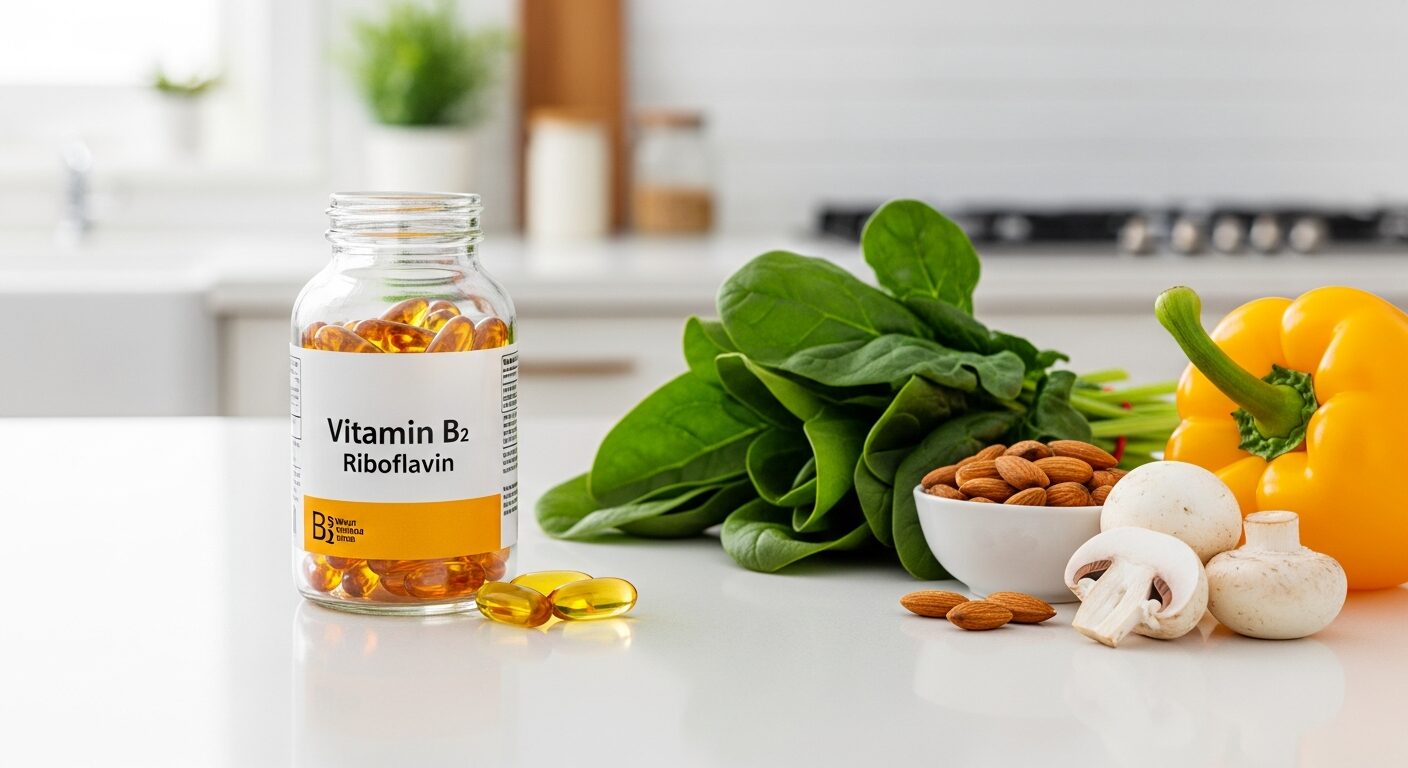
Riboflavin, commonly known as vitamin B2, is an essential water-soluble vitamin that plays crucial roles in energy metabolism, cellular function, and overall health. As one of the eight B vitamins, riboflavin serves as a precursor to important coenzymes that facilitate numerous biochemical reactions throughout the body. While riboflavin deficiency is relatively uncommon in developed countries due to food fortification, understanding its benefits can help you make informed decisions about your nutritional needs and supplementation.
This water-soluble vitamin cannot be stored in large quantities by the body, making regular intake through diet or supplements important for maintaining optimal levels. Research continues to unveil the multifaceted benefits of riboflavin, from supporting basic cellular functions to potentially preventing certain health conditions.
Contents
What Is Riboflavin and How Does It Work?
Riboflavin is a yellow-orange compound that gives many B-complex vitamins their characteristic color. Once consumed, riboflavin is converted into two active coenzyme forms: flavin mononucleotide (FMN) and flavin adenine dinucleotide (FAD). These coenzymes are integral components of the electron transport chain and participate in redox reactions essential for cellular energy production.
The vitamin is naturally present in various foods, including dairy products, eggs, lean meats, legumes, nuts, and green leafy vegetables. However, riboflavin is sensitive to light and can be destroyed during food processing and cooking, which sometimes creates a gap between dietary intake and optimal levels.
Science-Backed Benefits of Riboflavin
Energy Production and Metabolism
Riboflavin’s primary function involves energy metabolism. The coenzymes FMN and FAD are critical for the metabolism of carbohydrates, fats, and proteins, helping convert these macronutrients into adenosine triphosphate (ATP), the body’s primary energy currency. This process occurs within the mitochondria, often called the powerhouses of cells.
Research indicates that adequate riboflavin levels support efficient energy production, which may help combat fatigue and support physical performance. Athletes and individuals with high energy demands may particularly benefit from ensuring optimal riboflavin status.
Antioxidant Protection
Riboflavin contributes to the body’s antioxidant defense system through its role in glutathione recycling. Glutathione reductase, an enzyme that regenerates the powerful antioxidant glutathione, requires FAD as a cofactor. This relationship makes riboflavin essential for protecting cells from oxidative stress and free radical damage.
The antioxidant properties of riboflavin may help reduce the risk of chronic diseases associated with oxidative stress, including cardiovascular disease and certain cancers. Additionally, this protection extends to maintaining healthy aging processes at the cellular level.
Migraine Prevention
One of the most well-researched therapeutic applications of riboflavin is in migraine prevention. High-dose riboflavin supplementation for migraine prophylaxis, 1998 demonstrated that high-dose riboflavin supplementation (400mg daily) significantly reduced migraine frequency and severity in adults.
The mechanism behind riboflavin’s anti-migraine effects is believed to involve improved mitochondrial energy metabolism in brain cells. Migraine sufferers often show evidence of impaired cellular energy production, and riboflavin supplementation may help normalize these metabolic processes.
Eye Health Support
Riboflavin plays a vital role in maintaining eye health and vision. The vitamin is essential for the production of glutathione in the lens of the eye, helping protect against cataract formation. Research suggests that adequate riboflavin intake may reduce the risk of age-related eye conditions.
Furthermore, riboflavin deficiency has been linked to various eye problems, including photophobia (light sensitivity), excessive tearing, and corneal vascularization. Maintaining optimal riboflavin levels supports overall ocular health and may help preserve vision as we age.
Cardiovascular Health
Emerging research suggests riboflavin may support cardiovascular health through multiple mechanisms. The vitamin helps regulate homocysteine levels, an amino acid that, when elevated, is associated with increased cardiovascular risk. Riboflavin and blood pressure reduction, 2013 found that riboflavin supplementation may help reduce blood pressure, particularly in individuals with specific genetic variations.
The cardiovascular benefits of riboflavin may also stem from its antioxidant properties and role in maintaining healthy endothelial function, which is crucial for proper blood vessel health and circulation.
Skin and Hair Health
Riboflavin deficiency often manifests in skin and mucous membrane problems, highlighting the vitamin’s importance for maintaining healthy skin. Adequate riboflavin levels support skin cell regeneration, wound healing, and the maintenance of healthy mucous membranes.
The vitamin’s role in collagen synthesis and cellular repair mechanisms makes it valuable for maintaining skin elasticity and appearance. Some research also suggests that riboflavin may help protect the skin from UV damage through its antioxidant properties.
Riboflavin Deficiency: Signs and Risk Factors
While severe riboflavin deficiency is rare in developed countries, subclinical deficiency can occur. Early signs of deficiency include fatigue, mouth sores, cracks at the corners of the mouth (angular cheilitis), and a sore throat. More severe deficiency can lead to anemia, skin disorders, and eye problems.
Certain populations may be at higher risk for riboflavin deficiency, including older adults, individuals with malabsorption disorders, pregnant and breastfeeding women, and those following restrictive diets. Chronic alcohol consumption can also interfere with riboflavin absorption and metabolism.
Dosage and Supplementation Guidelines
The recommended dietary allowance (RDA) for riboflavin varies by age, sex, and life stage. For adults, the RDA is 1.3mg daily for men and 1.1mg daily for women. Pregnant and breastfeeding women require slightly higher amounts.
For therapeutic purposes, such as migraine prevention, much higher doses (100-400mg daily) have been used in research studies. Safety and efficacy of riboflavin supplementation, 2017 indicates that riboflavin supplementation is generally well-tolerated, even at high doses, due to its water-soluble nature and limited absorption at higher concentrations.
When supplementing with riboflavin, it’s normal for urine to turn bright yellow, which is harmless and indicates that excess riboflavin is being excreted. Taking riboflavin with food may improve absorption and reduce potential stomach upset.
Food Sources of Riboflavin
The best dietary sources of riboflavin include dairy products like milk, yogurt, and cheese, which are among the richest sources. Other excellent sources include eggs, lean meats, fish, and organ meats. For those following plant-based diets, good sources include almonds, spinach, broccoli, and fortified cereals and grains.
It’s worth noting that riboflavin is destroyed by light exposure, so storing riboflavin-rich foods in dark places and choosing opaque containers over clear ones can help preserve the vitamin content.
🌿 Looking for Vitamin B2 Supplements?
Browse top-rated Vitamin B2 supplements, independently tested and recommended by our editorial team.
Affiliate disclosure: We may earn a small commission at no extra cost to you.
Frequently Asked Questions
Can I get enough riboflavin from food alone?
Most people can meet their basic riboflavin needs through a balanced diet that includes dairy products, meat, eggs, and fortified grains. However, individuals with specific health conditions, dietary restrictions, or those seeking therapeutic benefits may benefit from supplementation under healthcare provider guidance.
Are there any side effects of riboflavin supplementation?
Riboflavin supplementation is generally very safe due to its water-soluble nature. The most common “side effect” is bright yellow urine, which is harmless. Very high doses may occasionally cause diarrhea or increased urination, but serious adverse effects are extremely rare.
How long does it take to see benefits from riboflavin supplementation?
The timeline for experiencing benefits varies depending on the intended use and individual factors. For migraine prevention, studies suggest benefits may become apparent after 2-3 months of consistent supplementation. Energy-related benefits may be noticed sooner if there was an underlying deficiency.
Can riboflavin interact with medications?
Riboflavin has few known drug interactions, but it can be affected by certain medications. Antibiotics, antimalarials, and some psychiatric medications may interfere with riboflavin absorption or metabolism. Always consult with a healthcare provider before starting supplementation if you take medications.
Is riboflavin supplementation safe during pregnancy?
Riboflavin supplementation is generally considered safe during pregnancy and breastfeeding, and pregnant women actually have increased riboflavin needs. However, it’s important to stay within recommended dosage ranges and consult with a healthcare provider before starting any supplementation during pregnancy.
Medical Disclaimer
This article is for informational purposes only and is not intended to replace professional medical advice, diagnosis, or treatment. Always consult with a qualified healthcare provider before starting any supplementation regimen, especially if you have existing health conditions, take medications, or are pregnant or breastfeeding. Individual nutritional needs may vary, and what works for one person may not be appropriate for another. The information presented here is based on current scientific research but should not be considered as medical recommendations for specific individuals.