
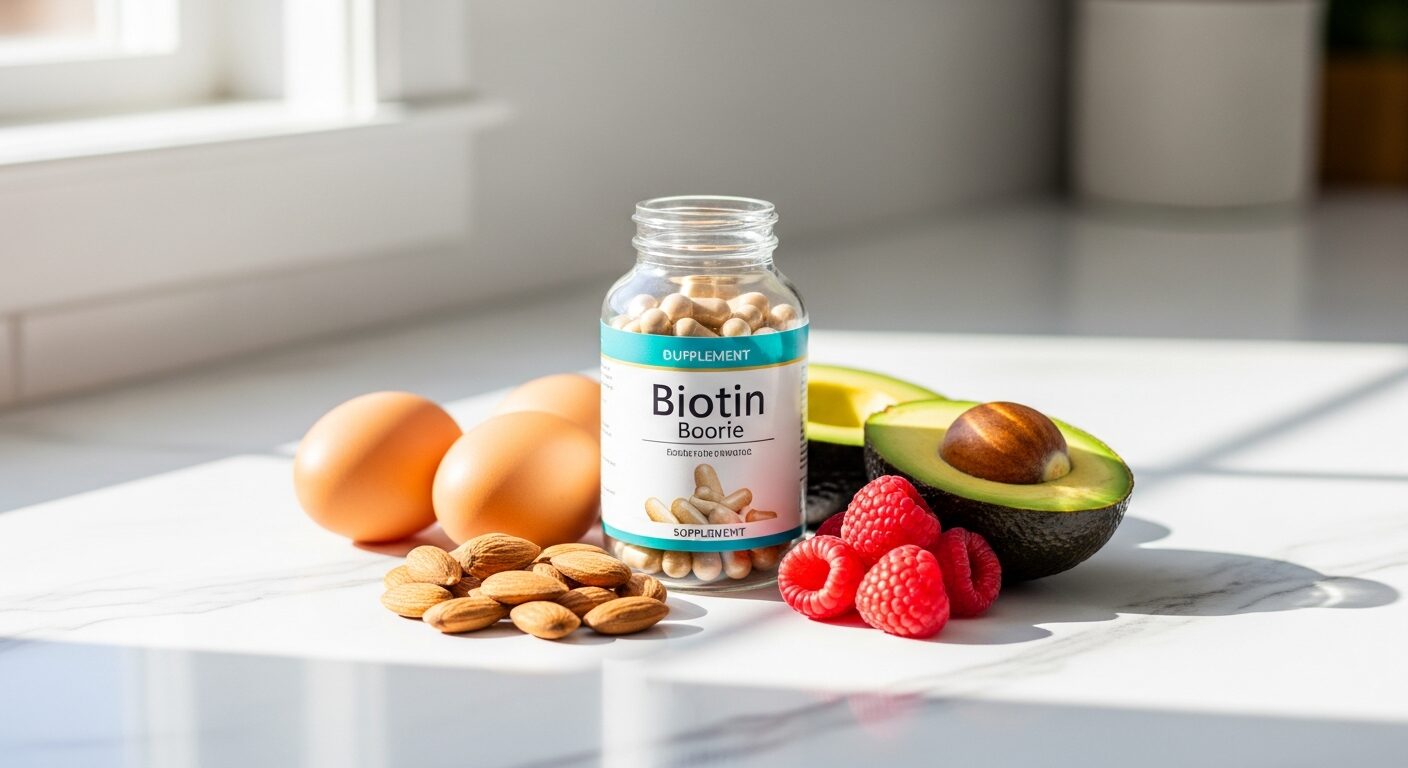
Biotin, also known as vitamin B7 or vitamin H, has become one of the most popular supplements marketed for hair growth. Walk into any drugstore or scroll through social media, and you’ll likely encounter countless products promising thicker, stronger hair through biotin supplementation. But does this water-soluble B vitamin actually live up to the hype, or is it simply another overpromised beauty trend?
This comprehensive analysis examines the scientific evidence behind biotin’s role in hair health, explores who might benefit from supplementation, and separates fact from marketing fiction. Understanding the true relationship between biotin and hair growth can help you make informed decisions about whether this supplement belongs in your wellness routine.
Contents
What Is Biotin and How Does It Function?
Biotin is an essential water-soluble vitamin that serves as a coenzyme in numerous metabolic processes throughout the body. Discovered in the 1940s, this vitamin plays crucial roles in converting carbohydrates, fats, and proteins into usable energy. More specifically, biotin facilitates the synthesis of fatty acids, amino acids, and glucose – all fundamental building blocks for healthy cellular function.
Within the context of hair health, biotin’s primary importance lies in its role in keratin production. Keratin is the structural protein that forms the foundation of hair strands, and adequate biotin levels are necessary for proper keratin synthesis. This biological connection forms the basis for biotin’s reputation as a hair-supporting nutrient.
The human body cannot produce biotin independently, making dietary intake or supplementation necessary to maintain adequate levels. Fortunately, biotin requirements are relatively modest, with the recommended daily allowance ranging from 30-100 micrograms for adults, depending on age and circumstances.
The Science Behind Biotin and Hair Growth
Research into biotin’s effects on hair growth reveals a nuanced picture that doesn’t always align with popular marketing claims. The scientific literature shows that biotin deficiency can indeed cause hair loss, brittle hair, and other dermatological issues. However, this doesn’t automatically mean that supplementing with biotin will enhance hair growth in individuals with normal biotin levels.
Patel et al., 2017 conducted a comprehensive review of biotin supplementation studies and found that while biotin deficiency clearly contributes to hair loss, the evidence for biotin supplementation improving hair growth in non-deficient individuals remains limited. The study emphasized that most positive results occurred in people with underlying biotin deficiency or specific metabolic conditions.
Biotin Deficiency and Hair Loss
True biotin deficiency is relatively rare in healthy individuals consuming a varied diet. However, when deficiency occurs, hair-related symptoms often appear prominently. These may include progressive hair thinning, brittle hair texture, and in severe cases, complete hair loss in certain areas.
Certain populations face higher risks of biotin deficiency, including pregnant women, individuals with gastrointestinal disorders affecting nutrient absorption, people taking specific medications, and those consuming raw egg whites regularly. In these cases, biotin supplementation may genuinely improve hair health and growth.
Mechanisms of Action
When biotin levels are adequate, the vitamin supports hair health through several mechanisms. It enhances the production of keratin, the primary structural component of hair shafts. Biotin also supports the metabolism of amino acids essential for hair protein synthesis and contributes to overall scalp health through its role in cellular energy production.
Additionally, biotin influences gene regulation related to hair follicle function. Zempleni et al., 2016 demonstrated that biotin affects the expression of genes involved in keratinocyte proliferation and differentiation, processes fundamental to healthy hair growth cycles.
Clinical Evidence: What Studies Really Show
The clinical evidence for biotin supplementation in hair growth presents a mixed but informative picture. While numerous studies confirm biotin’s essential role in hair health, fewer demonstrate significant benefits from supplementation in individuals without deficiency.
A notable study examined biotin supplementation in women experiencing hair thinning. Ablon, 2015 found that women taking a biotin-containing supplement showed improvements in hair growth and thickness compared to placebo. However, this study used a complex formulation containing multiple nutrients, making it difficult to isolate biotin’s specific contributions.
Limitations in Current Research
Several factors complicate the interpretation of biotin research. Many studies examining hair growth supplements include multiple ingredients alongside biotin, making it challenging to determine individual nutrient effects. Additionally, hair growth studies require extended observation periods, as hair typically grows only about half an inch per month, and visible changes may take months to manifest.
Furthermore, subjective measures like hair thickness and shine can be influenced by participant expectations and other lifestyle factors. More rigorous, longer-term studies focusing specifically on biotin supplementation in various populations would provide clearer guidance.
Who Might Benefit from Biotin Supplementation?
While biotin supplementation may not be universally beneficial for hair growth, certain individuals may experience genuine improvements. Understanding these specific circumstances helps identify when biotin supplementation makes scientific sense.
Individuals with Biotin Deficiency
People with diagnosed or suspected biotin deficiency represent the clearest candidates for supplementation. This includes individuals with genetic disorders affecting biotin metabolism, those with malabsorption conditions, pregnant and breastfeeding women with increased needs, and people taking medications that interfere with biotin absorption or metabolism.
Those with Brittle Hair Syndrome
Some individuals experience chronically brittle, weak hair that breaks easily. While multiple factors can contribute to this condition, biotin supplementation sometimes provides improvements, particularly when combined with other hair-supporting nutrients.
People with Specific Health Conditions
Certain medical conditions may increase biotin requirements or interfere with its utilization. These include diabetes, liver disease, and various genetic conditions affecting B-vitamin metabolism. Individuals with these conditions should consult healthcare providers about appropriate biotin supplementation.
Dosage, Safety, and Considerations
Biotin supplementation is generally considered safe due to its water-soluble nature, which allows excess amounts to be excreted through urine. However, this doesn’t mean unlimited dosing is advisable or beneficial.
Recommended Dosages
Typical biotin supplements contain doses ranging from 1,000 to 10,000 micrograms, significantly higher than the recommended daily allowance. While these doses appear safe for most people, there’s limited evidence that such high amounts provide additional benefits beyond correcting deficiency.
For hair health purposes, many practitioners suggest starting with moderate doses of 1,000-2,500 micrograms daily, monitoring results over several months before considering higher amounts.
Potential Side Effects and Interactions
Though rare, some individuals may experience side effects from high-dose biotin supplementation, including skin rashes, digestive upset, or interactions with laboratory tests. Biotin can interfere with certain blood tests, potentially leading to falsely elevated or decreased results for thyroid function, cardiac markers, and other important laboratory values.
Individuals taking medications or scheduled for medical testing should inform their healthcare providers about biotin supplementation to avoid diagnostic complications.
Natural Food Sources of Biotin
Before turning to supplements, consider increasing biotin intake through natural food sources. Many common foods contain significant amounts of this essential vitamin, and a varied diet often provides adequate biotin for most individuals.
Excellent biotin sources include egg yolks, nuts and seeds (particularly almonds and sunflower seeds), salmon and other fatty fish, avocados, sweet potatoes, and organ meats like liver. Dairy products, leafy greens, and legumes also contribute meaningful amounts of biotin to the diet.
Additionally, beneficial gut bacteria produce some biotin, though the extent to which humans can utilize this endogenous production remains unclear. Maintaining healthy gut microbiota through probiotic foods and fiber intake may support overall biotin status.
🌿 Looking for Biotin Supplements?
Browse top-rated Biotin supplements, independently tested and recommended by our editorial team.
Affiliate disclosure: We may earn a small commission at no extra cost to you.
Frequently Asked Questions
How long does it take to see results from biotin supplementation?
Hair growth is a slow process, and visible improvements from biotin supplementation typically require 2-4 months of consistent use. Some people may notice changes in hair texture or strength before observing increased growth or thickness.
Can I take too much biotin?
While biotin toxicity is extremely rare due to its water-soluble nature, excessive doses don’t provide additional benefits and may interfere with laboratory tests. Sticking to recommended dosages is generally advisable.
Will biotin work if I don’t have a deficiency?
Current evidence suggests that biotin supplementation is most effective in individuals with biotin deficiency. People with normal biotin levels may see minimal hair growth improvements from supplementation alone.
Are there any medications that interact with biotin?
Certain medications can affect biotin absorption or metabolism, including some antibiotics, anti-seizure medications, and cholesterol-lowering drugs. Additionally, biotin can interfere with various laboratory tests, so inform your healthcare provider about supplementation.
Should I choose biotin alone or a complex hair supplement?
Hair health depends on multiple nutrients, including iron, zinc, vitamin D, and various B vitamins. A comprehensive approach addressing overall nutrition may be more effective than biotin supplementation alone.
Medical Disclaimer
This article is for informational purposes only and does not constitute medical advice. The information provided should not be used to diagnose, treat, cure, or prevent any health condition. Individual responses to biotin supplementation may vary, and results are not guaranteed. Before starting any new supplement regimen, especially if you have underlying health conditions, take medications, or are pregnant or breastfeeding, consult with a qualified healthcare professional. If you experience hair loss or other concerning symptoms, seek appropriate medical evaluation to determine underlying causes and appropriate treatment options.