
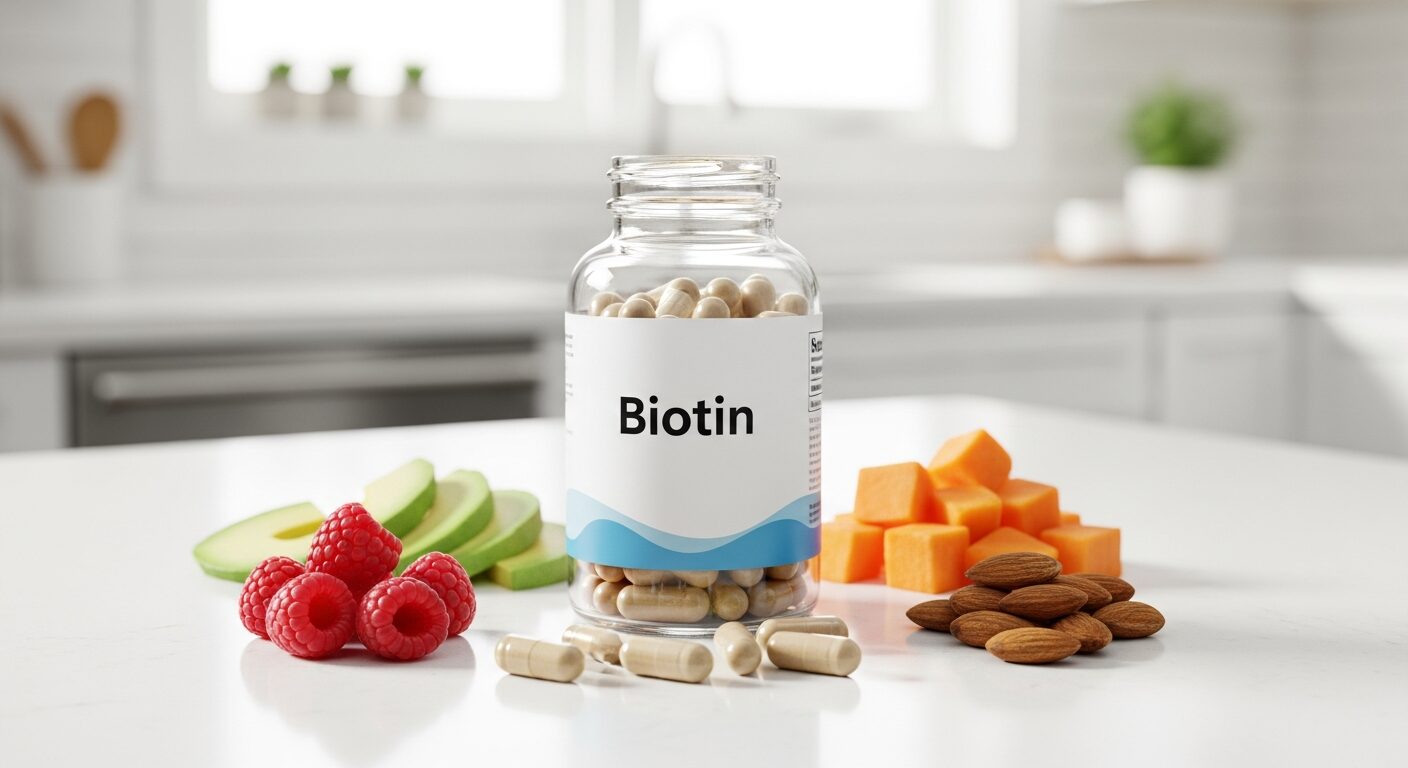
Biotin, also known as vitamin B7 or vitamin H, is a water-soluble vitamin that plays a crucial role in energy metabolism and the health of your hair, skin, and nails. As biotin supplements have gained popularity for their potential beauty benefits, many people wonder about the optimal dosage for their needs. Understanding the right amount of biotin to take can help you maximize benefits while avoiding potential side effects or interactions.
This comprehensive guide examines the science behind biotin dosing, from basic nutritional needs to therapeutic applications, helping you make an informed decision about biotin supplementation.
Contents
Understanding Biotin and Its Functions
Biotin serves as a coenzyme for several carboxylase enzymes involved in fatty acid synthesis, amino acid metabolism, and gluconeogenesis. These processes are fundamental to cellular energy production and the maintenance of healthy tissues throughout your body.
Your body cannot produce biotin on its own, so you must obtain it through diet or supplementation. While biotin deficiency is relatively rare in healthy individuals, certain populations may have increased needs or reduced absorption, making supplementation beneficial.
Natural Biotin Sources
Before considering supplements, it’s worth noting that biotin is naturally present in many foods, including:
- Egg yolks
- Liver and other organ meats
- Nuts and seeds
- Sweet potatoes
- Mushrooms
- Avocados
- Salmon
However, the biotin content in foods can vary significantly, and processing methods may affect bioavailability.
Recommended Daily Allowances and Adequate Intake
The National Institutes of Health has established Adequate Intake (AI) levels for biotin, as there isn’t enough scientific evidence to determine precise Recommended Daily Allowances (RDAs). These AI levels represent the amount considered sufficient for most healthy individuals:
- Adults (19+ years): 30 micrograms (mcg) daily
- Pregnant women: 30 mcg daily
- Breastfeeding women: 35 mcg daily
- Children (9-18 years): 25 mcg daily
- Children (4-8 years): 20 mcg daily
These amounts are designed to prevent deficiency and maintain basic physiological functions. However, supplement doses often exceed these recommendations significantly.
Biotin Supplement Dosages
Commercial biotin supplements typically contain doses ranging from 30 mcg to 10,000 mcg (10 mg) or even higher. This wide range can be confusing, especially when supplement labels may contain doses hundreds of times higher than the AI.
Common Supplement Doses
Low-dose supplements (30-100 mcg): These doses align more closely with nutritional needs and are suitable for general health maintenance or mild deficiency prevention.
Medium-dose supplements (1,000-5,000 mcg): These are popular for hair, skin, and nail health support. Many users report benefits at these levels, though scientific evidence for cosmetic benefits remains limited.
High-dose supplements (5,000-10,000+ mcg): These doses are sometimes used for specific therapeutic purposes or by individuals with certain medical conditions affecting biotin metabolism.
Factors Affecting Biotin Dosage Needs
Several factors may influence your optimal biotin dosage:
Medical Conditions
Certain conditions can increase biotin requirements or impair absorption. Biotinidase deficiency and holocarboxylase synthetase deficiency are genetic disorders that significantly impact biotin metabolism and may require high-dose supplementation under medical supervision.
Individuals with diabetes, liver disease, or malabsorption disorders may also benefit from higher biotin intake.
Pregnancy and Breastfeeding
Biotin requirements increase during pregnancy and lactation. Research suggests that marginal biotin deficiency may be more common during pregnancy than previously thought, potentially affecting both maternal and fetal health.
Medications
Certain medications can interfere with biotin absorption or metabolism:
- Anticonvulsants (particularly phenytoin, carbamazepine, and phenobarbital)
- Antibiotics (long-term use)
- Isotretinoin
If you’re taking these medications, consult your healthcare provider about potential biotin supplementation.
Dietary Factors
Raw egg whites contain avidin, a protein that binds biotin and prevents its absorption. Regular consumption of raw eggs could theoretically increase biotin needs, though this is rarely a practical concern for most people.
Safety and Side Effects
Biotin is generally considered safe, even at high doses, because it’s water-soluble and excess amounts are typically excreted in urine. No tolerable upper intake level has been established due to the lack of reported adverse effects from high biotin intake.
However, very high doses of biotin can potentially cause:
- Laboratory test interference, particularly with cardiac troponin tests
- Skin rashes (rare)
- Digestive upset (uncommon)
Laboratory Test Interference
One of the most significant concerns with high-dose biotin supplementation is its potential to interfere with certain laboratory tests. High biotin levels can cause falsely elevated or depressed results in tests that use biotin-streptavidin technology, including some cardiac markers, hormone tests, and vitamin D tests.
If you’re taking biotin supplements, inform your healthcare provider before any blood tests, and consider discontinuing supplementation for 2-3 days before testing if possible.
Evidence for Different Dosages
The scientific evidence supporting specific biotin doses for various purposes is mixed:
Hair, Skin, and Nail Health
While biotin deficiency can indeed cause hair loss and skin problems, evidence for biotin supplementation improving hair, skin, and nail health in non-deficient individuals remains limited. Most studies showing benefits have used doses ranging from 2,500 to 5,000 mcg daily.
Metabolic Support
Some research suggests biotin may help with glucose metabolism and insulin sensitivity, particularly in people with diabetes. Studies investigating these effects have typically used doses between 5,000 to 15,000 mcg daily.
How to Choose Your Biotin Dosage
When determining your optimal biotin dosage, consider the following approach:
- Start conservatively: Begin with a dose closer to the AI (30-100 mcg) unless you have specific reasons to use higher amounts.
- Assess your risk factors: Consider whether you have conditions or take medications that might increase your biotin needs.
- Monitor your response: Give any dosage at least 2-3 months to show potential effects, as hair and nail growth cycles are relatively slow.
- Consult healthcare providers: Discuss biotin supplementation with your doctor, especially if you take medications or have medical conditions.
🌿 Looking for Biotin Supplements?
Browse top-rated Biotin supplements, independently tested and recommended by our editorial team.
Affiliate disclosure: We may earn a small commission at no extra cost to you.
Frequently Asked Questions
Can you take too much biotin?
While biotin toxicity is extremely rare due to its water-soluble nature, very high doses may interfere with laboratory tests and could potentially cause minor side effects like skin rashes. It’s best to avoid unnecessarily high doses unless medically indicated.
How long does it take to see results from biotin supplementation?
If you’re going to see benefits from biotin supplementation, it typically takes 2-4 months for noticeable changes in hair and nail health, as these tissues grow slowly. Skin changes might be apparent sooner, within 4-6 weeks.
Should I take biotin with food?
Biotin can be taken with or without food. However, taking it with a meal may help reduce any potential stomach upset and may improve absorption for some individuals.
Is it safe to take biotin long-term?
Current evidence suggests that long-term biotin supplementation is safe for most people. However, it’s wise to periodically reassess your need for supplementation and discuss long-term use with your healthcare provider.
What’s the difference between biotin and other B vitamins?
Biotin (B7) has specific functions in fat and carbohydrate metabolism and is particularly associated with hair, skin, and nail health. While it works synergistically with other B vitamins, its roles and dosage requirements are distinct from other members of the B-vitamin complex.
Medical Disclaimer
This article is for informational purposes only and does not constitute medical advice. The information provided should not be used to diagnose, treat, cure, or prevent any disease or medical condition. Individual nutritional needs vary, and biotin requirements may differ based on age, health status, medications, and other factors. Before starting any new supplement regimen, including biotin, consult with a qualified healthcare professional, especially if you have pre-existing medical conditions, take medications, are pregnant or breastfeeding, or are planning medical procedures that involve laboratory testing. Always inform your healthcare provider about all supplements you’re taking to avoid potential interactions or test interferences.