
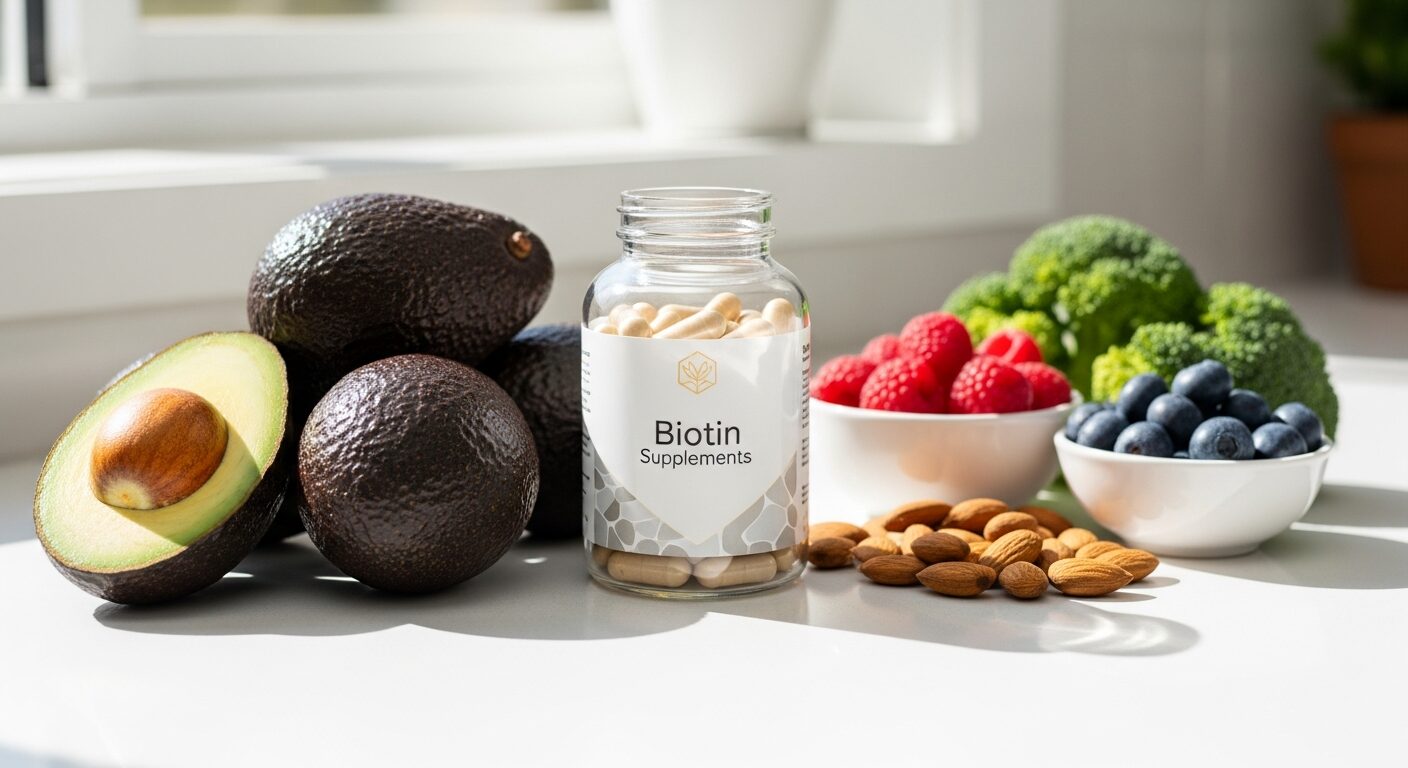
Biotin, also known as vitamin B7 or vitamin H, has gained significant attention in recent years as a key nutrient for maintaining healthy hair, skin, and nails. This water-soluble B vitamin plays a crucial role in various metabolic processes throughout the body, particularly in the synthesis of keratin, the primary structural protein found in hair, skin, and nails. While biotin deficiency is relatively rare in developed countries, many people turn to biotin supplementation hoping to enhance the appearance and strength of their hair, skin, and nails.
Understanding the science behind biotin’s effects on these tissues can help you make informed decisions about whether biotin supplementation might benefit your beauty routine and overall health. From its fundamental role in cellular metabolism to its specific impacts on keratin production, biotin offers several mechanisms through which it may support the health and appearance of your hair, skin, and nails.
Contents
What is Biotin and How Does It Work?
Biotin functions as a coenzyme in several important metabolic pathways, particularly those involved in the metabolism of fats, carbohydrates, and proteins. At the cellular level, biotin assists enzymes called carboxylases, which are essential for processes like fatty acid synthesis, amino acid metabolism, and glucose production. These metabolic functions are fundamental to maintaining healthy cellular function throughout the body, including in the rapidly dividing cells that make up hair follicles, skin tissue, and nail beds.
The connection between biotin and beauty-related benefits stems from its role in keratin synthesis. Keratin is a fibrous structural protein that provides strength, structure, and protection to hair, skin, and nails. When biotin levels are adequate, the body can efficiently produce the proteins and lipids necessary for maintaining the integrity of these keratinized tissues.
Biotin’s Role in Gene Regulation
Beyond its enzymatic functions, biotin also plays a role in gene expression through a process called biotinylation. This process involves the attachment of biotin to histone proteins, which can influence how genes are turned on or off. Some research suggests that biotin may help regulate the expression of genes involved in keratin production, though this area of research is still developing.
Biotin Benefits for Hair Health
Hair health is perhaps the most well-known application of biotin supplementation. Hair follicles are among the most metabolically active tissues in the body, requiring a steady supply of nutrients to maintain the rapid cell division necessary for hair growth. Biotin supports this process through several mechanisms.
The protein structure of hair is primarily composed of keratin, and biotin plays a vital role in the synthesis of this protein. When biotin levels are sufficient, the hair shaft can develop with proper structural integrity, potentially resulting in stronger, more resilient hair that is less prone to breakage and splitting.
Patel et al., 2017 conducted a comprehensive review of biotin’s role in hair and nail health, finding that while biotin deficiency clearly leads to hair problems, the evidence for biotin supplementation in individuals with normal biotin status remains limited but promising in certain populations.
Hair Growth and Thickness
Some studies suggest that biotin supplementation may help improve hair growth rate and thickness, particularly in individuals with underlying biotin deficiency or certain genetic conditions affecting biotin metabolism. The vitamin supports the proliferation of hair matrix cells, which are responsible for producing the hair shaft.
Additionally, biotin may help improve the overall quality of hair by supporting the production of fatty acids that contribute to hair shine and manageability. These lipids help maintain the hair’s natural moisture barrier and can contribute to a healthier appearance.
Biotin’s Impact on Skin Health
The skin benefits from biotin through several pathways related to cellular metabolism and barrier function. As the body’s largest organ, the skin requires substantial metabolic support to maintain its protective barrier, regulate temperature, and continuously renew itself through the process of cellular turnover.
Biotin supports skin health by facilitating the metabolism of fatty acids, which are crucial components of the skin’s lipid barrier. This barrier helps retain moisture, protect against environmental stressors, and maintain the skin’s overall integrity. When biotin levels are adequate, the skin is better able to maintain proper hydration and resilience.
Skin Appearance and Texture
Regular biotin intake may contribute to improved skin texture and appearance through its support of protein synthesis and cellular renewal. The vitamin helps ensure that skin cells can properly form the structural proteins necessary for maintaining smooth, healthy-looking skin.
Some individuals report improvements in skin clarity and reduced signs of dermatitis when maintaining adequate biotin levels, though these effects are most pronounced in cases where biotin deficiency was previously present.
Strengthening Nails with Biotin
Nail health represents one of the most researched applications of biotin supplementation. Fingernails and toenails are composed primarily of keratin, the same protein found in hair and the outer layer of skin. The nail matrix, where nail growth occurs, requires consistent nutrient supply to produce strong, healthy nails.
Hochman et al., 1993 demonstrated that biotin supplementation could significantly improve nail thickness and reduce nail splitting in individuals with brittle nail syndrome. This study showed measurable improvements in nail quality after several months of biotin supplementation.
Biotin supports nail health by enhancing the cross-linking of keratin proteins within the nail structure. This cross-linking provides greater structural integrity, potentially resulting in nails that are less prone to breaking, splitting, or peeling.
Nail Growth Rate
While individual results may vary, some research suggests that adequate biotin levels may support optimal nail growth rates. The nail matrix cells responsible for nail production require substantial metabolic support, and biotin’s role in cellular metabolism may contribute to more efficient nail formation.
Scientific Evidence and Research
The scientific literature on biotin supplementation for cosmetic purposes presents a nuanced picture. While biotin deficiency clearly results in hair, skin, and nail problems, the evidence for supplementation benefits in individuals with normal biotin status is more limited.
Lipner & Scher, 2018 provided a comprehensive review of biotin for nail disorders, noting that while some studies show promising results, more research is needed to establish definitive recommendations for biotin supplementation in healthy individuals.
Most positive studies on biotin supplementation have focused on individuals with diagnosed biotin deficiency, genetic disorders affecting biotin metabolism, or specific conditions like brittle nail syndrome. The benefits for individuals with normal biotin status and no underlying deficiencies remain an area of ongoing research.
Dosage and Considerations
The recommended daily intake of biotin for adults is 30 micrograms per day, though many supplements contain much higher amounts, often ranging from 1,000 to 10,000 micrograms. Biotin is water-soluble, meaning excess amounts are typically excreted through urine rather than stored in the body, which generally makes high doses well-tolerated.
However, it’s important to note that high-dose biotin supplementation can interfere with certain laboratory tests, particularly those measuring cardiac markers and thyroid hormones. If you’re taking biotin supplements, inform your healthcare provider before any blood tests.
🌿 Looking for Biotin Supplements?
Browse top-rated Biotin supplements, independently tested and recommended by our editorial team.
Affiliate disclosure: We may earn a small commission at no extra cost to you.
Frequently Asked Questions
How long does it take to see results from biotin supplementation?
Most studies suggest that noticeable improvements in nail strength may become apparent after 6-9 months of consistent supplementation, while hair and skin benefits may take 3-6 months to become evident. This timeline reflects the natural growth cycles of these tissues.
Can you take too much biotin?
Biotin is generally considered safe even at high doses because it’s water-soluble and excess amounts are excreted through urine. However, very high doses may interfere with laboratory test results and could potentially cause skin reactions in sensitive individuals.
Who should consider biotin supplementation?
Biotin supplementation may be most beneficial for individuals with diagnosed biotin deficiency, brittle nail syndrome, or certain genetic conditions affecting biotin metabolism. Pregnant and breastfeeding women may also have increased biotin needs.
Are there food sources of biotin?
Yes, biotin is found in various foods including eggs (particularly egg yolks), nuts, seeds, fish, meat, dairy products, and certain vegetables like sweet potatoes and spinach. A balanced diet typically provides adequate biotin for most people.
Can biotin supplementation replace a healthy diet and lifestyle?
No, biotin supplementation should complement, not replace, a healthy diet and lifestyle. Overall nutrition, hydration, stress management, and proper hair and skin care practices remain fundamental to maintaining healthy hair, skin, and nails.
Medical Disclaimer
This article is for informational purposes only and is not intended to replace professional medical advice, diagnosis, or treatment. Always consult with a qualified healthcare provider before starting any new supplement regimen, especially if you have underlying health conditions, are taking medications, or are pregnant or breastfeeding. Individual results may vary, and the information presented here should not be used to self-diagnose or treat any health condition.