
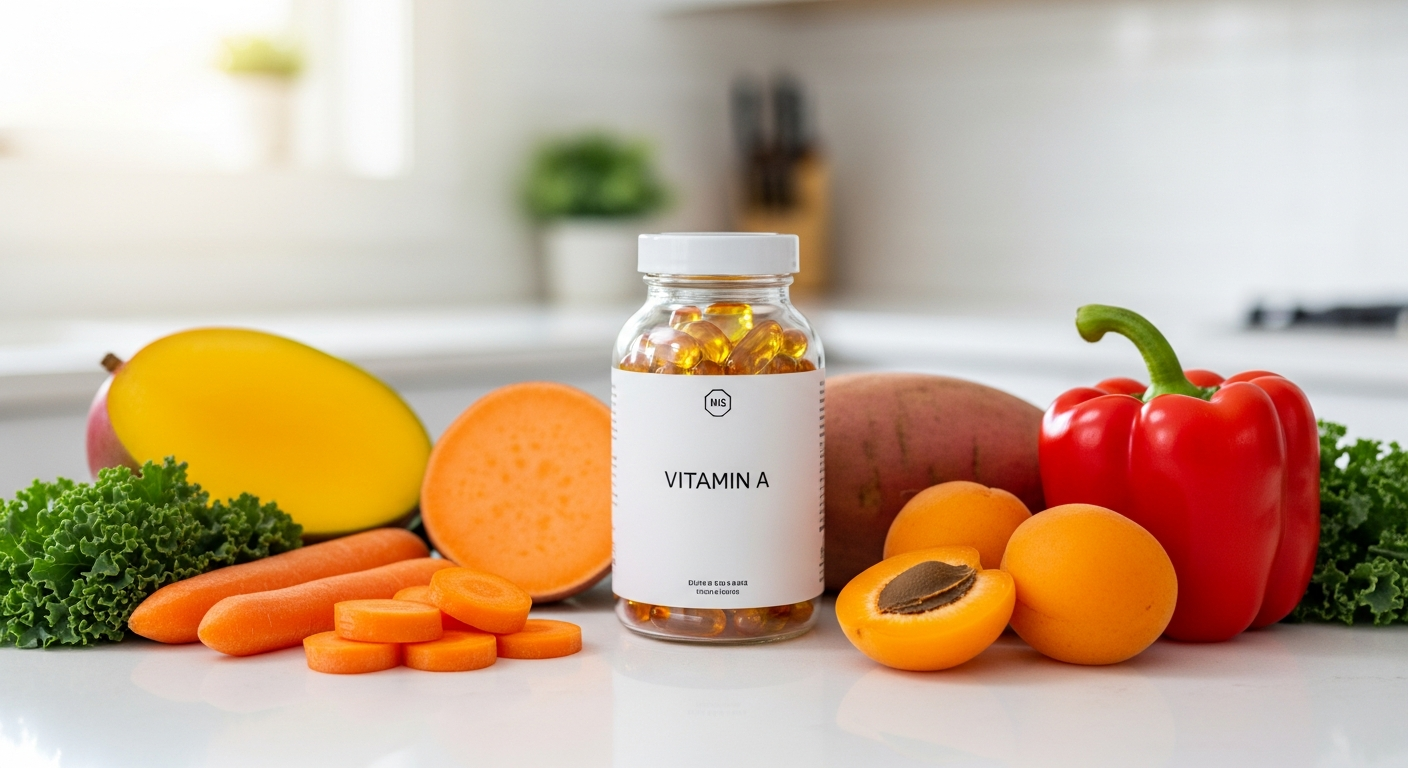
Vitamin A stands as one of the most crucial fat-soluble vitamins essential for human health, playing vital roles in vision, immune function, cellular growth, and reproduction. This powerful nutrient exists in multiple forms and can be obtained through various dietary sources or supplements. Understanding vitamin A’s complexity, benefits, and proper usage is essential for anyone looking to optimize their health through nutrition.
Contents
What is Vitamin A?
Vitamin A is a fat-soluble vitamin that encompasses a group of compounds including retinol, retinal, retinoic acid, and several provitamin A carotenoids. Unlike water-soluble vitamins that need daily replenishment, vitamin A can be stored in the liver and fatty tissues for extended periods. This storage capability makes deficiency less common in developed countries but also increases the risk of toxicity from excessive supplementation.
The vitamin exists in two primary dietary forms: preformed vitamin A (retinoids) found in animal products, and provitamin A carotenoids found in plant-based foods. The most well-known provitamin A carotenoid is beta-carotene, which the body converts to active vitamin A as needed.
Types and Forms of Vitamin A
Preformed Vitamin A (Retinoids)
Preformed vitamin A includes retinol, retinal, and retinoic acid, which are readily available for the body to use. These forms are found exclusively in animal-derived foods such as liver, fish oils, eggs, and dairy products. Retinol represents the most common form in supplements and is easily converted to other active forms as the body requires them.
Provitamin A Carotenoids
Provitamin A carotenoids are plant pigments that the body can convert into active vitamin A. The most important include beta-carotene, alpha-carotene, and beta-cryptoxanthin. These compounds are found in colorful fruits and vegetables, particularly orange, red, and dark green varieties. The conversion efficiency varies among individuals and is influenced by factors such as genetics, overall health status, and the presence of dietary fats.
Health Benefits of Vitamin A
Vision and Eye Health
Vitamin A’s most famous role involves maintaining healthy vision. Retinal, a form of vitamin A, combines with the protein opsin to form rhodopsin, a molecule essential for low-light and color vision. Deficiency can lead to night blindness and, in severe cases, complete blindness. Vitamin A deficiency remains a leading cause of preventable blindness worldwide, particularly in developing countries.
Immune System Support
Vitamin A plays a critical role in maintaining immune function by supporting the integrity of skin and mucous membranes, which serve as the body’s first line of defense against pathogens. It also influences the development and function of white blood cells, including T-cells and B-cells, which are crucial for adaptive immunity.
Cellular Growth and Development
The vitamin is essential for proper cell division, differentiation, and communication. It regulates gene expression and plays vital roles in embryonic development, making adequate intake particularly important during pregnancy and childhood growth periods.
Skin Health
Vitamin A supports skin cell production and repair, helping maintain healthy skin texture and appearance. Topical retinoids, derivatives of vitamin A, are widely used in dermatology for treating acne and reducing signs of aging.
Natural Food Sources
Animal Sources (Preformed Vitamin A)
The richest sources of preformed vitamin A include beef liver, which contains exceptionally high levels, followed by fish liver oils, salmon, tuna, and other fatty fish. Dairy products like milk, cheese, and butter provide moderate amounts, while eggs contribute both to the yolk’s retinol content.
Plant Sources (Provitamin A Carotenoids)
Colorful fruits and vegetables serve as excellent sources of provitamin A carotenoids. Sweet potatoes, carrots, spinach, kale, and other dark leafy greens top the list. Orange and yellow fruits like cantaloupe, apricots, and mangoes also provide significant amounts. Red bell peppers, broccoli, and winter squash round out the plant-based options.
Recommended Daily Intake
The recommended dietary allowance (RDA) for vitamin A varies by age, sex, and life stage. Adult men require 900 micrograms of retinol activity equivalents (RAE) daily, while adult women need 700 micrograms RAE. Pregnant women should consume 770 micrograms RAE, and breastfeeding mothers require 1,300 micrograms RAE daily.
Children’s needs range from 300-600 micrograms RAE depending on age. These recommendations account for both preformed vitamin A and provitamin A carotenoids, with conversion factors applied to carotenoid intake.
Signs of Vitamin A Deficiency
Vitamin A deficiency, though rare in developed countries, can have serious health consequences. Early signs include night blindness and dry eyes. Severe deficiency can progress to xerophthalmia, corneal damage, and irreversible blindness. Other symptoms include dry, rough skin, increased susceptibility to infections, delayed wound healing, and impaired growth in children.
Certain populations face higher deficiency risks, including individuals with malabsorption disorders, those following very low-fat diets, people with chronic liver disease, and populations in developing countries with limited access to diverse foods.
Vitamin A Supplementation
When to Consider Supplements
Most people can meet their vitamin A needs through a balanced diet rich in colorful fruits, vegetables, and animal products. However, supplementation may be beneficial for individuals with malabsorption issues, those following restrictive diets, pregnant and breastfeeding women with inadequate dietary intake, and people living in areas with limited food diversity.
Types of Supplements
Vitamin A supplements come in various forms, including retinol, retinyl palmitate, and beta-carotene. Retinol and retinyl palmitate provide preformed vitamin A, while beta-carotene offers a safer alternative as the body converts only what it needs, reducing toxicity risk.
Safety and Toxicity Concerns
While vitamin A deficiency poses serious health risks, excessive intake can be equally dangerous. Acute toxicity from very high doses can cause nausea, vomiting, headache, and dizziness. Chronic overconsumption may lead to liver damage, bone pain, skin changes, and birth defects when occurring during pregnancy.
The tolerable upper intake level (UL) for adults is set at 3,000 micrograms RAE daily from preformed vitamin A sources. Beta-carotene from food sources doesn’t typically cause toxicity, though excessive supplementation may increase lung cancer risk in smokers.
Interactions and Considerations
Vitamin A absorption and metabolism can be affected by various factors. Dietary fat enhances absorption, while zinc deficiency can impair vitamin A utilization. Certain medications, including some cholesterol-lowering drugs and weight-loss medications, may reduce vitamin A absorption. Alcohol consumption can interfere with vitamin A storage and metabolism, particularly in the liver.
🌿 Looking for Vitamin A Supplements?
Browse top-rated Vitamin A supplements, independently tested and recommended by our editorial team.
Affiliate disclosure: We may earn a small commission at no extra cost to you.
Frequently Asked Questions
Can I get too much vitamin A from eating carrots and other orange vegetables?
It’s virtually impossible to develop vitamin A toxicity from eating carotenoid-rich foods like carrots. The body converts beta-carotene to vitamin A only as needed. However, eating excessive amounts of carotenoid-rich foods may cause harmless orange discoloration of the skin called carotenemia.
Is vitamin A safe during pregnancy?
Pregnant women need adequate vitamin A for fetal development, but excessive intake of preformed vitamin A can cause birth defects. It’s generally safer for pregnant women to meet their needs through food sources and prenatal vitamins containing appropriate amounts rather than high-dose supplements.
What’s the difference between IU and RAE measurements for vitamin A?
IU (International Units) is an older measurement system, while RAE (Retinol Activity Equivalents) is the current standard. RAE more accurately reflects the different conversion rates of various vitamin A compounds. One RAE equals approximately 3.33 IU of preformed vitamin A.
Can vitamin A help with acne?
Vitamin A and its derivatives can be effective for acne treatment, but this typically involves topical retinoids or oral medications prescribed by healthcare providers. While adequate vitamin A intake supports overall skin health, dietary vitamin A alone isn’t usually sufficient for treating acne.
How long does it take to correct a vitamin A deficiency?
The timeline for correcting vitamin A deficiency depends on its severity and the treatment approach. Mild deficiencies may improve within weeks of increased dietary intake or appropriate supplementation, while severe deficiencies requiring medical intervention may take several months to fully resolve.
Medical Disclaimer
This article is for informational purposes only and is not intended to replace professional medical advice, diagnosis, or treatment. Always consult with a qualified healthcare provider before starting any supplementation regimen, especially if you have pre-existing health conditions, are pregnant or breastfeeding, or are taking medications. Individual nutritional needs vary, and what works for one person may not be appropriate for another.