
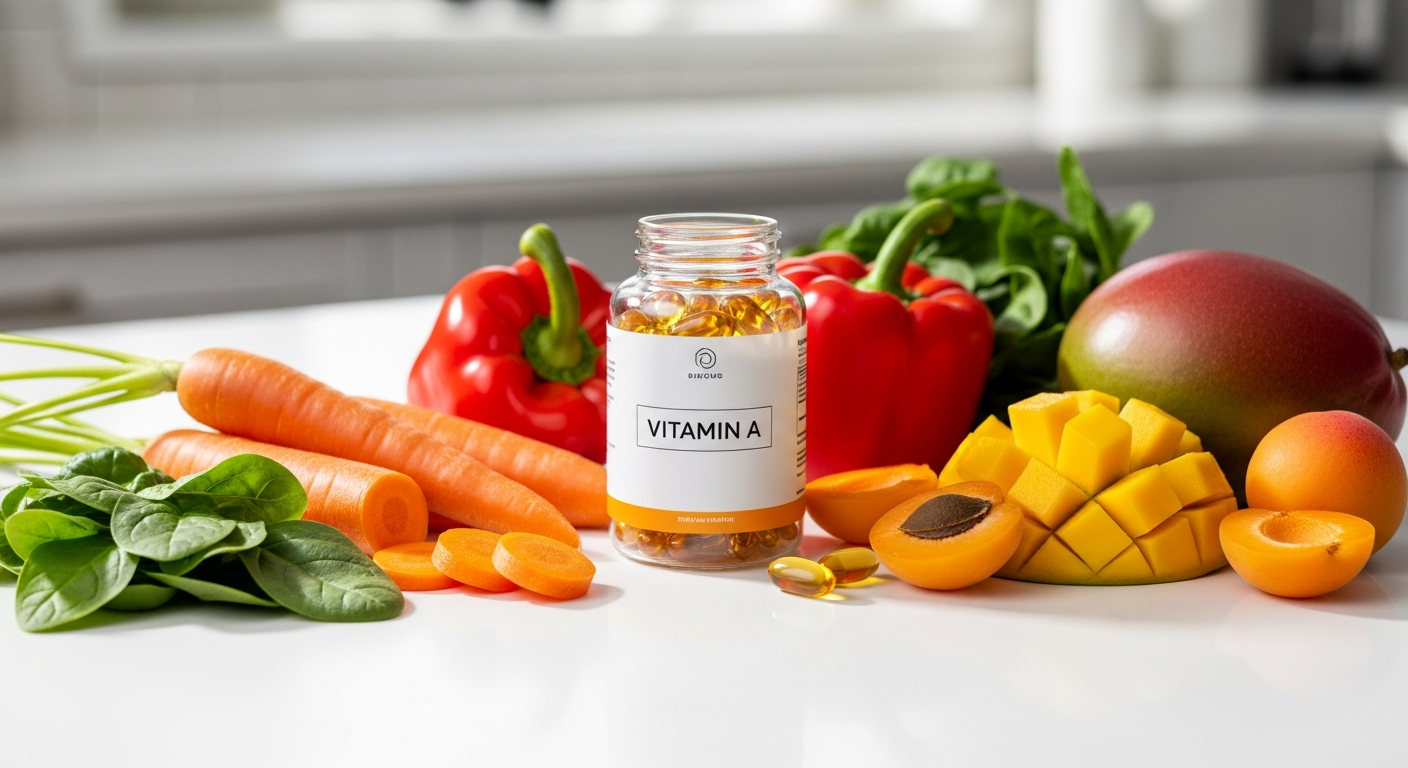
Vitamin A plays a crucial role in maintaining healthy vision, supporting immune function, and promoting proper cell growth and development. However, determining the right dosage can be challenging, as both deficiency and toxicity can lead to serious health consequences. This comprehensive guide will help you understand how much vitamin A you need, the different forms available, and how to safely incorporate it into your daily routine.
Contents
Understanding Vitamin A: Types and Functions
Vitamin A exists in two primary forms: preformed vitamin A (retinoids) found in animal products, and provitamin A carotenoids found in plant foods. The most common forms include retinol, retinal, retinoic acid, and beta-carotene. Your body can convert beta-carotene and other carotenoids into active vitamin A as needed.
This fat-soluble vitamin serves multiple essential functions in your body. It’s perhaps best known for its role in vision, particularly night vision, where it helps form rhodopsin, a protein that allows your eyes to see in low-light conditions. Additionally, vitamin A supports immune system function, helps maintain healthy skin and mucous membranes, and plays a vital role in cell differentiation and reproduction.
Recommended Daily Intake Guidelines
Age-Specific Requirements
The recommended dietary allowances (RDAs) for vitamin A are expressed in micrograms of retinol activity equivalents (RAE), which accounts for the different potencies of various vitamin A compounds. For adult men, the RDA is 900 mcg RAE daily, while adult women need 700 mcg RAE per day. Pregnant women require slightly more at 770 mcg RAE, and breastfeeding mothers need 1,300 mcg RAE daily.
Children’s requirements vary by age: infants 0-6 months need 400 mcg RAE, those 7-12 months require 500 mcg RAE, and children 1-3 years need 300 mcg RAE daily. As children grow, their requirements increase to 400 mcg RAE for ages 4-8, 600 mcg RAE for ages 9-13, and approach adult levels during adolescence.
Special Populations and Increased Needs
Certain individuals may require higher vitamin A intake due to specific circumstances. People with malabsorption disorders, such as celiac disease or Crohn’s disease, may need additional vitamin A since their bodies struggle to absorb fat-soluble vitamins effectively. Those following strict vegan diets might also need to pay closer attention to their intake, as plant-based sources provide only provitamin A carotenoids, which must be converted to active vitamin A.
Individuals with certain medical conditions, including diabetes or thyroid disorders, may have reduced ability to convert beta-carotene to active vitamin A. Additionally, people who consume excessive alcohol or take certain medications may experience increased vitamin A needs or reduced absorption.
Signs of Vitamin A Deficiency
Vitamin A deficiency remains a significant global health issue, particularly in developing countries. Vitamin A deficiency and clinical disease: an historical overview, 2013 highlights that deficiency can lead to serious health complications if left untreated.
Early signs of deficiency include night blindness, where individuals struggle to see in dim lighting conditions. This progresses to more severe eye problems, including dry eyes (xerophthalmia), corneal ulcers, and potentially irreversible blindness. The immune system also becomes compromised, leading to increased susceptibility to infections, particularly respiratory and gastrointestinal illnesses.
Other symptoms may include dry, rough skin, delayed wound healing, poor bone growth in children, and reproductive problems. In severe cases, deficiency can contribute to increased mortality rates, especially among children and pregnant women in areas where malnutrition is common.
Vitamin A Toxicity: Too Much of a Good Thing
Acute vs. Chronic Toxicity
While vitamin A is essential for health, excessive intake can lead to toxicity, particularly with preformed vitamin A from supplements or animal sources. The tolerable upper intake level (UL) for adults is set at 3,000 mcg RAE daily, though toxicity symptoms can occur at lower levels with chronic overconsumption.
Acute toxicity typically occurs after consuming very large amounts of vitamin A in a short period, often from supplements. Symptoms include nausea, vomiting, headache, dizziness, and blurred vision. Chronic toxicity develops over time with consistent overconsumption and presents with more serious symptoms including liver damage, bone pain, skin changes, and hair loss.
Special Concerns for Pregnant Women
Teratogenicity of high vitamin A intake, 1995 demonstrates that excessive vitamin A intake during pregnancy can cause birth defects, particularly affecting the central nervous system, heart, and limbs. Pregnant women should be especially cautious about vitamin A supplements and avoid high-dose formulations unless specifically recommended by their healthcare provider.
Food Sources vs. Supplements
Natural Food Sources
The best approach to meeting vitamin A needs is through a balanced diet rich in both preformed vitamin A and carotenoid sources. Excellent sources of preformed vitamin A include liver, fish liver oils, dairy products, and eggs. Sweet potatoes, carrots, spinach, kale, and other orange and dark green vegetables provide abundant beta-carotene and other carotenoids.
One medium sweet potato provides approximately 1,400 mcg RAE, easily meeting daily requirements. Similarly, a cup of cooked spinach contains about 940 mcg RAE. These whole food sources also provide additional nutrients and fiber that support overall health.
When to Consider Supplements
Supplementation may be beneficial for individuals with diagnosed deficiency, those with malabsorption disorders, or people living in areas where vitamin A-rich foods are scarce. However, Vitamin A supplementation: implications for morbidity and mortality in children, 2017 emphasizes the importance of appropriate dosing, particularly in vulnerable populations.
When choosing supplements, consider products that contain mixed carotenoids or lower doses of preformed vitamin A to reduce toxicity risk. Beta-carotene supplements are generally safer since the body regulates conversion to active vitamin A, though they may not be suitable for smokers due to potential increased cancer risk.
Optimizing Vitamin A Absorption
Since vitamin A is fat-soluble, consuming it with dietary fats enhances absorption. Adding a small amount of healthy oil to carotenoid-rich vegetables or eating them with nuts, seeds, or avocado can significantly improve uptake. Cooking and chopping carotenoid-containing foods also breaks down cell walls, making these compounds more bioavailable.
Certain factors can impair vitamin A absorption, including excessive alcohol consumption, zinc deficiency, and some medications. Maintaining adequate zinc levels is particularly important, as this mineral is required for vitamin A metabolism and transport in the body.
🌿 Looking for Vitamin A Supplements?
Browse top-rated Vitamin A supplements, independently tested and recommended by our editorial team.
Affiliate disclosure: We may earn a small commission at no extra cost to you.
Frequently Asked Questions
Can I get too much vitamin A from food alone?
It’s very difficult to reach toxic levels of vitamin A from food sources alone, except from consuming large amounts of liver regularly. Plant-based carotenoids rarely cause toxicity since the body regulates their conversion to active vitamin A. However, supplements can easily provide excessive amounts.
How do I know if I’m getting enough vitamin A?
Most people in developed countries get adequate vitamin A from their diet. Signs of deficiency include night blindness, frequent infections, and dry skin. If you’re concerned about your status, consult with a healthcare provider who can assess your diet and potentially order blood tests.
Is beta-carotene the same as vitamin A?
Beta-carotene is a provitamin A carotenoid that your body converts to active vitamin A as needed. While it’s a vitamin A precursor, it’s not identical to preformed vitamin A found in animal products. The conversion rate varies among individuals and decreases when vitamin A stores are adequate.
Should children take vitamin A supplements?
Most children in developed countries don’t need vitamin A supplements if they eat a varied diet including fruits and vegetables. However, children with malabsorption disorders or very limited diets might benefit from supplementation under medical supervision. Always consult a pediatrician before giving supplements to children.
Can vitamin A help with acne?
Vitamin A and its derivatives are used in acne treatment, but this should only be done under medical supervision. While adequate vitamin A supports healthy skin, excessive intake can cause skin problems. Topical retinoids are more commonly used for acne treatment than oral vitamin A supplements.
Medical Disclaimer
This article is for informational purposes only and should not be considered medical advice. The information provided is not intended to diagnose, treat, cure, or prevent any disease. Individual vitamin A needs may vary based on age, health status, diet, and other factors. Before starting any supplementation regimen or making significant dietary changes, especially if you have existing health conditions, are pregnant or breastfeeding, or are taking medications, consult with a qualified healthcare professional. They can provide personalized recommendations based on your specific circumstances and health needs.