
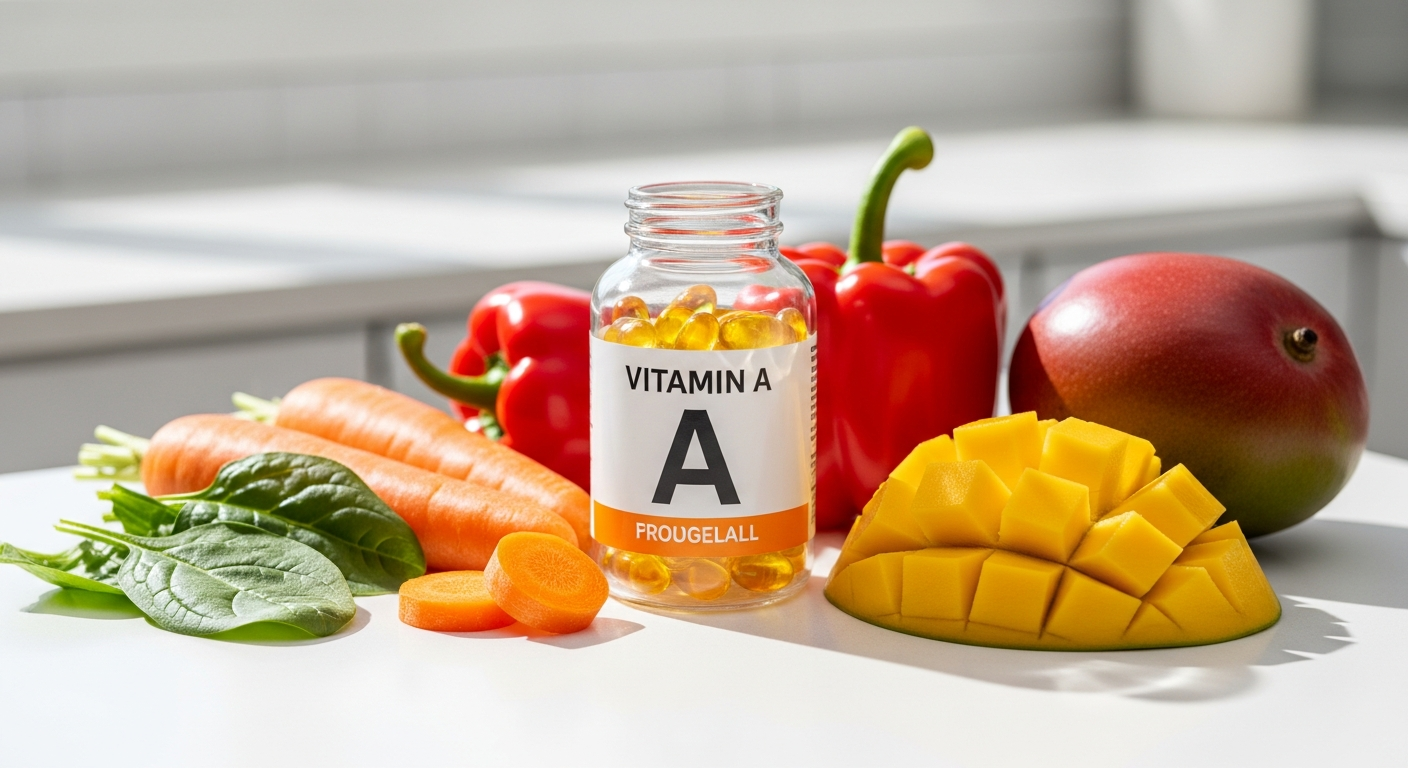
Vitamin A plays a crucial role in maintaining healthy vision, supporting immune function, and promoting proper cell growth and development. However, when it comes to vitamin A supplementation, consumers often face a choice between two primary forms: retinol and beta-carotene. Understanding the differences between these compounds can help you make an informed decision about which form might be better suited for your health needs.
Both retinol and beta-carotene serve as sources of vitamin A, but they differ significantly in their chemical structure, absorption mechanisms, and potential health effects. This comprehensive comparison will explore the science behind each form, their respective benefits and drawbacks, and help you determine which option aligns best with your health goals.
Contents
- 1 Understanding Retinol: The Active Form
- 2 Exploring Beta-Carotene: The Plant-Based Precursor
- 3 Safety Considerations and Toxicity Risks
- 4 Absorption and Bioavailability Factors
- 5 Which Form Is Right for You?
- 6 Frequently Asked Questions
- 6.1 Can I take both retinol and beta-carotene supplements together?
- 6.2 How long does it take to see benefits from vitamin A supplementation?
- 6.3 Are there any medications that interact with vitamin A supplements?
- 6.4 What’s the difference between synthetic and natural beta-carotene?
- 6.5 Who should avoid high-dose vitamin A supplements?
- 7 Medical Disclaimer
Understanding Retinol: The Active Form
Retinol represents the preformed, active version of vitamin A found primarily in animal-derived foods and supplements. As a fat-soluble vitamin, retinol is readily absorbed by the body and can be immediately utilized for various physiological functions without requiring conversion.
How Retinol Works in the Body
Once absorbed, retinol travels through the bloodstream bound to retinol-binding protein and is stored primarily in the liver. The body can then convert retinol into its active metabolites, including retinal (essential for vision) and retinoic acid (important for gene expression and cell differentiation).
The efficiency of retinol absorption is particularly high, with the body able to utilize nearly 100% of ingested retinol under normal circumstances. This high bioavailability makes retinol supplements especially effective for addressing vitamin A deficiencies quickly.
Benefits of Retinol Supplementation
Retinol supplementation offers several distinct advantages. Its immediate bioavailability makes it highly effective for treating vitamin A deficiency, particularly in populations at risk. Vitamin A supplementation and mortality related to measles: a randomised controlled trial, 2005 demonstrated significant reductions in mortality rates among children receiving vitamin A supplementation.
For individuals with digestive issues or malabsorption disorders, retinol may be preferable since it doesn’t require the conversion process that beta-carotene needs. Additionally, retinol supplements typically require smaller doses to achieve the same vitamin A activity compared to beta-carotene.
Exploring Beta-Carotene: The Plant-Based Precursor
Beta-carotene belongs to a group of compounds called carotenoids, which are responsible for the orange, yellow, and red pigments in many fruits and vegetables. As a provitamin A carotenoid, beta-carotene must be converted into retinol by the body before it can function as vitamin A.
The Conversion Process
When consumed, beta-carotene undergoes enzymatic conversion in the small intestine, where it’s cleaved by the enzyme beta-carotene 15,15′-dioxygenase to produce retinal, which is then converted to retinol. However, this conversion process is not 100% efficient, with approximately 12 micrograms of beta-carotene needed to produce 1 microgram of retinol activity.
The conversion rate can be influenced by various factors, including individual genetic variations, overall nutritional status, and the presence of dietary fats that enhance absorption. Some individuals may have reduced conversion efficiency due to genetic polymorphisms affecting the conversion enzymes.
Advantages of Beta-Carotene
Beta-carotene offers unique benefits beyond its role as a vitamin A precursor. As a powerful antioxidant, it helps neutralize harmful free radicals and may contribute to reduced oxidative stress throughout the body. This antioxidant activity is independent of its vitamin A function and provides additional health benefits.
One of the most significant advantages of beta-carotene is its built-in safety mechanism. Unlike retinol, beta-carotene is converted to vitamin A only as needed by the body, making it virtually impossible to develop vitamin A toxicity from beta-carotene consumption alone. Excess beta-carotene is either stored in adipose tissue or excreted, preventing the accumulation that can occur with retinol supplementation.
Safety Considerations and Toxicity Risks
Retinol Toxicity Concerns
Retinol supplementation carries a risk of vitamin A toxicity when consumed in excessive amounts. Acute toxicity can occur with very high single doses, while chronic toxicity may develop with prolonged intake of moderately elevated amounts. Symptoms of vitamin A toxicity include nausea, headaches, skin changes, liver damage, and in severe cases, bone abnormalities.
Pregnant women require special consideration when using retinol supplements, as excessive vitamin A intake during pregnancy has been associated with birth defects. The recommended upper limit for pregnant women is significantly lower than for other adults.
Beta-Carotene Safety Profile
Beta-carotene supplementation is generally considered safer than retinol due to its regulated conversion process. However, certain populations should exercise caution. The effect of vitamin E and beta carotene on the incidence of lung cancer, 1996 found increased lung cancer risk among smokers taking high-dose beta-carotene supplements.
The only common side effect of excessive beta-carotene consumption is carotenodermia, a harmless condition causing yellowish-orange skin discoloration that reverses when intake is reduced.
Absorption and Bioavailability Factors
The absorption of both retinol and beta-carotene depends on several factors that can significantly impact their effectiveness. Both compounds are fat-soluble, meaning they require dietary fat for optimal absorption. Taking these supplements with a meal containing healthy fats can improve their bioavailability.
Individual factors such as age, digestive health, and genetic variations can affect absorption rates. Older adults may have reduced absorption efficiency for both forms, while individuals with digestive disorders like celiac disease or Crohn’s disease may benefit more from retinol due to its direct availability.
Which Form Is Right for You?
The choice between retinol and beta-carotene depends on various individual factors and health goals. Retinol may be more appropriate for individuals with diagnosed vitamin A deficiency, malabsorption issues, or those requiring rapid correction of vitamin A status. Its high bioavailability and immediate usability make it effective for therapeutic purposes.
Beta-carotene might be better suited for general health maintenance, individuals concerned about vitamin A toxicity, or those seeking additional antioxidant benefits. Carotenoids and cardiovascular health, 2012 suggests that carotenoids like beta-carotene may support cardiovascular health through mechanisms beyond vitamin A activity.
For most healthy adults following a balanced diet, beta-carotene supplementation offers a safer long-term option for maintaining adequate vitamin A status while providing additional antioxidant benefits. However, individuals with specific health conditions or deficiencies may benefit more from retinol under medical supervision.
🌿 Looking for Vitamin A Supplements?
Browse top-rated Vitamin A supplements, independently tested and recommended by our editorial team.
Affiliate disclosure: We may earn a small commission at no extra cost to you.
Frequently Asked Questions
Can I take both retinol and beta-carotene supplements together?
While it’s possible to take both forms together, it’s generally unnecessary and may increase the risk of excessive vitamin A intake. If you choose to combine them, monitor your total vitamin A intake carefully and consult with a healthcare provider to ensure you stay within safe limits.
How long does it take to see benefits from vitamin A supplementation?
Retinol supplementation may show benefits within days to weeks, particularly for vision-related improvements. Beta-carotene may take longer to show effects due to the conversion process required. Most people notice improvements in skin health and immune function within 4-8 weeks of consistent supplementation.
Are there any medications that interact with vitamin A supplements?
Yes, certain medications can interact with vitamin A supplements. Blood thinners, acne medications containing retinoids, and some cholesterol-lowering drugs may interact with vitamin A. Always inform your healthcare provider about any supplements you’re taking before starting new medications.
What’s the difference between synthetic and natural beta-carotene?
Natural beta-carotene from food sources comes mixed with other carotenoids that may enhance absorption and provide additional benefits. Synthetic beta-carotene contains only the beta-carotene molecule. Some studies suggest natural sources may be more beneficial, though both forms can effectively provide vitamin A activity.
Who should avoid high-dose vitamin A supplements?
Pregnant women, smokers (for beta-carotene), individuals with liver disease, and those taking medications that affect vitamin A metabolism should avoid high-dose vitamin A supplements. People with a history of kidney stones should also use caution, as vitamin A can increase calcium excretion.
Medical Disclaimer
The information provided in this article is for educational purposes only and is not intended to replace professional medical advice, diagnosis, or treatment. Always consult with a qualified healthcare provider before starting any new supplement regimen, especially if you have existing health conditions, are pregnant or nursing, or are taking medications. Individual responses to supplements may vary, and what works for one person may not be appropriate for another. Do not use this information to self-diagnose or self-treat any health condition.