
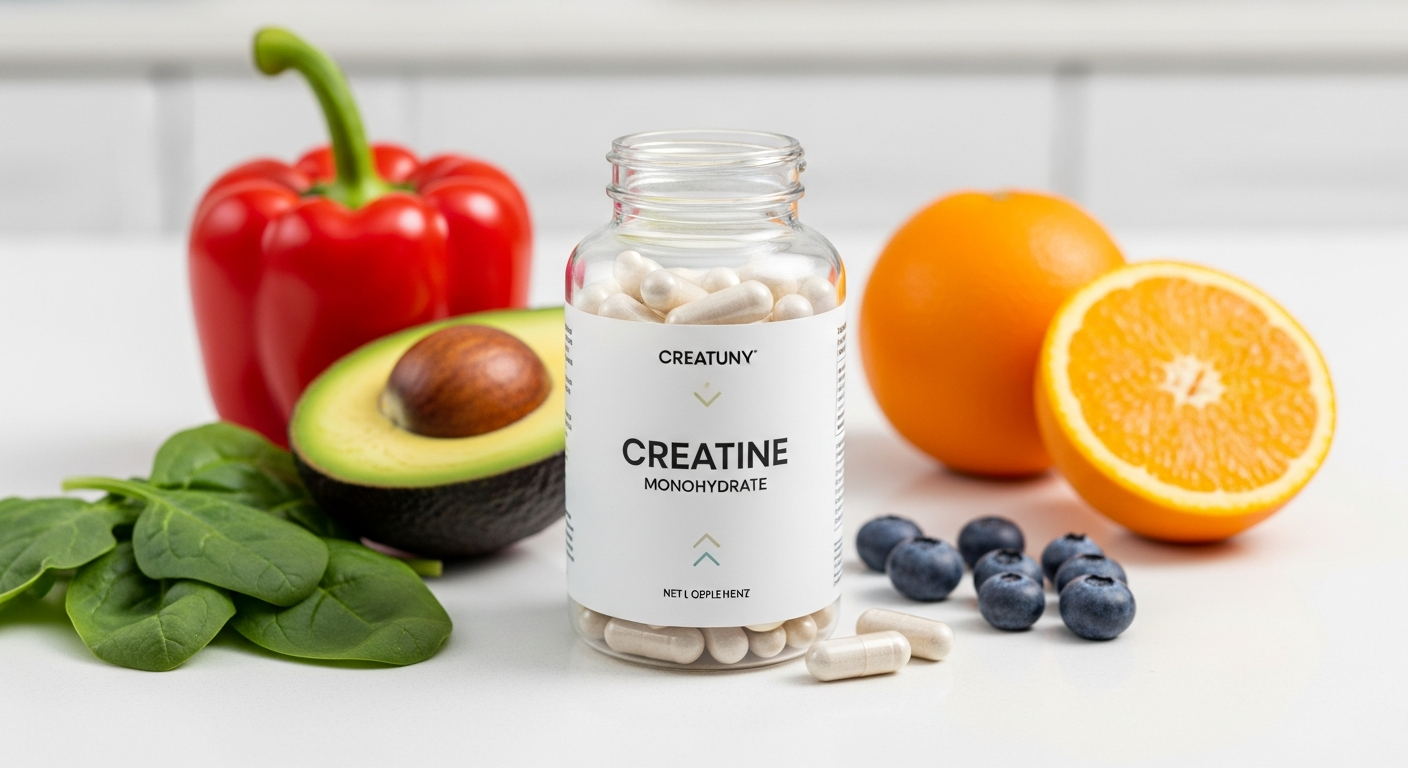
Creatine stands as one of the most researched and scientifically validated supplements in the world of health and fitness. This naturally occurring compound plays a crucial role in energy production within our cells and has garnered attention for its remarkable benefits extending far beyond athletic performance. Whether you’re an athlete looking to enhance your training or someone interested in supporting overall health and cognitive function, understanding creatine’s mechanisms and applications can help you make informed decisions about supplementation.
Contents
What is Creatine?
Creatine is a naturally occurring compound found primarily in muscle tissue, with about 95% of the body’s creatine stored in skeletal muscles. The remaining 5% is distributed throughout the brain, kidneys, and liver. Chemically known as N-methylguanidino acetic acid, creatine is synthesized from three amino acids: arginine, glycine, and methionine.
Your body produces approximately 1-2 grams of creatine daily through the liver, kidneys, and pancreas. Additionally, you can obtain creatine through dietary sources, particularly animal proteins like red meat, fish, and poultry. However, cooking can reduce creatine content by up to 30%, which is why supplementation has become popular among those seeking to optimize their creatine levels.
The Science Behind Creatine Function
Creatine’s primary function revolves around the phosphocreatine energy system. When creatine enters muscle cells, it combines with phosphate to form phosphocreatine (PCr). During high-intensity activities lasting 10 seconds or less, your muscles rapidly deplete their immediate energy source, adenosine triphosphate (ATP). Phosphocreatine acts as a rapid ATP regeneration system, donating its phosphate group to adenosine diphosphate (ADP) to quickly restore ATP levels.
This process is particularly important during explosive movements like sprinting, weightlifting, or jumping, where muscles demand immediate energy. The more phosphocreatine available in your muscles, the longer you can maintain peak performance during these high-intensity efforts.
Types of Creatine Supplements
Creatine Monohydrate
Creatine monohydrate remains the gold standard and most extensively researched form of creatine. It consists of a creatine molecule bound to a water molecule, creating a stable, effective compound. This form has demonstrated consistent results across thousands of studies and offers excellent bioavailability at an affordable price point.
Creatine Hydrochloride (HCl)
Creatine HCl combines creatine with hydrochloric acid, theoretically improving solubility and absorption. Manufacturers claim this form requires smaller doses and causes less water retention, though scientific evidence supporting superior effectiveness over monohydrate remains limited.
Buffered Creatine
Also known as Kre-Alkalyn, buffered creatine is designed to resist conversion to creatinine (a waste product) in acidic environments like the stomach. While this sounds promising in theory, research has not consistently shown significant advantages over traditional creatine monohydrate.
Creatine Ethyl Ester
This form attaches an ester group to creatine, supposedly improving cellular uptake. However, studies suggest that creatine ethyl ester may actually be less effective than monohydrate due to rapid conversion to creatinine in the digestive system.
Health Benefits of Creatine
Athletic Performance Enhancement
Creatine’s most well-documented benefit lies in improving high-intensity, short-duration exercise performance. Research consistently demonstrates that creatine supplementation can increase power output, reduce fatigue during repeated bouts of exercise, and enhance training adaptations. Athletes typically experience 5-15% improvements in maximum power output and up to 30% increases in high-intensity exercise capacity.
These performance benefits translate into practical improvements such as lifting heavier weights, completing more repetitions, and recovering faster between sets. The enhanced training capacity can lead to greater long-term strength and muscle mass gains.
Muscle Growth and Recovery
Beyond immediate performance benefits, creatine supports muscle growth through several mechanisms. It increases cell volumization by drawing water into muscle cells, creating an anabolic environment that promotes protein synthesis. Additionally, creatine may enhance satellite cell activation and myonuclei formation, both crucial processes in muscle fiber growth and repair.
Creatine also appears to reduce markers of muscle damage and inflammation following intense exercise, potentially accelerating recovery and allowing for more frequent, productive training sessions.
Cognitive Function and Brain Health
Emerging research reveals creatine’s potential benefits for brain health and cognitive function. The brain requires substantial energy to function optimally, and creatine plays a vital role in cerebral energy metabolism. Studies suggest that creatine supplementation may improve working memory, processing speed, and mental fatigue resistance, particularly during stressful or sleep-deprived conditions.
Additionally, research indicates potential neuroprotective effects, with creatine showing promise in supporting brain health during aging and potentially slowing cognitive decline.
Bone Health and Aging
Recent investigations have explored creatine’s role in supporting bone health, particularly when combined with resistance training. Some studies indicate that creatine supplementation may help maintain bone mineral density and support overall skeletal health in aging populations.
For older adults, creatine may help counteract age-related muscle loss (sarcopenia) and maintain functional capacity, contributing to improved quality of life and independence.
Dosage and Usage Guidelines
Loading Phase Protocol
The traditional approach involves a loading phase of 20 grams daily (divided into 4 doses of 5 grams each) for 5-7 days, followed by a maintenance dose of 3-5 grams daily. This method rapidly saturates muscle creatine stores, typically achieving maximum levels within one week.
Non-Loading Protocol
Alternatively, you can skip the loading phase and take 3-5 grams daily from the start. While this approach takes 3-4 weeks to fully saturate muscle creatine stores, it achieves the same end result and may reduce the likelihood of minor side effects like temporary weight gain or digestive discomfort.
Timing and Consumption
While timing isn’t critical for creatine’s long-term benefits, consuming it post-workout with carbohydrates and protein may slightly enhance uptake. Consistency matters more than precise timing, so focus on taking your daily dose regularly rather than worrying about optimal timing windows.
Safety and Side Effects
Creatine boasts an exceptional safety profile, with decades of research supporting its use in healthy individuals. The most common side effect is temporary water weight gain of 1-3 pounds as muscles store additional water along with creatine. This is not fat gain and represents improved muscle hydration.
Some individuals may experience minor digestive discomfort, particularly during loading phases or when taking large doses on an empty stomach. Dividing doses throughout the day and consuming creatine with meals can minimize these issues.
Contrary to persistent myths, properly conducted research has not found creatine to cause kidney damage, dehydration, or cramping in healthy individuals. However, those with pre-existing kidney conditions should consult healthcare providers before supplementing.
Who Should Consider Creatine?
Creatine benefits extend to various populations. Athletes and fitness enthusiasts engaged in high-intensity training represent the most obvious candidates, but others may also benefit. Vegetarians and vegans typically have lower baseline creatine levels since plant foods contain minimal amounts, making supplementation particularly valuable for these groups.
Older adults interested in maintaining muscle mass and cognitive function may find creatine supplementation beneficial as part of a comprehensive health strategy. Additionally, individuals experiencing high mental demands or cognitive stress might benefit from creatine’s brain-supporting properties.
🌿 Looking for Creatine Supplements?
Browse top-rated Creatine supplements, independently tested and recommended by our editorial team.
Affiliate disclosure: We may earn a small commission at no extra cost to you.
Frequently Asked Questions
Do I need to cycle creatine supplements?
No, cycling is unnecessary. Research supports long-term continuous use without diminishing benefits or safety concerns. Your body’s natural creatine production doesn’t shut down with supplementation, unlike some hormonal supplements.
Will creatine make me look bloated or puffy?
Creatine increases intracellular water storage within muscle cells, not subcutaneous water retention. This creates fuller, more defined muscles rather than a bloated appearance. The initial 1-3 pound weight gain represents improved muscle hydration.
Can women safely use creatine?
Absolutely. Creatine works through the same energy pathways in both men and women. Female athletes and fitness enthusiasts experience similar performance and strength benefits without any gender-specific safety concerns.
Is creatine effective for endurance sports?
While creatine primarily benefits high-intensity, short-duration activities, endurance athletes may still benefit from improved training capacity, faster recovery between interval sessions, and enhanced performance during sprint finishes or hill climbs.
What happens if I stop taking creatine?
Muscle creatine levels gradually return to baseline over 4-6 weeks after discontinuing supplementation. You’ll lose the performance benefits and any associated water weight, but there are no negative withdrawal effects or health consequences.
Medical Disclaimer
This article is for educational and informational purposes only and does not constitute medical advice. The content provided should not be used for diagnosing or treating any health condition or disease. Individual responses to supplements can vary significantly based on factors including genetics, health status, diet, and lifestyle. Before starting any new supplement regimen, including creatine, consult with a qualified healthcare provider, especially if you have pre-existing medical conditions, take medications, or have concerns about supplement interactions. Pregnant or breastfeeding women should seek medical guidance before using any supplements. Always choose high-quality, third-party tested products from reputable manufacturers and follow recommended dosage guidelines.