
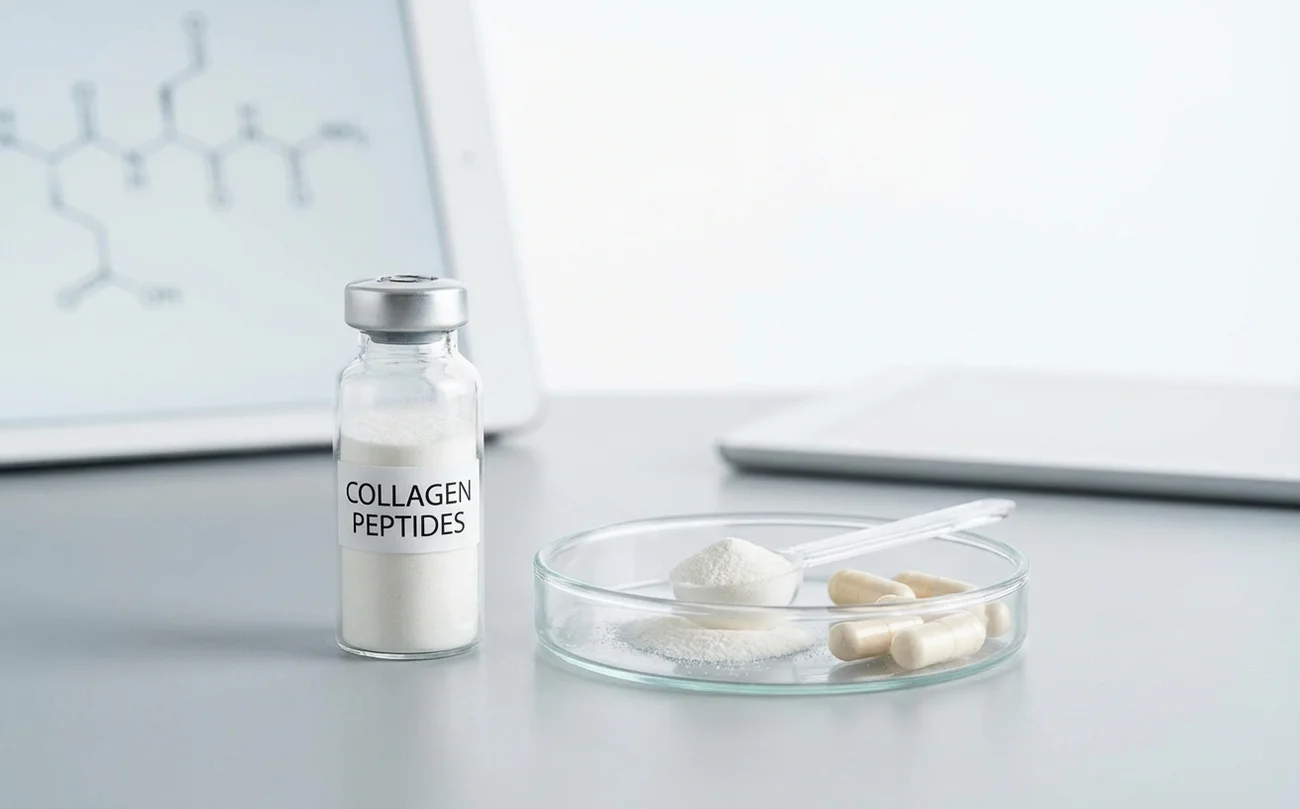
Collagen is the most abundant protein in the human body, making up approximately 25-35% of our total protein content. This essential structural protein acts as the scaffolding that holds our body together, providing strength and structure to our skin, bones, muscles, tendons, and ligaments. As we age, our natural collagen production decreases, leading many people to explore collagen supplements as a way to support their health and maintain youthful vitality.
Understanding collagen’s role in our body and the potential benefits of supplementation can help you make informed decisions about whether collagen supplements might be right for you. This comprehensive guide will explore everything you need to know about collagen, from its basic structure to the latest scientific research on supplementation.
Contents
- 1 What is Collagen?
- 2 Types of Collagen
- 3 Functions and Benefits of Collagen
- 4 Natural Collagen Production and Decline
- 5 Collagen Supplements: Types and Sources
- 6 Scientific Evidence and Research
- 7 How to Choose Quality Collagen Supplements
- 8 Dosage and Usage Guidelines
- 9 Frequently Asked Questions
- 9.1 How long does it take to see results from collagen supplements?
- 9.2 Can vegetarians and vegans take collagen supplements?
- 9.3 Are there any side effects of taking collagen supplements?
- 9.4 Can I get enough collagen from food sources alone?
- 9.5 Should I take collagen supplements with other nutrients?
- 10 Medical Disclaimer
What is Collagen?
Collagen is a fibrous protein composed of amino acids, primarily glycine, proline, and hydroxyproline. These amino acids form long chains that twist together to create a triple-helix structure, giving collagen its unique strength and flexibility. Think of collagen as the glue that holds your body together – it provides structural support and maintains the integrity of various tissues throughout your body.
The word “collagen” comes from the Greek word “kólla,” meaning glue, which perfectly describes its function in the body. This protein is found not only in humans but in all animals, making it a fundamental component of life on Earth.
Collagen Structure and Composition
Collagen molecules are made up of three polypeptide chains wound together in a characteristic triple-helix formation. This unique structure gives collagen its remarkable tensile strength – in fact, gram for gram, some types of collagen are stronger than steel. The specific amino acid sequence, with glycine appearing at every third position, allows the chains to pack tightly together and form stable, strong fibers.
Types of Collagen
Scientists have identified at least 28 different types of collagen, but five types make up the majority of collagen in the human body:
Type I Collagen
Type I collagen is the most abundant form, comprising about 90% of the body’s collagen. It’s found in skin, bones, tendons, ligaments, organs, and blood vessels. This type provides structure to skin and helps with wound healing, making it particularly important for maintaining skin elasticity and strength.
Type II Collagen
Primarily found in cartilage, Type II collagen is essential for joint health and mobility. It provides cushioning between joints and helps maintain the smooth, flexible surface that allows bones to move freely against each other.
Type III Collagen
Often found alongside Type I collagen, Type III is present in skin, blood vessels, and internal organs. It plays a crucial role in the structure of hollow organs and is particularly important during wound healing and tissue repair.
Type IV Collagen
This type forms the structural foundation of basement membranes, which are thin layers of tissue that separate different types of cells. It’s essential for proper organ function and cellular organization.
Type V Collagen
Found in hair, skin surface, and placental tissues, Type V collagen works with Type I collagen to regulate the formation of collagen fibers and maintain tissue structure.
Functions and Benefits of Collagen
Collagen serves numerous vital functions throughout the body, impacting everything from appearance to athletic performance.
Skin Health and Anti-Aging
Collagen is responsible for skin elasticity, hydration, and firmness. As collagen production decreases with age, typically starting in our mid-20s, we begin to notice fine lines, wrinkles, and sagging skin. Oral collagen supplementation has been shown to improve skin hydration, elasticity, and reduce signs of aging, 2013.
Joint and Bone Health
Collagen provides structure to cartilage, the tissue that cushions joints. Maintaining adequate collagen levels is essential for joint mobility and comfort. Additionally, bones are made up of about 50% collagen by volume, making this protein crucial for bone strength and density.
Muscle Mass and Recovery
Collagen contains amino acids that support muscle protein synthesis and recovery after exercise. While it’s not a complete protein like whey or casein, it can complement other protein sources in supporting muscle health.
Digestive Health
Collagen helps maintain the integrity of the intestinal lining, potentially supporting digestive health and reducing inflammation in the gut. The amino acid glycine, abundant in collagen, has been shown to have anti-inflammatory properties.
Hair and Nail Strength
The amino acids in collagen, particularly proline, are building blocks for keratin, the protein that makes up hair and nails. Regular collagen intake may support stronger, healthier hair and nails.
Natural Collagen Production and Decline
Our bodies naturally produce collagen through a complex process involving vitamin C, zinc, copper, and manganese as cofactors. However, several factors affect our ability to maintain optimal collagen levels.
Age-Related Decline
Beginning around age 25, collagen production decreases by approximately 1-2% per year. This gradual decline accelerates after menopause in women due to decreased estrogen levels, which normally help maintain collagen synthesis.
Environmental and Lifestyle Factors
Several factors can accelerate collagen breakdown:
- UV radiation from sun exposure
- Smoking and excessive alcohol consumption
- High sugar intake and processed foods
- Chronic stress and poor sleep
- Pollution and environmental toxins
Collagen Supplements: Types and Sources
Collagen supplements have gained popularity as a way to support the body’s natural collagen levels. These supplements come in various forms and from different sources.
Hydrolyzed Collagen (Collagen Peptides)
Hydrolyzed collagen, also known as collagen peptides, is the most common and bioavailable form of collagen supplement. The collagen has been broken down into smaller peptides through a process called hydrolysis, making it easier for the body to absorb and utilize.
Sources of Collagen Supplements
Bovine Collagen: Derived from cow hides and bones, bovine collagen is rich in Types I and III collagen, making it ideal for skin, bone, and muscle support.
Marine Collagen: Sourced from fish skin and scales, marine collagen is primarily Type I and is often considered the most bioavailable form. It’s also suitable for those who prefer not to consume land animal products.
Porcine Collagen: From pig skin and bones, porcine collagen contains Types I and III and is similar in composition to human collagen.
Chicken Collagen: Primarily contains Type II collagen and is often used specifically for joint health supplements.
Scientific Evidence and Research
The scientific community has conducted numerous studies on collagen supplementation, with promising results across various health parameters.
Skin Health Studies
Multiple clinical trials have demonstrated the benefits of collagen supplementation for skin health. Research shows that regular collagen intake can improve skin elasticity, reduce wrinkle depth, and increase skin hydration levels.
Joint Health Research
Studies on athletes have shown that collagen supplementation may help reduce joint pain and support joint health during physical activity, 2008. The mechanism appears to involve the accumulation of collagen peptides in cartilage tissue, where they may stimulate collagen synthesis.
Bone Health Evidence
Research indicates that collagen peptides combined with resistance training can improve bone mineral density and bone markers in postmenopausal women, 2018. This suggests a potential role for collagen in maintaining bone health as we age.
How to Choose Quality Collagen Supplements
When selecting a collagen supplement, several factors should be considered to ensure you’re getting a high-quality product.
Source and Type
Choose a supplement that clearly states the source of collagen and the types included. Consider your specific health goals when selecting between marine, bovine, or other sources.
Processing and Bioavailability
Look for hydrolyzed collagen or collagen peptides, as these forms are more easily absorbed by the body. The molecular weight should be low enough for optimal absorption.
Third-Party Testing
Quality supplements should be tested by independent laboratories for purity, potency, and safety. Look for certificates of analysis and third-party verification.
Additional Ingredients
Some collagen supplements include vitamin C, biotin, or other nutrients that support collagen synthesis. These additions can enhance the effectiveness of the supplement.
Dosage and Usage Guidelines
Most studies on collagen supplementation use doses ranging from 2.5 to 15 grams per day, with 10 grams being a common effective dose. The optimal dosage may vary based on individual needs, age, and health goals.
For best absorption, collagen supplements can be taken on an empty stomach, though they can also be consumed with meals. Consistency is key – benefits are typically seen with regular, long-term use over several weeks to months.
Frequently Asked Questions
How long does it take to see results from collagen supplements?
Most people begin to notice improvements in skin hydration and elasticity within 4-8 weeks of consistent use. Joint-related benefits may take 8-12 weeks to become apparent, as cartilage regeneration is a slower process.
Can vegetarians and vegans take collagen supplements?
Traditional collagen supplements are derived from animal sources and are not suitable for vegetarians or vegans. However, there are plant-based alternatives that provide the building blocks for collagen synthesis, such as vitamin C, silica, and amino acid supplements.
Are there any side effects of taking collagen supplements?
Collagen supplements are generally well-tolerated by most people. Some individuals may experience mild digestive upset, bloating, or allergic reactions, particularly if they have sensitivities to the source animal. Starting with a lower dose can help minimize potential side effects.
Can I get enough collagen from food sources alone?
While collagen-rich foods like bone broth, fish with skin, and organ meats can contribute to collagen intake, the amount and bioavailability may not be sufficient to significantly impact collagen levels. Supplements provide a concentrated, easily absorbed form of collagen peptides.
Should I take collagen supplements with other nutrients?
Collagen synthesis requires vitamin C, zinc, and copper as cofactors. Taking these nutrients alongside collagen supplements, or choosing a supplement that includes them, may enhance the effectiveness of collagen supplementation.
Medical Disclaimer
This article is for informational purposes only and is not intended as medical advice. The information provided should not be used for diagnosing or treating a health problem or disease. Always consult with a qualified healthcare provider before starting any new supplement regimen, especially if you have existing health conditions, are pregnant or nursing, or are taking medications. Individual results may vary, and supplements are not intended to diagnose, treat, cure, or prevent any disease.